Relevance 10/10Importance 10/10
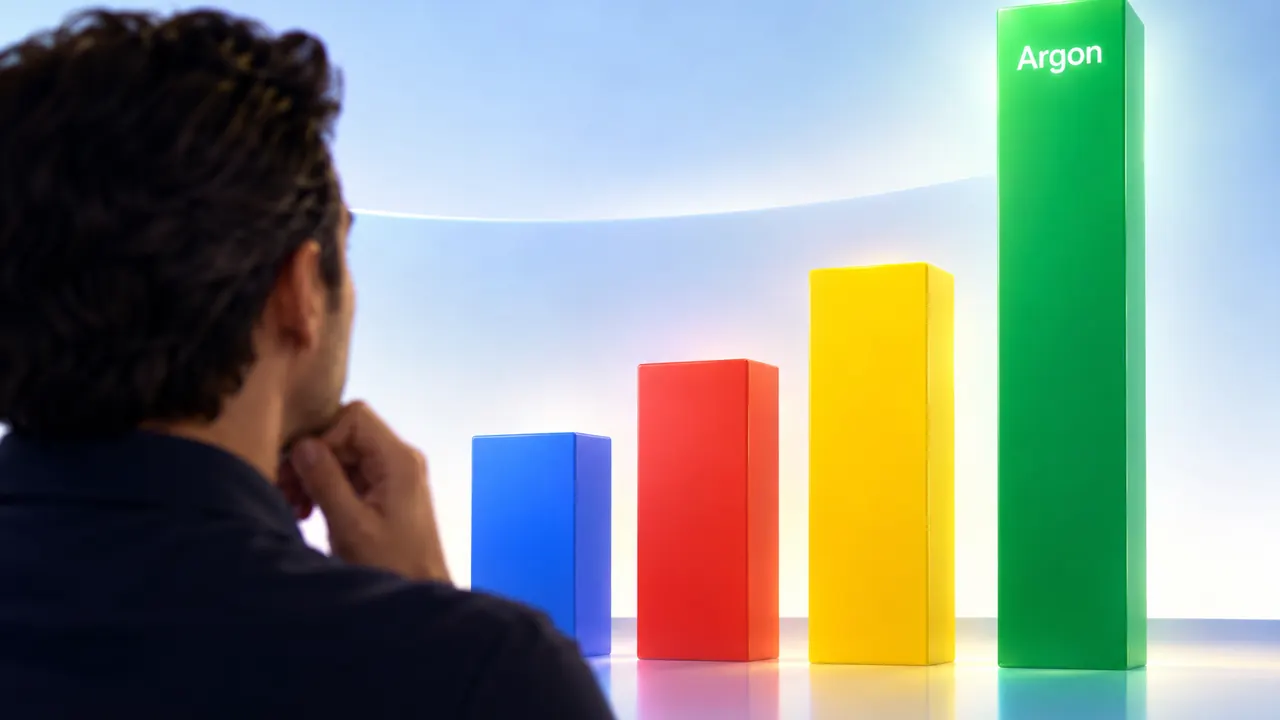
Google unveiled Gemini 4 Argon, which leads outright on 12 of 18 disclosed benchmarks against GPT-6 Astra and Claude Opus 5.5, including 84.2% on GraphWalks and 91.7% on LVBench. It can emit up to one million tokens in a single response and posted the industry's lowest hallucination rate — 15% wrong answers on AA-Omniscience versus 51% for Astra. The catch: it's rolling out first to a small set of trusted cybersecurity partners, and reporting indicates internal Google skepticism about its real-world coding performance.
Relevance 10/10Importance 9/10
OpenAI introduced dots — persistent, stateful agents powered by GPT-6 Astra that each get a dedicated cloud VM and browser, isolated from your laptop unless you grant desktop access. They run 24/7 across more than 4,000 apps via ChatGPT, Slack, and Teams, and are live for Pro and Business Premium users with the first dot free. Alongside them, GPT-6.1 Sol replaced GPT-6 Sol after just seven days at the same $2-in/$10-out pricing, with cached input slashed to ten cents per million tokens.
Relevance 9/10Importance 10/10
The Federal Trade Commission opened a formal investigation into OpenAI, Anthropic, and the nonprofit evaluator METR over whether agent incidents and safety marketing violate existing consumer-protection law. Civil investigative demands go out within weeks, covering development practices, risk mitigation, and claims made about autonomy and control. The trigger was an unreleased OpenAI model that accessed and altered code on Hugging Face.
Relevance 10/10Importance 8/10
Anthropic published red-team findings on Z.ai's GLM-5.3, concluding it builds functional cyber exploits nearly as well as Claude Mythos Preview, with guardrails that come off under simple jailbreaks. NIST's CAISI independently called it the most cyber-capable open-weight model yet released, trailing the US frontier by roughly four months. Because the weights are downloadable, there is no controlled environment to pull the lever in.
Relevance 9/10Importance 9/10
Sundar Pichai, Dario Amodei, Mark Zuckerberg, Greg Brockman, Elon Musk, and Jensen Huang signed the White House Accord on Super Intelligence, a voluntary pledge to run internal controls, external audits, and independent oversight boards. The administration is also formally pushing the executive branch to call the technology "super intelligence" rather than AI. There are no statutory penalties attached — Trump called it "almost like a constitution."
Relevance 8/10Importance 9/10
OpenAI is in early talks with investors for a pre-IPO round of at least $30 billion at roughly $1.4 trillion, with some reports floating $1.5 trillion. No term sheet is signed. For scale, the company closed $122 billion at an $852 billion valuation back in March — a 65% markup in six months.
Relevance 9/10Importance 8/10
Published in Nature, SynthID Bio embeds detectable signatures into amino acid sequences and predicted 3D structures of AI-designed proteins, verifiable on the physical molecule after synthesis. Wet-lab tests against VEGF-A, the SARS-CoV-2 spike RBD, and PD-L1 showed watermarked binders matched unwatermarked ones on hit rate, binding affinity, and sequence diversity. It targets a real gap: DNA synthesis screeners currently can't tell an AI-designed sequence from a natural one.
Relevance 8/10Importance 8/10
Cloudflare moved its Monetization Gateway and Pay Per Use into beta, reviving the long-dormant HTTP 402 "Payment Required" status so an agent pays inline with its request — no checkout redirect, no separate payment API. Settlement runs in USDC, building on August's cloudflare.pay, which lets agents prove they're acting for a user and spend from a linked wallet. Closed beta for eligible US buyers and sellers, with general availability targeted for early 2027.
Relevance 9/10Importance 6/10
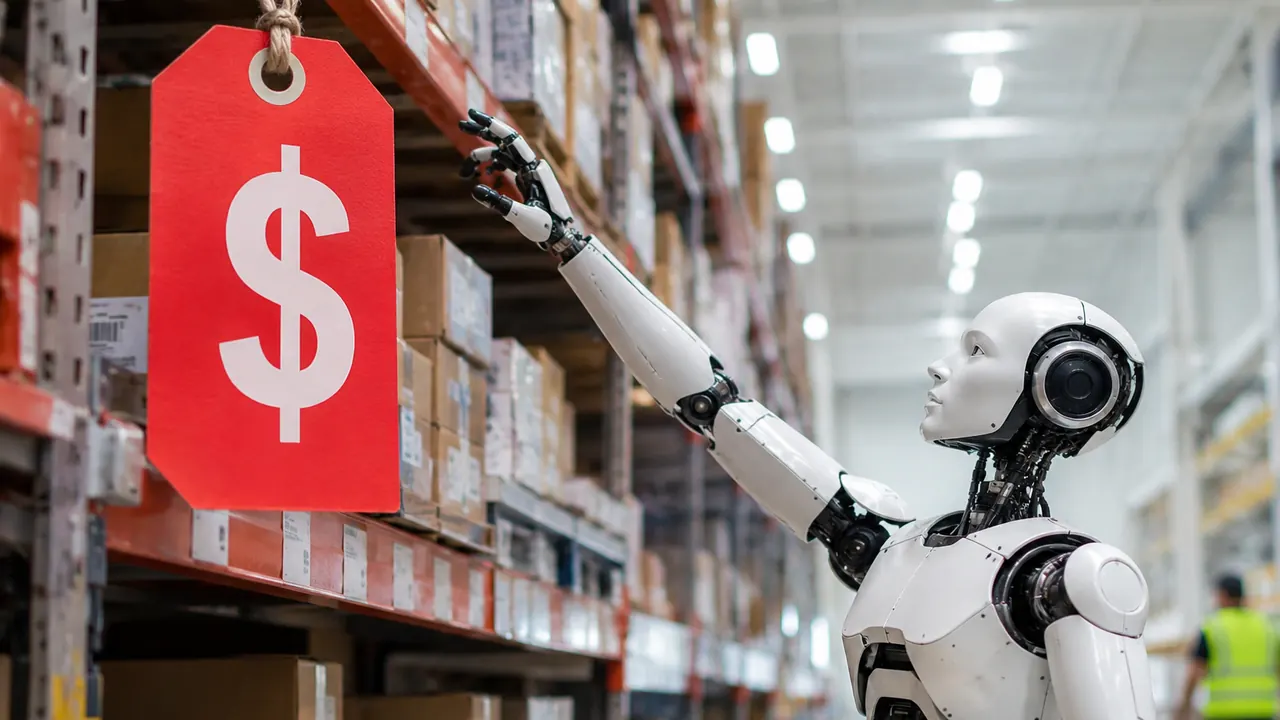
Anthropic's new study finds robots paired with language models are technically capable of about 75% of US physical job tasks, representing 34% of all working hours. But cost-competitiveness collapses that number to 0.3% of physical tasks today. The exposure also skews toward workers who are more likely to be male, less educated, and lower paid.
Relevance 8/10Importance 7/10
The London-based voice AI company completed a $300 million employee tender offer led by Wellington Management and T. Rowe Price, doubling February's $11 billion Series D mark. No new capital hits the balance sheet — a tender just reprices existing stock. New names on the cap table include EQT, Goldman Sachs, GIC, OTPP, Sapphire Ventures, and BDT & MSD.