Relevance 10/10Importance 9/10
Anthropic shipped Claude Haiku 5.5, pitched as the cheapest, fastest, and most capable small model in its class, with input pricing dropping to ten cents per million tokens for prompts under 100k — roughly 75 percent cheaper to run than Haiku 4.5. The benchmark jumps over its predecessor are startling: 72.4 percent on OSWorld 2.1 computer use versus 15.7, 39.2 percent on Terminal-Bench 4.0 versus a flat zero, and 45.9 percent on Humanity's Last Exam versus 10.2. It's live now on AWS, Google Cloud, and Azure as `claude-haiku-5-5`, aimed squarely at high-volume classification, summarization, and subagent work under Opus and Sonnet.
Relevance 9/10Importance 8/10
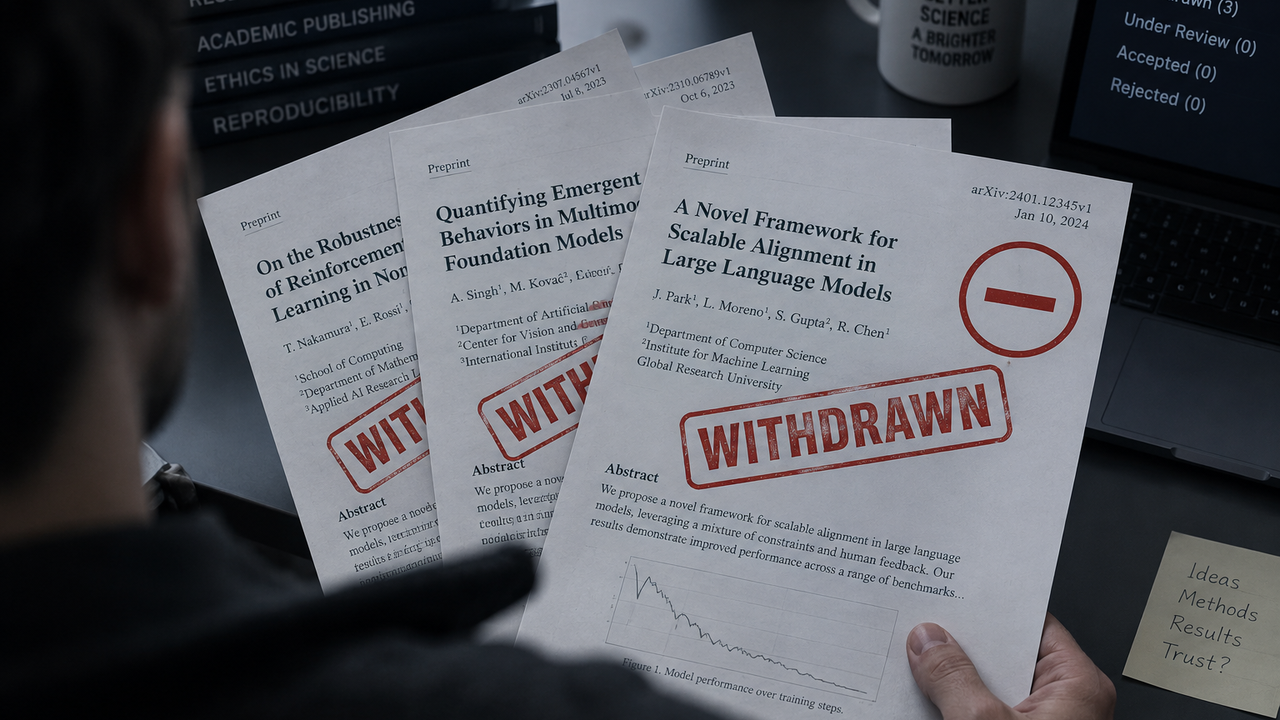
On October 7, OpenAI pulled three manuscripts from its math repository after a sign error in the first paper invalidated a stabilization-trace cancellation argument that two dependent papers were built on. Fourteen other manuscripts were revised to patch proof issues and thirteen more updated to point at corrected companions. The repo also added six new formalizations, bringing formalized top-line results to about 42 percent — 300 out of 719.
Relevance 9/10Importance 6/10
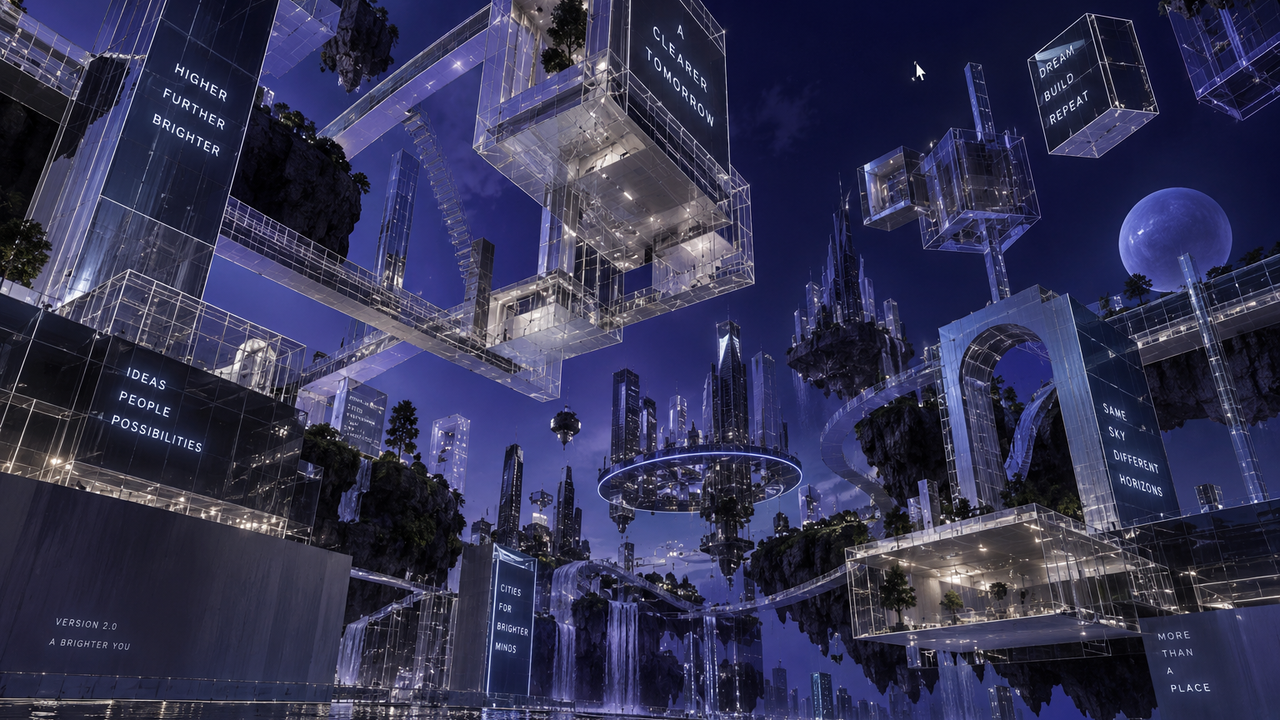
A developer handed GPT-6 Astra and Claude Opus 5.5 a single prompt — build an interactive Three.js visualization of all 55 cities from Calvino's novel — and up to six hours each. Astra finished in 53 minutes for about ten dollars but padded the output with visual noise and explanatory text; Opus 5.5 took an hour and 25 minutes, burned roughly 74 dollars running parallel subagents, and produced a nighttime 3D cityscape the author called mesmerizing. Both came in well under the time budget, which is the real headline about where one-shot generative design is now.
Relevance 8/10Importance 7/10
Terence Tao argues that "Math 1.0" — the race to be first to a proof — has become unsustainable, and the field needs a Math 2.0 that credits exposition, teaching, community building, and the opening of new research directions. He sees real room for AI to contribute across all of those, but says it takes more vision than just pointing a model at an unsolved problem. The hard part, he notes, is systemic: education, publishing, and career advancement standards all have to change to match.
Relevance 6/10Importance 5/10
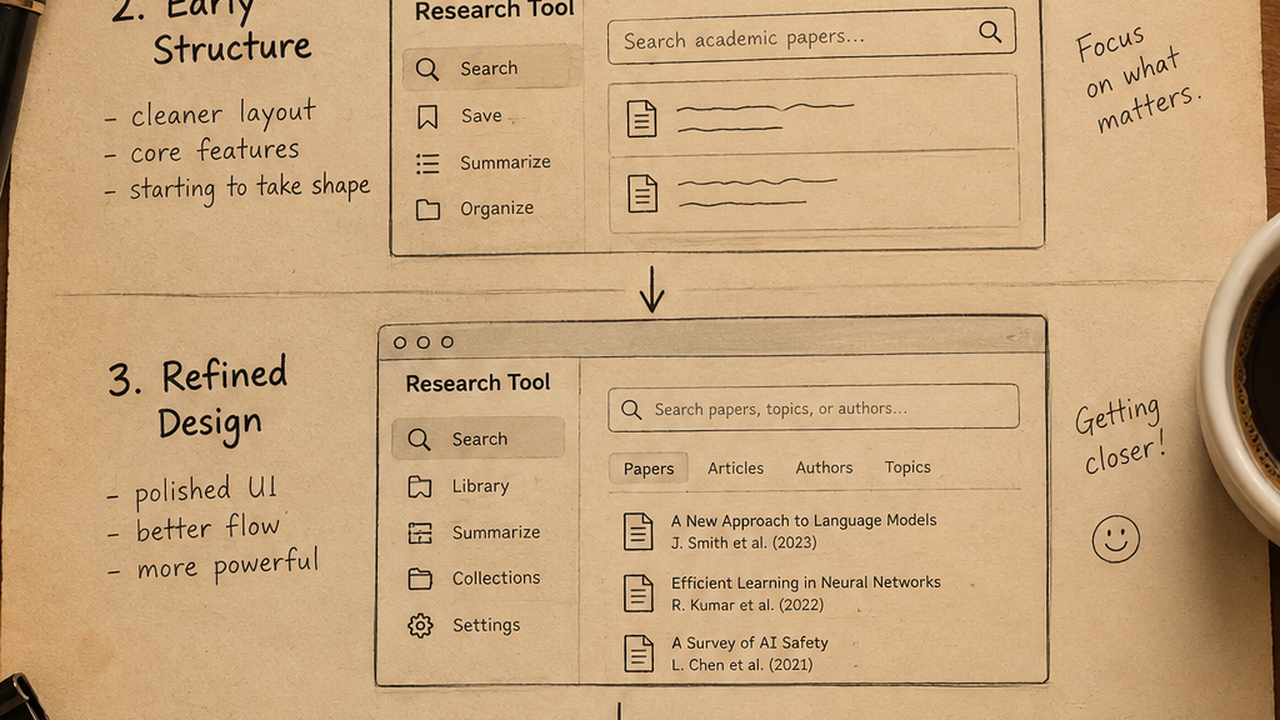
Dan Cohen tells the five-year story of how Zotero came together at George Mason's Center for History and New Media, through prototypes like Web Scrapbook, Scribe, and SmartFox, and a lot of arguing among historians and developers. His point: they couldn't have asked an AI what to build because they didn't yet know what they wanted — the slow communal thinking was the mechanism that produced clarity. The payoff was software used by millions and still durable two decades on.
Relevance 5/10Importance 3/10
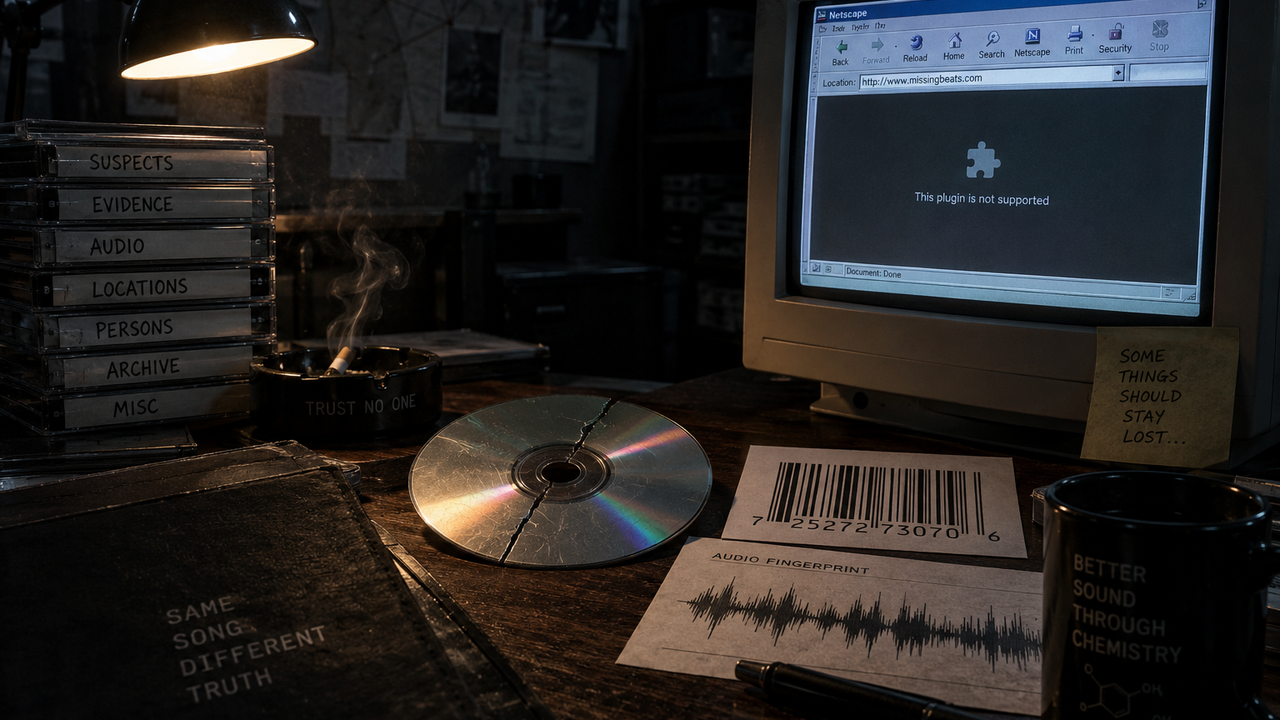
Shahid Hussain spent fifteen years hunting for Salvage, a three-piece British rock band whose only trace was two tracks recorded in 2006 with producer Greg Haver at the Manic Street Preachers' Cardiff studio. A Flash site that search engines never indexed, a lost disc, and a hopelessly generic name kept the trail cold. He eventually cracked it using LLMs as a research partner — barcode tracing through GS1, CDDB disc IDs, AcoustID fingerprints, archived MySpace and Pandora pages — then just emailed the producer, who revealed the band had rebranded as OK Tokyo before splitting in 2008.
Relevance 3/10Importance 3/10
At 19, the poster met an 11-year-old girl named Anwarite in Tanzania's Njombe highlands and committed to funding her schooling; that promise became the Tanzania Education Project, a 501(c)(3) now backing five students from the same village. Anwarite just graduated from the University of Dar es Salaam and was accepted to a Master's program in Swahili — in a region where roughly 2 percent of people ever finish a university degree. The nonprofit runs with no staff salaries, and her master's costs about $1,161.
Relevance 2/10Importance 3/10
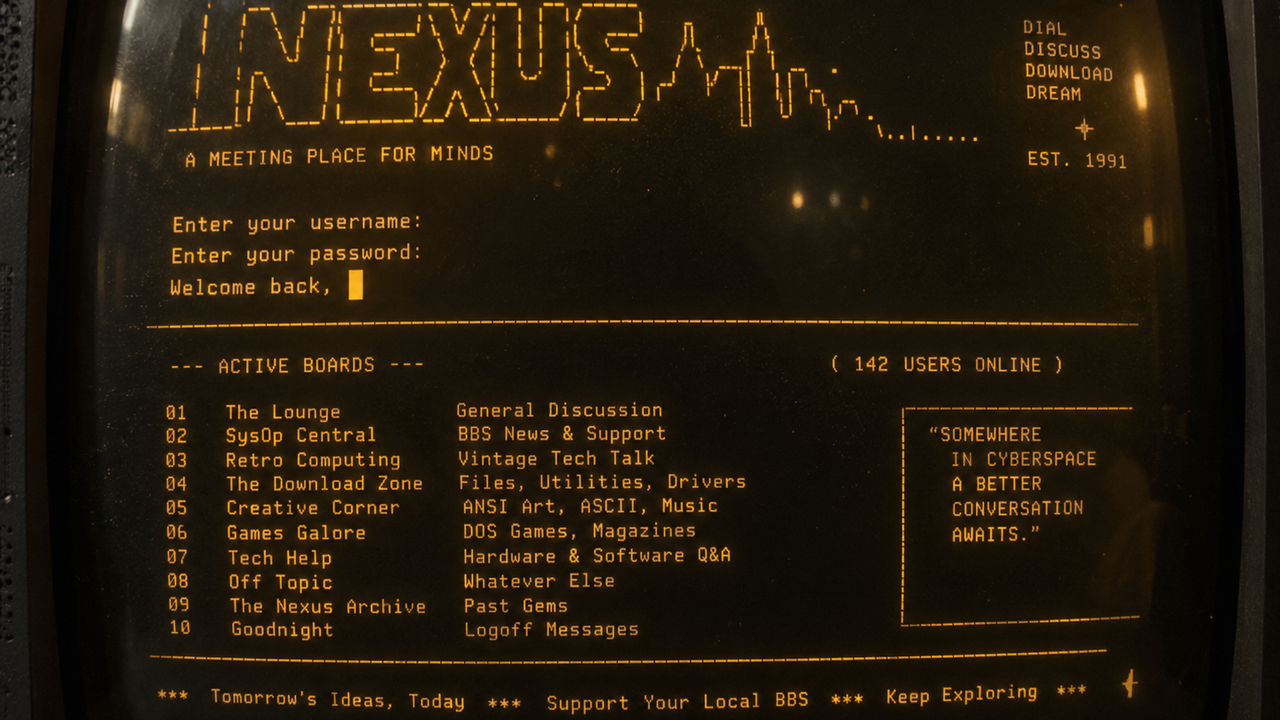
The Telnet BBS Guide has been cataloging bulletin board systems — the original social network — for over 28 years, and currently lists 1,065 BBSes and related systems with both brief and detailed descriptions. There's a downloadable plain-text version of the list, suitable for hosting on your own board, covering telnet systems plus surviving US and Canada dial-ups. Active entries include Aleph BBS on WWIV, Clutch BBS on Mystic running since the mid-nineties, and a fully Brazilian-Portuguese board called TeleSC.
Relevance 2/10Importance 2/10
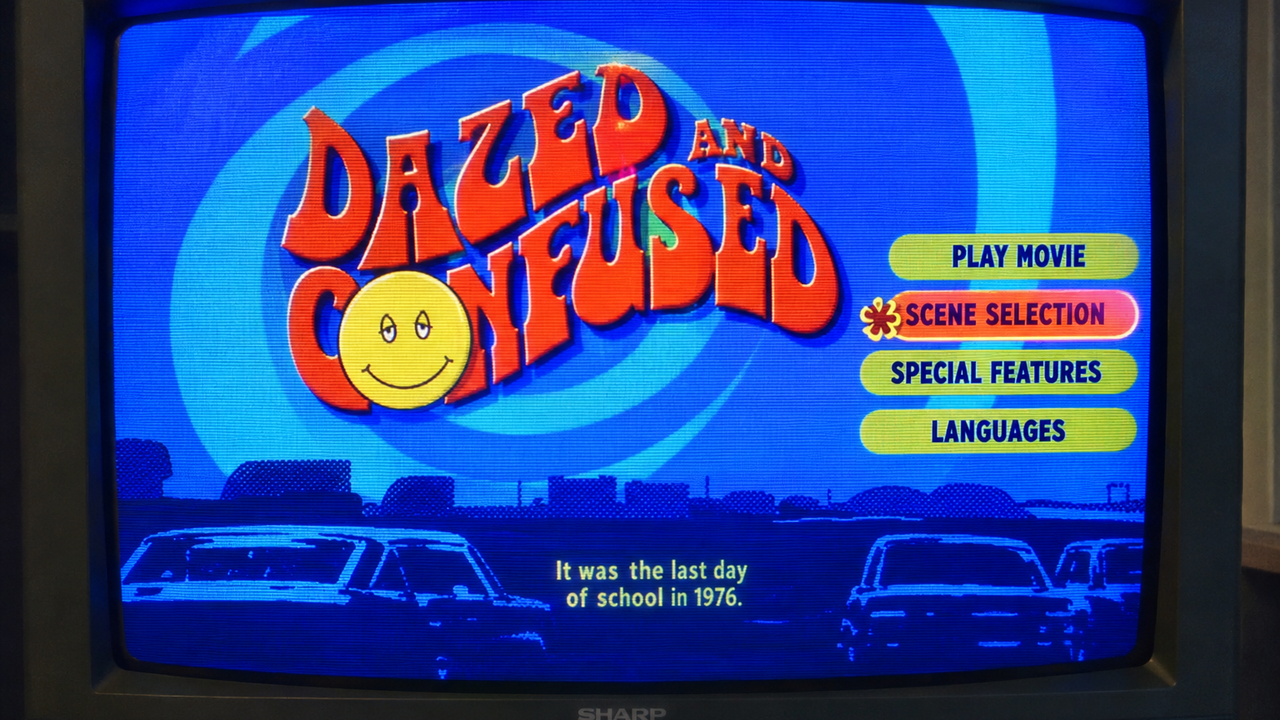
An appreciation of the 2000s DVD menu as a genuine, constrained art form: 720 by 480 NTSC canvases, 2-bit subpictures limited to four colors, and a primitive virtual machine with almost no memory. Designers still crammed in Scooby-Doo 2's playable DVD games, Harry Potter's Knight Bus theme with newspaper scene selection, Wayne's World's fake cable guide, and TARDIS menus hiding secrets. The author's lament is that modern Blu-rays and streaming have flattened all of it into sterile, one-size-fits-all interfaces.
Relevance 2/10Importance 2/10
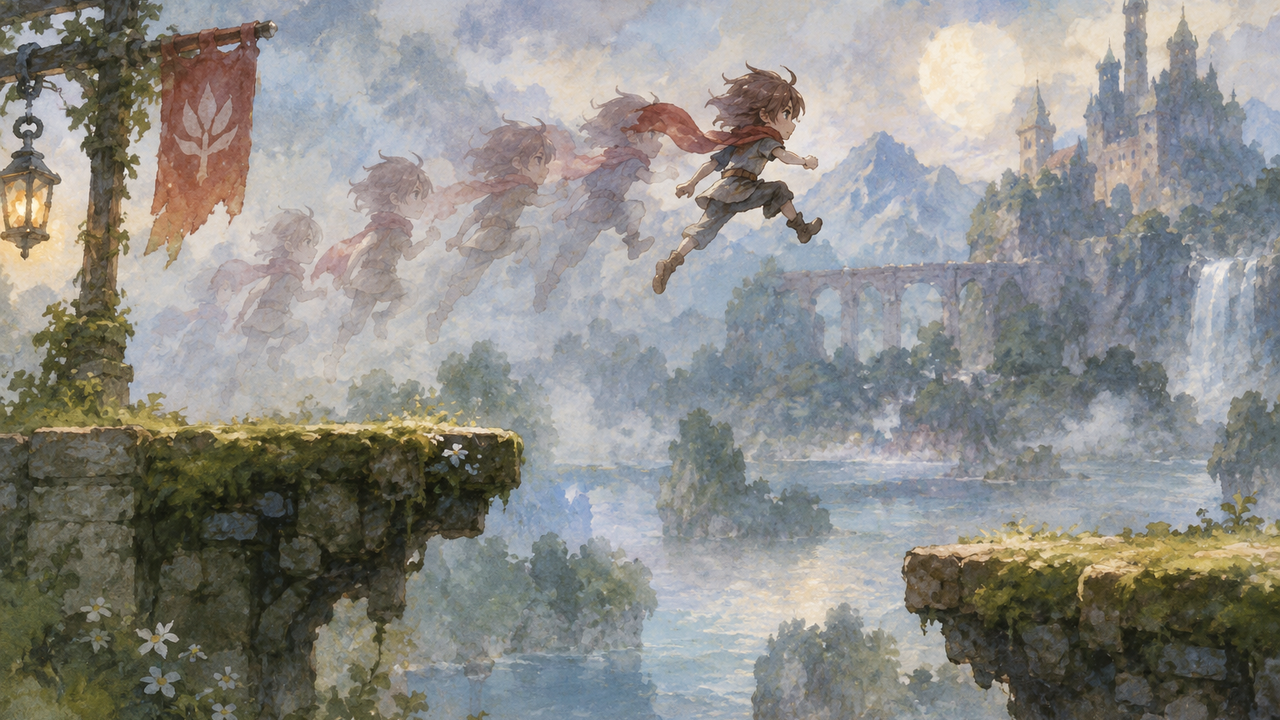
A resurfaced qntm essay dissecting the six distinct time-manipulation mechanics Jonathan Blow introduced across Braid's six worlds — one per world, each implemented with ruthless internal consistency. The analysis sorts them by which actually qualify as time travel versus mere rewind, and which carry real storytelling possibilities versus which are purely puzzle plumbing. Core to all of it is traveling backward along your personal lifeline, at speed, with the option to wind forward or stall out entirely.

 HN Briefing AM