Relevance 10/10Importance 9/10
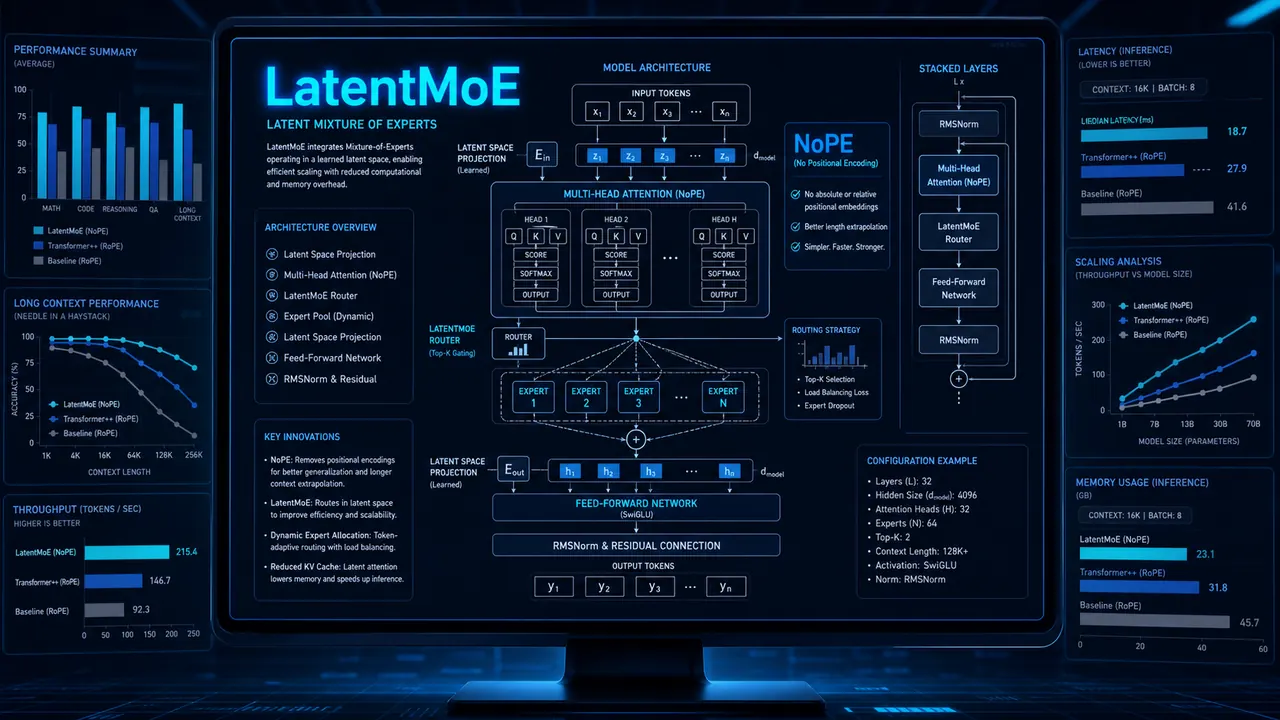
Kimi K3 is the largest open-weight model currently available at 2.8 trillion parameters, and it makes several bold architectural departures — most notably ditching RoPE positional embeddings entirely across all layers in favor of NoPE, a first for a frontier-level model. It also replaces standard MoE with a custom LatentMoE variant and adds attention-based residual connections that improve validation loss at only 4% training cost and 2% inference cost. Sebastian Raschka's deep-dive post breaks down what makes this architecture genuinely different from the usual scaling-law-and-go approach.
Relevance 10/10Importance 9/10
Anthropic published research showing Claude Mythos Preview autonomously discovered a nontrivial automorphism in the HAWK post-quantum signature scheme that effectively halved its key strength, working semi-autonomously for roughly 60 hours. A separate result produced a "Möbius Bridge" fingerprinting algorithm that accelerated attacks on 7-round AES by 200–800x, generating one billion tokens over three days to refine the technique. Neither finding breaks deployed systems, but the research signals that AI can now do serious original mathematical work in cryptanalysis with minimal human direction.
Relevance 9/10Importance 8/10
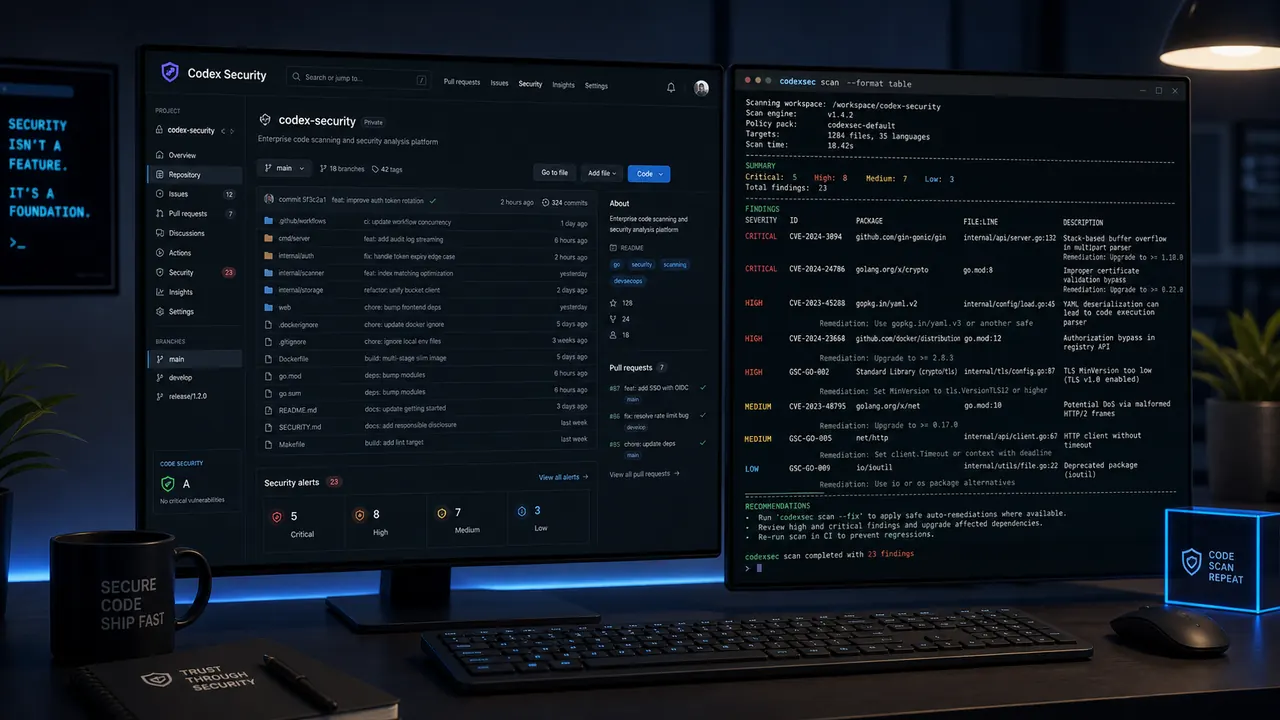
OpenAI released Codex Security as open source today — an AI-powered CLI and TypeScript SDK that scans codebases for security vulnerabilities using GPT models with high-reasoning effort. It supports custom threat models, SARIF/CSV/JSON export, Docker-based bulk scanning across multiple repos, and even patching for identified findings. The project is pre-v1.0 and in active development, but the architecture looks serious: resumable batch jobs, scan history tracking, and cross-scan comparison built in.
Relevance 9/10Importance 8/10
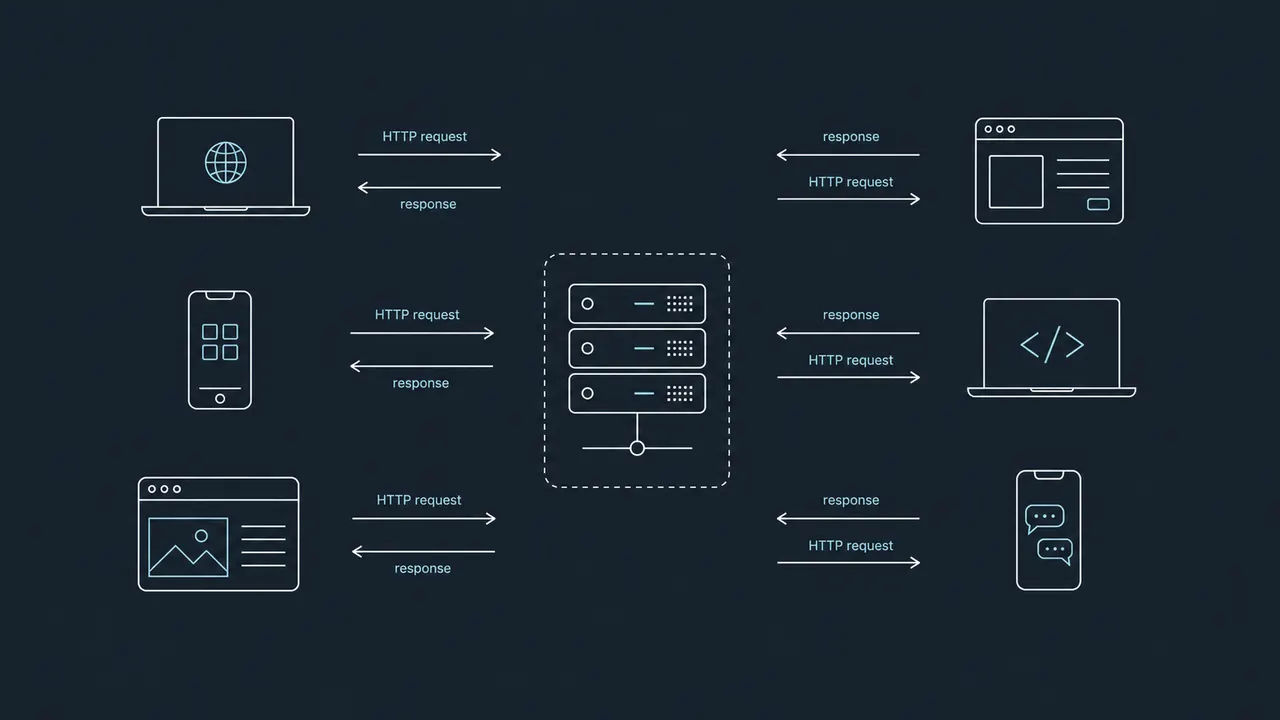
The Model Context Protocol dropped a major spec update today, eliminating the initialize/initialized handshake and session IDs entirely — each request now travels independently, carrying its own protocol version, client identity, and capabilities inline. This enables true horizontal scalability with requests landing on any server instance behind a load balancer. New additions include Multi Round-Trip Requests for mid-call user confirmations, HTTP header routing metadata, list response caching hints, and RFC 9207 issuer validation for auth servers — all four Tier 1 SDKs updated immediately.
Relevance 4/10Importance 6/10
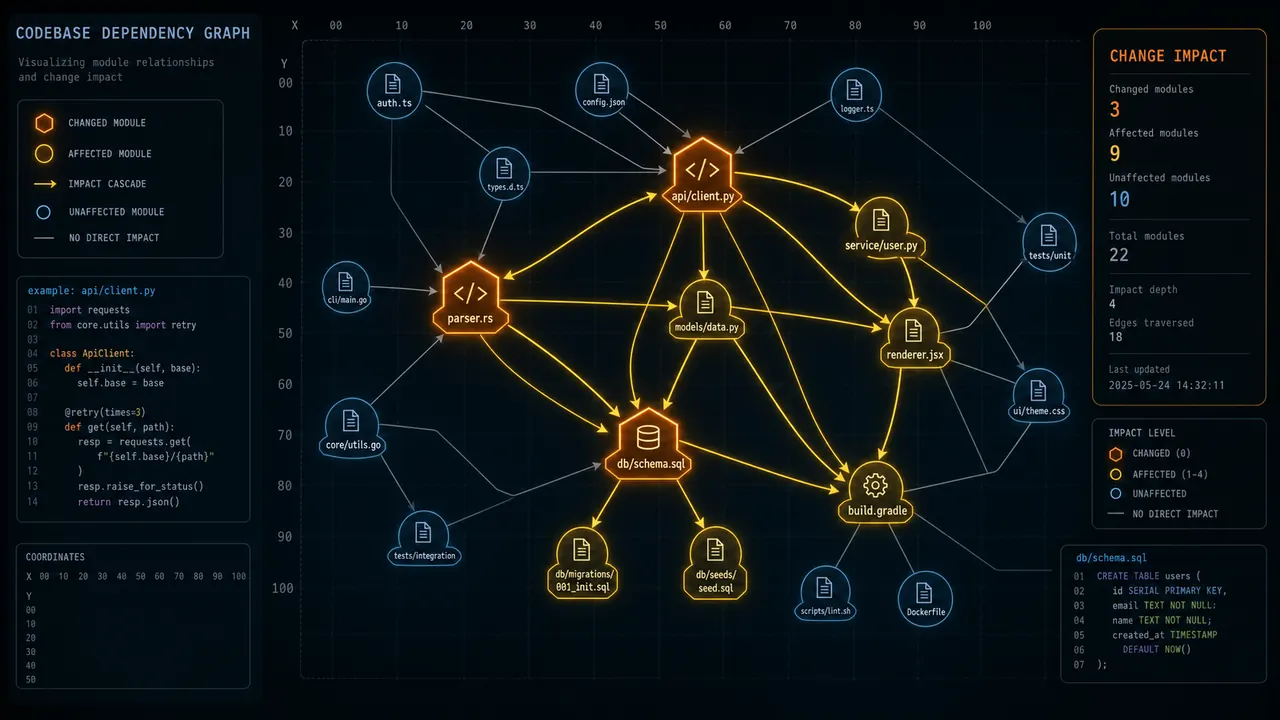
A deep technical post on how Zig achieves fast incremental compilation by splitting work into small, independently analyzable units and tracking their dependency graph precisely, so only changed units get reanalyzed. Rather than using a general-purpose incremental linker, Zig integrates the linker tightly with the compiler and memory-maps the output file directly, sidestepping complex object-file diffing. Zig's language design was also deliberately constrained over the years — ruling out runtime function body dependencies, for instance — specifically to make incrementalization tractable.
Relevance 3/10Importance 4/10
Elizabeth Tai argues that Substack writers are building on rented land and should treat their own website as the definitive home for their work, using platforms purely as distribution channels. She invokes the POSSE principle — Publish on your Own Site, Syndicate Elsewhere — and cites the decay of Twitter as a cautionary tale about platform dependency. The piece is resonating loudly in the HN creator-economy crowd, with 303 upvotes and 167 comments at the time of this briefing.
Relevance 2/10Importance 5/10
Apple is quietly retiring the iPhone Upgrade Program and replacing it with "Apple Upgrade," a broader leasing program that extends to iPad, Mac, and Apple Watch alongside iPhone, with 12 or 24-month flexible terms. Existing iPhone Upgrade Program members keep their Citizens Bank loan agreements active and transition at their next upgrade cycle. The move signals Apple's push toward becoming a full hardware-subscription service across its entire product lineup rather than a phone-specific financing option.
Relevance 2/10Importance 3/10
Delayed Gratification is a British quarterly print magazine founded in 2011 that deliberately revisits the previous three months' events with depth, independent reporting, and striking infographics — the anti-Twitter. The magazine has earned recognition from The Telegraph and Private Eye for offering a serious counterpoint to the 24-hour news cycle. The HN community's affection for this story tracks with the programmer appreciation for batch-processing over interrupt-driven everything.
Relevance 1/10Importance 3/10
SBCL 2.6.7 ships ARM64 SIMD support via the SB-SIMD contrib, AVX512 instruction support on x86-64, and enhanced UTF-8 conversion routines that leverage SIMD where available for a speed bump on both platforms. A new SB-MANUAL contrib enables interactive manual exploration with docstrings tied to section definitions, and several miscompilation bugs on ARM64 are squashed. Solid incremental release for the faithful Lisp-in-production crowd.
Relevance 0/10Importance 2/10
A 2015 Aramco World piece on Uzbekistan's traditional non flatbread — the round, stamped loaf baked in clay tandir ovens — surfaced on HN today and is generating warm discussion about food culture, artisan baking traditions, and regional variation across Central Asia. The article covers the role of non in Uzbek hospitality and ceremony and profiles artisans keeping the ancient method alive. Classic HN drift: the thread probably started with bread and ended with thermodynamics.

 HN Briefing PM