Relevance 10/10Importance 9/10
Moonshot AI has released Kimi K3, claiming the title of world's first open-source model at 2.8 trillion parameters, featuring native vision, a one-million-token context window, and architectural innovations called Kimi Delta Attention and Attention Residuals. While it trails top proprietary models like Claude Fable 5 and GPT-5.6, K3 represents a massive leap for publicly available AI, excelling at long-horizon coding, reasoning, and knowledge work. This is the biggest open-weights milestone in months and HN lit up with 488 comments to prove it.
Relevance 9/10Importance 8/10
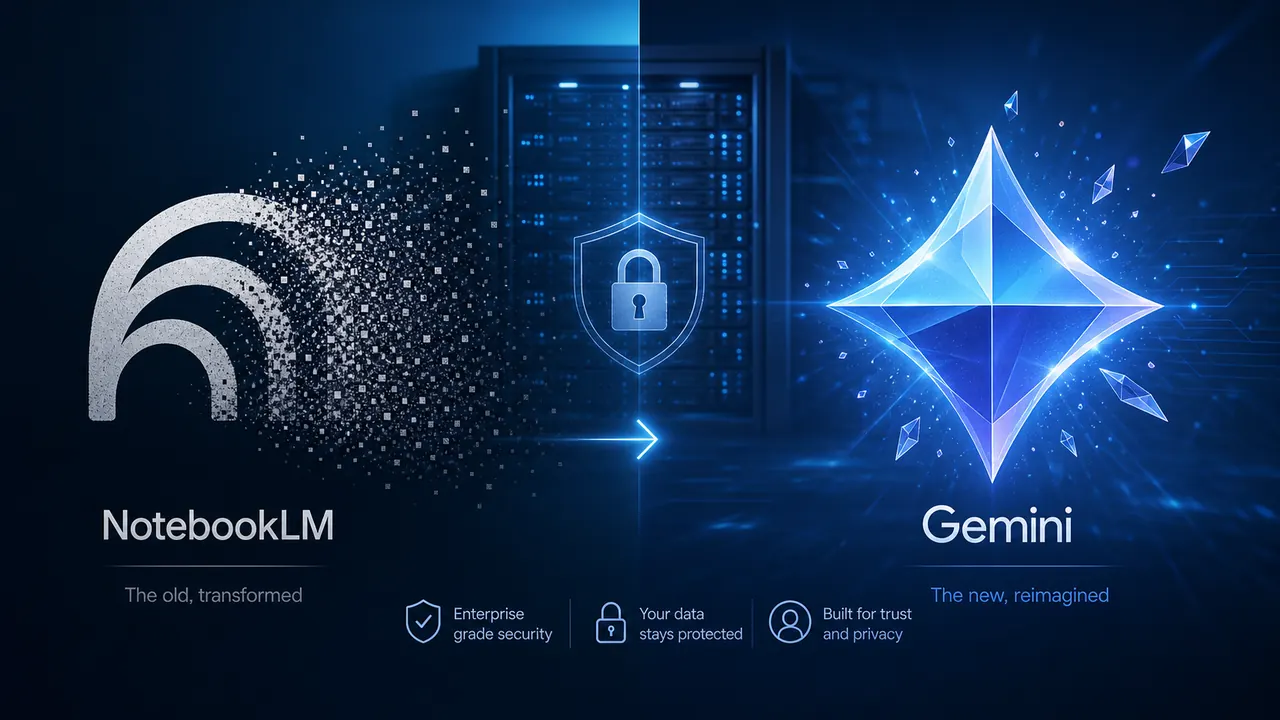
Google has rebranded NotebookLM as Gemini Notebook, adding a secure cloud computer and deeper integration across the Google ecosystem while keeping the core standalone product intact. The move explicitly positions the product within Google's Gemini AI family, signaling tighter infrastructure backing for features like Audio Overviews and source-grounded research. For millions of daily users, the experience stays familiar — but the label change reflects Google consolidating its AI brand aggressively.
Relevance 9/10Importance 7/10
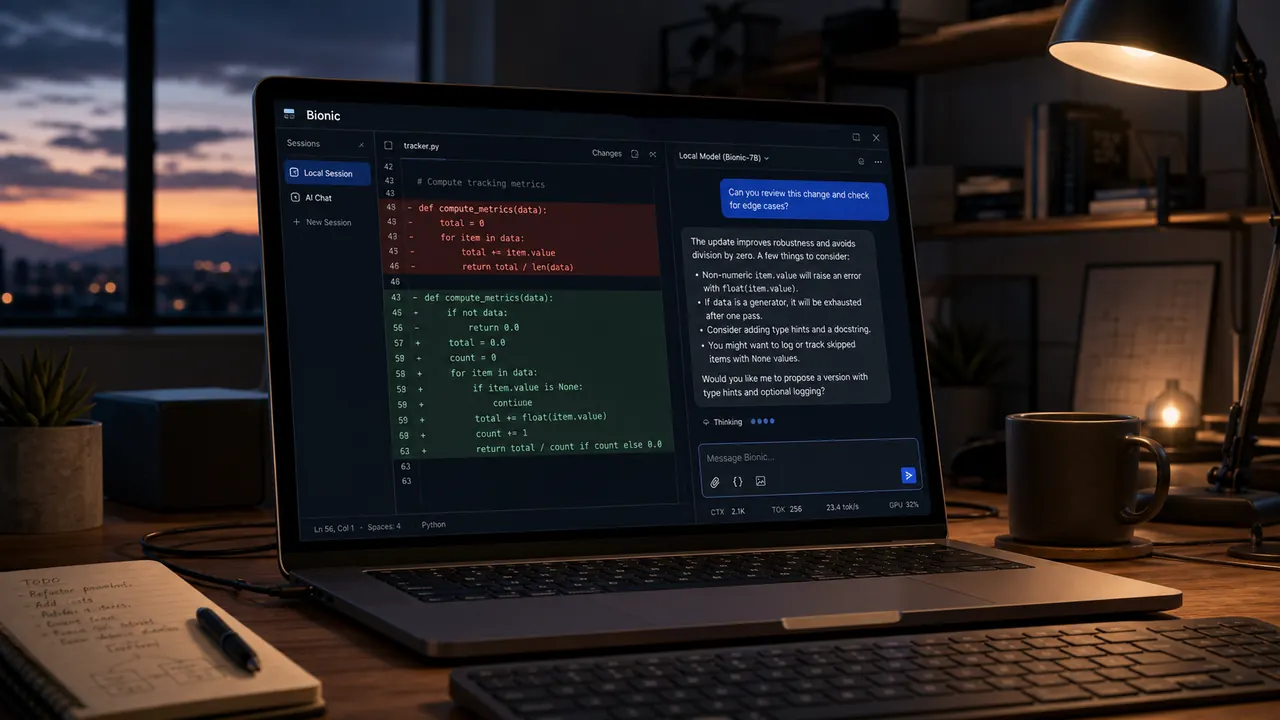
LM Studio has shipped Bionic, a new AI agent application purpose-built for working with open models on coding, research, and document tasks. Users can run everything locally or through LM Studio's cloud, with a zero-data-retention commitment either way, and offline voice transcription is powered by Mistral's Voxtral. Key developer features include inline diffs, code search, and flexible switching between local and cloud model execution — a direct pitch to anyone who wants frontier-tier capabilities without sending data to a third party.
Relevance 9/10Importance 7/10
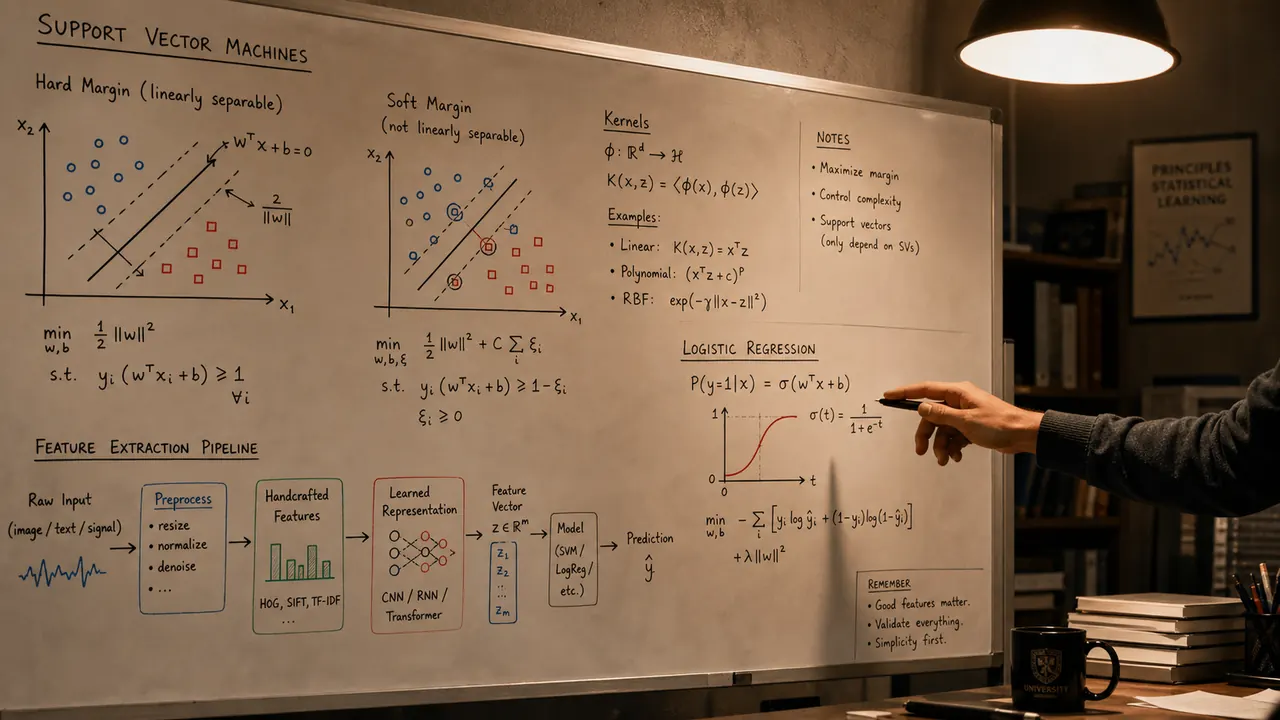
Rather than using another LLM to catch AI-generated text, this blog post argues for classical ML approaches — SVMs, logistic regression, and hand-crafted linguistic features — as more interpretable and harder to defeat with simple paraphrasing. The classical approach sidesteps the adversarial arms race plaguing neural-based detectors, which can be fooled by anyone who knows how they work. With 82 HN comments, this sparked a sharp community debate about whether simpler statistical signals remain reliable as model outputs grow increasingly polished.
Relevance 8/10Importance 6/10
Researchers gave Claude Fable 5 and GPT-5.6 Sol identical inputs — a song, a $100 budget, and a shared toolset — and let each model autonomously direct a music video from scratch. Claude produced slightly better visual coherence but spent more ($73.65 versus GPT's $39.82), while GPT experimented more creatively with different video models and editing approaches. The key finding was that neither model reviewed the quality of what it made — they generated and concatenated but never iterated, exposing a meaningful gap in AI creative self-evaluation.
Relevance 8/10Importance 6/10
Decoy Font is a downloadable TTF typeface that hides two different messages in the same text using spatial frequency layering — fine outlines display a decoy message up close, while a blurred background encodes the actual intended text. Advanced models including ChatGPT and Gemini consistently read the decoy rather than the real message, making this a practical, installable anti-AI obfuscation tool. It's clever enough to generate genuine security interest and is available to use right now in any standard design or writing application.
Relevance 7/10Importance 7/10
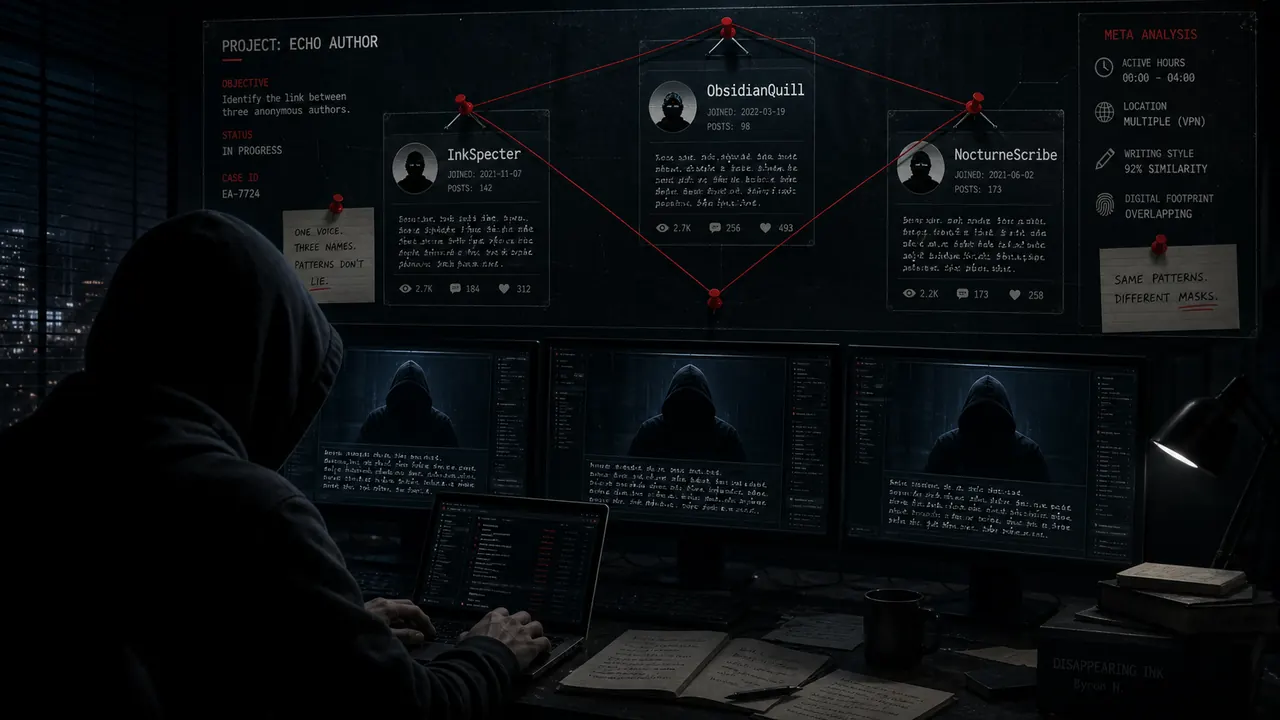
This Dynomight essay argues that writing style alone leaks approximately 106 bits of identifying information — far more than the 29 bits needed to distinguish any individual from the entire English-speaking internet. As ML-based stylometry improves, linking pseudonymous identities across platforms becomes trivial, and the author warns this will soon be routine, coining the term pseudpocalypse. If you write a meaningful volume of text under multiple names online, the math suggests someone — or some model — can already probably tie those identities together.
Relevance 3/10Importance 7/10
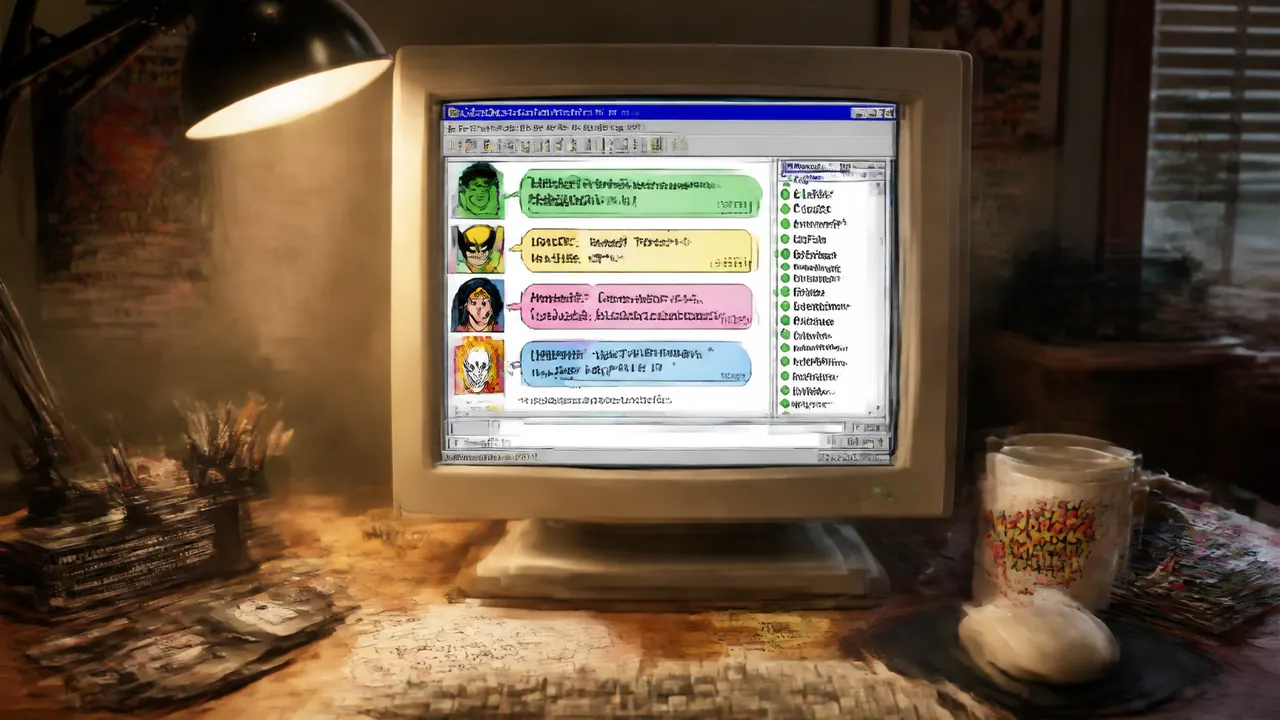
Microsoft has open-sourced Comic Chat, the 1990s IRC client that converted live conversations into comic strip panels and — accidentally — gave the world Comic Sans, a font designed specifically for its speech bubbles. The code is now on GitHub, open for community study, modification, or revival. It's more a tech-history preservation win than an industry shift, but the 400-point HN score reflects how much this peculiar corner of internet culture still resonates.
Relevance 3/10Importance 5/10
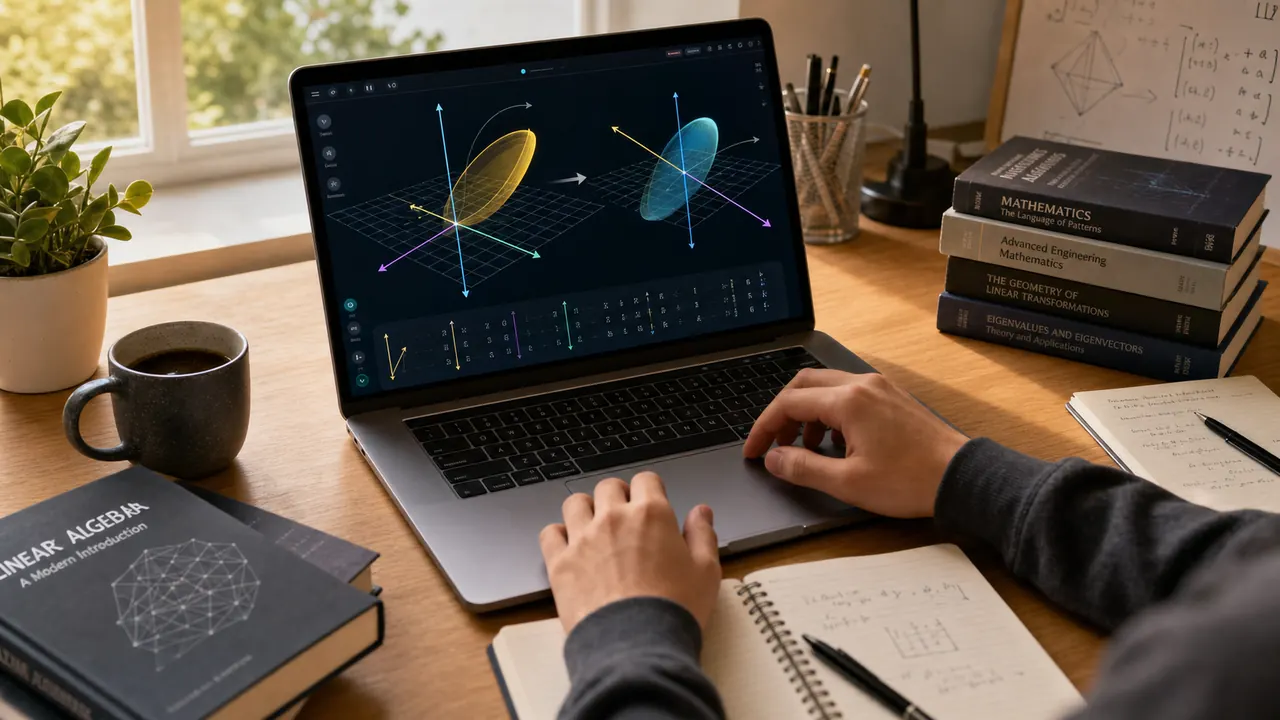
Immersive Linear Algebra is a free online textbook by Strom, Astrom, and Akenine-Moller that distinguishes itself as the world's first linear algebra book with fully interactive figures, letting readers directly manipulate vectors, matrices, and transformations in the browser. It covers foundational through advanced topics — vectors, dot and cross products, Gaussian elimination, matrices, determinants, rank, linear mappings, and eigenvalues — all with live, drag-to-explore visualizations. It resurfaces on HN regularly because it genuinely remains one of the best math education resources anywhere on the web.
Relevance 1/10Importance 6/10
Researchers publishing in Science have detected helium actively escaping from the atmosphere of a nearby rocky exoplanet located within its star's habitable zone. Atmospheric escape is a critical factor in determining whether planets can sustain surface conditions conducive to life over geological timescales, making this a significant observational data point. It ranks low on the AI and startup scale but represents a genuinely notable result in planetary science that HN surfaced anyway.

 HN Briefing PM