Relevance 9/10Importance 8/10
IO Fund's analysis reveals a deeply circular financial arrangement at the core of the AI infrastructure buildout: Nvidia invested $2 billion each into CoreWeave and Nebius, those companies used that capital to buy massive volumes of Nvidia GPUs, and Nvidia backstopped the whole thing with a $6.3 billion commitment to purchase CoreWeave's unsold capacity through 2032. The risk is that if neoclouds can't reach profitability or Nvidia withdraws its financial support, the GPU demand narrative unravels — with Nvidia potentially left holding billions in unneeded capacity it guaranteed to absorb.
Relevance 7/10Importance 5/10
G.W. Stewart's 1993 paper traces SVD's lineage from Beltrami's 1873 work through Sylvester, Schmidt, and Weyl — a mathematical technique that spent nearly a century as pure theory before computing made it practical. Today SVD underpins PCA, recommender systems, latent semantic analysis, and much of the matrix machinery inside modern transformer models, making its history an unexpectedly relevant read for anyone working in AI.
Relevance 4/10Importance 6/10
ClickHouse's Managed Postgres team fixed PgBouncer's fundamental constraint: it's single-threaded, so a 16-vCPU machine was running all connection pooling on one core while 15 sat idle. The solution was a fleet of PgBouncer processes sharing a port via the SO_REUSEPORT socket option, with inter-process peering to handle query cancellation edge cases — pushing throughput from 87,000 to 336,000 transactions per second on identical hardware.
Relevance 5/10Importance 4/10
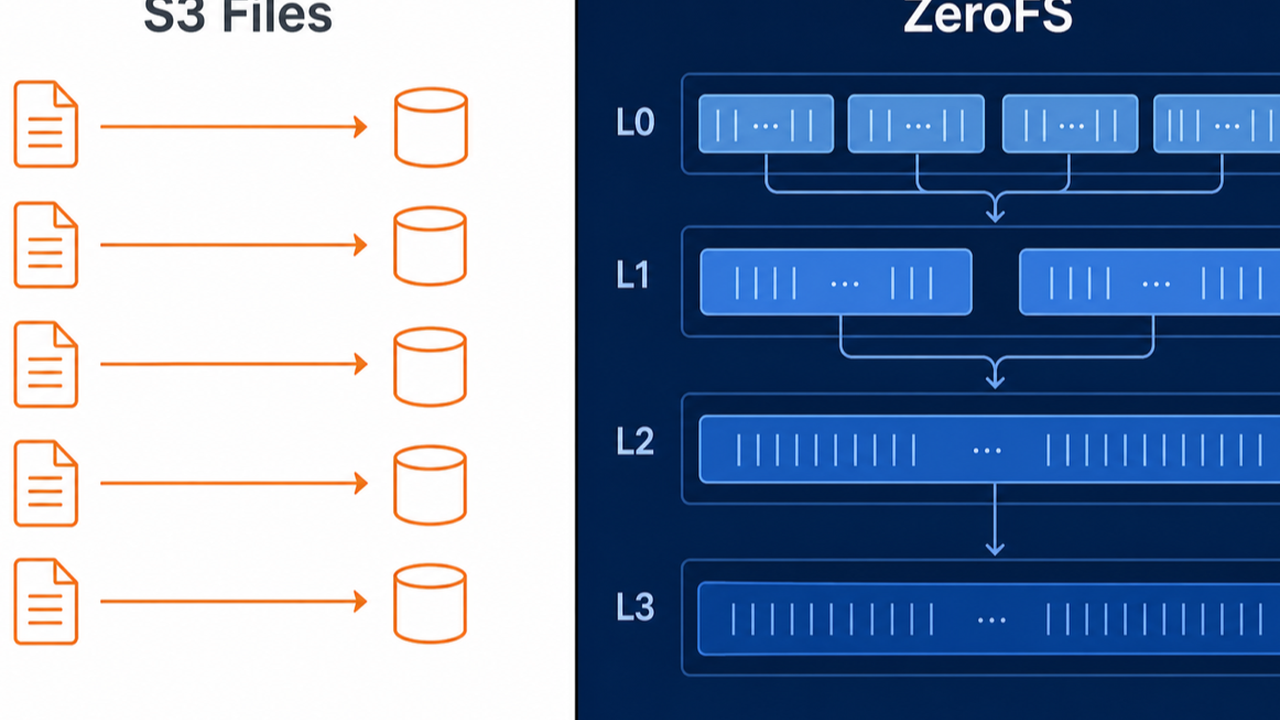
ZeroFS published a detailed architectural comparison against Amazon's S3 Files product, and the fundamental split is instructive: S3 Files keeps a one-to-one file-to-object mapping so your standard S3 tooling still works, while ZeroFS packs everything into compressed and encrypted LSM tree segments that are opaque to the S3 API but win on write-heavy and small-file workloads. Pricing follows the architecture: S3 Files adds high-performance storage charges at $0.30/GB-month; ZeroFS only charges for object storage and compute.
Relevance 4/10Importance 5/10
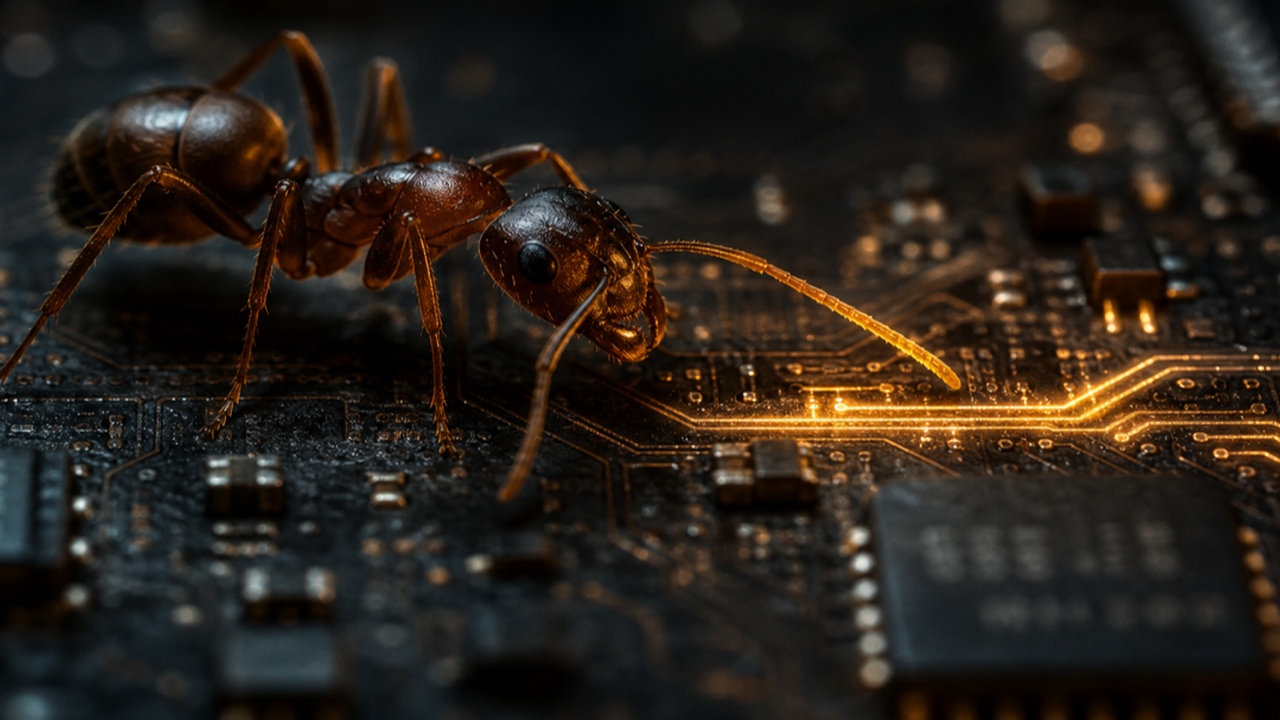
Ant is a from-scratch JavaScript runtime with its own engine that ships in a 9 MB binary — Node-compatible, Wasm-ready, 5ms cold start on M4 Pro — and has since expanded into a full ecosystem including a package manager, a hosting platform, a registry at ants.land, and a desktop app framework aimed at replacing Electron. It's an ambitious solo-developer project entering a crowded field, landing squarely in the runtime wars alongside Bun and Deno.
Relevance 4/10Importance 4/10
Orbit is a new iOS app that overlays satellite positions, planets, and constellations onto your live camera feed in AR, tracking over 15,000 objects sourced from CelesTrak — including the ISS, weather satellites, and orbital debris — with pass predictions, a 3D globe view, a browsable catalog, and a Gemini-powered AI chatbot for space questions. Notably, this is the developer's first published iOS app.
Relevance 3/10Importance 5/10
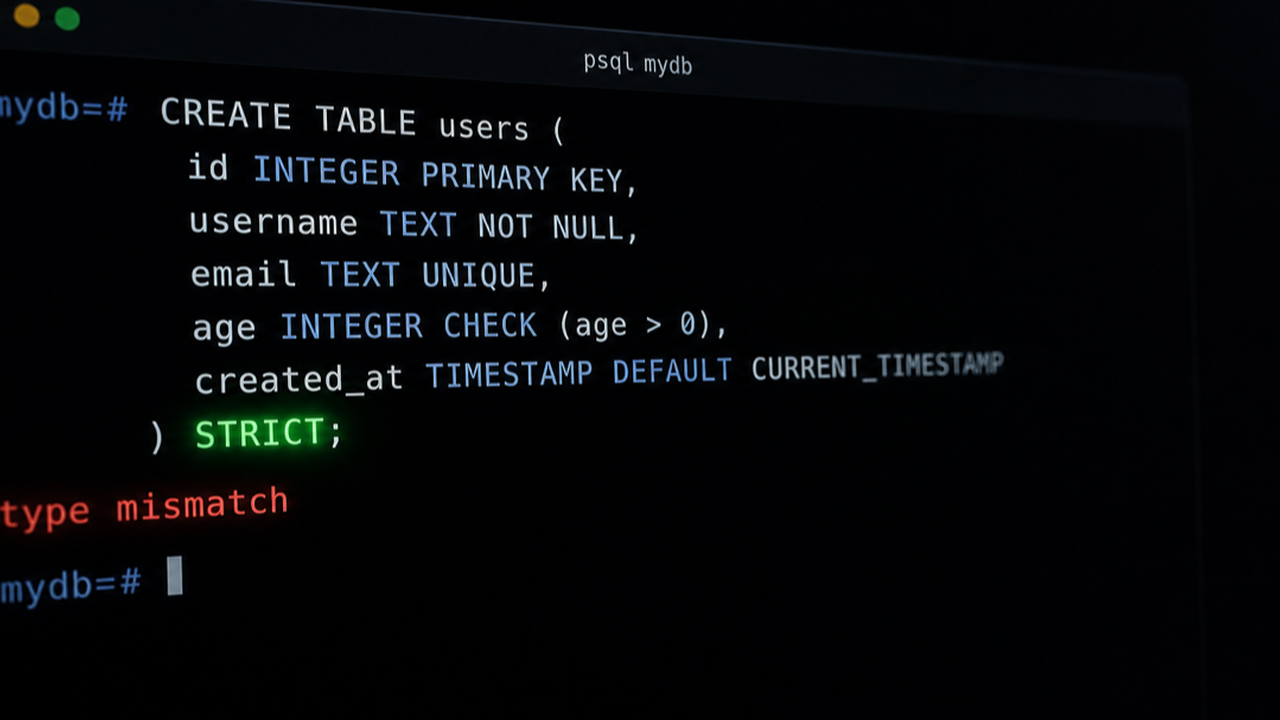
Evan Hahn makes a concise case for SQLite's STRICT table mode (available since version 3.37.0): it enforces type validation at insert time, rejecting attempts to store the wrong type rather than silently coercing or permitting it. The trade-off is losing backward compatibility with older SQLite versions, but for new projects the type safety prevents a whole class of silent data bugs.
Relevance 4/10Importance 3/10
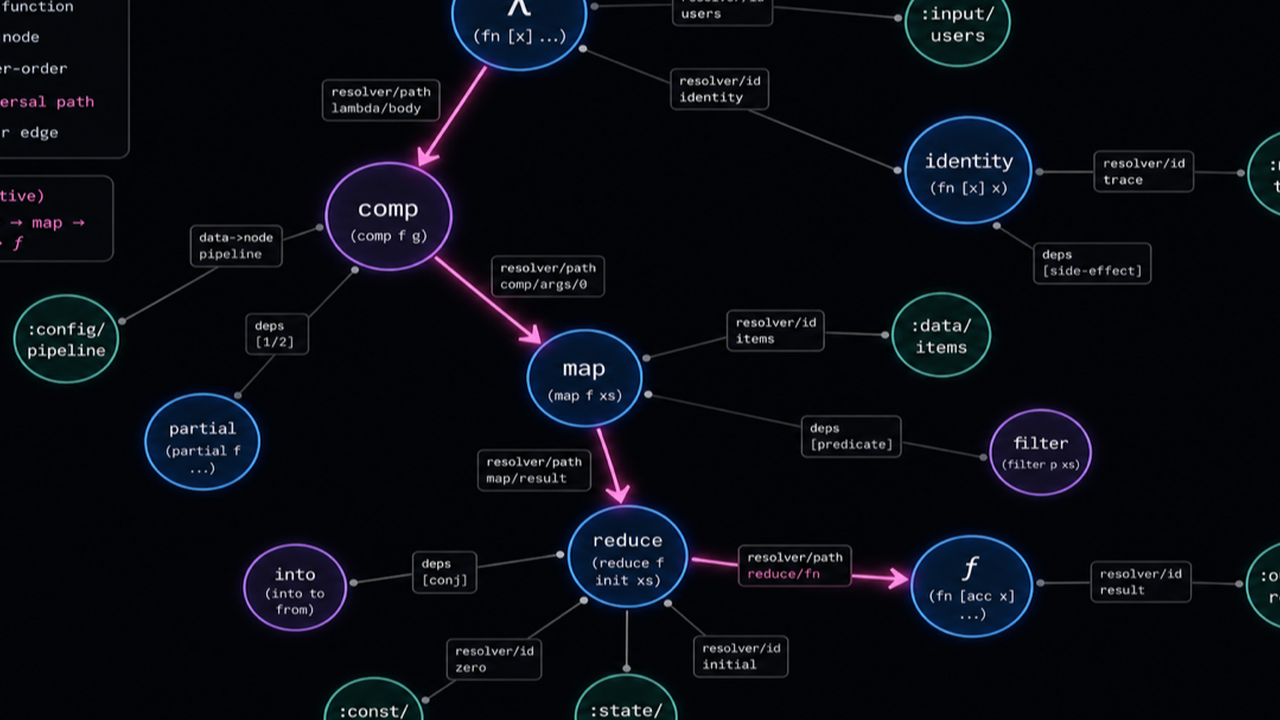
Biff.graph is a lightweight Clojure library (~600 lines) inspired by Pathom that lets you define application data access as a graph of resolvers — small, independent functions that declare their inputs and outputs — so application code can request any shape of data without knowing how it's assembled or where it comes from. The separation of concerns makes large Clojure codebases more testable and maintainable without pulling in a heavy framework.
Relevance 2/10Importance 5/10
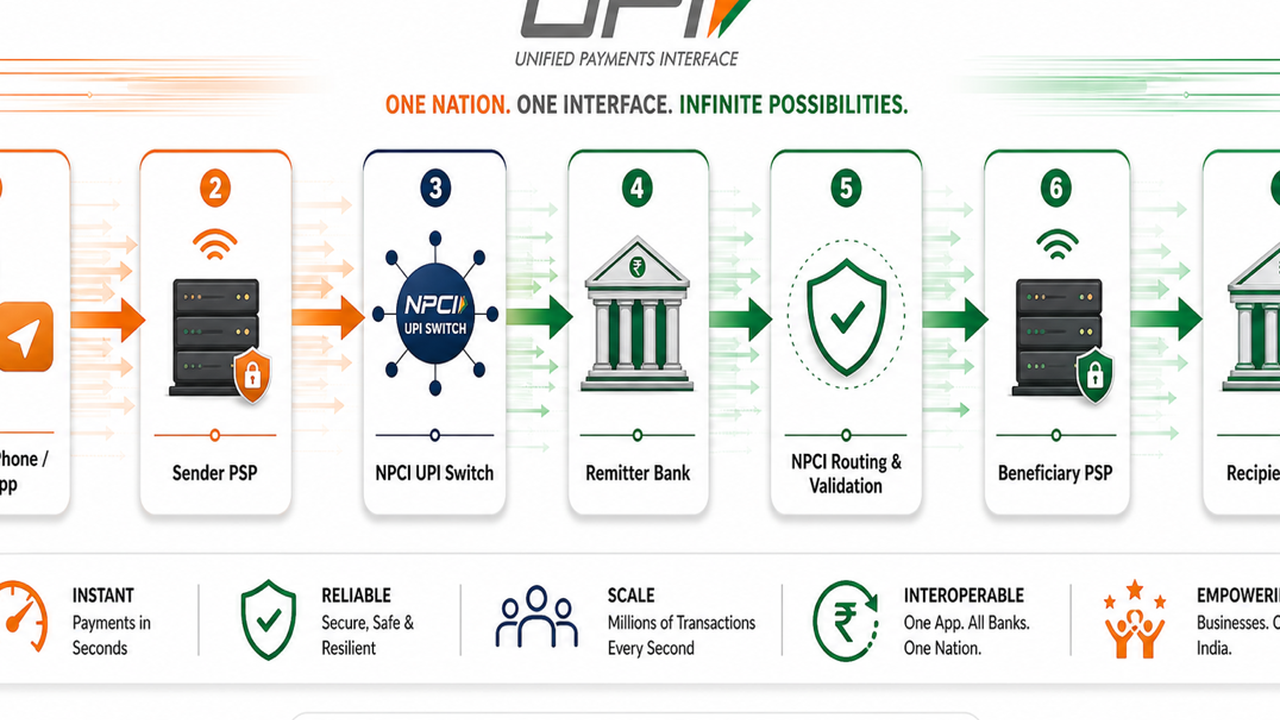
A thorough technical breakdown of India's Unified Payments Interface — which processed over 22.72 billion transactions in June 2026 alone, making it the world's largest real-time payment system. The article traces a payment through all seven parties in the chain and highlights a key security detail: your PIN is encrypted on your device and can only be decrypted by your own bank, with system-level failure rates now below 1 in 400 transactions.
Relevance 1/10Importance 6/10
Kelsey Pfendler, a 32-year-old Grand Canyon river guide, rowed solo 2,400 miles from Monterey, California to Oahu, Hawaii in 43 days, 17 hours, and 55 minutes — arriving July 3, 2026. She became the first American woman and the fastest person ever to complete the crossing, more than halving the previous world record of 86 days set by Lia Ditton.

 HN Briefing PM