Relevance 10/10Importance 9/10
PrismML released Bonsai 27B, a compressed multimodal model available in ternary (5.9GB, 95% performance retained) and 1-bit (3.9GB, 90% retained) variants — the first 27B-class model capable of running entirely on a smartphone. It delivers 0.53 intelligence density per GB, over 10x better than full-precision alternatives, while supporting a 262K-token context window, tool-calling, and multimodal input on devices like the iPhone 17 Pro. This enables fully on-device agentic workflows with no cloud dependency, eliminating per-token costs and preserving user privacy.
Relevance 9/10Importance 9/10
Mindgard researchers found a critical zero-day in Cursor, the AI code editor used by over 7 million developers: placing a malicious git.exe binary in a project's root directory causes Cursor to execute it silently with zero user interaction required. After seven months of attempted vendor coordination — ending with the vendor going completely dark — Mindgard went public to protect users. The ease of exploitation makes this a real supply chain threat for any team pulling shared repositories.
Relevance 9/10Importance 8/10
Flask creator Armin Ronacher argues that AI agents, while boosting individual developer productivity, may paradoxically doom large software projects by eliminating the friction that once forced teams to coordinate and maintain shared architectural understanding. Without that common language, codebases can keep growing in bulk while quietly losing the coherence needed for long-term maintainability — and unlike the Tower of Babel, there's no dramatic collapse to signal the problem. It's a sharp counterpoint to the relentless "AI makes devs 10x more productive" narrative.
Relevance 9/10Importance 7/10
Gwern's sprawling essay proposes "Guardian Angels" — LLMs trained deeply on individual users' data, values, and writing style rather than tuned for generic helpfulness. Unlike standard chatbots, a GA would use active learning and continuous user feedback to genuinely represent your preferences, enabling increasingly autonomous work with trustworthy, context-aware judgment. The core argument is that aligning AI to a specific individual is both more achievable and more practically useful than aligning to humanity at large.
Relevance 8/10Importance 8/10
The essay explores a growing pattern where people aren't just asking AI to do tedious tasks — they're delegating actual thinking, decision-making, and even self-reflection. Through examples ranging from Ken Liu's fiction to a real case of someone letting AI analyze their conversations instead of reflecting themselves, the author asks whether this is freeing us for higher-order work or gradually hollowing out our capacity for independent thought. The tension between automation and cognitive atrophy doesn't resolve cleanly, and that's kind of the point.
Relevance 8/10Importance 7/10
Thoughtworks argues that the assumption that open source is "free" infrastructure was always a fiction — and AI-generated code has made the crisis dramatically worse, flooding repositories with low-quality contributions and pushing unpaid maintainers into full-time review roles. Permissive licensing models have enabled corporations to extract enormous value from volunteer labor without reciprocal investment, creating an extraction economy that AI tooling is now accelerating. The authors call for formal funding mechanisms and active organizational ownership rather than passive consumption.
Relevance 7/10Importance 5/10
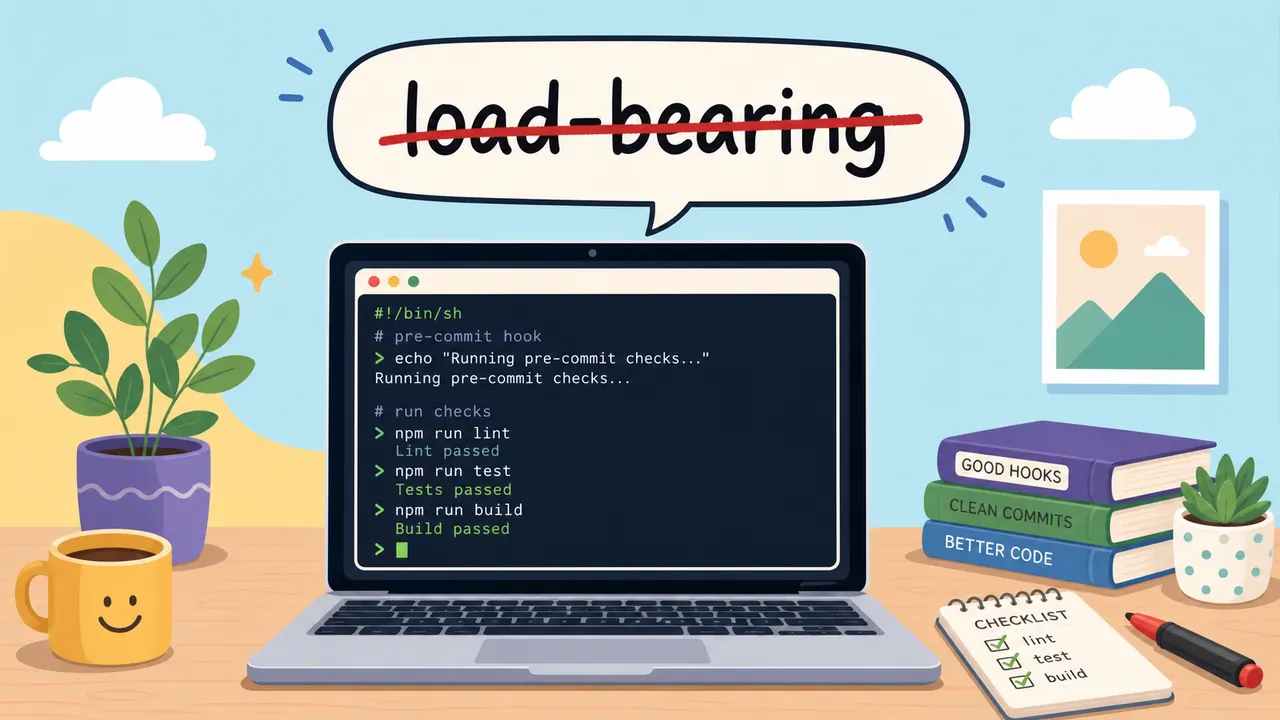
Claude — especially Claude Code — has developed identifiable verbal tics, repeatedly reaching for phrases like "load-bearing" and "honest takes" regardless of context. The author's fix is a hook script that intercepts Claude's output in real time and swaps out the offending phrases with user-configured alternatives, tunable from more professional to purely comedic. It's a small but satisfying hack that speaks to a broader frustration: AI assistants have stylistic fingerprints that can erode the sense of genuine intelligent response.
Relevance 4/10Importance 6/10
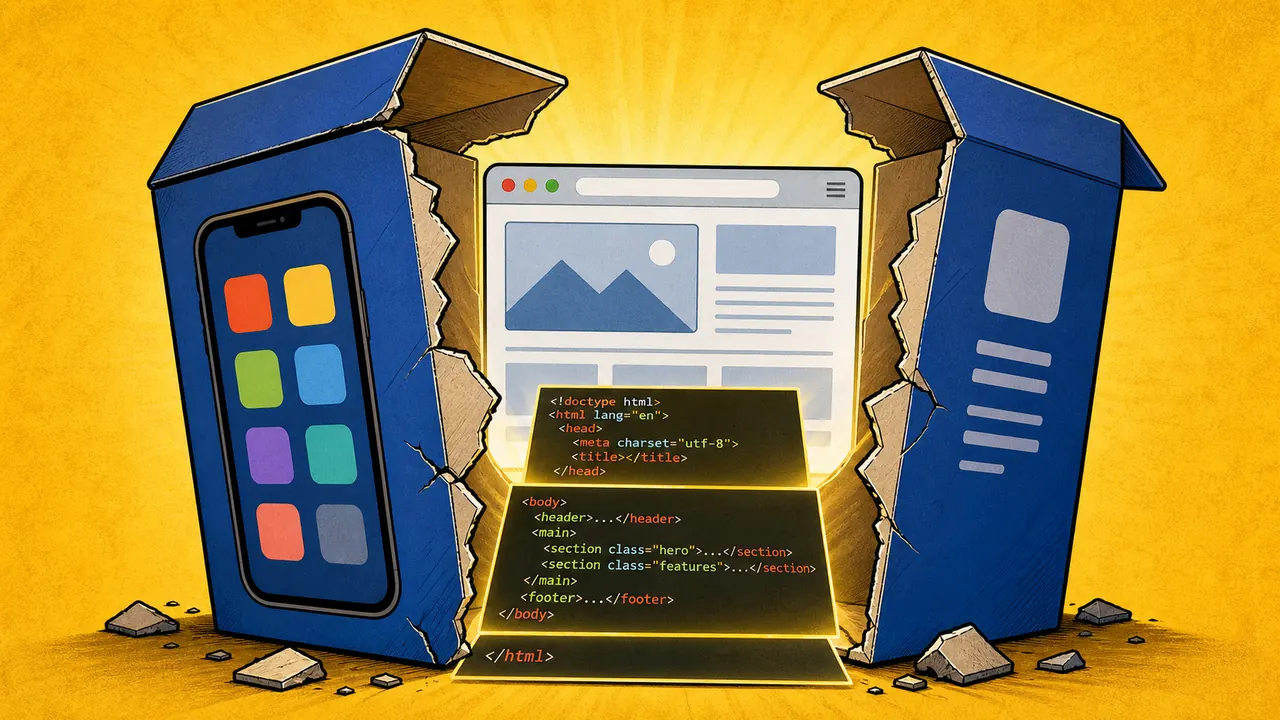
Dan Q was forced to install a travel app to access tour information, so he reverse-engineered its network traffic using Android emulation and discovered the entire app was just HTML content served through a thin native wrapper around a basic JSON API. He rebuilt it as a lightweight webpage that's faster, searchable, printable, and free of tracking and ads. The piece is a pointed critique of the app economy's habit of encasing web content in native shells primarily for corporate data collection.
Relevance 2/10Importance 5/10
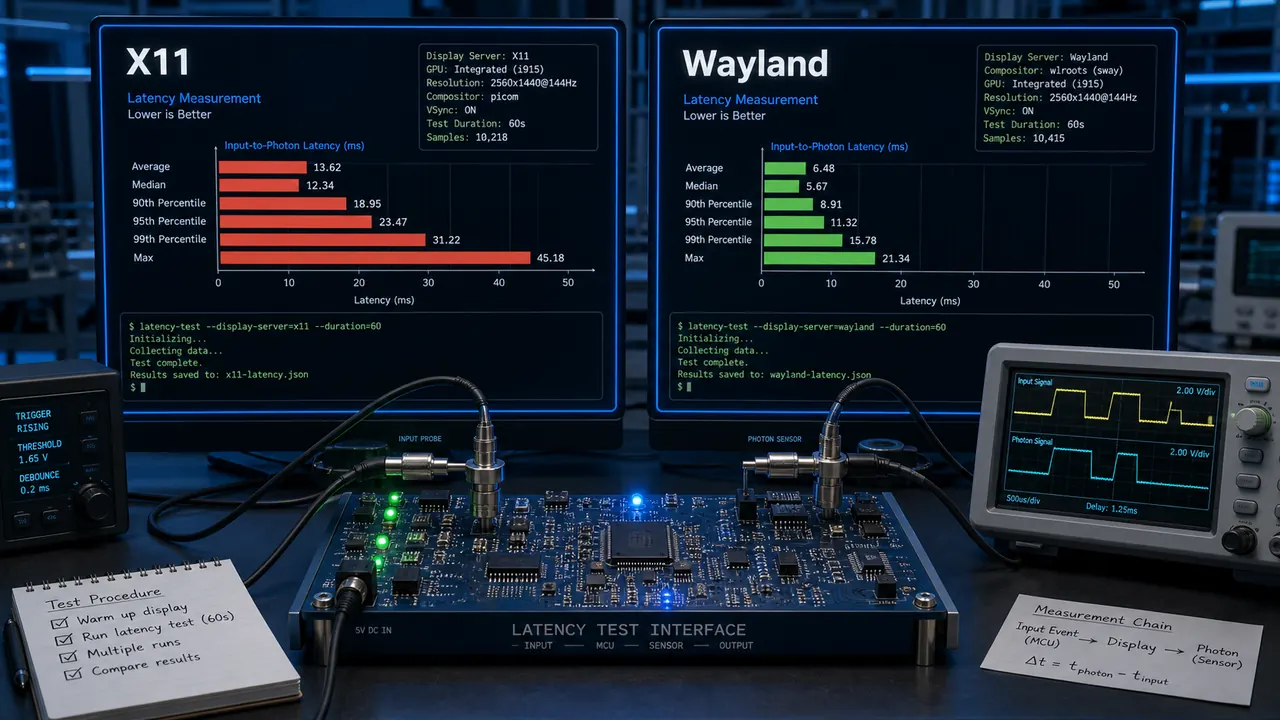
Marco Nett built custom hardware to measure real end-to-end input latency across Linux display configurations and found the native X11 vs. Wayland gap is nearly negligible at 0.14–0.22ms — but XWayland adds a significant 3.13ms penalty that dwarfs every other factor measured. VRR delivered the most consistent improvements across configurations, and the DXVK low-latency fork showed meaningful gains in uncapped scenarios. The headline takeaway: the X11/Wayland holy war is mostly a distraction compared to the rendering stack choices underneath.
Relevance 2/10Importance 3/10
The 2b2t.place project is making available what it describes as the largest accessible Minecraft world archive at 15 terabytes, drawn from the infamous 2b2t anarchy server running continuously since 2010. With no rules and millions of players over 16 years, the resulting landscape spans an almost incomprehensible area of player-built and player-destroyed terrain. It's a remarkable feat of digital preservation for what is arguably the most historically significant persistent online game world ever created.

 HN Briefing PM