IBM dropped as much as 23% in premarket trading after releasing a preliminary Q2 warning: adjusted EPS of $2.93 versus the $3.01 expected, and revenue of $17.2 billion versus $17.86 billion. CEO Arvind Krishna blamed a late-quarter client spending shift toward servers and memory hardware, which pulled dollars out of IBM's software and infrastructure segments — plus several large deals that simply didn't close on schedule. Full Q2 results and an updated outlook are due July 22.
SK Hynix's ADRs dropped 9.3% on Monday, their second day of U.S. trading, after South Korean shares plunged 15.4% — the stock's worst single-day decline on record. The memory chipmaker raised $26.5 billion in its Nasdaq listing last week and jumped 13% on debut, but a brokerage note questioning Q2 profit estimates triggered a rapid reversal. The selloff dragged Micron, Seagate, and other memory-adjacent names lower and rattled the broader semiconductor sector.
TSMC posted June 2026 revenue of NT$442.68 billion — up 67.9% year-over-year and approximately $13.8 billion USD — breaking a four-year seasonal June decline pattern as AI chip demand overrides traditional consumer cycles. First-half 2026 revenue totaled roughly $75 billion, up 35.6%. The company reports full Q2 results July 16, with Wall Street expecting EPS of $3.81 (vs. $2.47 a year ago) and revenue near $40 billion.
According to an internal memo reviewed by Reuters, Meta plans to launch production of its next-generation in-house AI chip, code-named "Iris," in September. Co-designed with Broadcom and manufactured by TSMC, Iris is part of Meta's plan to scale compute capacity from 7 gigawatts in 2026 to 14 gigawatts by 2027. The company has raised its 2026 capital expenditure forecast to $125–$145 billion to support the buildout, with shares up roughly 22% over the prior 10 trading sessions.
Apple announced its largest-ever American Manufacturing Program commitment — more than $30 billion to Broadcom through 2031 — covering custom silicon and wireless connectivity chips, with production of over 15 billion U.S.-made components expected. The agreement also supports a $1.5 billion expansion of Broadcom's Fort Collins, Colorado facility. Broadcom shares surged approximately 5% on the news, though the stock remains more than 20% below its early-June all-time high.
Anthropic filed confidentially for an IPO on June 1 at a $965 billion valuation, backed by a reported $47 billion annual revenue run rate driven heavily by Claude Code adoption. OpenAI followed on June 8 at an $852 billion valuation, but is now reportedly weighing a 2027 delay after watching SpaceX's rocky post-debut swing from above $225 to around $153. Neither company is publicly traded; both remain IPO-watch items only.
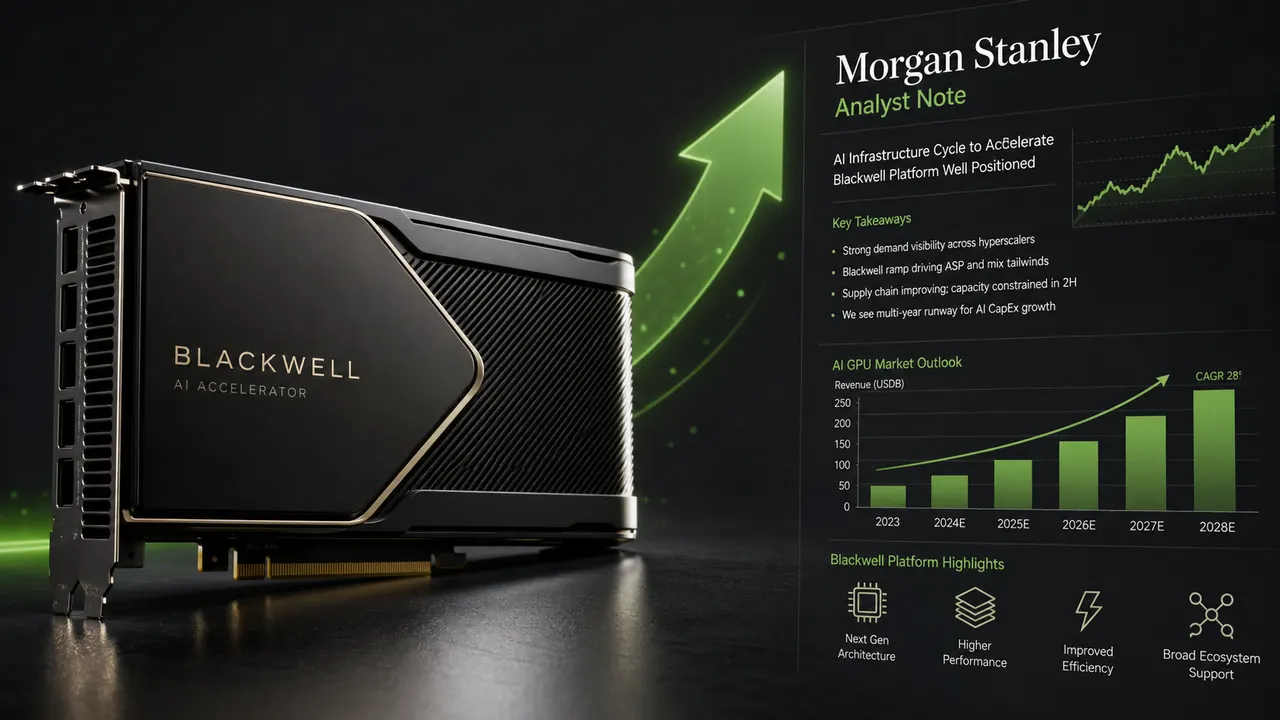
Morgan Stanley analyst Joseph Moore reiterated Overweight on Nvidia on July 10 with a $288 price target, implying roughly 43% upside from the current price near $202. Morningstar separately pegs Nvidia as 31% undervalued against its $280 fair value estimate. Nvidia's Q1 FY2027 Data Center revenue hit $75.2 billion — up 92% year-over-year — with Data Center Networking alone surging 199%, keeping the fundamental bull case intact even as the stock has pulled back.
Scotiabank upgraded Cloudflare to Sector Outperform on July 7 and raised its price target to $300 from $225, representing roughly 20% upside from the prior close. Analyst Patrick Colville argued that Cloudflare's traffic trends, which historically lead revenue by about three quarters, are inflecting sharply on agentic AI demand. The firm's Workers developer platform is reportedly becoming the default infrastructure layer for AI-generated applications, with a potential 5-percentage-point beat-and-raise in the second half.
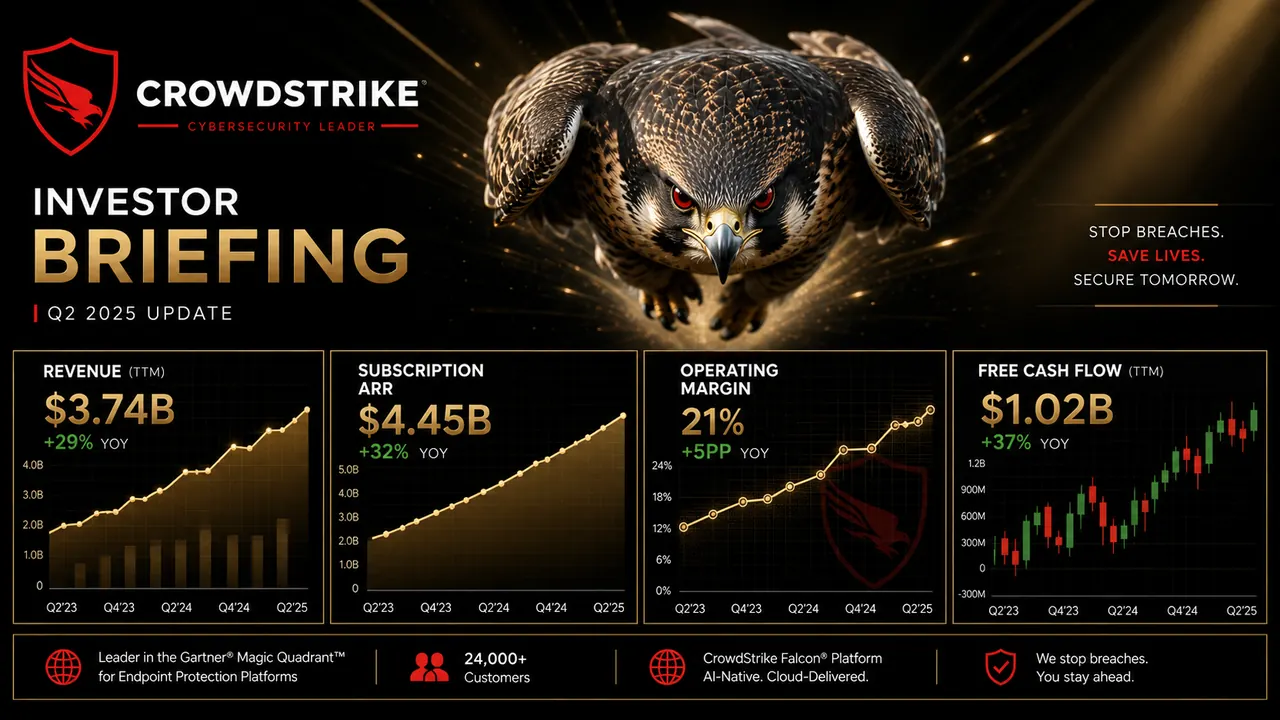
CrowdStrike announced a 4-for-1 stock split alongside record new annual recurring revenue and raised full-year guidance. Charlotte AI adoption jumped 85% in Q2 2026, with the company reporting that its AI Detection and Response platform has cut cybersecurity investigation times from four days down to one hour. Shares trade near $436 pre-split, reflecting continued premium valuation for AI-native security platforms.
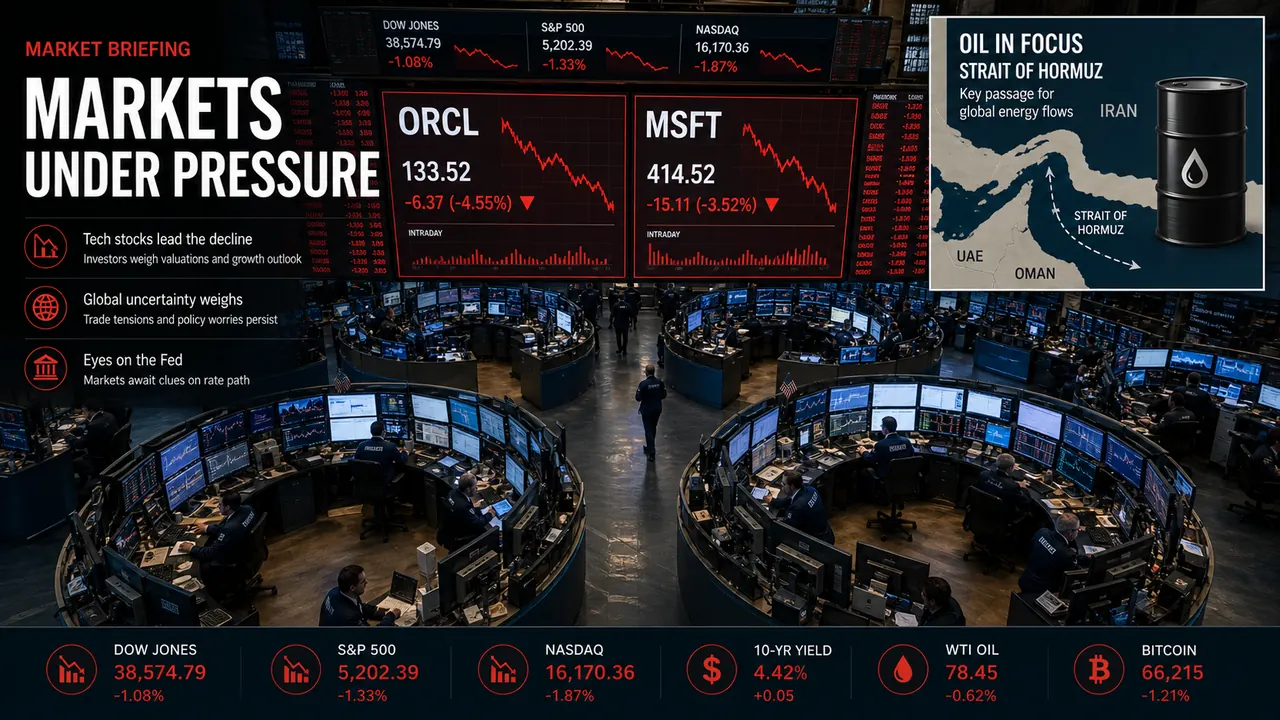
Oracle fell 3.63% on Monday and is approaching 52-week lows, pressured by a projected $42 billion free cash flow deficit and heavy reliance on OpenAI cloud contracts. Microsoft slipped roughly 3% in premarket Tuesday as President Trump announced plans to reinstate a blockade on Iranian vessels in the Strait of Hormuz, lifting oil prices and hitting growth stocks broadly. The Nasdaq fell 1.55% on Monday and futures pointed lower again heading into Tuesday's open.

 AI Stocks