Apple announced a multiyear chip supply agreement with Broadcom on July 8 valued at more than $30 billion, covering custom AI silicon, FBAR radio frequency filters, and wireless connectivity components across multiple device generations through 2031 — Apple's single largest commitment under its American Manufacturing Program. Broadcom will invest $1.5 billion to expand its Fort Collins, Colorado manufacturing facility as part of the deal. AVGO shares rose 3.2%, closing at $401.11, against a Street consensus price target of $523.73.
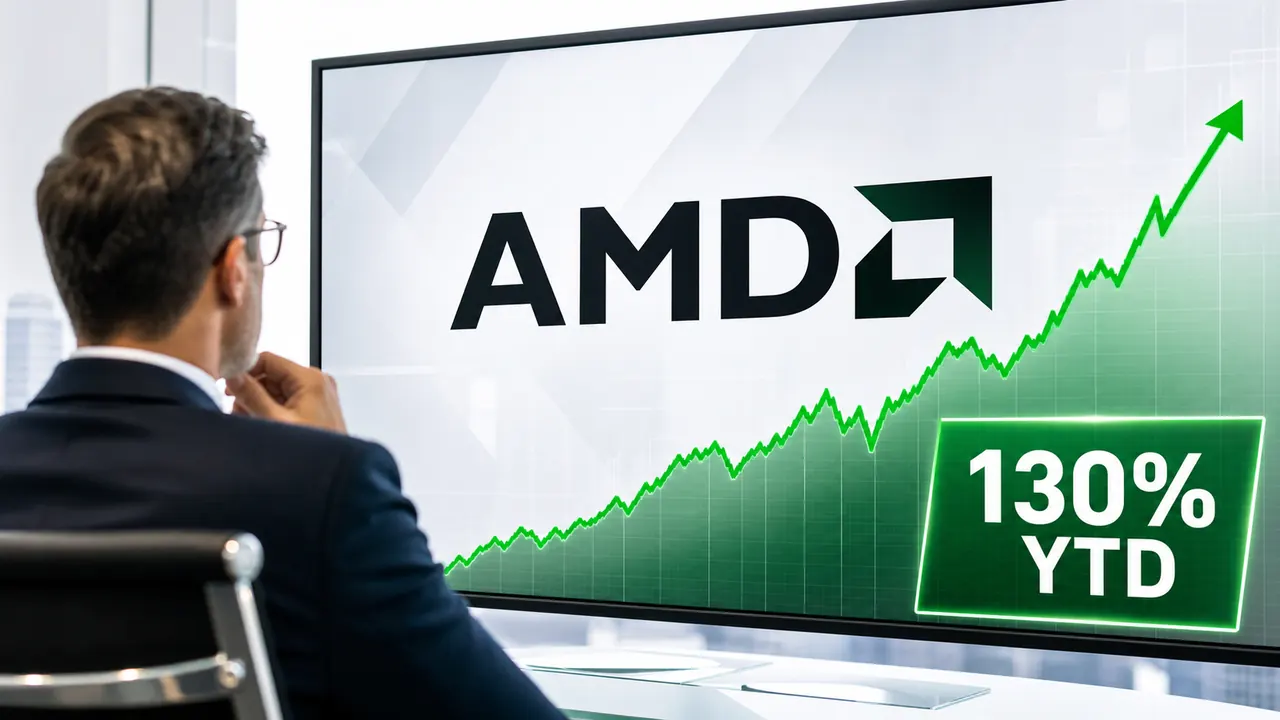
Goldman Sachs analyst James Schneider raised his AMD price target from $450 to $640 on July 5, maintaining Buy, citing a structural shift in agentic AI workloads from GPU-based "thinking" tasks to CPU-driven "doing" tasks — a tailwind squarely in AMD's EPYC wheelhouse. AMD has surged more than 130% year-to-date, making it the standout semiconductor performer of 2026; Microsoft, Meta, and Oracle are among hyperscalers deploying its Instinct MI300 accelerators. Q2 earnings are scheduled for August 4.
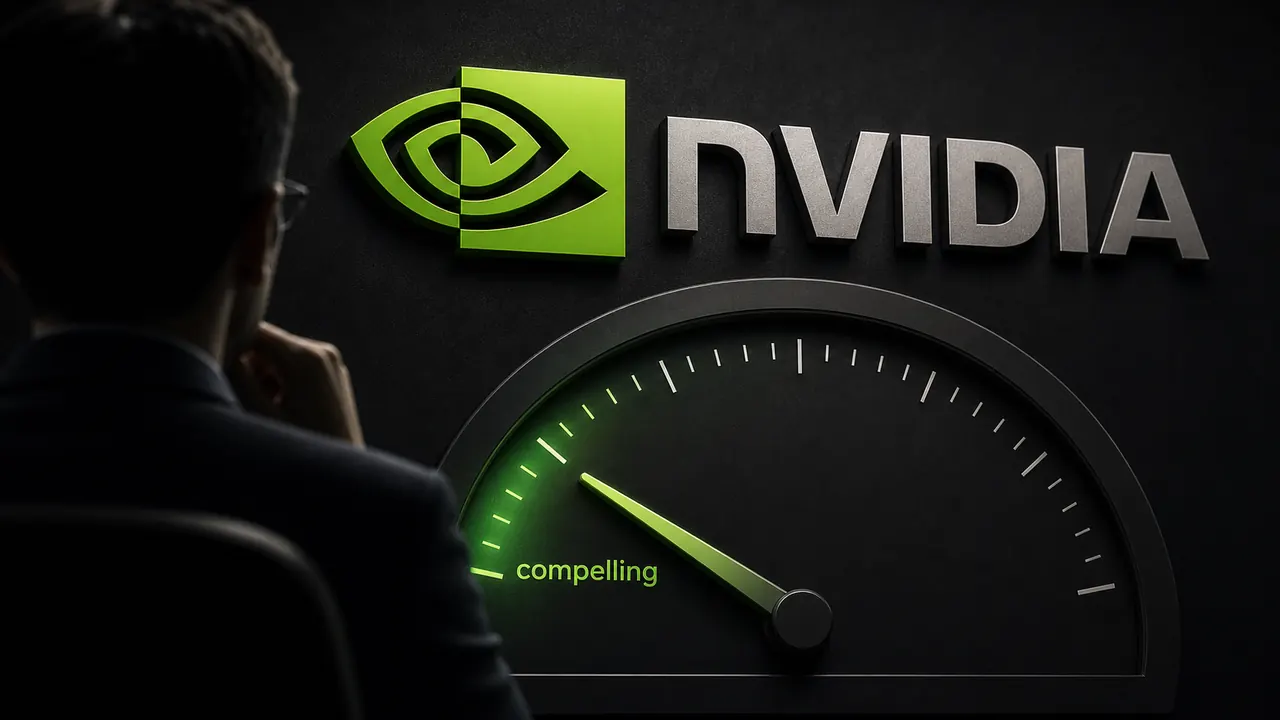
Reports emerged last week that Nvidia's next-generation Kyber NVL144 AI platform had been pushed back to 2028 — Nvidia promptly denied them, reaffirming the product remains on schedule. Goldman Sachs followed with a Buy reaffirmation and $285 price target, noting Nvidia trades at just 21.7 times forward earnings, near the S&P 500 average and well below its own five-year mean of 72x. The stock sits around $208 against a consensus target of roughly $301, even as data center revenue surged 92% year-over-year to $75.2 billion in Q1 fiscal 2027.
Meta Platforms is targeting 7 gigawatts of AI compute capacity by year-end — doubling to 14 gigawatts in 2027 — with total 2026 capex guided at $125 to $145 billion, up from $72.2 billion in 2025. Bloomberg reported Meta is simultaneously building "Meta Compute," a cloud business to sell excess AI capacity to enterprise clients. The company has already locked in AMD for up to 6 gigawatts of Instinct GPUs, CoreWeave for $21 billion through 2032, and Nebius for $12 billion in dedicated capacity; Meta's market cap added roughly $221 billion in a single week on the AI cloud bet.
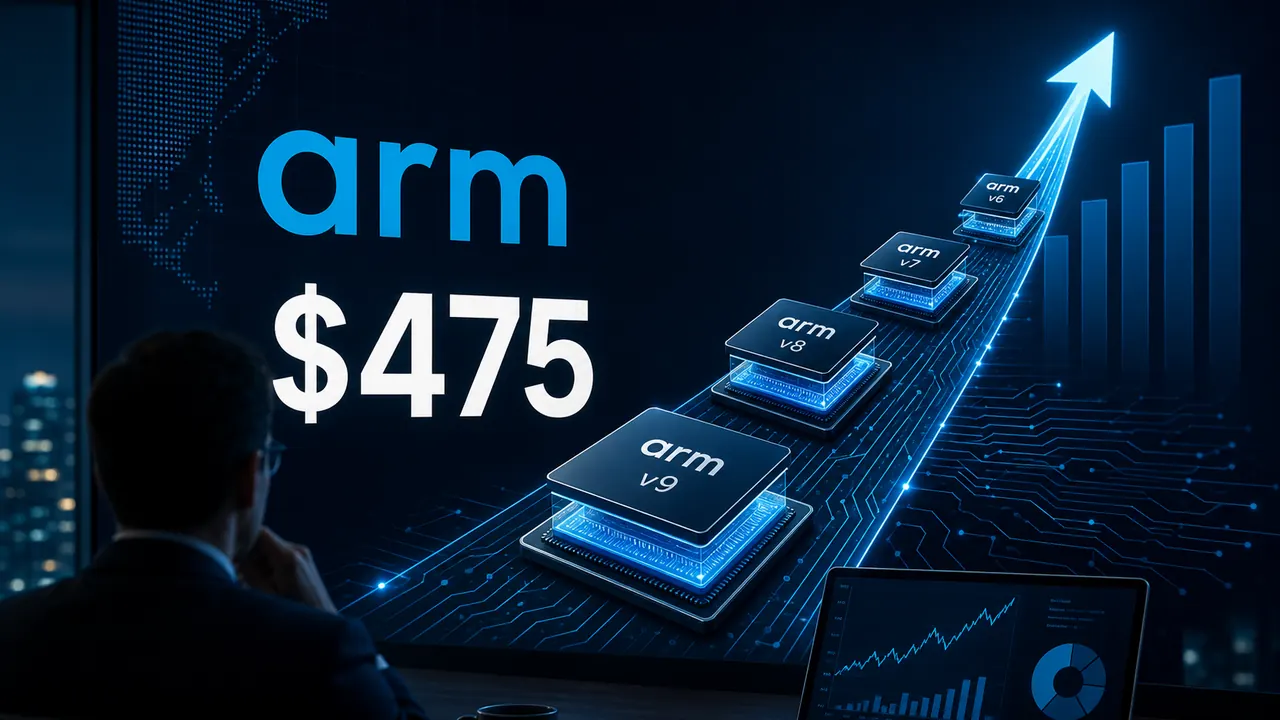
TD Cowen raised its Arm Holdings price target from $265 to $475 — an 80% jump — and UBS lifted to $470, both maintaining Buy ratings. Both firms cited the same agentic AI thesis driving AMD's surge: as AI shifts workloads to CPU-intensive "doing" tasks, ARM's architecture sits at the center of nearly every relevant processor. The dual upgrade day sent ARM shares jumping 9.2% and pulled the SOXX ETF up 3.5%. Earnings are due July 29, making this a near-term catalyst to watch.
Palantir and Nvidia formalized a sovereign AI partnership on July 1, pairing Palantir's AIP and Foundry platforms with Nvidia's Nemotron models for government and critical infrastructure deployments worldwide. DA Davidson upgraded PLTR to Buy with a $175 price target, and the stock added roughly 14% over the following week — closing around $125 on July 1 after a single-day gain of 7.8% that added $21.7 billion in market cap. Despite the surge, Palantir remains down approximately 25% year-to-date even as it reported its fastest-ever revenue growth and raised guidance twice.
Anthropic filed a confidential IPO registration statement in early June at a roughly $965 billion valuation — projecting profitability two years ahead of OpenAI — and OpenAI filed shortly after at an estimated $852 billion valuation. A new NVCA-PitchBook Venture Monitor report this week found that these two companies plus SpaceX, which already completed its IPO at $1.77 trillion, together represent more value than every U.S. venture-backed exit since 2000, including the Google, Tesla, and Meta IPOs. Both Anthropic and OpenAI are targeting Q4 2026 public debuts. Neither is publicly traded.
Super Micro Computer jumped 7.31%, closing at $28.17, after unveiling a new lineup of Kubernetes-based Edge AI appliances designed for on-premise AI inference workloads. GF Securities simultaneously issued a Buy rating with a $48 price target, citing SMCI's AI server expansion momentum. The stock remains well below its 2024 highs but the combination of a product catalyst and a fresh institutional upgrade is drawing renewed attention.
Tesla is trading around $407.76, up 3.6% over the past week, with the July 22 earnings call fast approaching. Analysts are zeroing in on three variables: whether automotive gross margins have bottomed, the timeline and production ramp for the Cybercab robotaxi, and whether the company's $25 billion capex commitment is compressing or building future free cash flow.
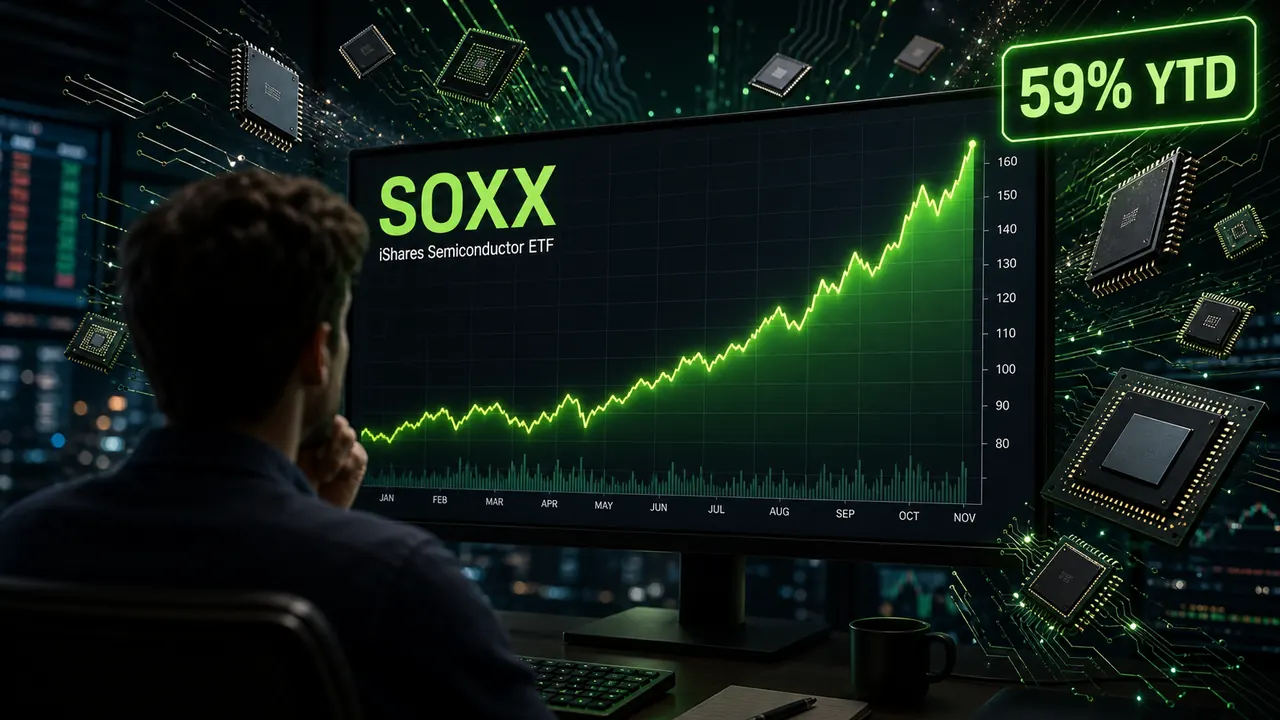
The SOXX semiconductor ETF is up 59% year-to-date, dramatically outpacing Nvidia's roughly 5% gain despite Nvidia's superior fundamentals. On July 9, a coordinated wave of Wall Street upgrades across AMD, ARM, and broader chip names sent SOXX up 3.5% in a single session and pushed the Nasdaq Composite to 26,206.89. The consistent analyst message: the AI capital expenditure super-cycle retains momentum through the second half of 2026.

 AI Stocks