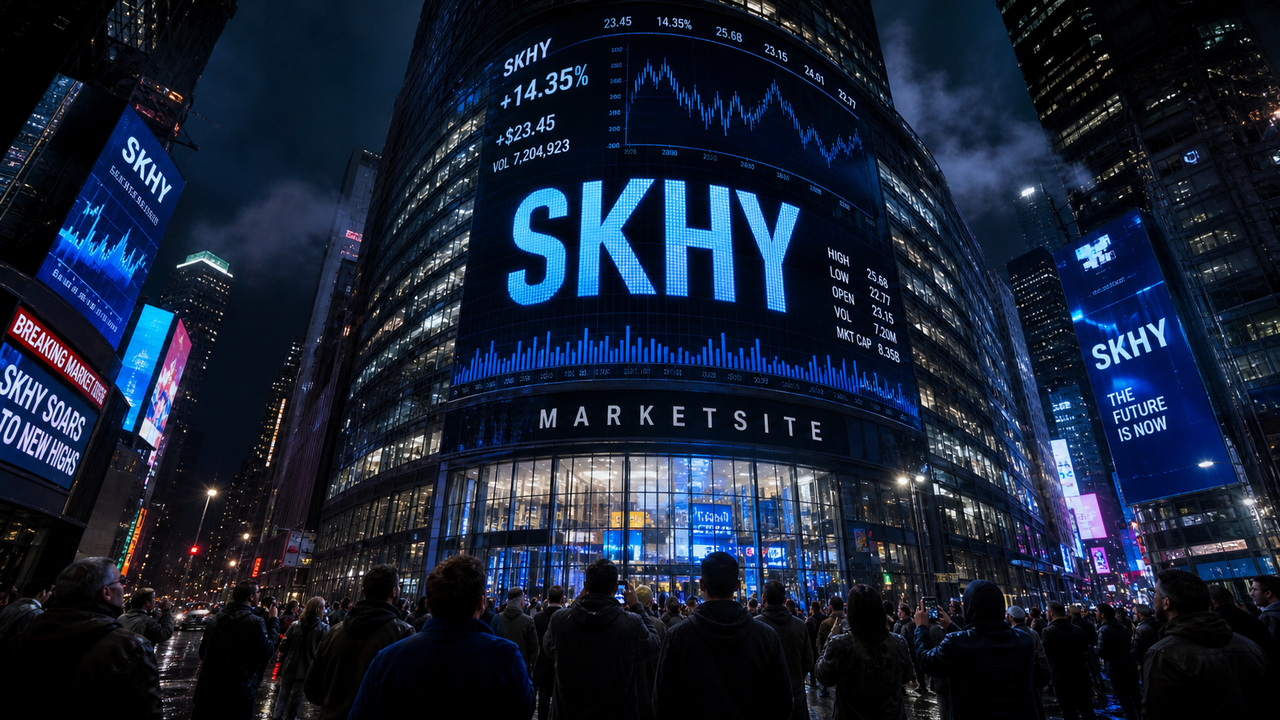
South Korea's SK Hynix — the company that controls roughly 60% of global high-bandwidth memory supply — is set to debut on the Nasdaq tomorrow under ticker SKHY in a $28-29 billion ADR offering that would break Alibaba's 2014 record as the largest such listing ever. Two leveraged ETFs (SKUU and SKDD) are expected to follow on July 13. With HBM demand tied directly to Nvidia GPU shipments, the listing immediately enters the conversation for every AI semiconductor investor holding Micron or Broadcom.
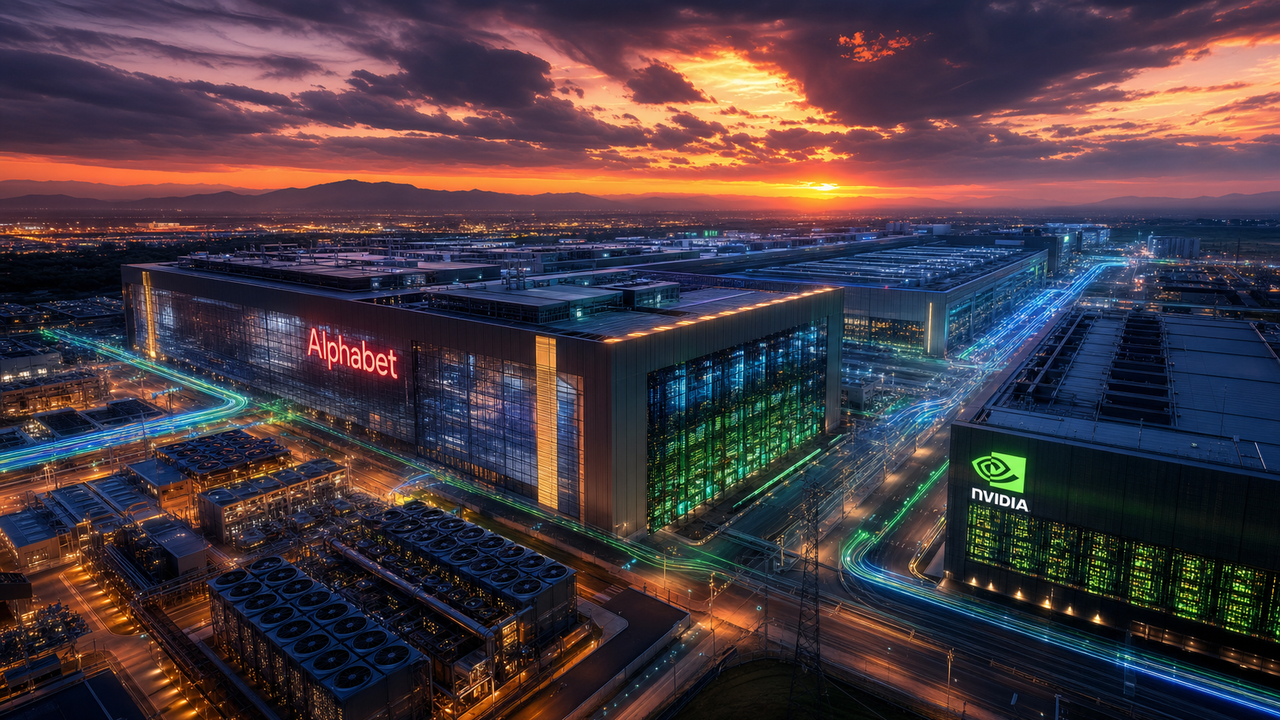
Alphabet announced an $80 billion equity capital raise earmarked for AI infrastructure, with CEO Sundar Pichai explicitly naming Nvidia GPUs as "a core part" of the company's AI accelerator portfolio. Nvidia's CFO has projected global AI infrastructure spending could reach $3-4 trillion by decade's end, up from an estimated $318 billion last year. Analysts note the commitment is likely to force similar scale-ups from Microsoft and Amazon, broadening the demand runway for AI chips.
Micron posted fiscal Q3 2026 revenue of $41.46 billion — up 346% year-over-year — with gross margins surging to 84.9% and GAAP net income hitting $28.24 billion. HBM demand is locked in under binding contracts through 2027, with data center revenue now comprising over 56% of total sales. Despite the historic numbers, the stock sold off more than 10% post-earnings as investors weigh tomorrow's SK Hynix debut and its implications for HBM pricing dynamics.
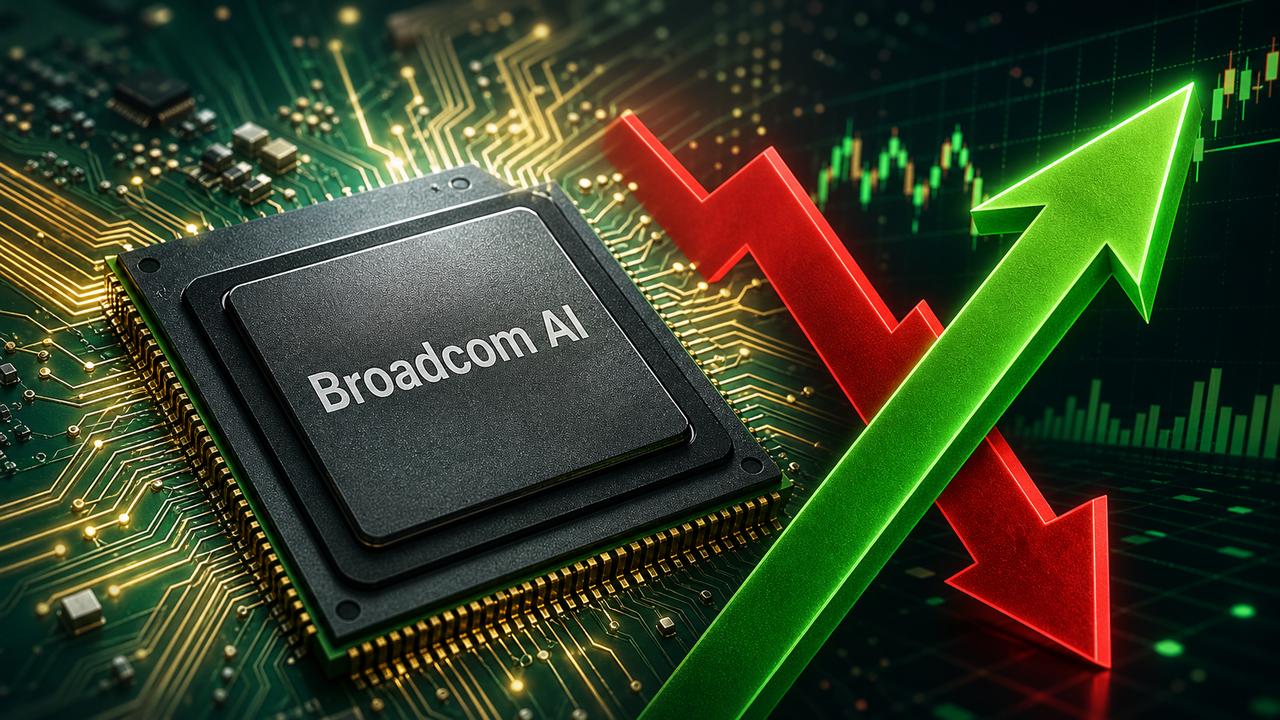
Austrian bank Erste Group downgraded Broadcom to Hold on Tuesday, citing a price-to-sales ratio above 23x and limited upside given current multiples — sending shares down roughly 3% in pre-market. AVGO bounced back sharply Wednesday, gaining 4.83% to $388.69 and leading AI-sector gains. The company's own Q3 outlook calls for revenue of ~$29.4 billion (up 89% YoY), with AI chip revenue alone guided to $16 billion — over 200% growth year-over-year.
Meta is moving forward with a July 2026 launch of "Meta Compute," a cloud GPU service offering compute rental, hosted Llama models, and AI agent tools — directly targeting AWS, Azure, and Google Cloud. Backed by a $125-145 billion 2026 capex plan and custom MTIA chips, Meta is targeting 20-30% price-performance advantages over incumbents. The three cloud giants it's taking on hold combined contracted backlogs exceeding $1 trillion, making this a long-game move rather than an immediate revenue event.
AMD surged 6.61% to $552.05 on Monday — its biggest single-session gain in two months — fueled by analyst target raises: Cantor Fitzgerald to $700, UBS to $670, Wells Fargo to $615. Then Tuesday it reversed the entire move, falling 6.51%, even as Goldman Sachs lifted its target from $450 to $640. All eyes are now on AMD's "Advancing AI 2026" summit in San Francisco July 22-23, where the company is expected to showcase its MI450 chip roadmap backed by a five-year supply deal with OpenAI.
Nvidia published its latest quarterly earnings slides on July 7, with FY2026 full-year revenue coming in at $215.94 billion — up 65% year-over-year — and earnings of $120.07 billion. Despite that dominance, the forward P/E has fallen to 22.2x, the lowest since 2019, as the stock at ~$198 sits more than 30% below the Wall Street consensus target of $298.87. The buy-side remains firmly in the bull camp — 58 Buy ratings, zero Sells — as hyperscaler capex commitments continue stacking up.
Oracle stock now trades near $143, off more than 50% from its 52-week high of $346 and down roughly 27% year-to-date. The driver: an FY2027 capital expenditure forecast of $70 billion — $20-25 billion above prior expectations — plus plans to raise ~$40 billion through debt and equity, pushing free cash flow to a $23.7 billion deficit. The bull case hinges on a remaining performance obligations (RPO) backlog of $638 billion, up 363% year-over-year — but the market isn't pricing that in yet.
Palantir is hovering around $132, with traders closely watching $134 as the key technical resistance level for the next move higher. D.A. Davidson upgraded the stock to Buy this week, lifting its price target to $175 and noting Palantir has "grown into its valuation" as earnings power has improved. Wedbush's Daniel Ives reiterated a $230 target. The current pressure reflects a broad enterprise software sector pullback rather than any company-specific deterioration.
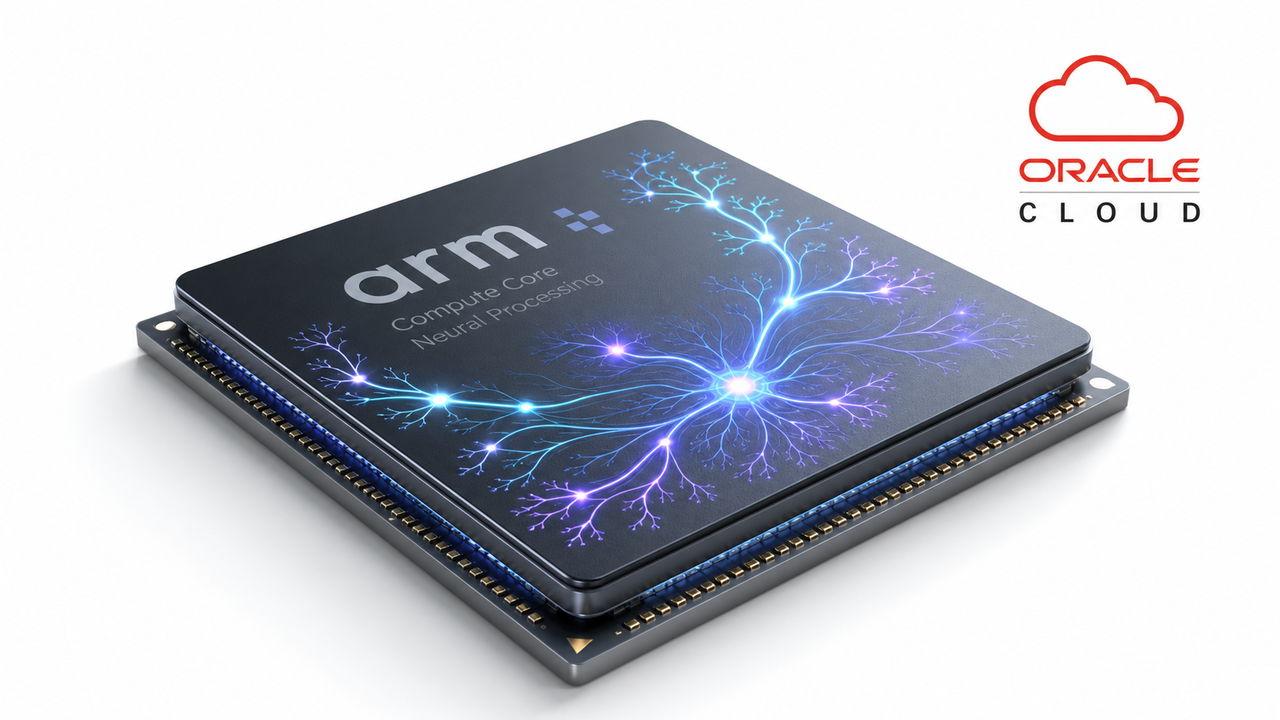
Arm Holdings expanded its enterprise footprint after Oracle Cloud formally joined its AGI CPU ecosystem, deepening the architecture's presence in agentic AI and data center computing. ARM has secured more than $2 billion in customer commitments for fiscal years 2027-2028, with management targeting up to $15 billion in annual AI CPU revenue by 2031. Fiscal Q1 2027 earnings are due July 29, and investors will be listening for any acceleration in AI licensing momentum.

 AI Stocks