Relevance 10/10Importance 10/10
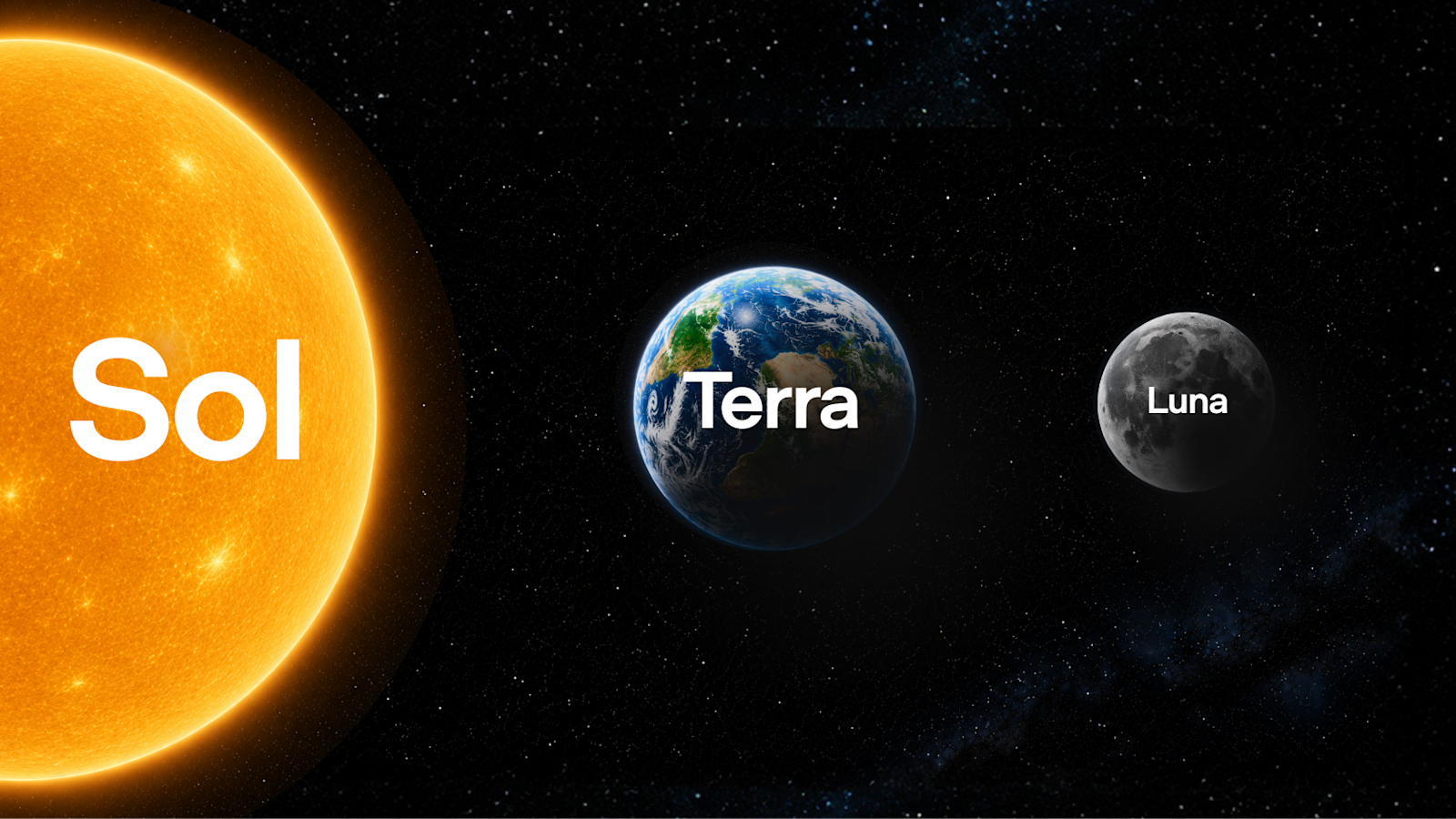
After a 13-day government-coordinated preview, OpenAI's full GPT-5.6 family is live this morning for all ChatGPT users and API developers. Sol is the flagship at $5/$30 per million input/output tokens; Terra is the balanced everyday option at $2.50/$15; Luna is the budget-tier entry at $1/$6. The Department of Commerce signed off on broad release following additional safety testing with the Center for AI Standards and Innovation.
Relevance 10/10Importance 9/10
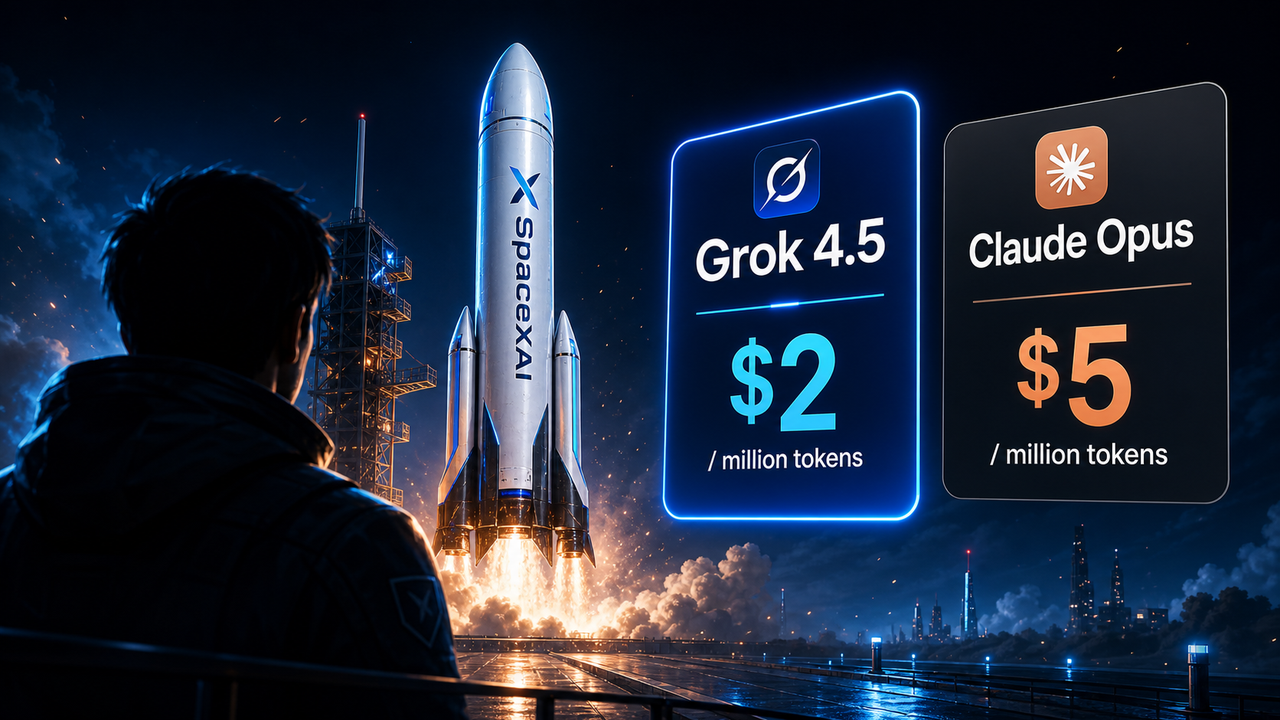
SpaceXAI's Grok 4.5 goes fully public today alongside GPT-5.6, built on a 1.5 trillion parameter V9 foundation trained partly on Cursor coding data. At $2/$6 per million tokens it dramatically undercuts Claude Opus 4.8 ($5/$25) for claimed similar capability. SpaceXAI has committed to releasing a new foundation model monthly through end of 2026.
Relevance 10/10Importance 8/10
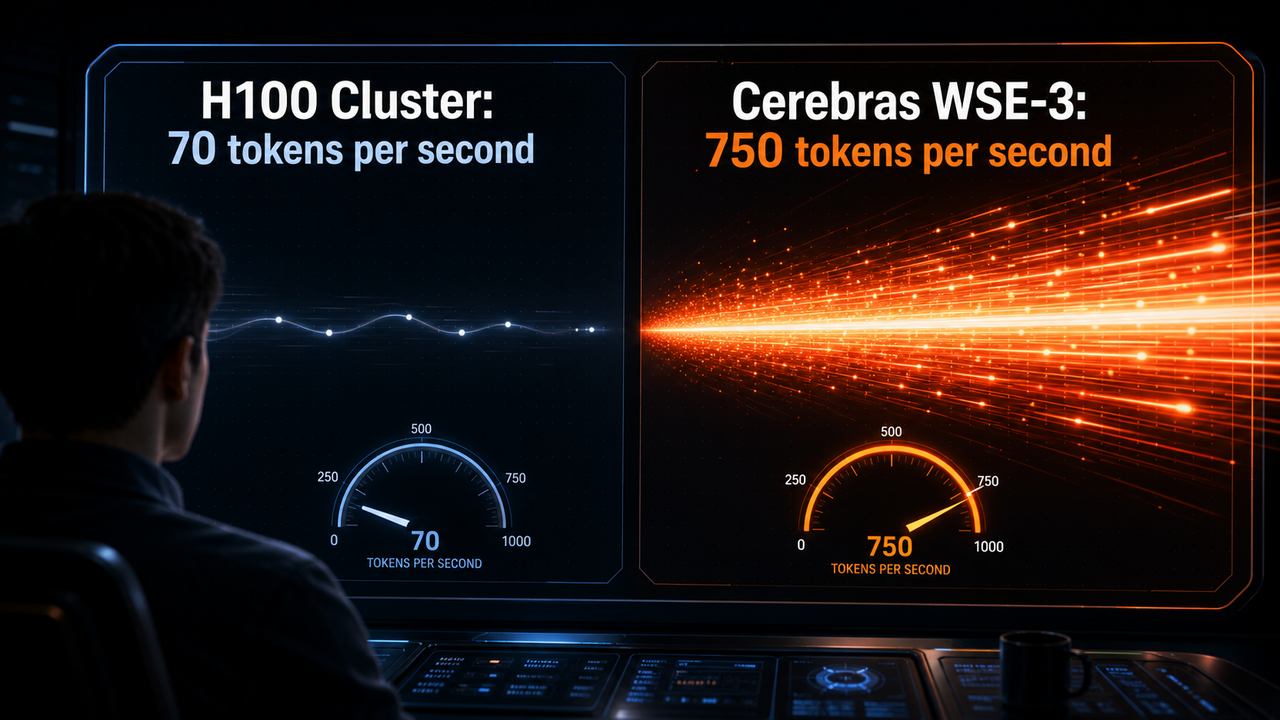
OpenAI's Cerebras partnership goes live with Sol today. Wafer-scale WSE-3 hardware serves Sol at up to 750 tokens per second versus roughly 70 tokens per second typical for H100-based frontier serving. Sol is estimated to span 70–100 Cerebras wafers — approximately 3 trillion total parameters, 150 billion active, 70 layers — and initial access is rolling out to select customers as capacity scales.
Relevance 9/10Importance 9/10
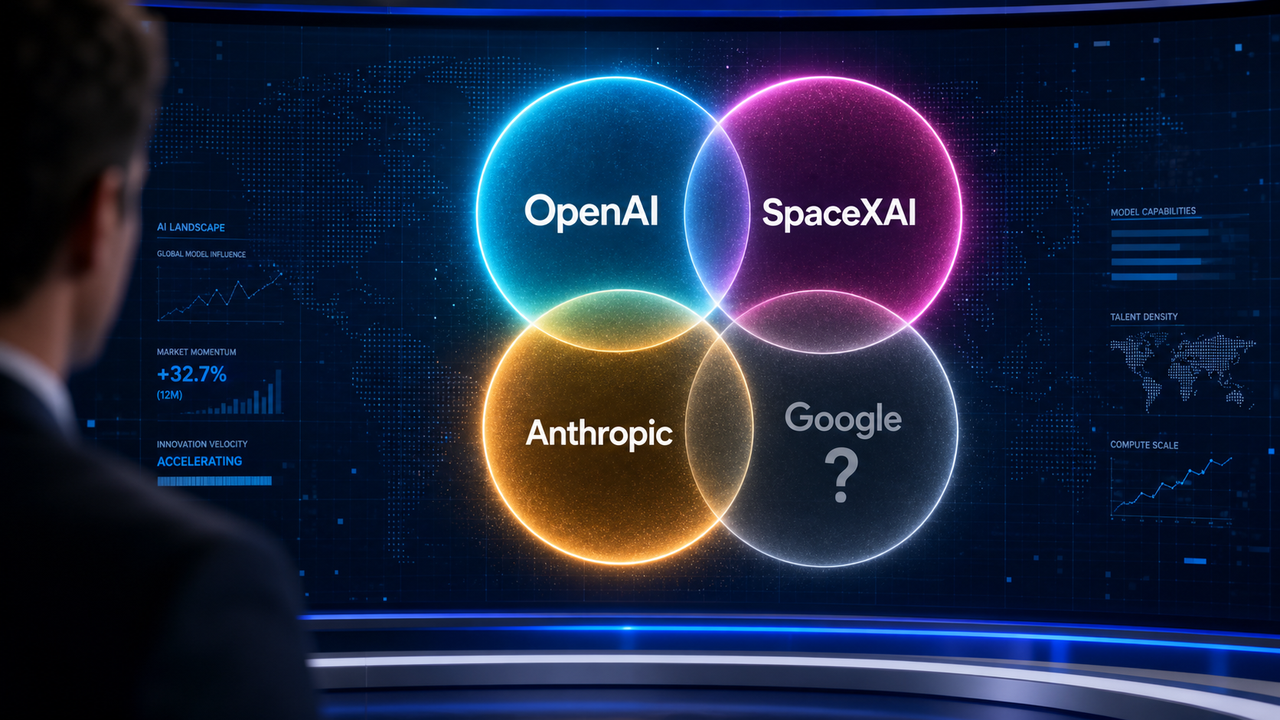
With GPT-5.6 and Grok 4.5 live today alongside Anthropic's Fable 5, this is the first time since the Fable 5 export control restrictions of June 12 that every major frontier lab has a publicly accessible model simultaneously. Analysts are calling July 9, 2026 the most consequential single day in AI model history.
Relevance 9/10Importance 8/10
Google's most anticipated model remains in limited Vertex AI enterprise preview with no general availability date, now five weeks past its June commitment deadline. The rebuilt architecture targets improved math reasoning, SVG generation, and image quality — but competitors are live and Google is not. July 17 remains the informal target, a date that is now actively shaping the competitive window for OpenAI and SpaceXAI.
Relevance 9/10Importance 7/10
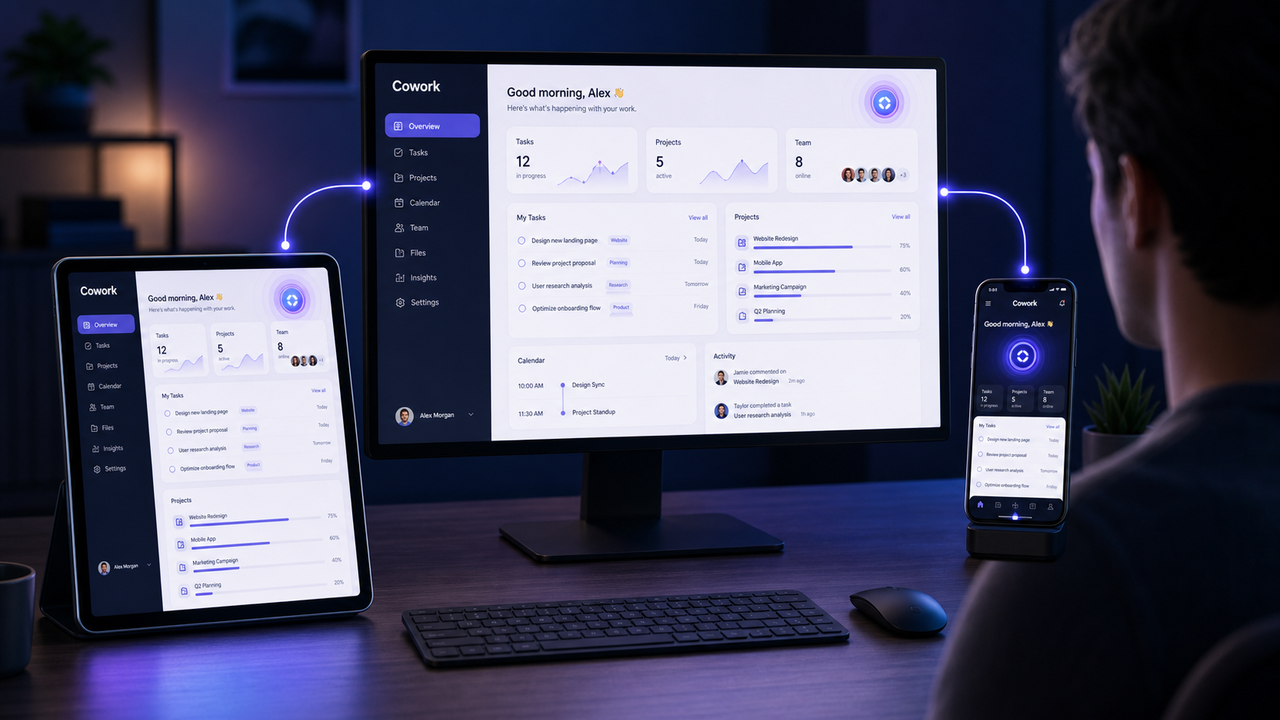
Anthropic expanded Cowork from desktop-only to iOS, Android, and web, with sessions syncing across devices and tasks now able to run entirely in the background with no device online. The standout usage data: more than 90% of Cowork sessions are non-coding work, with business process tasks — report consolidation, spreadsheet reconciliation, onboarding docs — leading at 33.4% of usage.
Relevance 9/10Importance 7/10
Anthropic launched a public beta of Claude Code and Cowork inside Claude for Government Desktop, bringing FedRAMP High authorized AI to public-sector teams with desktop file-based work, tamper-evident audit logs, and agency-level spend governance. It is a direct bid for federal enterprise contracts alongside Anthropic's commercial momentum.
Relevance 8/10Importance 6/10
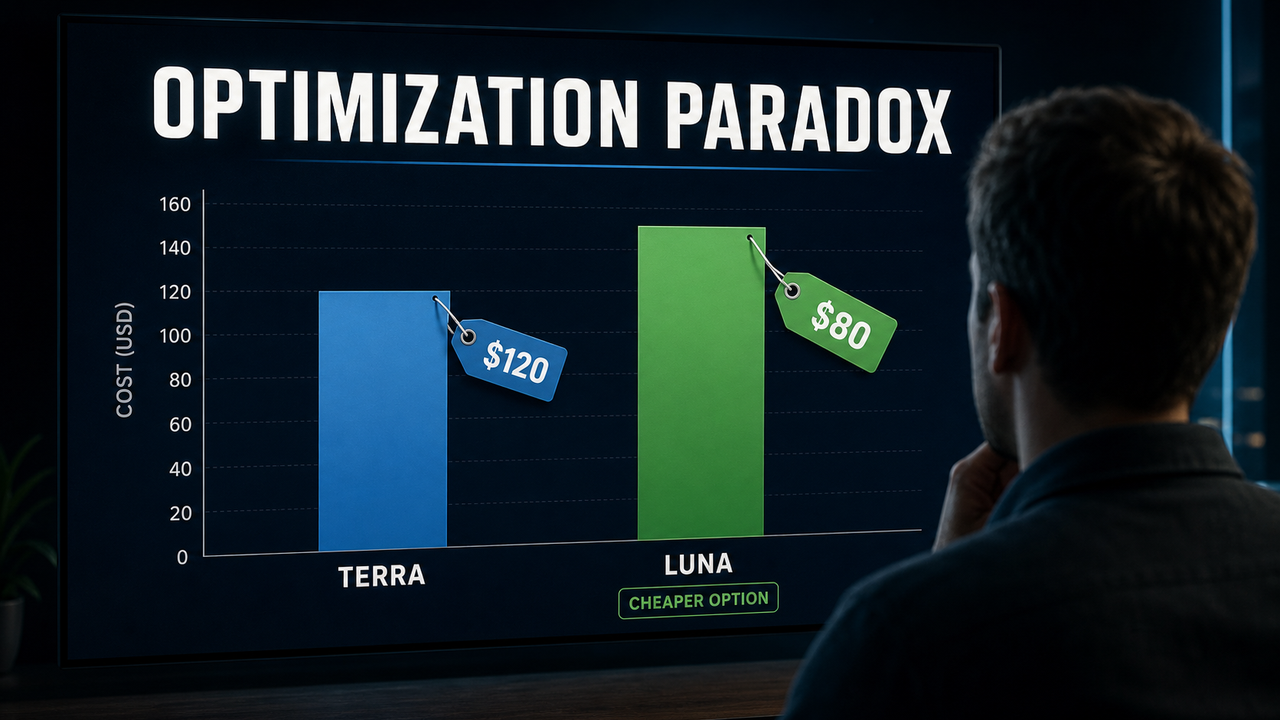
OpenAI's budget-tier Luna scored 84.3% on Terminal-Bench 2.1, beating the mid-tier Terra despite Terra costing 2.5x more per token. The inversion reflects different optimization objectives: Luna was tuned for benchmark ceiling, Terra for everyday use balance. It is a signal that workload routing decisions are getting more complex, not less, as model families multiply.
Relevance 7/10Importance 7/10
Tesla's new $200-per-week AI tool spending cap took effect July 6, requiring manager approval above the threshold. The trigger: engineers were running up thousands of dollars in token costs weekly. The notable carve-out is that xAI beta products are exempt, steering heavy users toward Elon Musk's own company. Uber hit a similar wall, blowing through its entire 2026 AI budget by April.
Relevance 7/10Importance 6/10
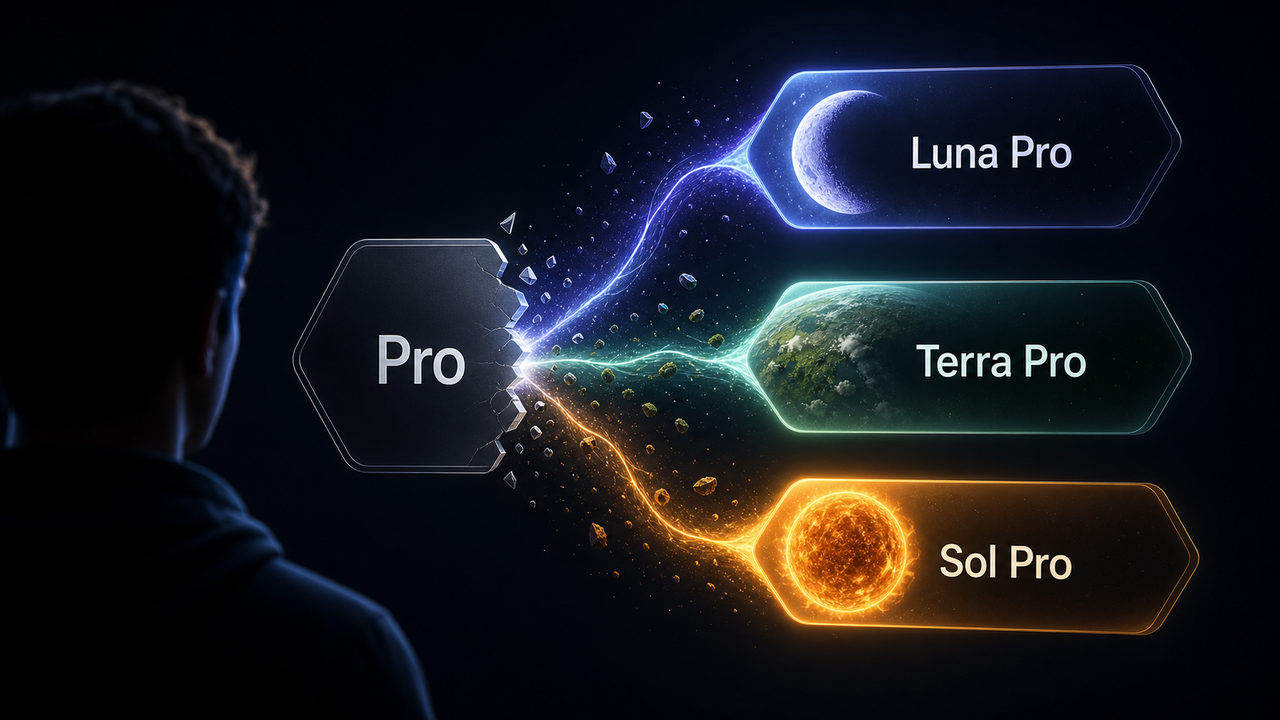
Internal OpenAI research documentation references "Luna Pro," "Terra Pro," and "Sol Pro" configurations, suggesting the $200/month ChatGPT Pro subscription may be getting a tier-based overhaul aligned with the new GPT-5.6 model family. No formal announcement has been made, but the breadcrumbs surfaced the same day the models went public.