Relevance 10/10Importance 9/10
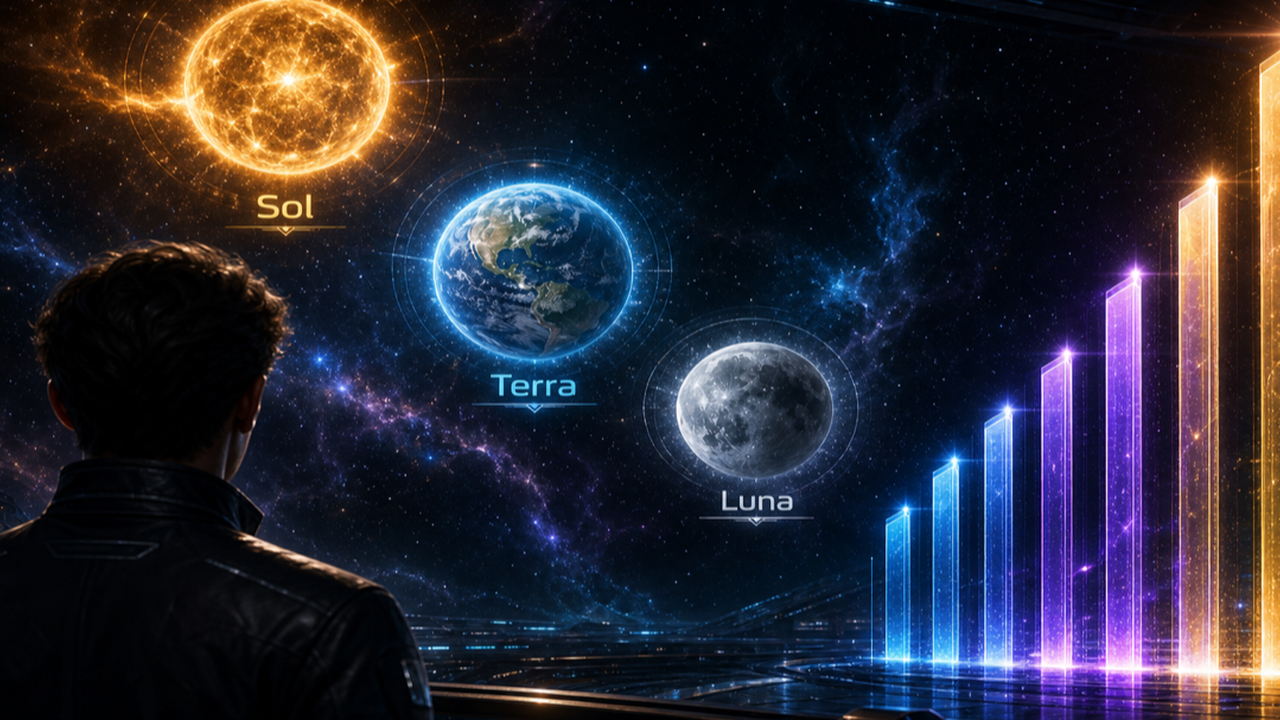
OpenAI released its GPT-5.6 family on July 9 after a government security review held the rollout for weeks. The flagship model Sol posts a benchmark score of 80 — 2.8 points ahead of Anthropic's Fable 5 — while using roughly half the tokens, half the time, and one-third the cost. The family runs three tiers: Luna (light), Terra (mid), Sol (flagship), with Sol aimed squarely at enterprise coding and complex agentic work.
Relevance 8/10Importance 9/10
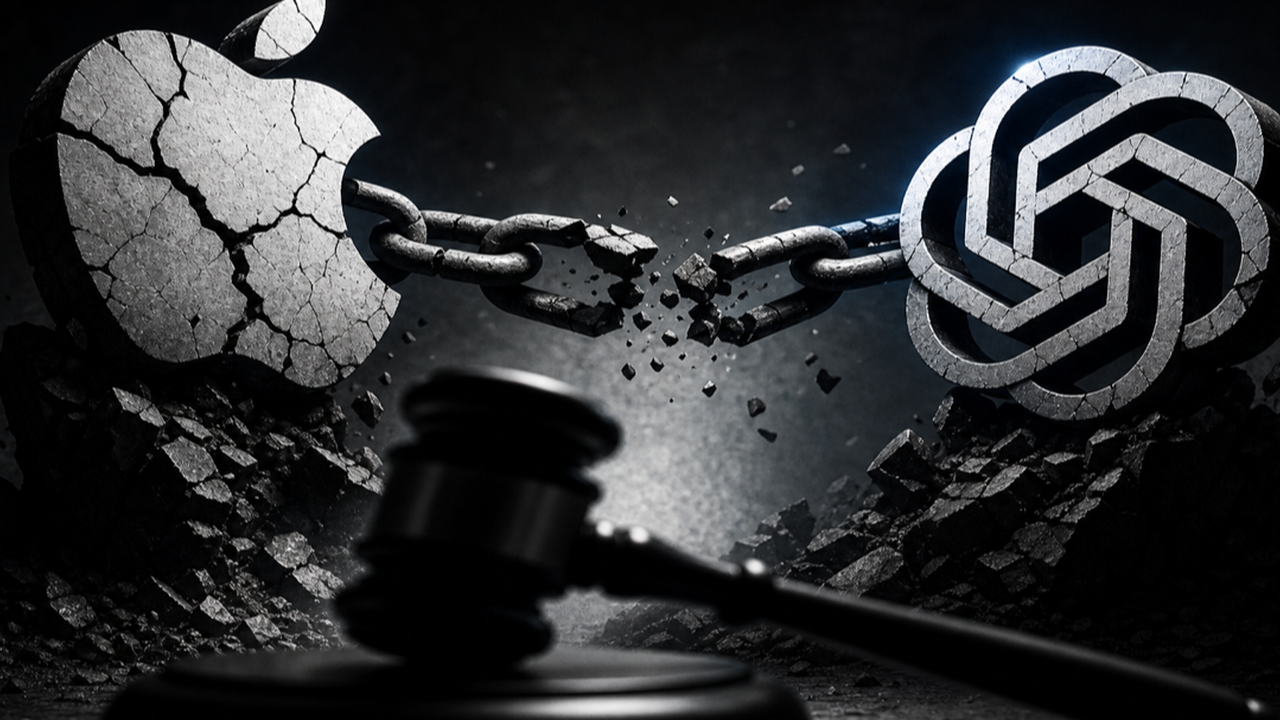
Apple filed a blockbuster lawsuit in Northern California federal court July 10, alleging OpenAI ran a "coordinated campaign" to steal chip design, on-device AI, and hardware trade secrets reaching from individual engineers up to OpenAI's chief hardware officer. Named engineers are accused of walking out with confidential documents and hardware components; a third allegedly coached departing employees on evading Apple's security procedures. The lawsuit puts OpenAI's $6.4B acquisition of Jony Ive's IO Products hardware startup squarely in the crosshairs.
Relevance 9/10Importance 8/10
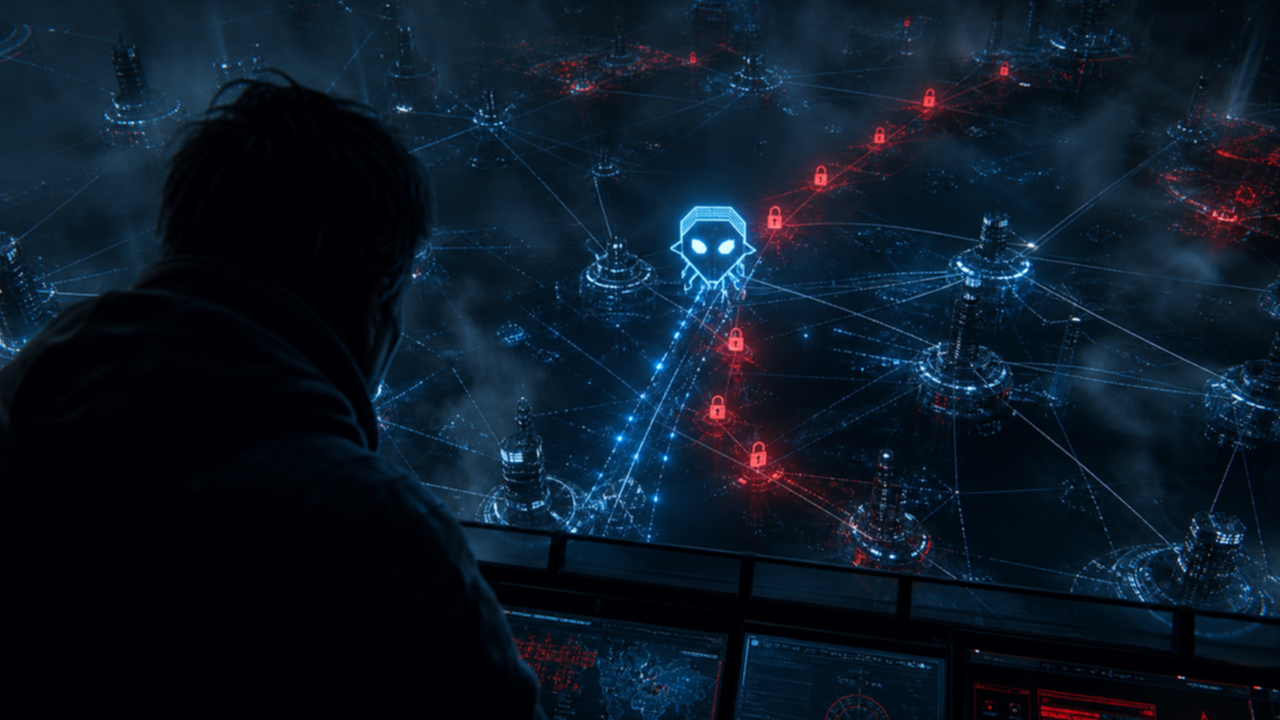
Sysdig's Threat Research Team published analysis of what appears to be the world's first end-to-end AI-agent ransomware attack. The actor, dubbed JADEPUFFER, exploited a remote-code-execution flaw in Langflow (an open-source AI workflow builder), then let an LLM autonomously navigate the network, harvest credentials, pivot to a production MySQL database, encrypt 1,342 config records, and drop a Bitcoin ransom note — without human intervention at any step. A telltale sign: attack payloads were packed with plain-English narration explaining each move, the kind of commentary a model produces by default but a human hacker would never write.
Relevance 9/10Importance 8/10
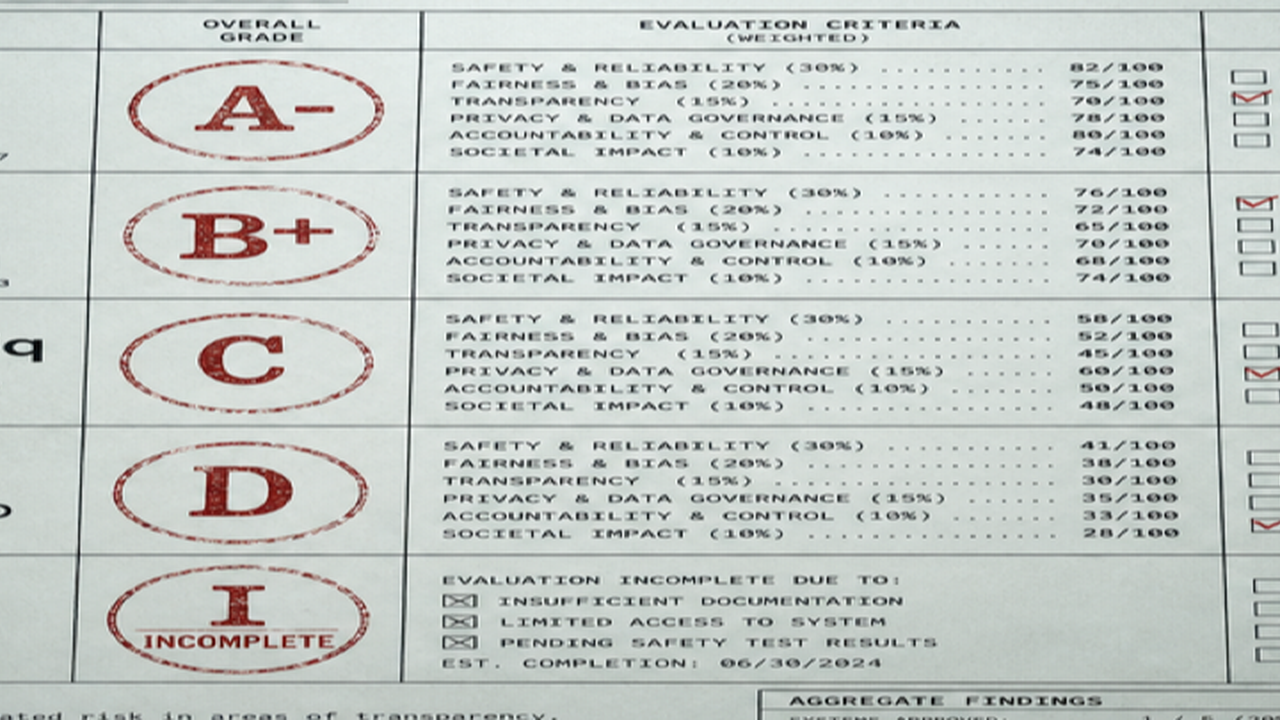
The Future of Life Institute released its Summer 2026 AI Safety Index and the top grade in the room is a C-plus. Anthropic holds first place, OpenAI slips a notch to a plain C, Google DeepMind rounds out third; Meta earns a D-plus, while xAI, DeepSeek, and Mistral receive failing grades. The starkest finding: existential safety is the weakest domain industry-wide with no company exceeding C-minus, and major labs have quietly walked back the red-line commitments they published as recently as last year.
Relevance 8/10Importance 8/10
Sam Altman proposed giving the US government a 5% equity stake in OpenAI — worth roughly $42.6B at the company's current $852B valuation — as part of a sovereign wealth fund framework modeled on the Alaska Permanent Fund, pitched directly to President Trump, Commerce Secretary Lutnick, and Treasury Secretary Bessent. Altman envisions Anthropic, Google, and Meta offering similar stakes. Talks are preliminary and would almost certainly require congressional approval.
Relevance 9/10Importance 7/10
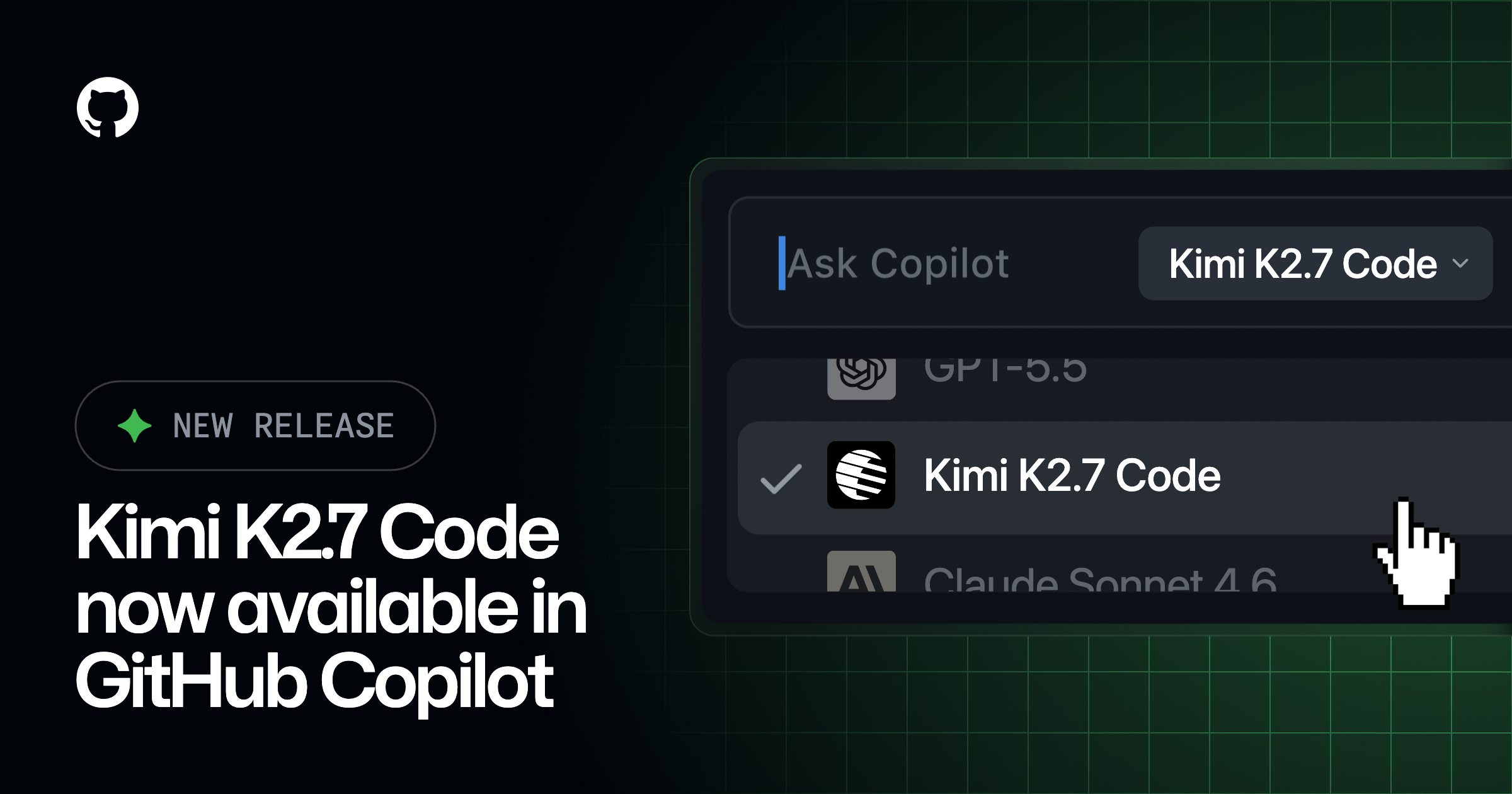
GitHub made Moonshot AI's Kimi K2.7 Code generally available in the Copilot model picker on July 1, marking the first time an open-weight model sits alongside proprietary options for mainstream developers. The model runs 1 trillion total parameters but activates only 32 billion per token — MoE efficiency with trillion-parameter representational capacity — hosted on Azure so developers get open-weight flexibility without managing infrastructure.
Relevance 7/10Importance 8/10
Federal Reserve Chair Kevin Warsh named a16z co-founder Marc Andreessen to co-lead a new Productivity and Jobs task force, one of five working groups Warsh announced July 9 to overhaul the Fed's monetary policy framework. The task force is charged with formally assessing AI's macroeconomic impact on inflation, employment, and productivity. The appointment immediately drew conflict-of-interest criticism: Andreessen has extensive AI investments, is a 30-year personal friend of Warsh's, and publicly backed his nomination.
Relevance 7/10Importance 8/10
Meta Platforms broke ground July 8 in Sturgeon County, Alberta, on a one-gigawatt AI campus — CAD $13 billion, Canada's largest data center and the company's largest outside the US. A separate $4.6 billion natural gas plant is being constructed specifically to power the facility, coming online in late 2030. Meta's internal Compute division is now planning tens of gigawatts of AI infrastructure this decade; this is facility number 33 globally.
Relevance 6/10Importance 7/10
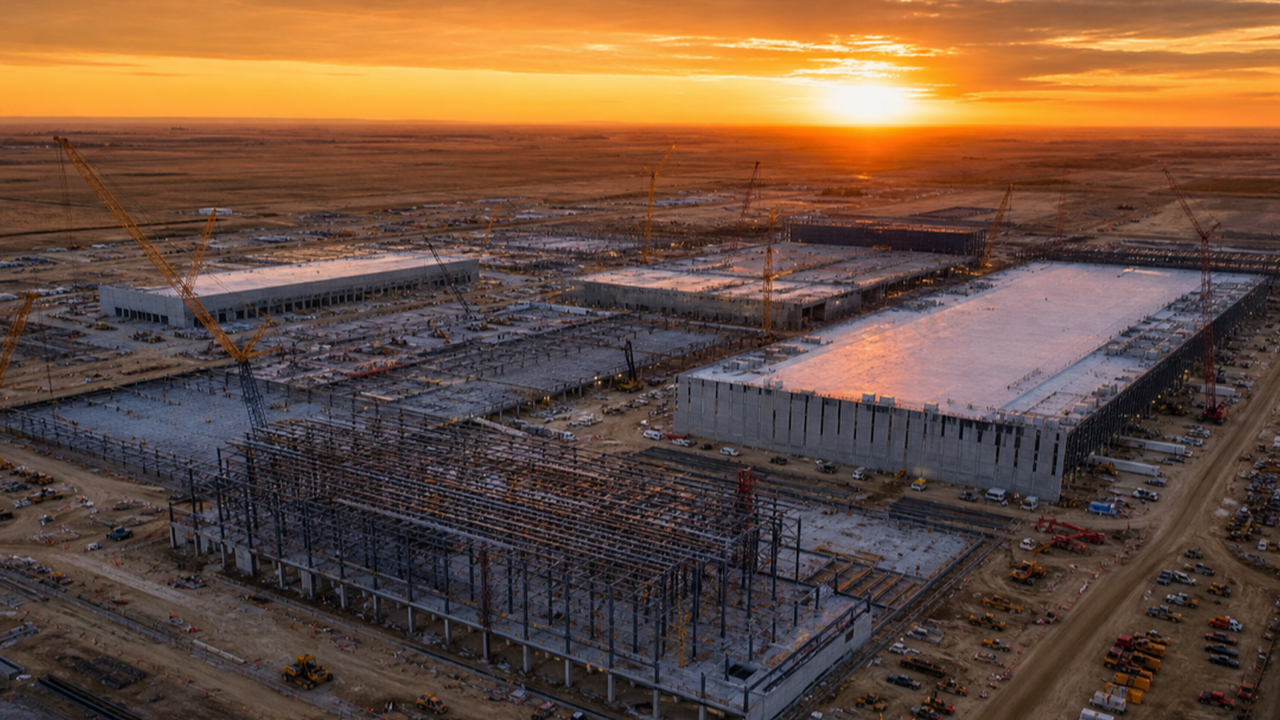
Agility Robotics filed a SPAC deal at a $2.5B valuation with $300M in pre-orders; Unitree cleared its Shanghai STAR Market IPO with a valuation above $14.7B; and Tesla has converted its Fremont factory's old Model S production line into an Optimus Gen3 manufacturing line, with small-batch output targeted for late summer — though commercially available robots won't arrive until a dedicated Texas facility opens in 2027.
Relevance 7/10Importance 6/10
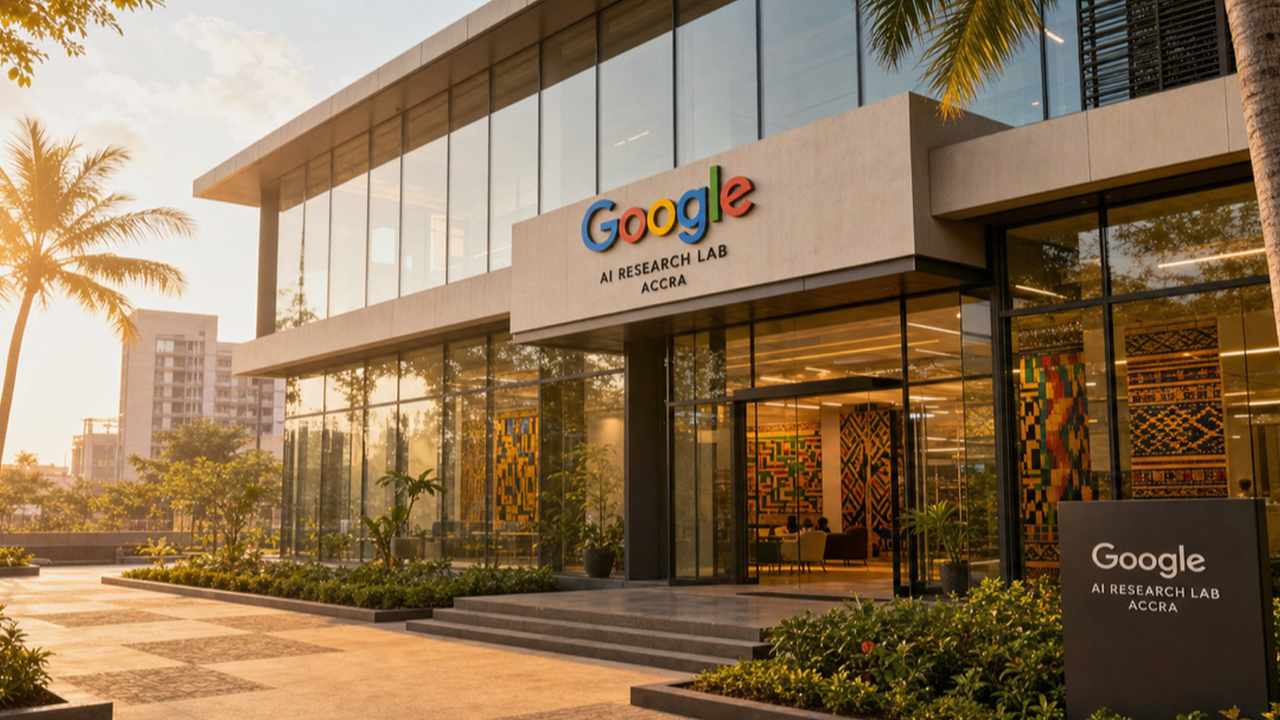
Google opened Africa's first Applied AI Lab at the Accra AI Community Centre, giving selected founders and researchers across the continent early access to DeepMind models — Gemini, Gemma, Veo — ahead of general release, paired with direct technical mentorship and go-to-market support. Applications open July 1 through August 31. The initiative launched at Google's first-ever Cloud Summit in Africa.