Relevance 9/10Importance 9/10
China's "Interim Measures for the Administration of AI Anthropomorphic Interactive Services" officially took effect this morning, forcing ByteDance's Doubao and Alibaba's Qwen to disable humanlike agent and companion features. Jointly issued by five Chinese government bodies, the law bans services that simulate human personality and "sustained emotional interaction," with especially strict limits on AI companions for minors. User-created agent data will be permanently deleted by October 15 — and unlike most AI regulations, this one lands with immediate platform shutdowns, not a grace period.
Relevance 10/10Importance 8/10
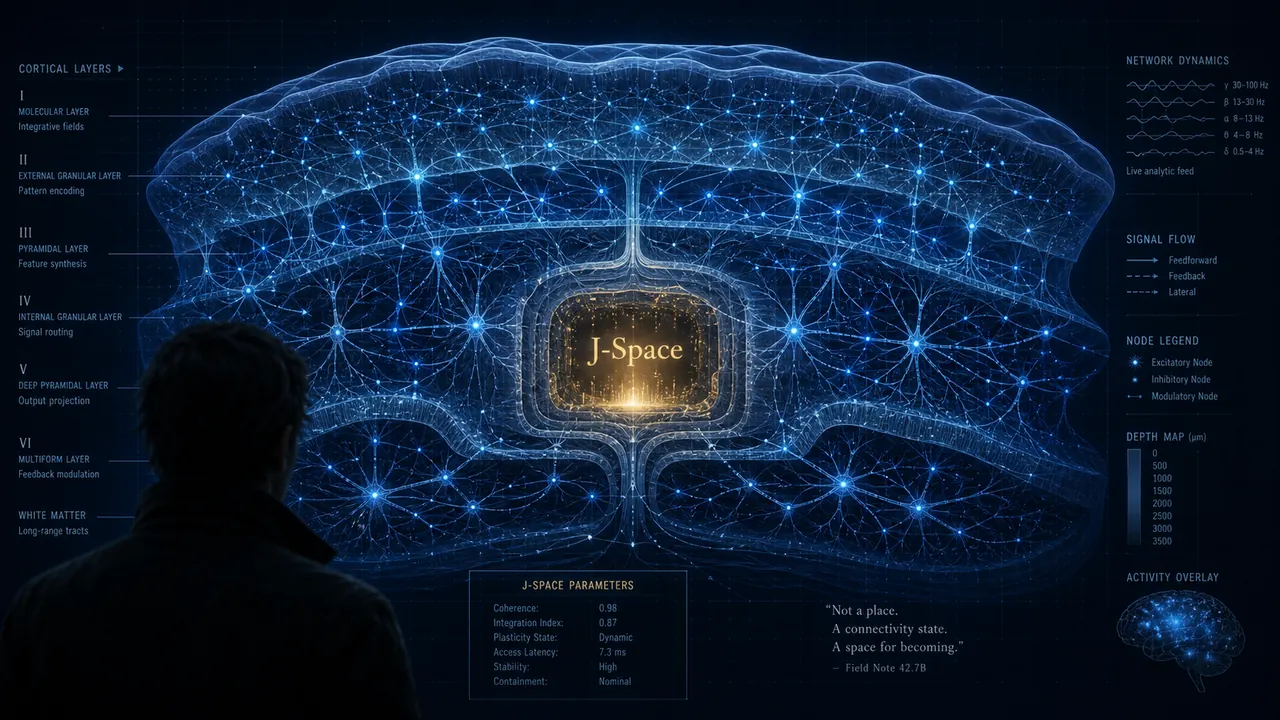
Anthropic's interpretability team published research showing Claude contains a small internal "J-space" — a workspace where concepts are held and manipulated during reasoning before appearing in responses. The structure satisfies five functional signatures of access consciousness drawn from cognitive neuroscience, including verbal report, directed modulation, and flexible cross-task generalization. The team open-sourced their J-lens analysis tool but explicitly declined to claim subjective experience; the safety implication is that researchers may eventually detect hallucinations or unsafe behavior earlier in the reasoning chain.
Relevance 10/10Importance 8/10
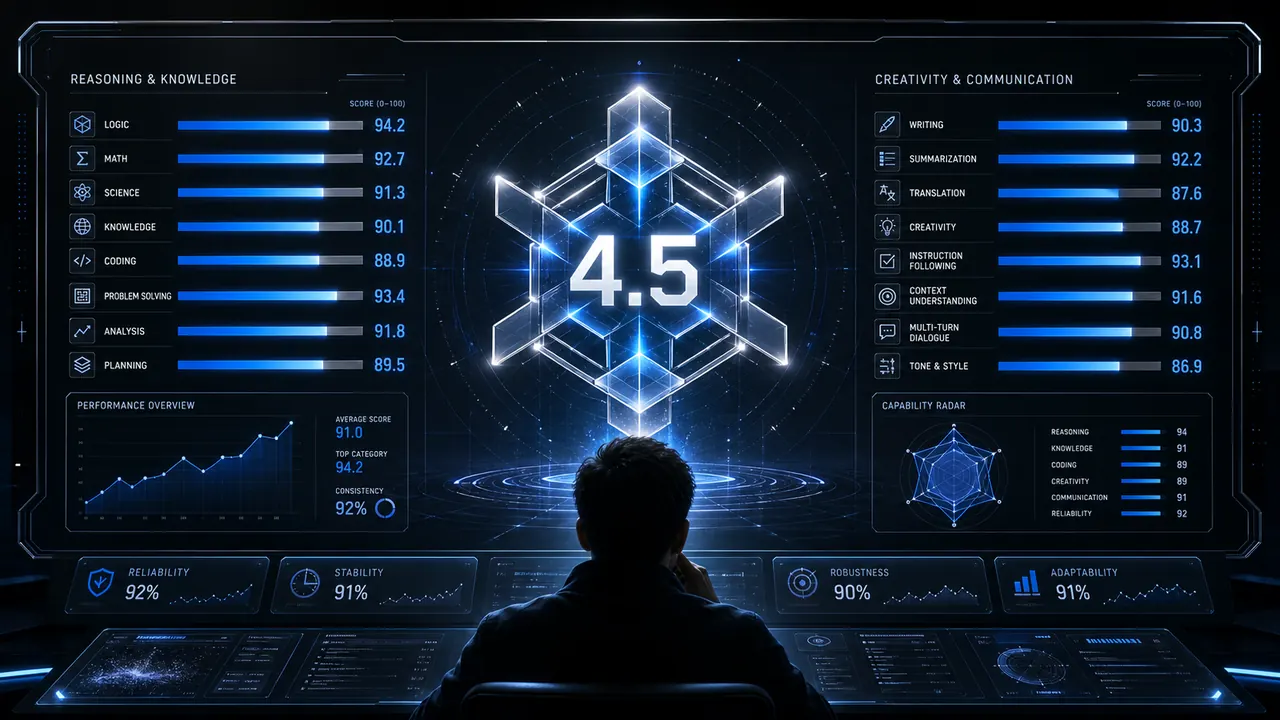
SpaceXAI released Grok 4.5 on July 8, a model purpose-built for coding and agentic tasks, trained on real Cursor developer sessions and priced at $2/$6 per million tokens — more than 60% cheaper than Opus 4.8 and GPT-5.5. Benchmarks put it at 62.0% on DeepSWE 1.0 and 83.3% on Terminal Bench 2.1, competitive with the top tier. Token efficiency is dramatically better: Grok 4.5 uses roughly 14,000 output tokens per benchmark task versus Opus 4.8's 67,000 — a difference that compounds fast at agentic scale.
Relevance 8/10Importance 9/10
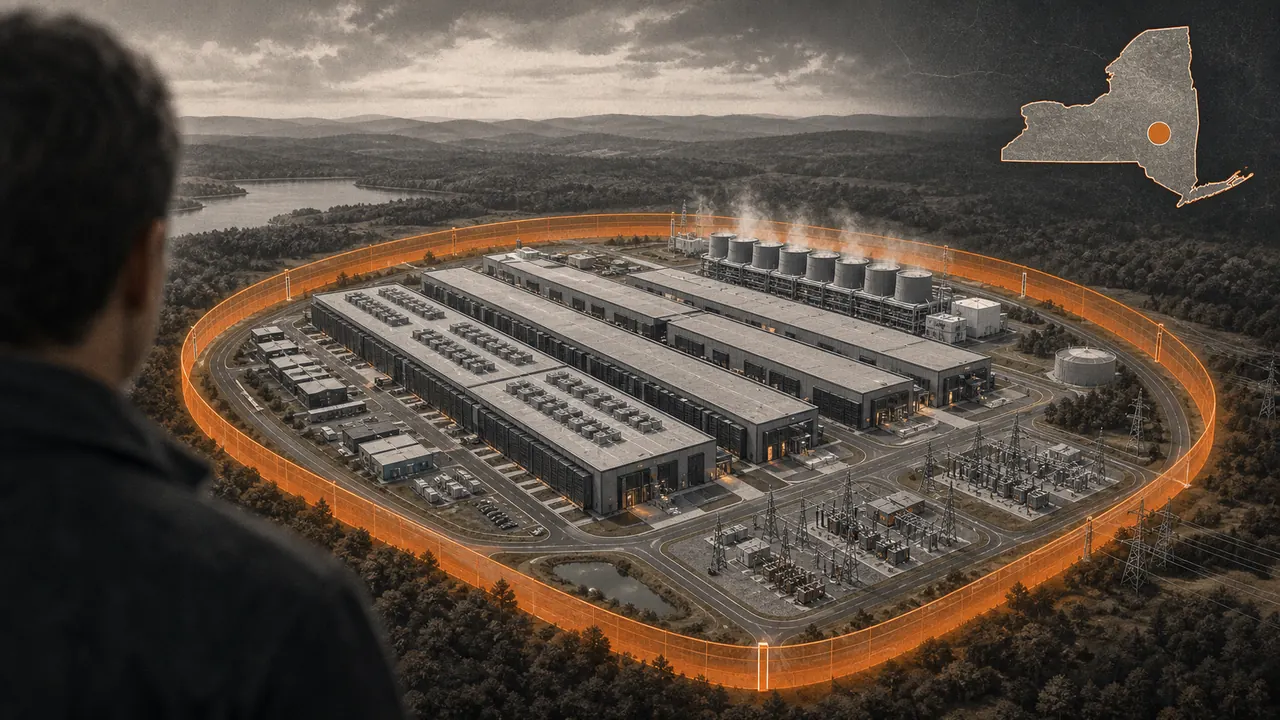
Governor Kathy Hochul signed Executive Order 62 on July 14, pausing state environmental permits for new hyperscale data centers — those drawing 50 megawatts or more — for up to one year while a new regulatory framework is developed. The order also seeks to repeal sales tax exemptions for large data center operators, raising costs for Microsoft, Alphabet, Amazon, and Meta. New York is the first state in the U.S. to impose such a ban; the rationale is power grid strain, water use, and ratepayer cost protection, with other states expected to consider similar measures.
Relevance 8/10Importance 9/10
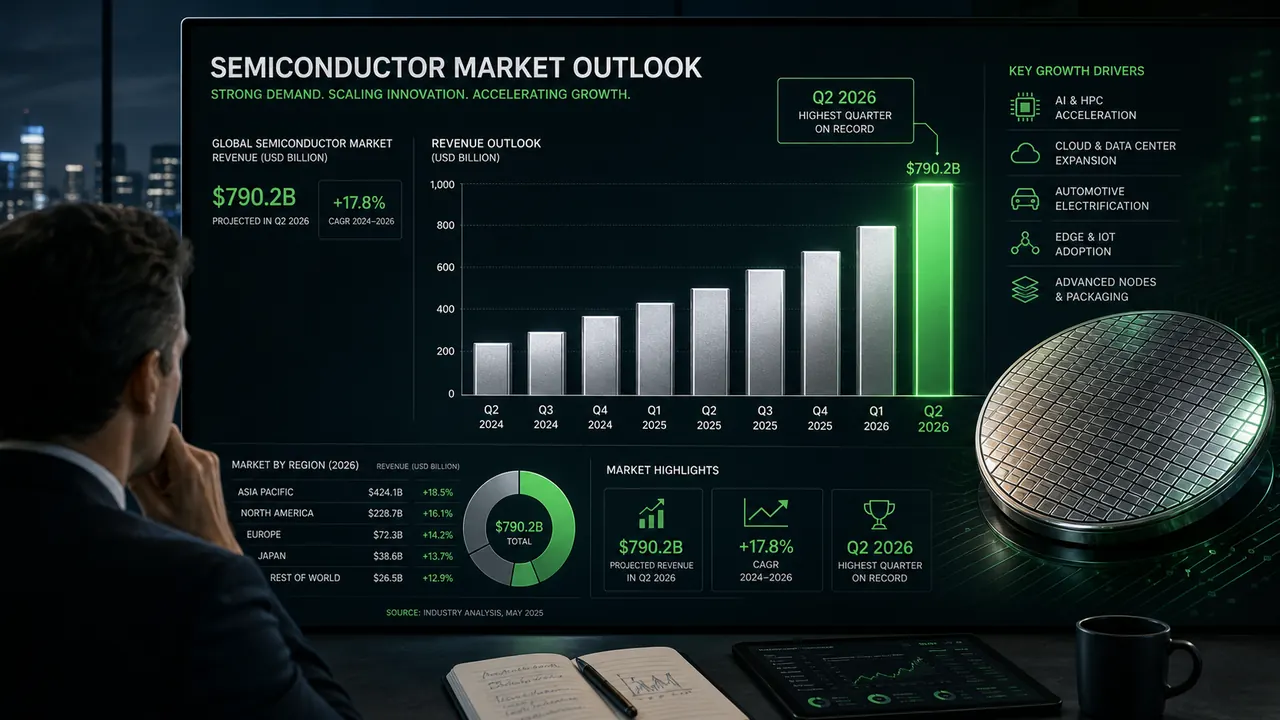
TSMC reported Q2 2026 revenue of $39.62 billion, up 36% year-over-year — a new company record for a quarter. June alone surged 68% above the prior year, the largest single month in the chipmaker's nearly four-decade history. N3 manufacturing and CoWoS advanced packaging are both sold out through year-end. Full Q2 earnings drop Thursday, when management is expected to give its outlook for the remainder of 2026 — the number everyone in AI infrastructure is watching.
Relevance 9/10Importance 8/10
The Information reported that Anthropic is in early discussions with Samsung's foundry to design a custom AI inference chip targeting Samsung's 2-nanometer process. Samsung is uniquely positioned: it invested in Anthropic's $65 billion Series H round in May and is the only investor in that round that actually operates a chip foundry. Anthropic's motivation is direct — the company is reportedly burning $1.25 billion per month on compute. The company has already hired Clive Chan, an early member of OpenAI's chip team, but no manufacturing commitment has been made.
Relevance 10/10Importance 7/10
Launched June 30, Claude Sonnet 5 scores 63.2% on agentic coding benchmarks versus Opus 4.8's 69.2% — close enough for most real workloads — and actually edges past Opus 4.8 on knowledge-work evaluations. Introductory pricing is $2/$10 per million tokens through August 31. It's now the default model for Free and Pro claude.ai users and is integrated into Claude Code, Cursor, VS Code, and GitHub Copilot. For teams running agents, the performance-per-dollar calculus shifted meaningfully on July 1.
Relevance 7/10Importance 9/10
Sam Altman has reportedly proposed handing the U.S. government a 5% stake in OpenAI — worth roughly $42.6 billion at the company's $852 billion private valuation — pitching it directly to President Trump, Treasury Secretary Bessent, and Commerce Secretary Lutnick as a way to share AI's economic upside with the public. Any actual arrangement would require an act of Congress and talks remain "conceptual." If it goes through, the U.S. government would become one of OpenAI's largest investors, raising fascinating questions about regulator-as-shareholder dynamics.
Relevance 7/10Importance 9/10
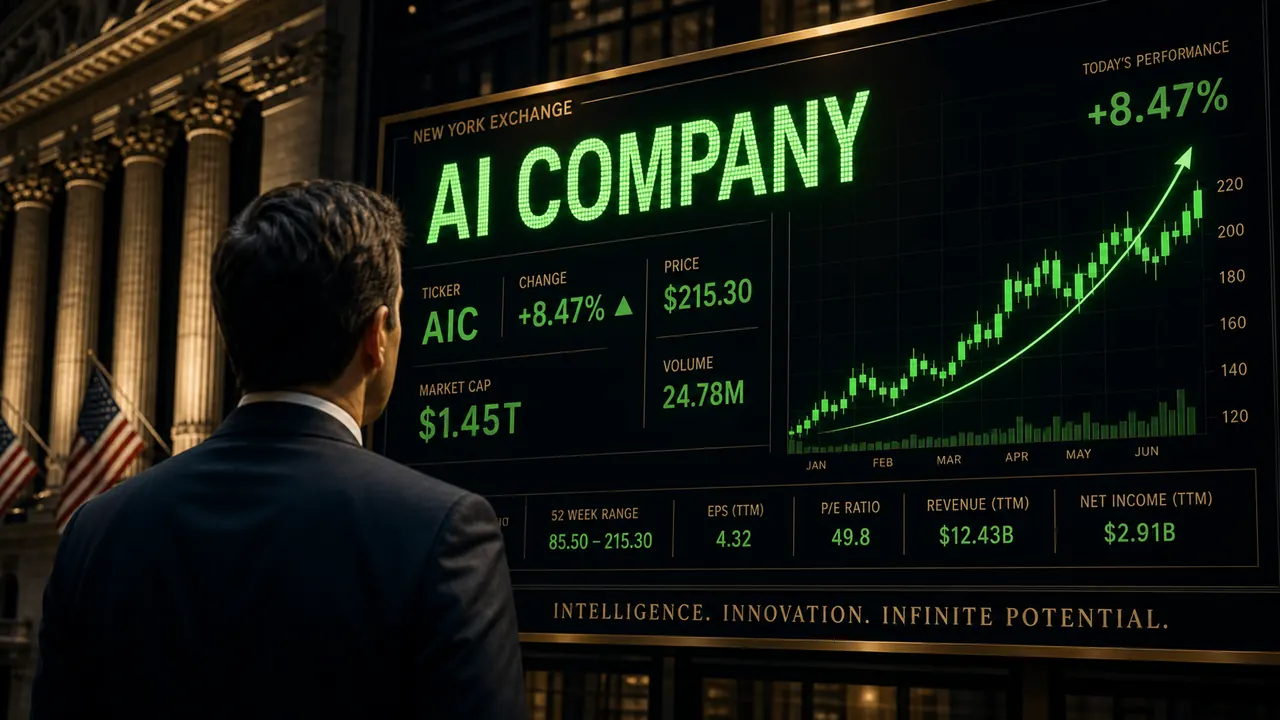
OpenAI filed a confidential S-1 with the SEC in June, targeting a September 2026 IPO at a valuation between $730 billion and $850 billion, with Goldman Sachs and Morgan Stanley underwriting. Annualized revenue has crossed $25 billion, but cash burn is projected at $27 billion for 2026 and climbing toward $63 billion in 2027. The most anticipated tech debut in a generation is now formally in motion — though some reports suggest OpenAI may slip the timeline to 2027 depending on market conditions.
Relevance 7/10Importance 8/10
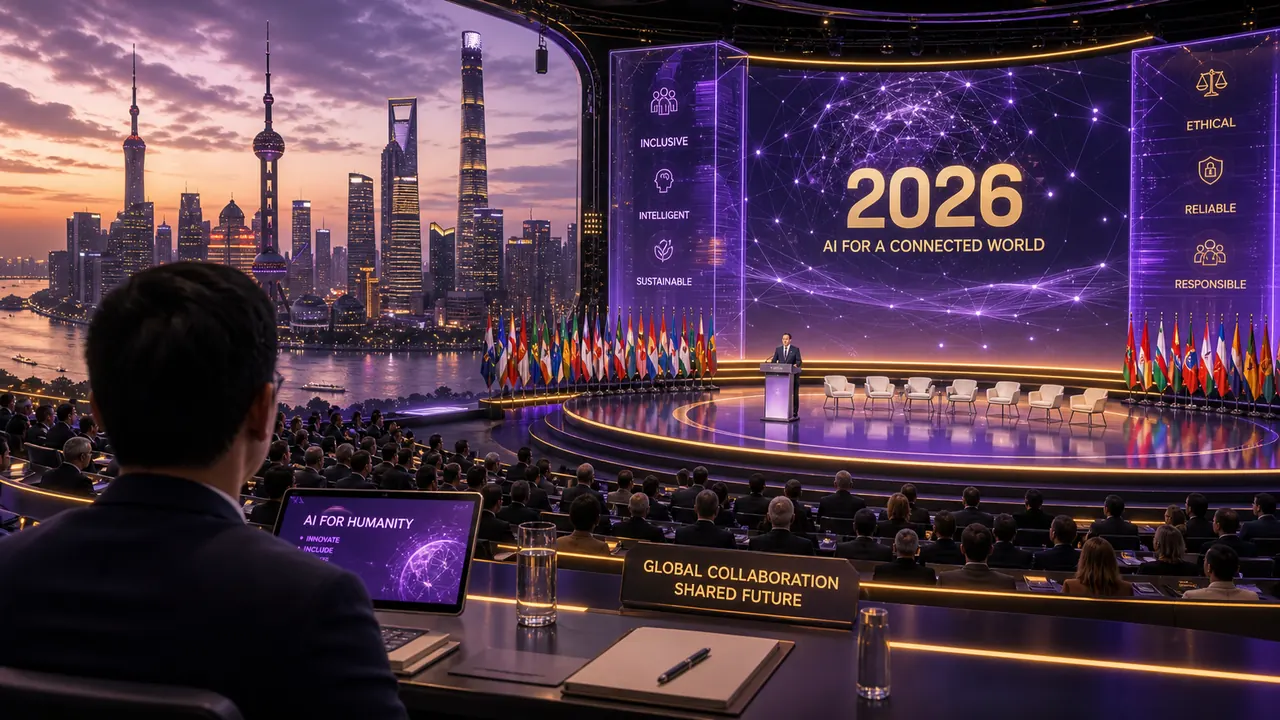
Shanghai's 2026 World Artificial Intelligence Conference opens July 17, and President Xi Jinping is expected to attend in person for the first time since the event launched in 2018 — a clear geopolitical signal about China's AI ambitions. The same day, Google is widely expected to drop Gemini 3.5 Pro. The juxtaposition is striking: China's domestic emotional AI is being shut down under rules effective today even as Beijing stages its biggest international AI showcase of the year.