Relevance 10/10Importance 9/10
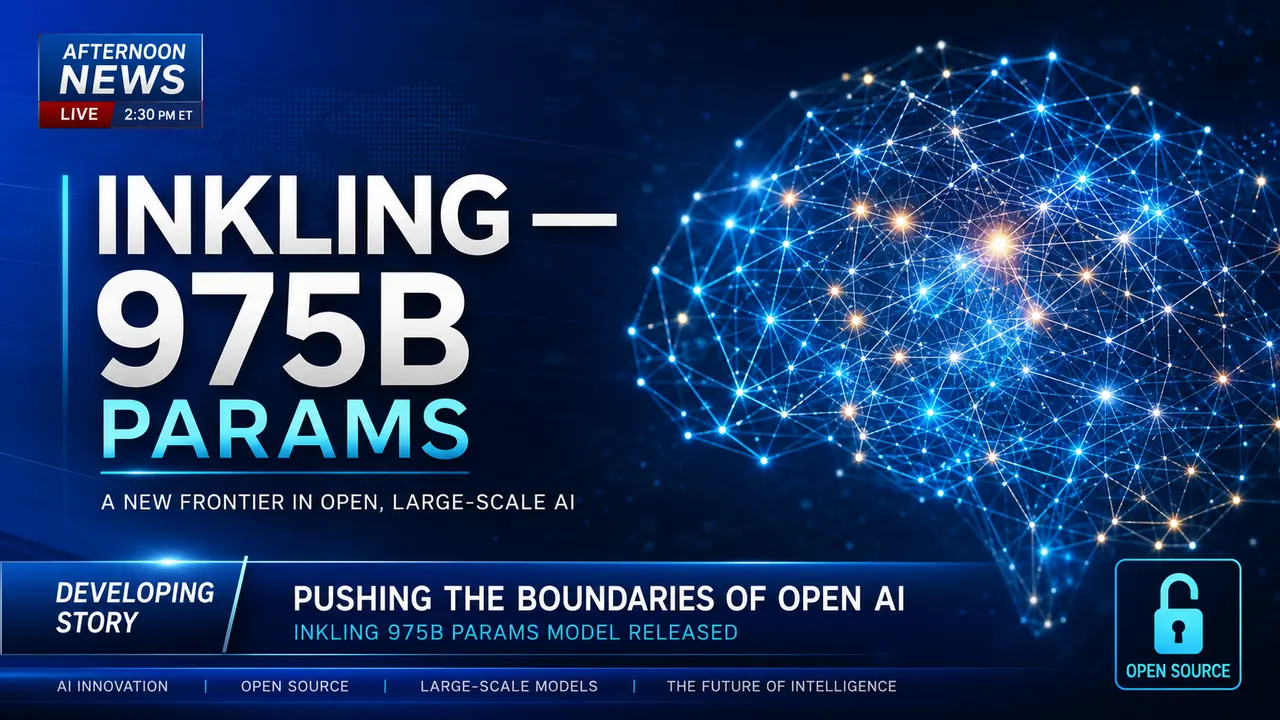
Mira Murati's Thinking Machines Lab — founded more than a year ago by the former OpenAI CTO — shipped its first public model today. Inkling is a 975-billion-parameter mixture-of-experts system activating just 41 billion parameters per query, trained on 45 trillion tokens of text, images, audio, and video with a one-million-token context window. It is open-weight and live on Hugging Face; the company was notably candid that it is not yet the strongest model available, calling it a stake in the ground rather than a crown.
Relevance 10/10Importance 9/10
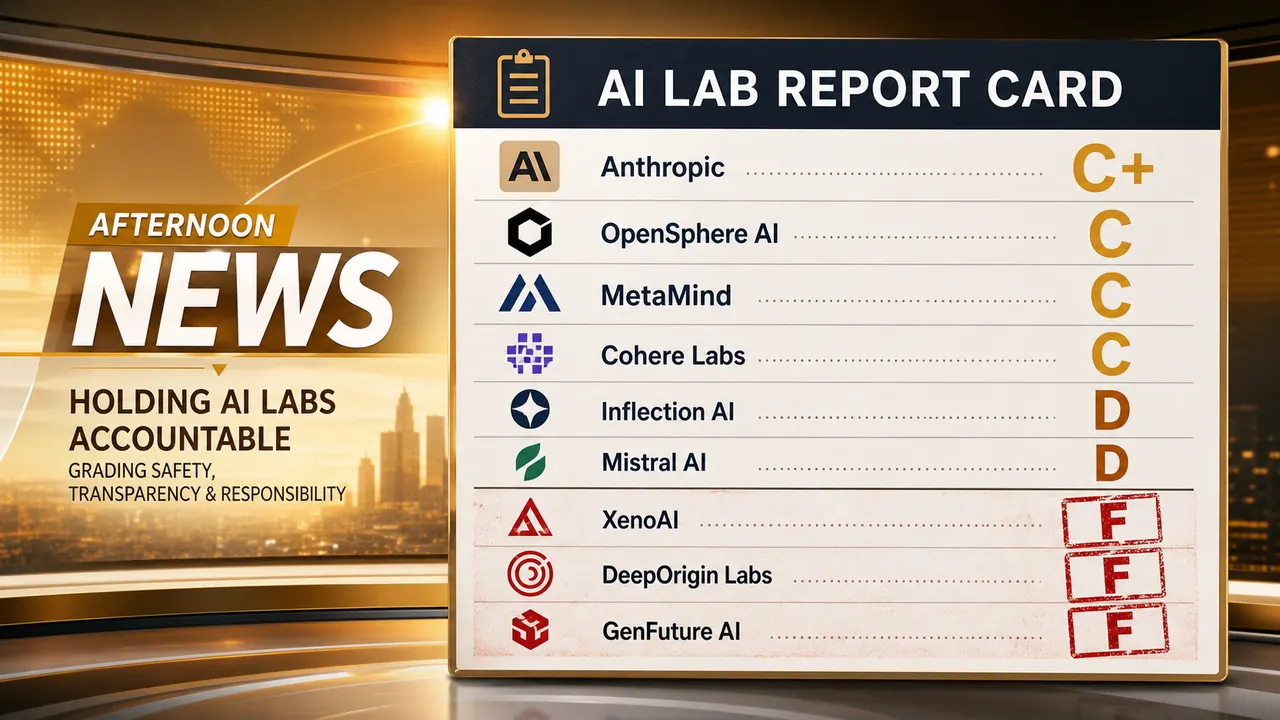
The Future of Life Institute's Summer 2026 AI Safety Index handed out the worst collective report card in the index's history: Anthropic earns the highest grade at C+, OpenAI and Google DeepMind receive C, Meta gets D+, and xAI, DeepSeek, and Mistral all fail outright. The most damning finding is that all four major Western labs have quietly walked back earlier commitments to pause development if their systems reached defined danger thresholds, and virtually every lab has reversed prior bans on military use.
Relevance 9/10Importance 9/10
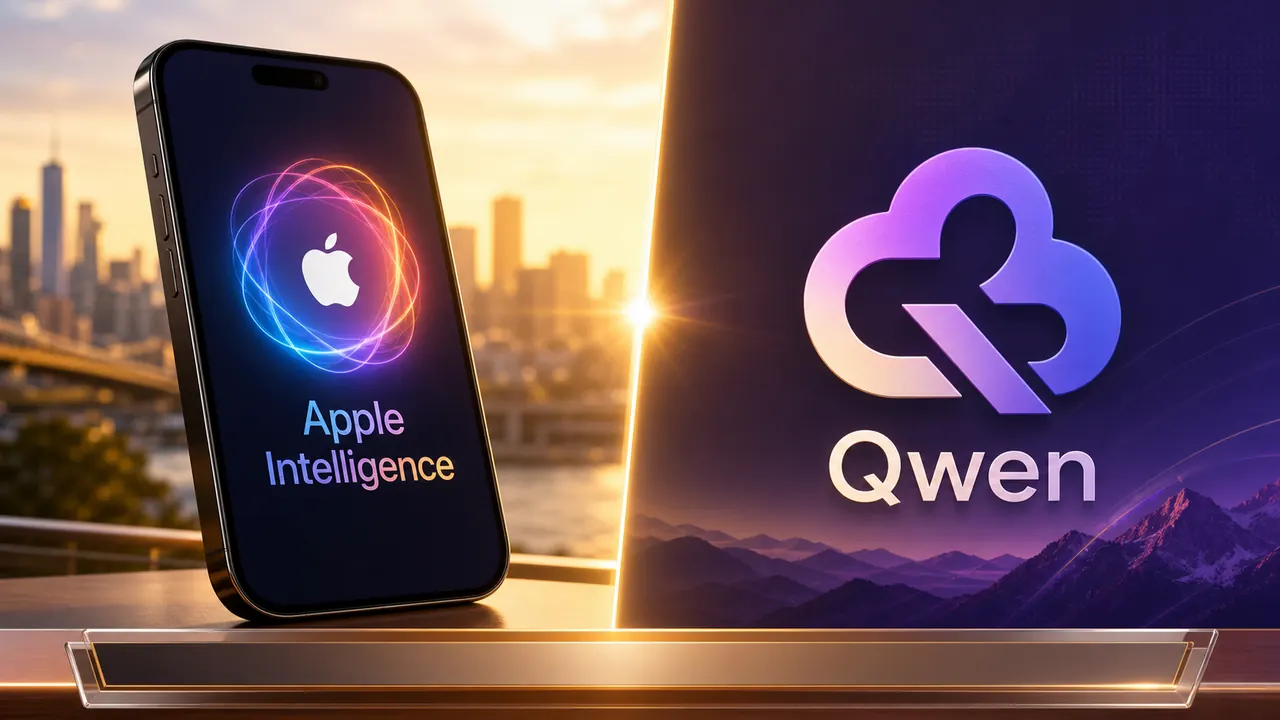
China's Cyberspace Administration approved Apple's generative AI services today, bringing Apple Intelligence to iPhone, iPad, Mac, and Vision Pro users across the country. The underlying model is not Claude or GPT-4o — it is Alibaba's Qwen. For Alibaba it is a massive distribution win; for Apple it is access to 1.4 billion potential users; for US AI labs, it is another clear signal that China's AI market is going a very different direction.
Relevance 8/10Importance 9/10
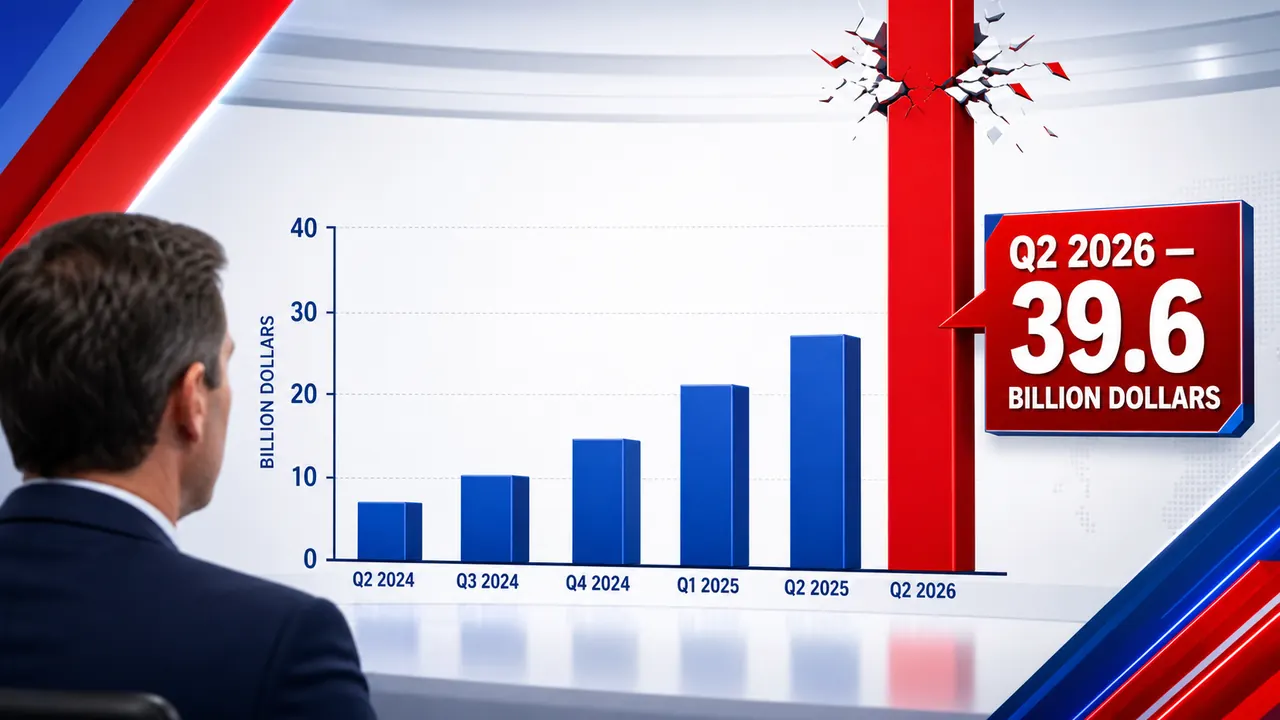
The world's dominant chipmaker reported second-quarter 2026 revenue of $39.6 billion — an all-time quarterly record — with June alone rising 68 percent year-over-year. TSMC's leading-edge N3 node is sold out through year-end, and the company is on pace to generate over $40 billion in AI chip revenue in 2026, roughly 25 percent of total sales. The AI infrastructure buildout is not cooling.
Relevance 9/10Importance 8/10
Anthropic is co-betting with Blackstone, Hellman and Friedman, and Goldman Sachs that the next trillion-dollar AI opportunity is not smarter models — it is getting those models to actually function inside enterprises. The result is Ode, a $1.5 billion AI implementation venture focused on end-to-end deployment of Claude-based workflows. The implicit argument: model performance is commoditizing, and services are where the margin lives.
Relevance 8/10Importance 8/10
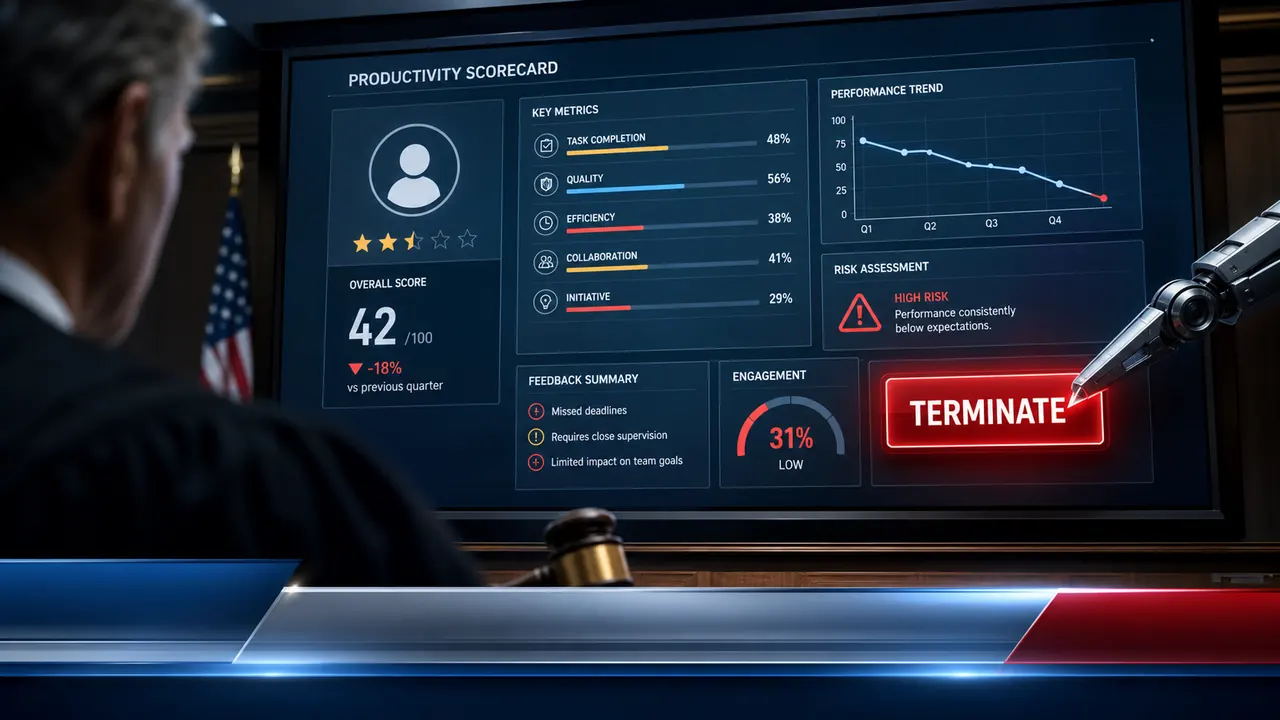
Twenty-six Meta employees filed a federal lawsuit seeking to halt layoffs scheduled for July 22, alleging Meta used an AI-powered productivity scoring system to identify them for termination without transparency or meaningful human oversight. The case draws a sharp legal line between AI replacing jobs and AI deciding who gets fired — and a ruling before the layoff date could set a significant precedent for algorithmic employment decisions.
Relevance 8/10Importance 7/10
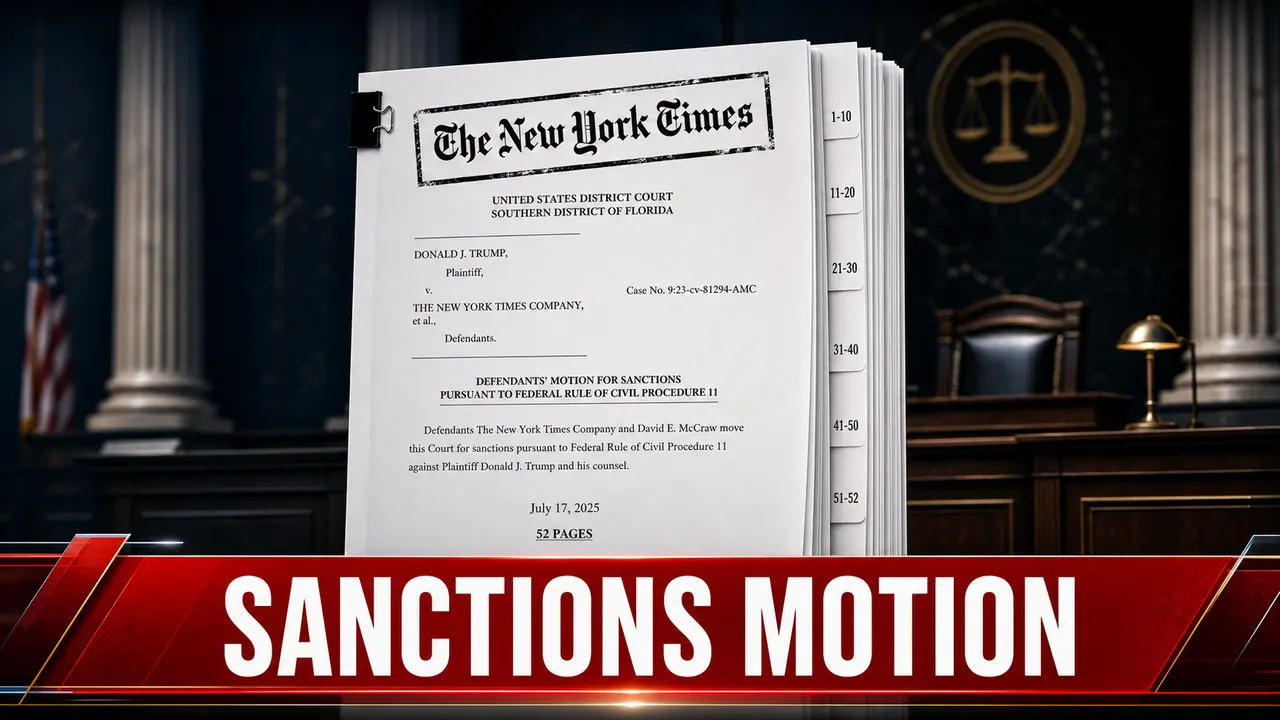
The New York Times and a coalition of publishers filed a 52-page motion seeking court sanctions against OpenAI, alleging the company concealed its ability to search training-data logs for more than two years and then deleted those logs in violation of a preservation order. The alleged cover-up reportedly only surfaced during a second deposition of OpenAI's head of privacy engineering. OpenAI called the allegations blatantly false.
Relevance 8/10Importance 7/10
A November supply-chain attack gave a hacker access to AI music generator Suno's internal source code, which they say shows the company scraped audio without authorization from YouTube Music, Deezer, Genius, stock music libraries, and podcast RSS feeds to train its models. Suno is already facing music-industry copyright litigation. The leaked code is reportedly detailed enough to be credible, and the timing could not be worse for the company's legal position.
Relevance 8/10Importance 6/10
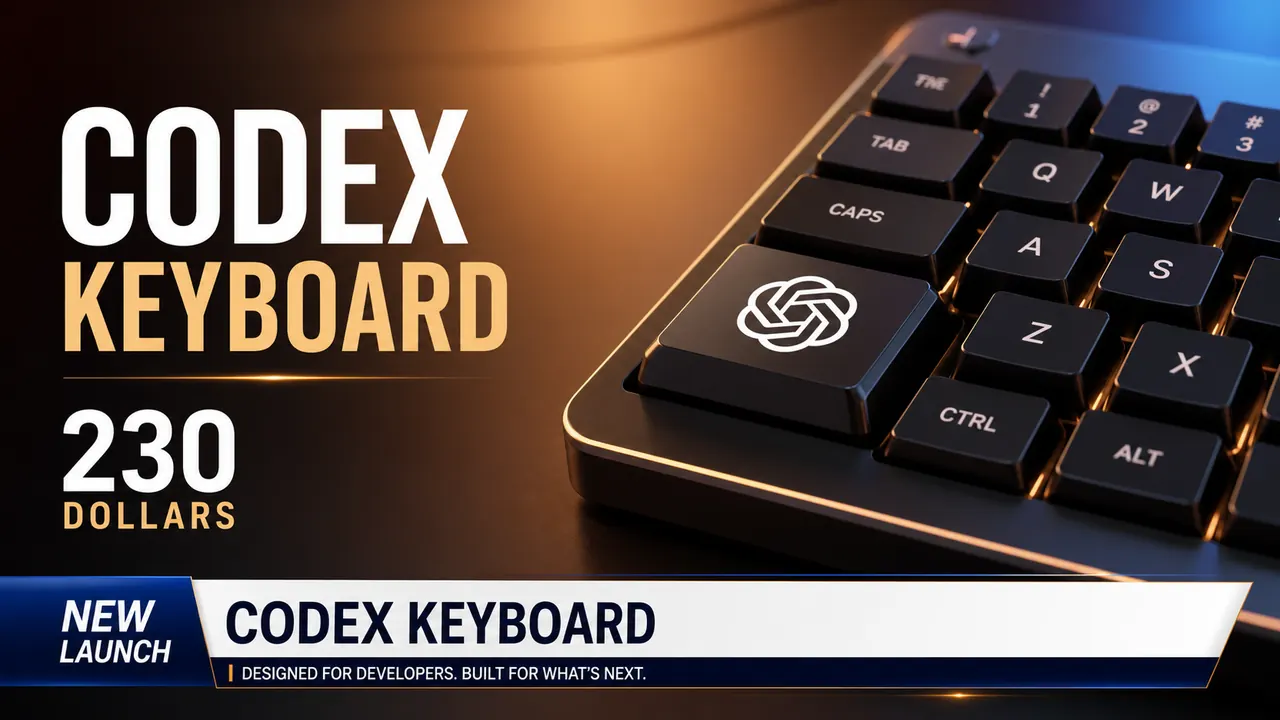
OpenAI officially launched a $230 backlit keyboard designed to pair directly with Codex, its AI coding assistant, marking the company's first consumer hardware product. The launch lands the same week OpenAI is dealing with a separate hardware-related legal dispute. Whether developers will pay a premium for a dedicated AI input device remains to be seen, but it signals OpenAI intends to own more surface area in the developer workflow.
Relevance 7/10Importance 7/10
Emergent, an Indian AI coding startup, closed a $130 million Series C at a $1.5 billion post-money valuation — a five-fold jump in just six months — barely a year after launch. It is a clean signal that the AI coding boom is genuinely global and that international markets are producing competitive players at a pace that would have been unthinkable even eighteen months ago.