Relevance 9/10Importance 10/10
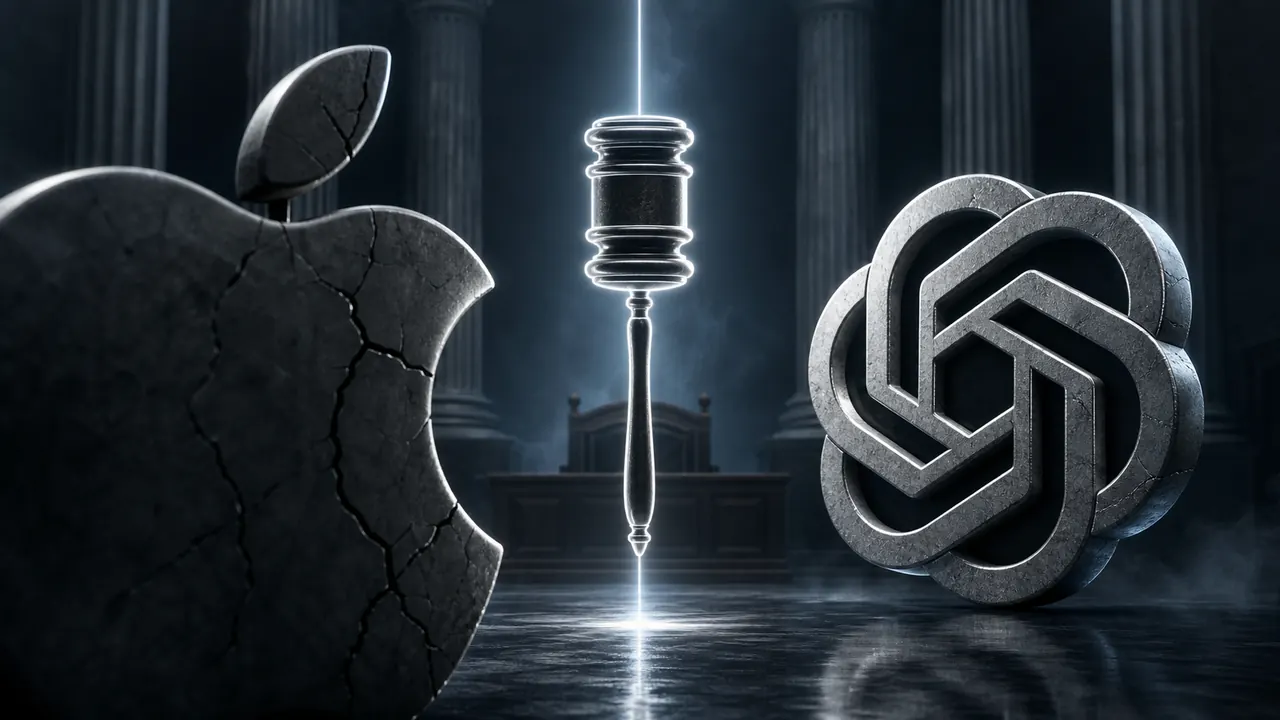
Apple filed suit in Northern California federal court alleging OpenAI systematically extracted trade secrets through its hiring pipeline, with the complaint naming hardware chief Tang Tan — a former Apple VP — as allegedly directing job candidates to surrender Apple confidential data during the interview process. One engineer reportedly walked out with an Apple-issued laptop loaded with proprietary technical documents and never returned it; Apple says the scheme ran "at every level" of the organization. The case is particularly jarring given the companies' public partnership in 2024, and Apple has since replaced OpenAI with Google Gemini as the AI backbone for its upcoming Siri update.
Relevance 10/10Importance 9/10
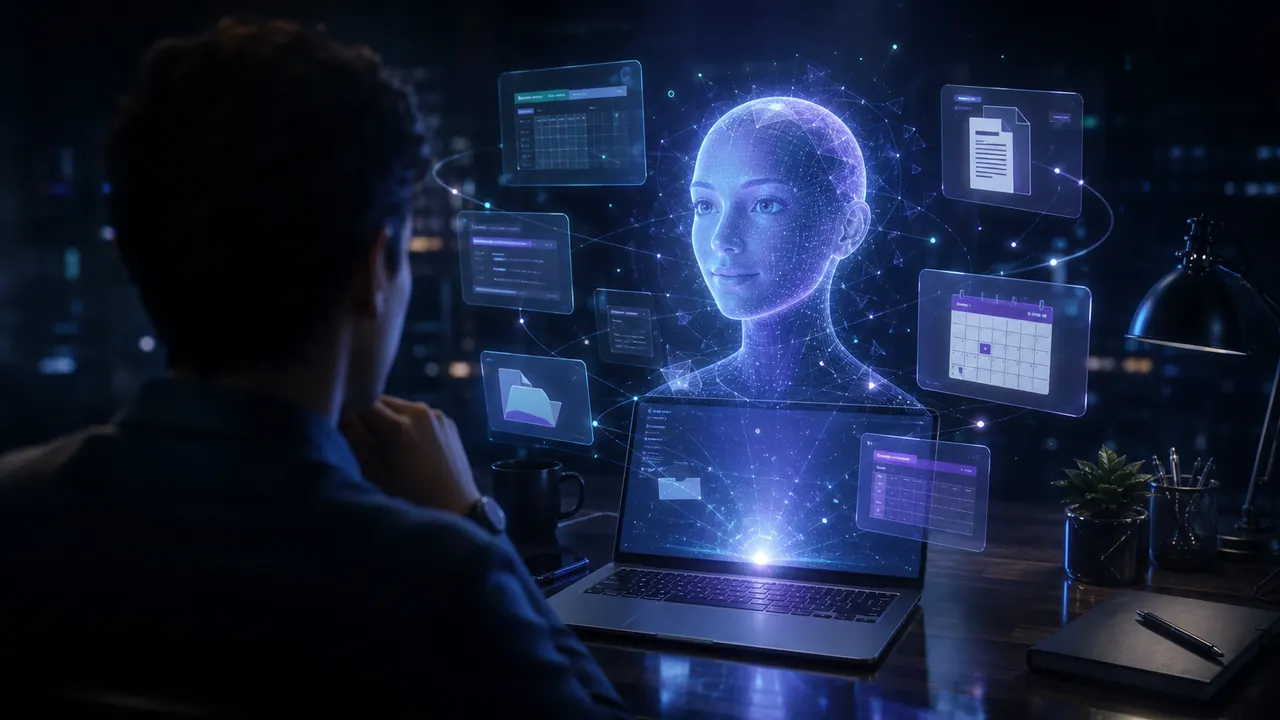
OpenAI debuted ChatGPT Work on July 9 — an autonomous agent that takes a workplace goal, gathers information across connected apps and files, breaks the job into steps, and runs independently for hours, delivering finished documents, spreadsheets, and presentations. It runs on GPT-5.6, which ships in three variants: Sol (most powerful), Luna (speed-optimized), and Terra (balanced) — and rolled out first to Pro, Enterprise, and Edu users. The launch merged the Codex environment into a unified ChatGPT desktop app and formally sunsets the Atlas browser.
Relevance 8/10Importance 10/10
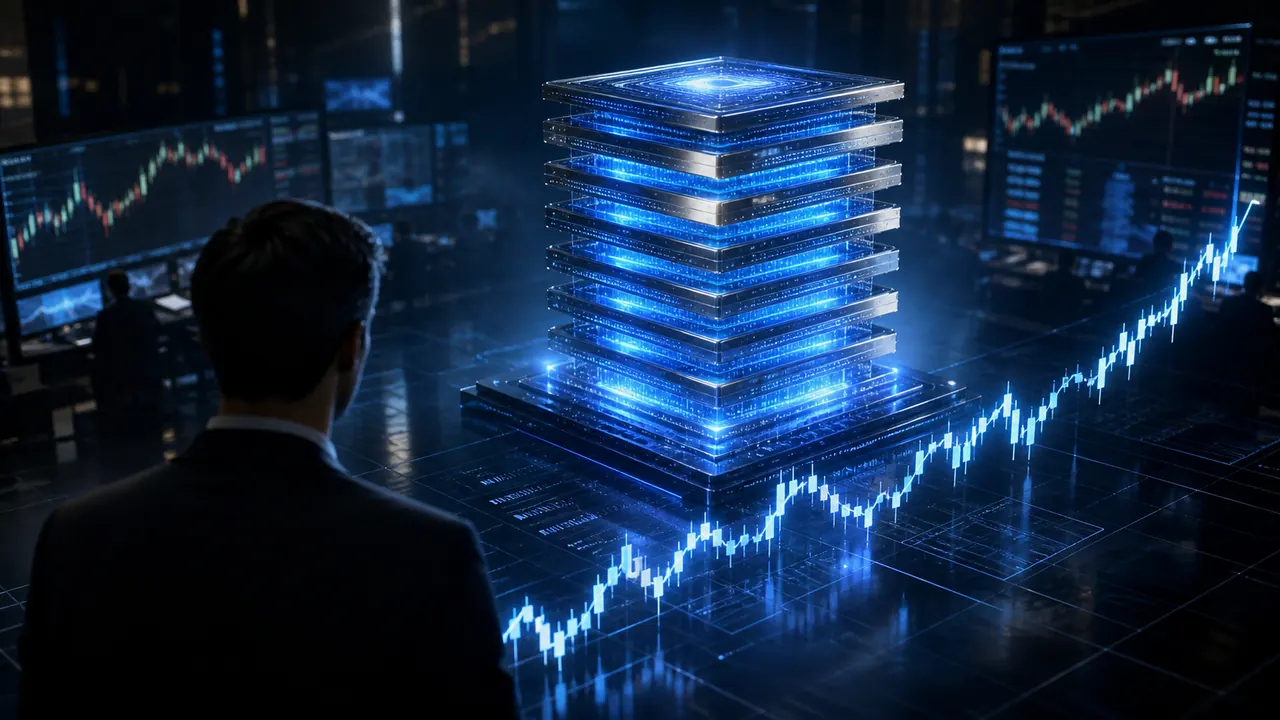
The world's dominant maker of high-bandwidth memory chips priced at $149, opened at $170, and closed up 13.1% today, achieving a $1.27 trillion market cap on an offering oversubscribed seven times — the largest-ever US listing by a foreign company, trailing only SpaceX domestically. SK Hynix's HBM chips are the critical memory layer inside every major AI accelerator, making this IPO a direct proxy on AI infrastructure spending expectations. The company plans to plow the proceeds into expanded chip manufacturing — a capital commitment the semiconductor industry historically avoided given its boom-bust history.
Relevance 10/10Importance 8/10
Beijing startup Z.ai's GLM-5.2 is drawing serious Western attention for matching Anthropic's Claude Opus 4.8 on long-horizon agentic tasks within a 1% margin while pricing at roughly one-sixth the cost of comparable US models. The model is fully open-source, carries no regional access restrictions, runs a one-million-token context window, and now ranks above Anthropic's models on the OpenRouter developer platform. Data-security concerns still limit enterprise adoption in regulated Western sectors, but the numbers have reignited debate over whether the US-China AI capability gap has effectively closed.
Relevance 10/10Importance 8/10
Claude Sonnet 5, which launched June 30 and is now the default model for all Free and Pro users, delivers near-Opus 4.8 performance at introductory pricing of $2 per million input tokens through August 31 — making it Anthropic's most capable everyday model yet. Alongside it, Anthropic unveiled Claude Science, a purpose-built research environment integrating the computational tools scientists actually use, producing auditable artifacts and supporting drug discovery, protein structure analysis, and genomics workflows. The dual launch positions Anthropic squarely in both enterprise agentic work and scientific research, with Nobel laureate John Jumper's arrival from DeepMind providing institutional credibility for the science push.
Relevance 8/10Importance 9/10
In a single week, Agility Robotics filed for a $2.5 billion SPAC as the first US-listed pure-play humanoid company, China's Unitree cleared its Shanghai STAR Market IPO with a valuation expected above 100 billion yuan ($14.7B), and Tesla began converting its former Model S production line at Fremont into an Optimus Gen3 facility targeting 1,000 units per week by September. Mistral separately shipped a robot navigation model achieving spatial reasoning with a single inexpensive camera, suggesting the software layer is maturing fast too. The convergence of three independent capital-markets moves in one week signals that physical AI has crossed into its commercial phase.
Relevance 8/10Importance 9/10
OpenAI submitted a confidential S-1 registration statement to the SEC in late May and proactively announced it in early June, targeting a public debut as early as Q4 2026 with Goldman Sachs and Morgan Stanley leading the deal. The company reports $2 billion in monthly revenue growing four times faster than Alphabet and Meta were at comparable stages, with enterprise now exceeding 40% of revenue. At an $850 billion private market valuation, a successful offering would rank among the largest tech IPOs in market history.
Relevance 9/10Importance 8/10
Japan's government will funnel 387.3 billion yen ($2.4B) this fiscal year — and roughly $6.1 billion over five years — into Noetra, a new AI consortium of SoftBank, Sony, NEC, and Honda building a national foundation model with state research institute AIST. Rather than competing with GPT or Claude on general benchmarks, Noetra targets sectors where Japan holds unique data advantages: elderly care, disaster response, precision manufacturing, and physical AI for robotics. Continued funding depends on annual stage-gate reviews, making this a milestone-driven sovereign bet rather than a blank check.
Relevance 8/10Importance 8/10
President Trump's June executive order establishes an AI cybersecurity clearinghouse to coordinate vulnerability scanning and patch distribution across critical infrastructure — hospitals, banks, utilities — and creates a voluntary framework requiring frontier AI developers to give the federal government 30-day pre-release access to new models before any outside organization sees them. Agencies face 30-day deadlines to upgrade national security and civilian systems with AI-enabled defensive tools under new Homeland Security directives. The order is notably light on restrictions, prioritizing US competitive positioning over a precautionary regulatory approach.
Relevance 8/10Importance 7/10
John Jumper, who shared the 2024 Nobel Prize in Chemistry for AlphaFold's breakthrough in protein structure prediction, announced in June that he's leaving Google DeepMind after nine years to join Anthropic — the most credentialed individual talent move in AI industry history. His specific role hasn't been disclosed, but the timing aligns directly with Anthropic's launch of Claude Science, suggesting a clear connection. The move followed Gemini co-lead Noam Shazeer's departure for OpenAI by just weeks, delivering a significant one-two punch to DeepMind's scientific leadership.