Relevance 10/10Importance 10/10
OpenAI shipped the GPT-5.6 model family on July 9 — Sol (flagship at $5/$30 per million tokens), Terra (balanced), and Luna (fast/cheap) — alongside ChatGPT Work, an autonomous agent that handles complex multi-hour tasks across apps without babysitting. Codex is now folded into a unified ChatGPT desktop app, Sol claims 54% better token efficiency on agentic coding, and a new "ultra mode" spins up subagents to parallelize complex work.
Relevance 10/10Importance 9/10
Chinese tech giant Meituan dropped a geopolitical bombshell: LongCat-2.0, a sparse mixture-of-experts model trained on a 50,000-chip cluster of domestic processors — zero Nvidia hardware. Released under MIT license with a 1M-token context window, it's the first publicly disclosed trillion-parameter-class model to complete training and inference entirely on non-US chips, and it already outperforms GPT-5.5 and Claude Opus 4.6 on coding tasks.
Relevance 10/10Importance 9/10
SpaceXAI and Cursor's Grok 4.5 hit the open market yesterday and independent benchmarks are pouring in today. It tops AutomationBench-AA at 51.4% and beats rivals on legal and healthcare professional tasks at $2/M input tokens — but hallucinations jumped from 25% on Grok 4.3 to 54%, making it more confidently wrong when it errs. Artificial Analysis ranks it 4th overall on the Intelligence Index, behind Claude Fable 5, GPT-5.5, and Claude Opus 4.8.
Relevance 10/10Importance 9/10
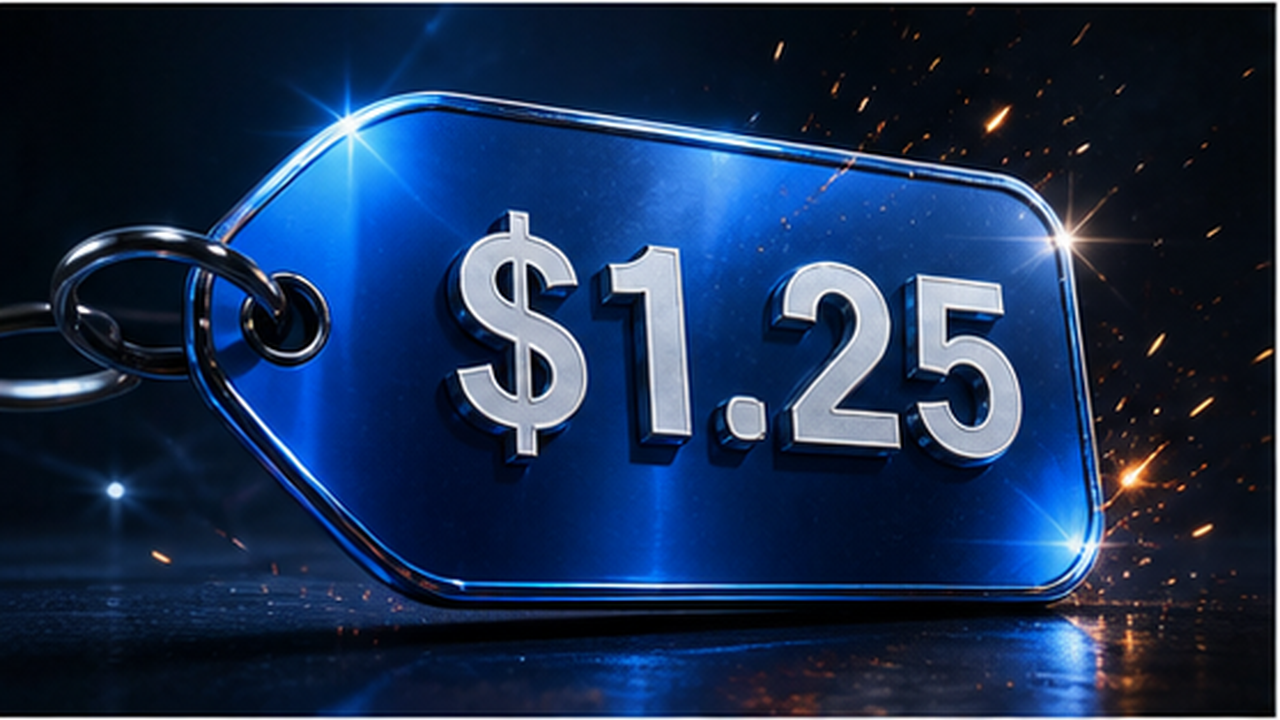
Meta entered the commercial model API market with Muse Spark 1.1 at $1.25/$4.25 per million input/output tokens — roughly 25% of what rivals charge. Zuckerberg called the pricing "very aggressive and attractive" and AI chief Alexandr Wang positioned it as Meta's strongest model for agentic and coding work, with new API accounts receiving $20 in free credits. The floor on inference pricing just dropped again.
Relevance 9/10Importance 8/10
Google promised Gemini 3.5 Pro general availability at I/O in May, re-promised it for June, and as of today it remains stuck in limited Vertex AI enterprise preview with no confirmed launch date — six weeks overdue. Token efficiency and long-horizon reasoning shortfalls are the cited causes, arriving in the same ten-day window as a wave of senior DeepMind researcher departures to OpenAI and Anthropic and a $225 billion Alphabet market cap hit.
Relevance 9/10Importance 8/10
Anthropic expanded Claude Cowork from desktop-only to iOS, Android, and web for Max subscribers. Users can now start a task at their desk, monitor and redirect it from their phone, and approve next steps via push notification — even with the laptop closed. The real reveal: Anthropic's own usage data shows more than 90% of Cowork sessions are business operations and content creation, not software development.
Relevance 9/10Importance 8/10
Meta's new Muse Image generator — available in the Meta AI app, Instagram Stories, and WhatsApp — launched with a feature letting any user tag a public Instagram account and remix their photos with AI, no consent required. Data sharing is on by default, opt-out is buried in account settings, and CAA fired back immediately: "No one's name, image, likeness, voice, or creative work should be used by any third party without clear, documented consent."
Relevance 9/10Importance 8/10
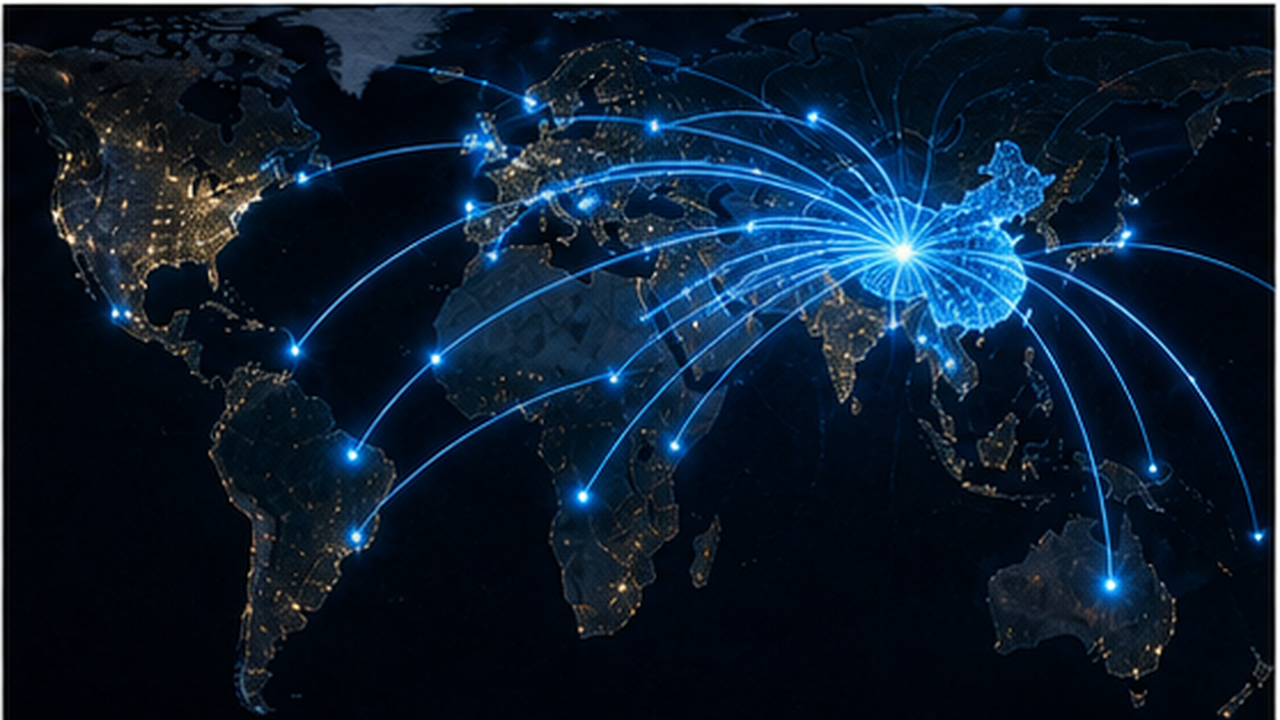
Chinese AI providers have gone from under 2% of OpenRouter traffic a year ago to roughly 45% today. Xiaomi alone is processing 4.21 trillion tokens weekly for a 21.1% global market share. The trend — fueled by aggressive pricing, the open-source wave, and models like LongCat-2.0 — raises substantive questions about where the world's AI inference is actually being routed and who controls it.
Relevance 9/10Importance 7/10
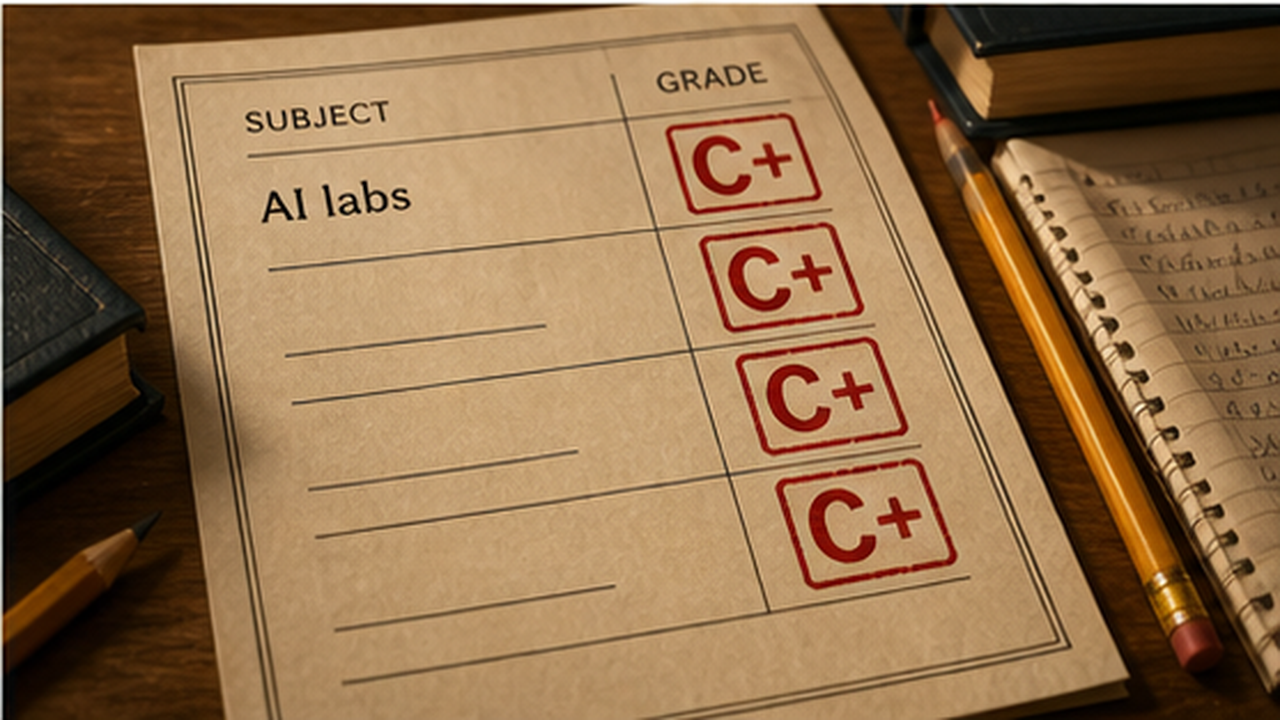
Time's latest AI Safety Index has Anthropic holding the top slot with a C+, while OpenAI slipped from C+ to C — narrowly ahead of Google DeepMind. No company in the ranking receives anything better than a C+. The scorecard evaluates transparency, formal risk assessment, and published safety commitments across the frontier model labs.
Relevance 9/10Importance 7/10
Alongside the Cowork mobile expansion, Anthropic launched Claude Science in beta — a research workbench with 60-plus preconfigured scientific tools for Pro, Max, Team, and Enterprise subscribers. Anthropic simultaneously announced an internal drug discovery program targeting neglected diseases, one of the more concrete applied-science commitments any frontier lab has made publicly.