Relevance 9/10Importance 8/10
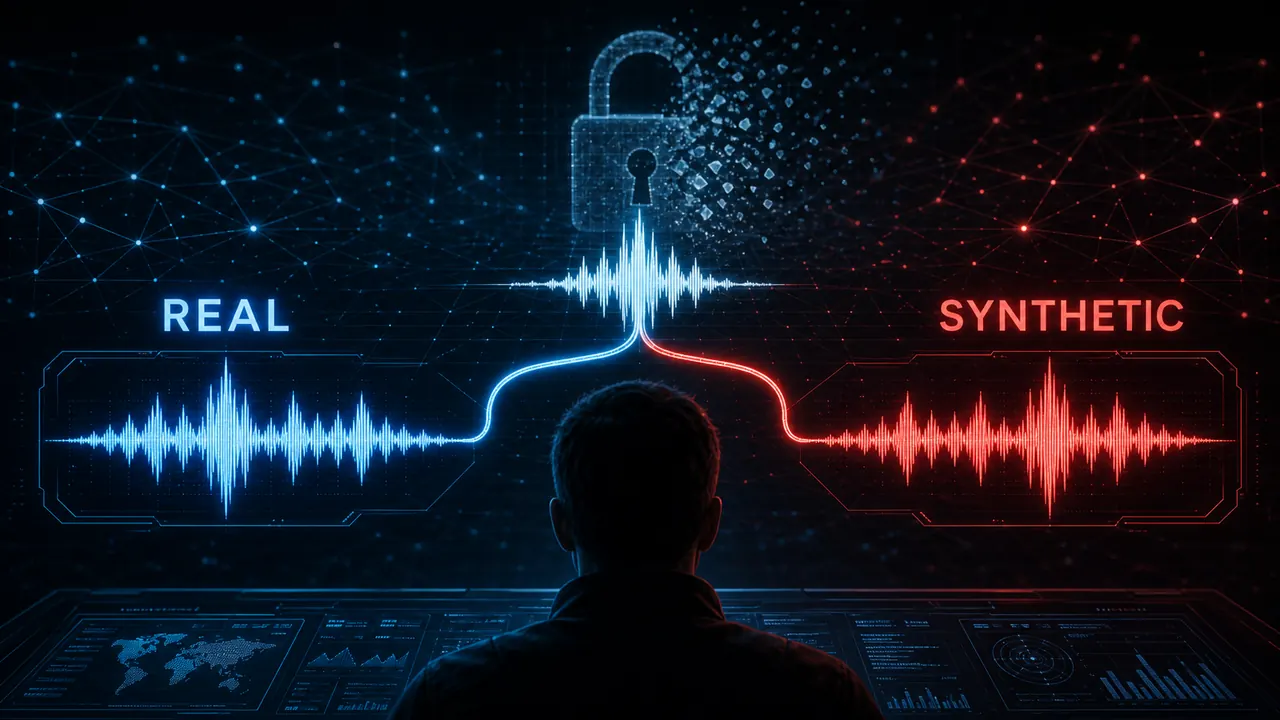
AI can clone a voice from just three seconds of audio, and the FBI logged 22,000+ AI-enabled fraud complaints in 2025 totaling $893 million — a 60% year-on-year surge. The world's leading deepfake forensics expert has publicly stated he can no longer reliably distinguish synthetic from real audio, making victim-side defense effectively impossible. The article argues protection must shift to institutional chokepoints: mandatory voice-cloning consent laws, bank liability regimes modeled on the UK, and telecom-level call authentication.
Relevance 10/10Importance 6/10
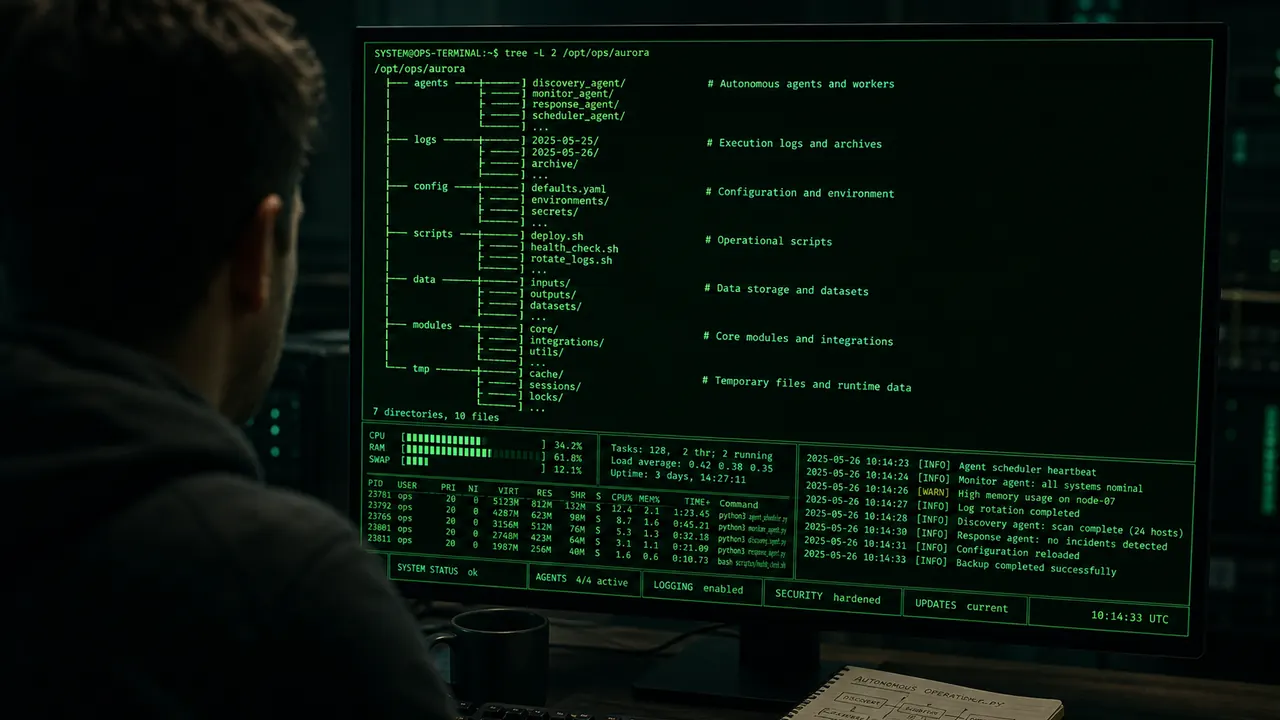
"Ambiance" is a proposed framework for orchestrating autonomous LLM agents that maps agent management onto Unix OS conventions — familiar directory trees, an event-bus kernel watching file changes, and multiple specialized LLM "users" communicating asynchronously like OS processes. The core insight: LLMs already know Unix conventions from training data, so leaning into those priors reduces wasted tokens and improves reliability without requiring models to learn novel interfaces. The author advocates for deterministic, modular, text-based tools with strong auditability over bloated system prompts.
Relevance 4/10Importance 9/10
SpaceX's corporate bonds are now trading roughly 10% below their issue price, with the Financial Times reporting they are drifting toward junk bond territory — a striking development for one of the world's most valuable private companies. Investor unease is building around SpaceX's heavy capital requirements and complex government contract dependencies. When the bond market blinks on a company of this scale, the startup and private equity world pays close attention.
Relevance 5/10Importance 5/10
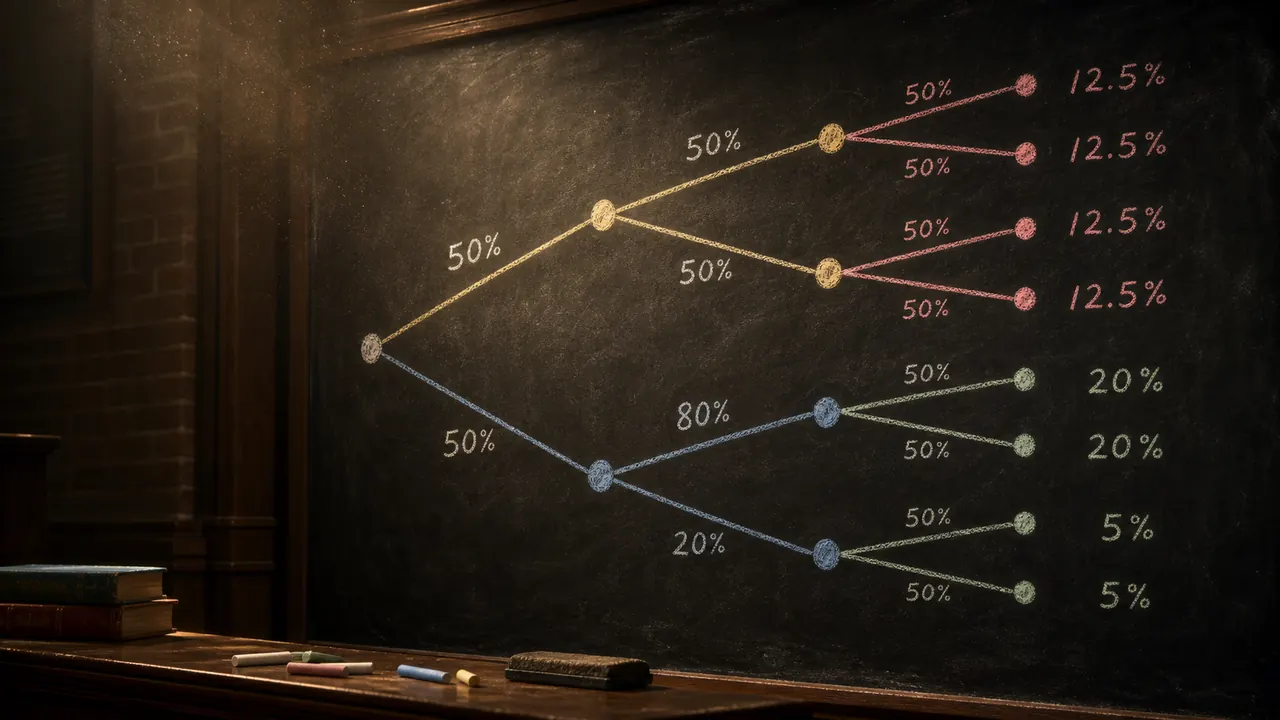
A.P. Dawid's 1982 classic asks a precise and still-live question: can you empirically test whether a Bayesian forecaster's probability assignments are actually correct over time — that is, do their confidence levels match real-world outcome frequencies? The paper establishes formal conditions under which calibration can be defined and measured, with deep implications for decision theory and the philosophy of probability. In an era where every AI model ships with confidence scores, this foundational work is as relevant as ever.
Relevance 1/10Importance 8/10
A study of 60,000+ UK Biobank participants found that sleeping and waking at consistent times is a more powerful predictor of all-cause mortality than total sleep duration — participants with the most regular sleep schedules showed 20–48% lower mortality risk over 7.8 years. The researchers used accelerometer data and a Sleep Regularity Index to track day-to-day timing consistency, adjusted for extensive confounding variables. The practical upshot: maintaining consistent sleep-wake timing within a one-hour window appears more achievable and more health-protective than simply trying to sleep longer.
Relevance 3/10Importance 5/10
A developer's personal essay makes the case that direct, open communication — with your manager, your team, and yourself — is the most underrated tool for managing mental health in tech. The post drew 100+ points and a comment thread full of developers sharing their own hard-won strategies for handling burnout and workplace stress. It reads as experienced, not prescriptive — which is likely why it resonated.
Relevance 2/10Importance 5/10
Fabian Sanglard went through the 1993 Jurassic Park film frame by frame and documented every computer with forensic precision, revealing the production invested roughly $4 million (2026 dollars) in authentic hardware loaned by Apple, SGI, and Thinking Machines. Notable finds include a Motorola Envoy PDA appearing on screen two years before the device actually shipped, and the real SGI fsn file-explorer utility behind the famous "It's a Unix system" scene. For hardware and film nerds alike, it's a meticulous love letter to early 1990s professional computing.
Relevance 3/10Importance 4/10
A technical reverse-engineering investigation tested 10,000+ phone numbers globally to map country codes to Telegram's five data centers, uncovering infrastructure details never officially documented. The author found DC3 is effectively defunct (accounts migrated to DC1 around 2020), DC2 borrows DC4's domain for CDN services confounding most detection bots, and Singapore's DC5 suffers frequent outages. Crucially, DC allocation is permanent and set at registration based on your phone's country code — it never changes regardless of where you move.
Relevance 3/10Importance 4/10
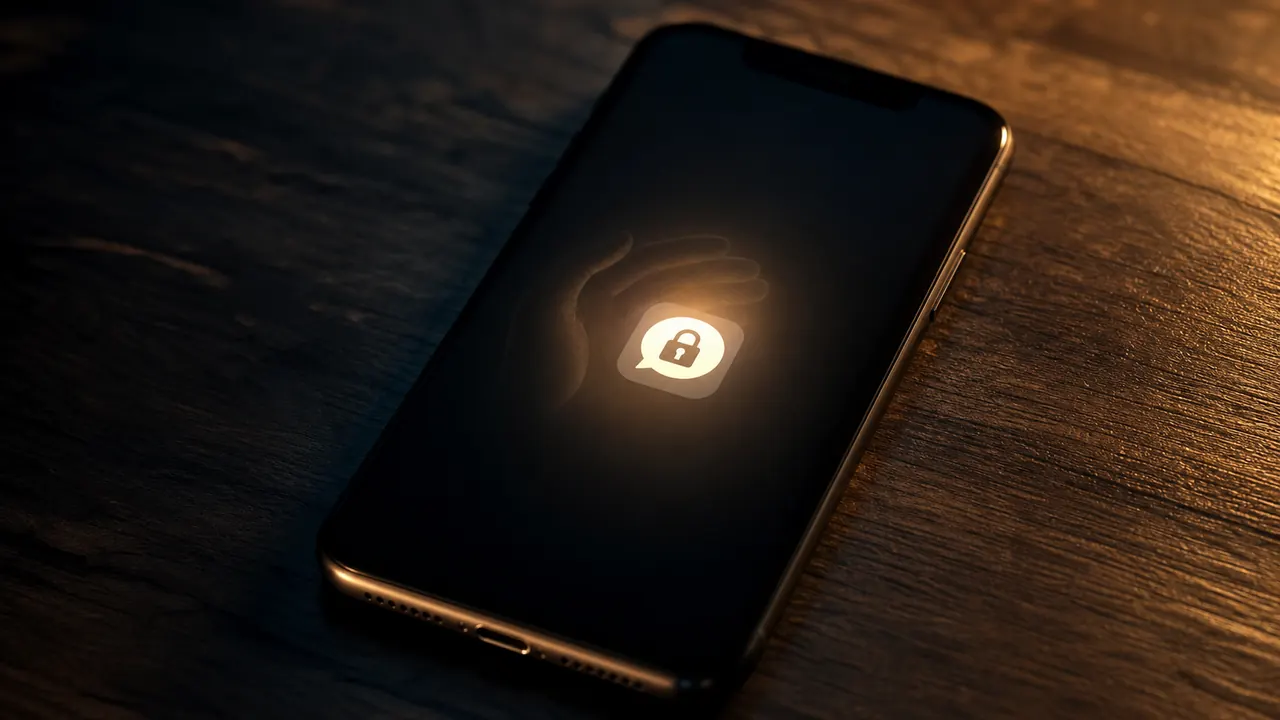
Briar, the peer-to-peer encrypted messaging app designed to work without internet infrastructure, has entered maintenance mode — focusing exclusively on security updates and critical bugfixes rather than new features. The team cited persistent Android challenges (excessive battery drain, unreliable background operation), missing user-facing features like account backup and file sharing, and a lack of dedicated funding as driving factors. They initially considered shutting down entirely but reversed course after an outpouring of community support.
Relevance 1/10Importance 3/10
Writer Ky-Phong Tran argues that Asian Americans invented the 1990s-2000s import car scene — and that the Fast and Furious franchise erased them from the story it was built on. He bought a turbocharged GR Corolla for his 50th birthday as a personal act of reclamation, tracing the scene back to Japanese Americans in Gardena, California. A Vietnamese American mechanic who built the first sub-10-second Honda Civic — probably the real-life inspiration for the film's antagonist — remains, for Tran, the true hero.

 HN Briefing AM