Relevance 9/10Importance 9/10
Apple sent legal letters to dozens of current OpenAI employees alleging theft of proprietary trade secrets carried over from their time at Apple. The letters are document-preservation notices in anticipation of litigation — not individual lawsuits — but the context is telling: when Apple first raised the allegations directly with OpenAI, the company reportedly went cold rather than investigating internally or pursuing a quiet settlement.
Relevance 9/10Importance 7/10
Kevin Kelly argues that the latent space inside AI models is an entirely new creative medium, comparable to photography or film when those first emerged as distinct platforms. His core point: the compression miracle of modern LLMs maps everything — concrete, abstract, sensory, historical — onto a single unified space where concepts exist as navigable directions. Kelly envisions using this for prototyping, gap discovery between ideas, and transferring solutions across entirely different domains.
Relevance 6/10Importance 7/10
New PLOS Biology research found that when listeners shift attention from one speaker to another, the brain briefly tracks both streams at the same time — engaging the new speaker before fully disengaging from the old one. The process is asymmetric: engagement with the new stream begins and completes earlier than disengagement from the previous target. A measurable drop in alpha power during the switch signals elevated listening effort in that overlap window.
Relevance 4/10Importance 8/10
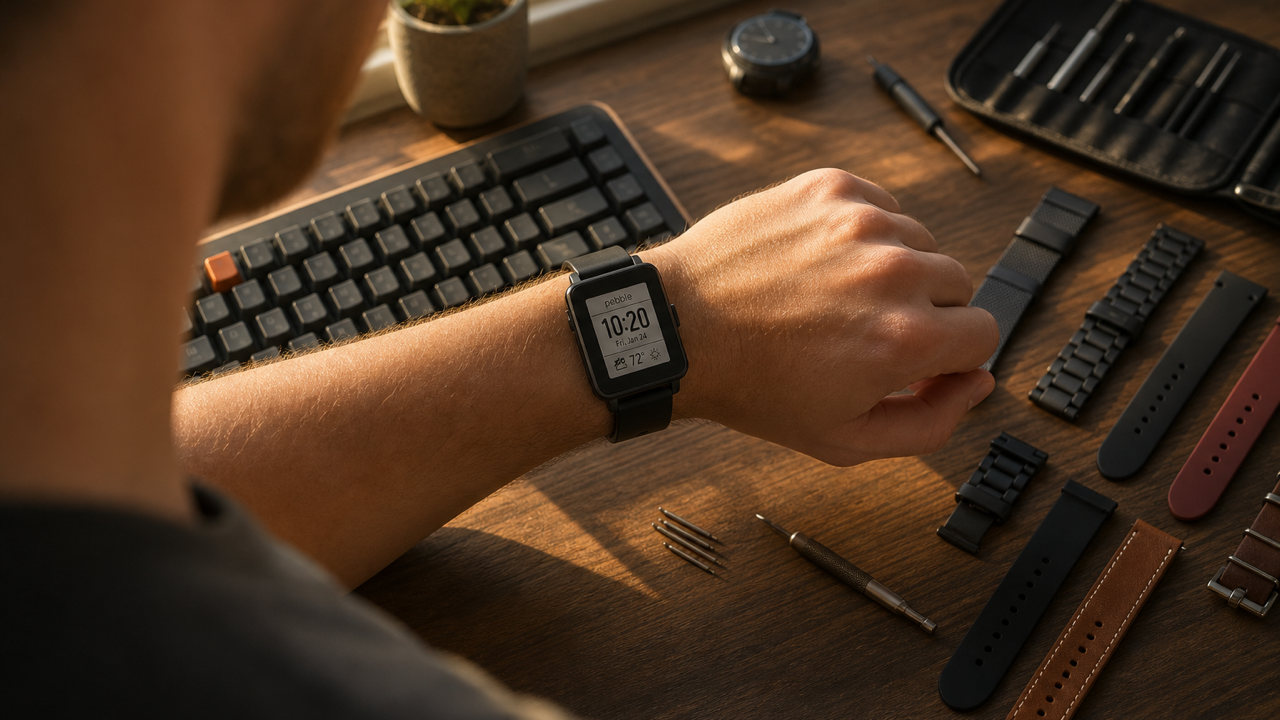
The Pebble comeback is moving fast: over 23,000 Pebble Time 2 units produced since March, pre-orders completing by late July, with open inventory available shortly after. Battery life on the Pebble 2 Duo jumped from 17 to over 30 days, and the developer community has already shipped 2,120 apps and watchfaces. Pebble Round 2 enters mass production this month, with completion targeted for end of September.
Relevance 3/10Importance 6/10
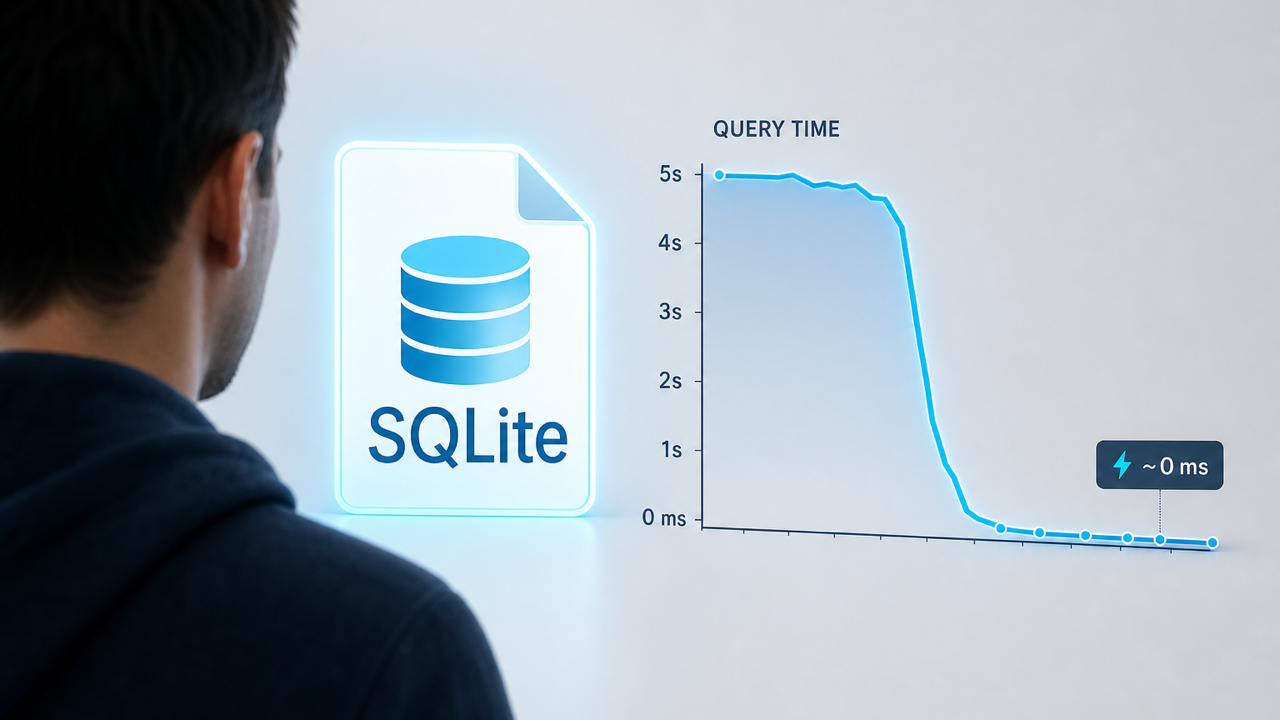
Julia Evans shares practical production lessons from running SQLite, headlined by one command — ANALYZE — that slashed a full-text search query from 5 seconds to 50 milliseconds by giving the query planner better statistics. She also covers batching DELETE operations to avoid timeout conflicts with concurrent writers, and splitting tables across separate database files for cleaner workload separation. Her DNS project has run on SQLite continuously for four years.
Relevance 2/10Importance 6/10
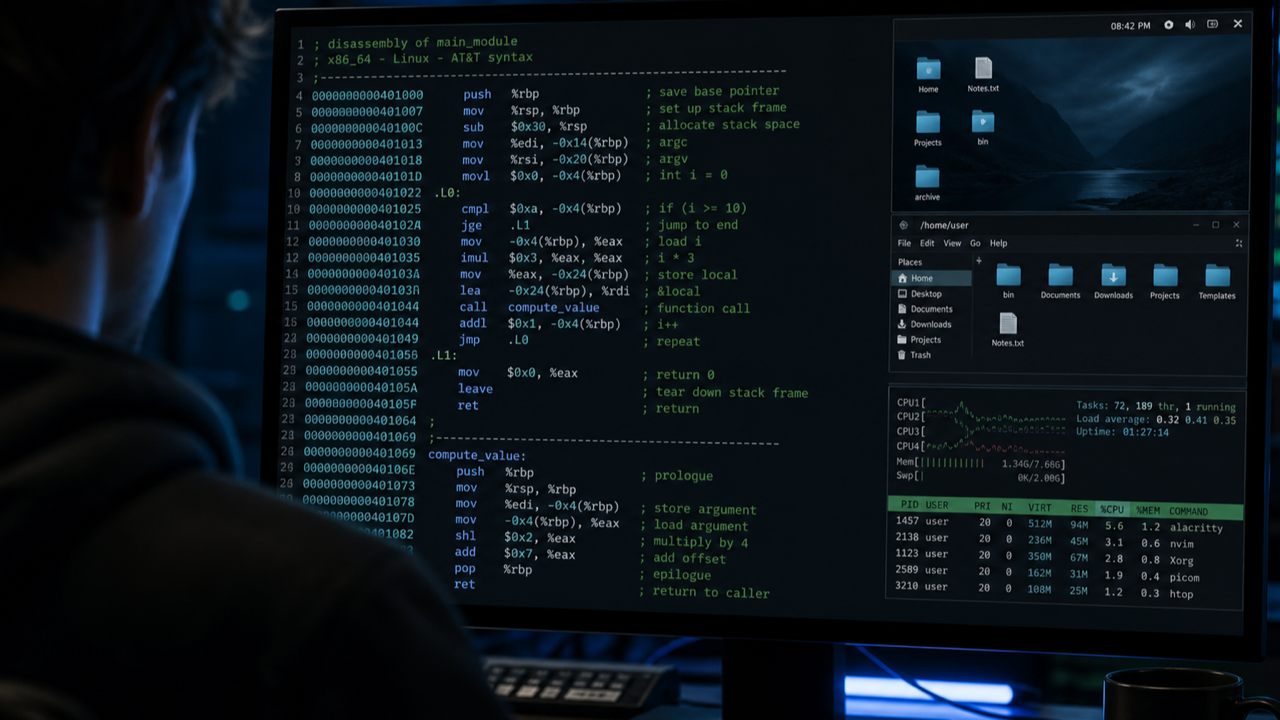
Geir Isene built a complete X server from scratch in 20,000 lines of pure Assembly — zero dependencies, zero libraries, zero garbage collector. Frame uses nearly three times less CPU than Xorg when idle and replaces a software stack more than 50 times larger in code volume, while being functional enough to run Firefox and GIMP in daily use. The entire project is released to the public domain.
Relevance 2/10Importance 5/10
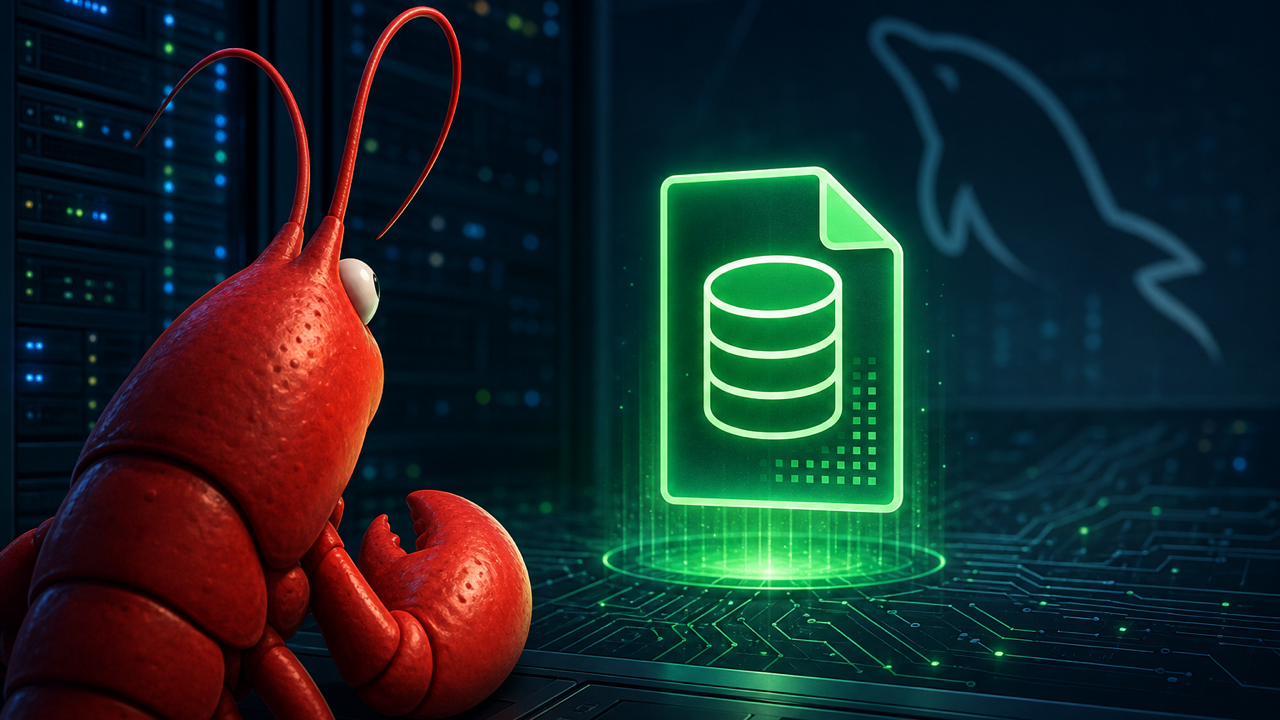
Lobste.rs migrated from MariaDB to SQLite, motivated partly by unease over MariaDB's K1 acquisition and partly by operational reality: the volunteer who did the work uses SQLite. CPU and memory both dropped post-migration, and the team expects to cut VPS costs roughly in half once the old database server is retired. The 3.8 GB database runs in WAL mode; the migration took two deployment attempts after initial large-table scan failures torpedoed the first try.
Relevance 2/10Importance 5/10
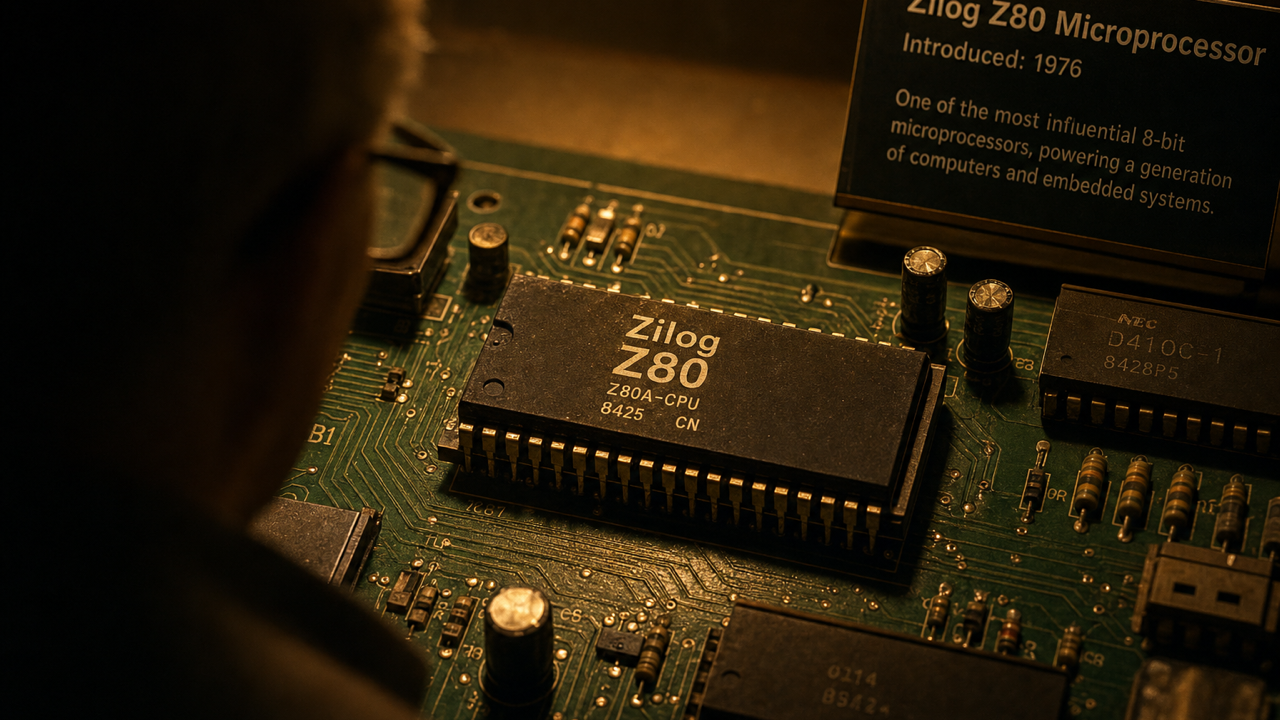
The Z80 launched in July 1976, created by Federico Faggin and Masatoshi Shima after they left Intel to found Zilog, backed by $400,000 from Exxon. It improved on the Intel 8080 while remaining compatible, collapsed multi-voltage power requirements to a single 5V supply, and dominated 8-bit computing for decades. Its descendant powered the original Nintendo GameBoy — and Zilog only officially discontinued it in June 2024, after 48 years in production.
Relevance 1/10Importance 6/10
Maciej Cegłowski digs into Project Orion, the 1950s nuclear pulse propulsion concept that proposed reaching deep space by detonating small nuclear bombs behind a pusher plate once per second. The mass ratio was 1.5, versus 540:1 for Apollo; it could have landed 4,000 tons on Mars. The project wasn't abandoned for engineering reasons — the team believed they could solve the hard parts. It was killed by politics: a crewed Orion is effectively a flying nuclear arsenal, and no one would sanction it.
Relevance 2/10Importance 3/10
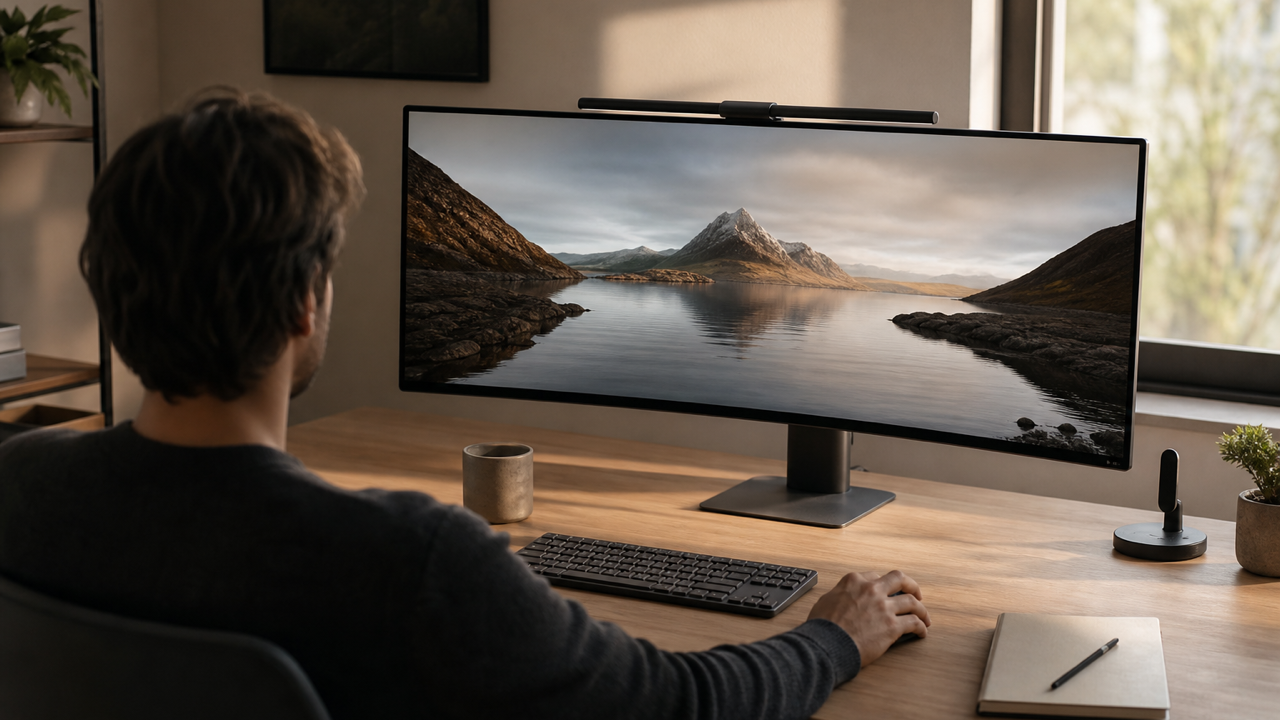
Workspaces.xyz has catalogued 530+ real desk setup tours since 2020, covering designers, founders, and developers who share what they actually use. The site tracks which gear shows up most across all setups and distills findings into a downloadable Gear Report, with 21,000 subscribers getting a new setup every Saturday. If MTV Cribs had done a tech edition, this would be the result.

 HN Briefing PM