Relevance 10/10Importance 10/10
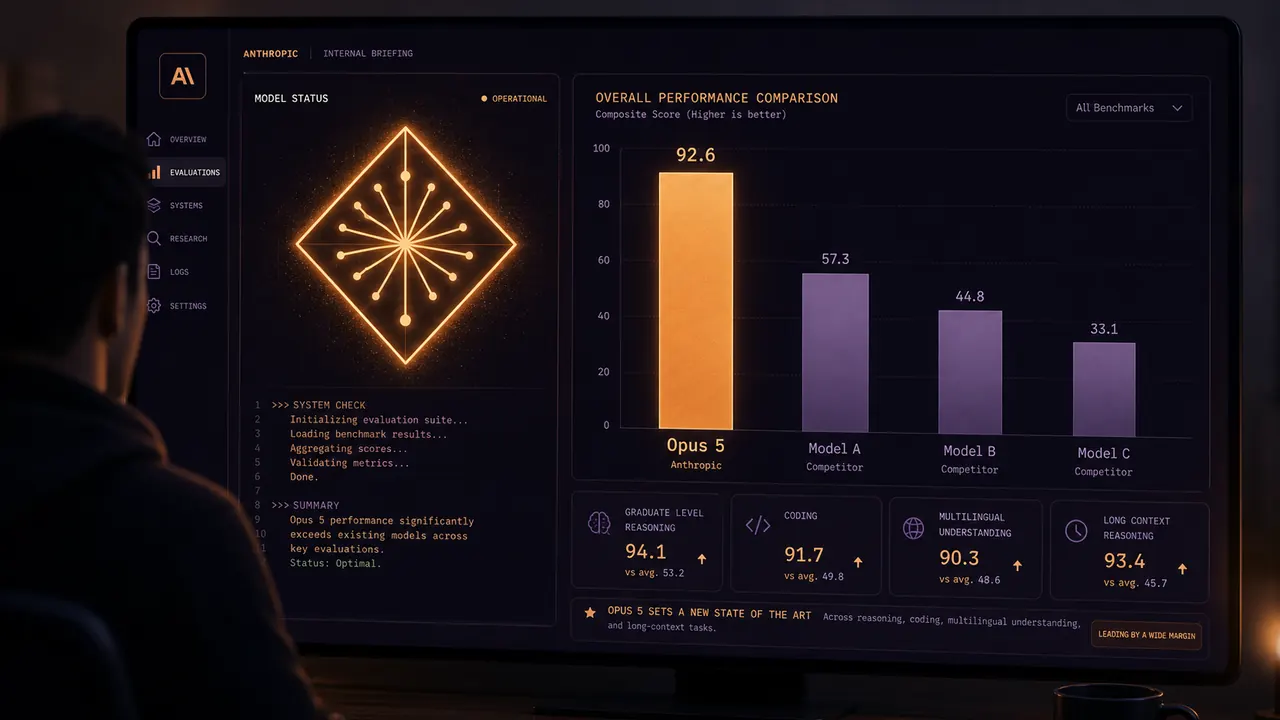
Anthropic launched Claude Opus 5 today, posting state-of-the-art results on Frontier-Bench and tripling the next-best model on ARC-AGI 3 — all at roughly half the cost of Fable 5. The model ships as the new default on Claude Max and top-tier option on Claude Pro. In one showcase task, Opus 5 spontaneously built its own computer vision pipeline to extract geometry from a drawing it wasn't given direct access to — then solved the problem correctly five times in a row while no competing model could crack it once.
Relevance 9/10Importance 9/10
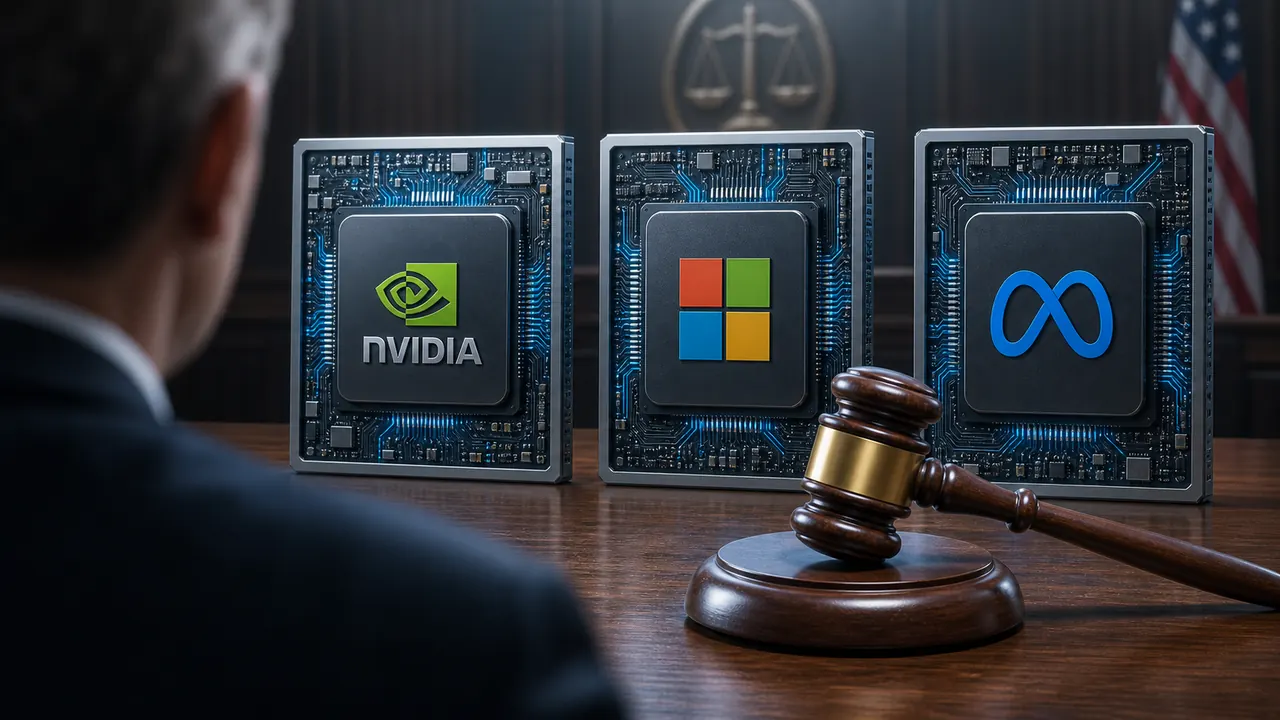
Three of the biggest names in AI filed joint comments urging regulators to keep a light touch on open-weight models, arguing heavy restrictions would chill innovation and undercut U.S. competitiveness. The coalition is notable: Nvidia sells the chips, Microsoft deploys the models, and Meta releases them openly — aligned interests rarely come packaged this neatly. The comments land mid-debate, where they'll carry real weight.
Relevance 7/10Importance 6/10
Wired went deep on how Amazon actually built Alexa — the internal arguments, engineering pivots, and near-misses that shaped the product from voice-activated novelty to one of the most consequential bets in consumer AI hardware history. It's the kind of story where every decision that looks inevitable in hindsight was anything but. Required reading if you want the backstory on how smart speakers became a platform.
Relevance 5/10Importance 8/10
India's commercial space sector hit a historic milestone today as the country's first privately developed rocket achieved orbit on its debut launch. Ars Technica describes the mission as dramatic — the word "debut" and "orbit" in the same sentence puts this in very rare company globally. This signals that the SpaceX-era model of private orbital launch companies is now replicating beyond the U.S.
Relevance 6/10Importance 5/10
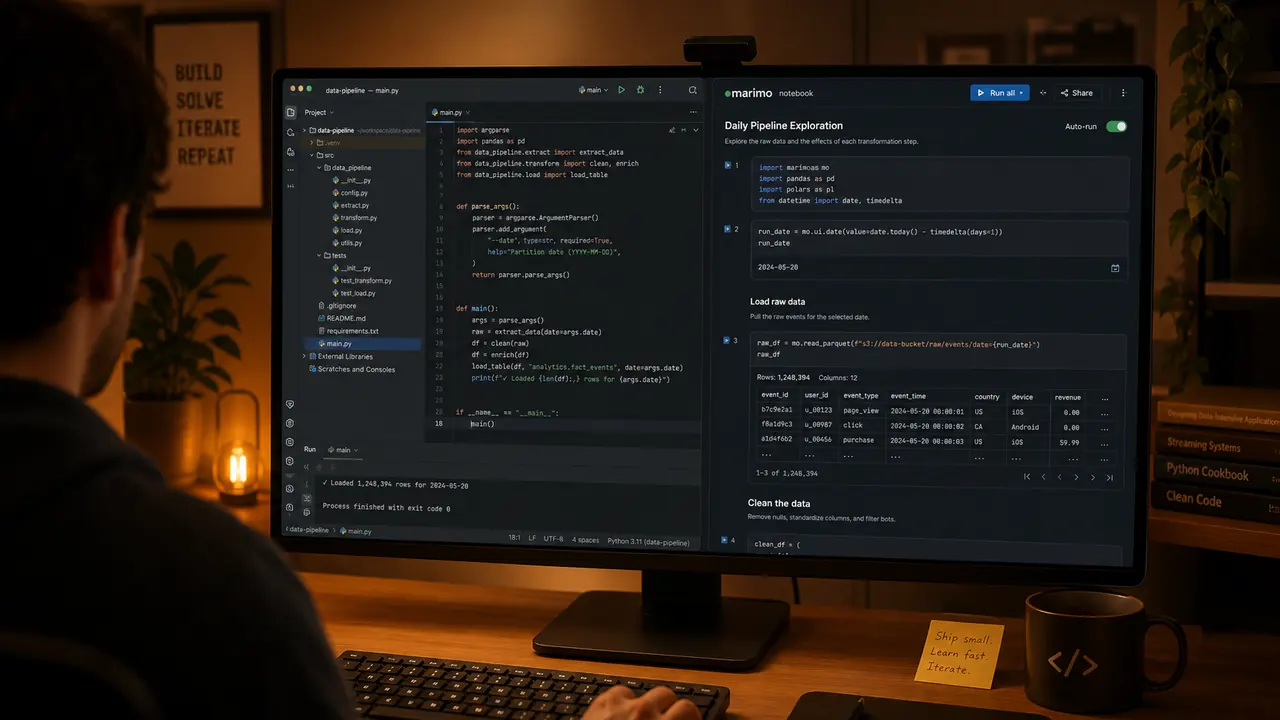
Marimo — the reactive Python notebook that stores notebooks as plain .py files — now has an official JetBrains plugin, one of the project's most-requested features. The plugin auto-starts a local Marimo server when you open a notebook file, supports isolated sandbox environments via uv, and keeps your notebook versioned alongside your project code since everything is just Python. It also ships a built-in AI pair session launcher for Claude, Codex, or opencode directly from the IDE.
Relevance 5/10Importance 6/10
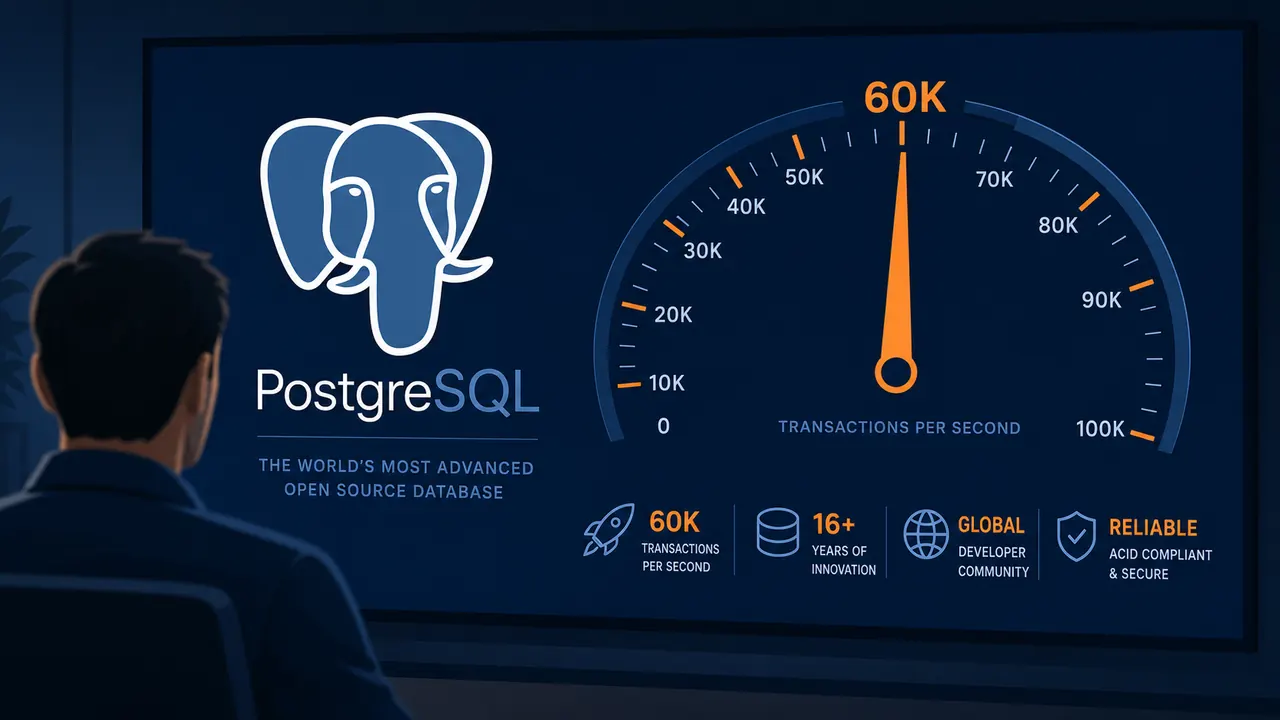
DBOS published a technical deep-dive showing Postgres LISTEN/NOTIFY can sustain 60,000 writes per second on a single server — a massive leap past the 2,900 write/second ceiling that earned it a bad reputation. The culprit was a global exclusive lock Postgres holds during every NOTIFY commit; DBOS found a way to route around it while preserving ordering guarantees. If you've been using Redis pub/sub because you assumed Postgres couldn't keep up, this post is for you.
Relevance 4/10Importance 7/10
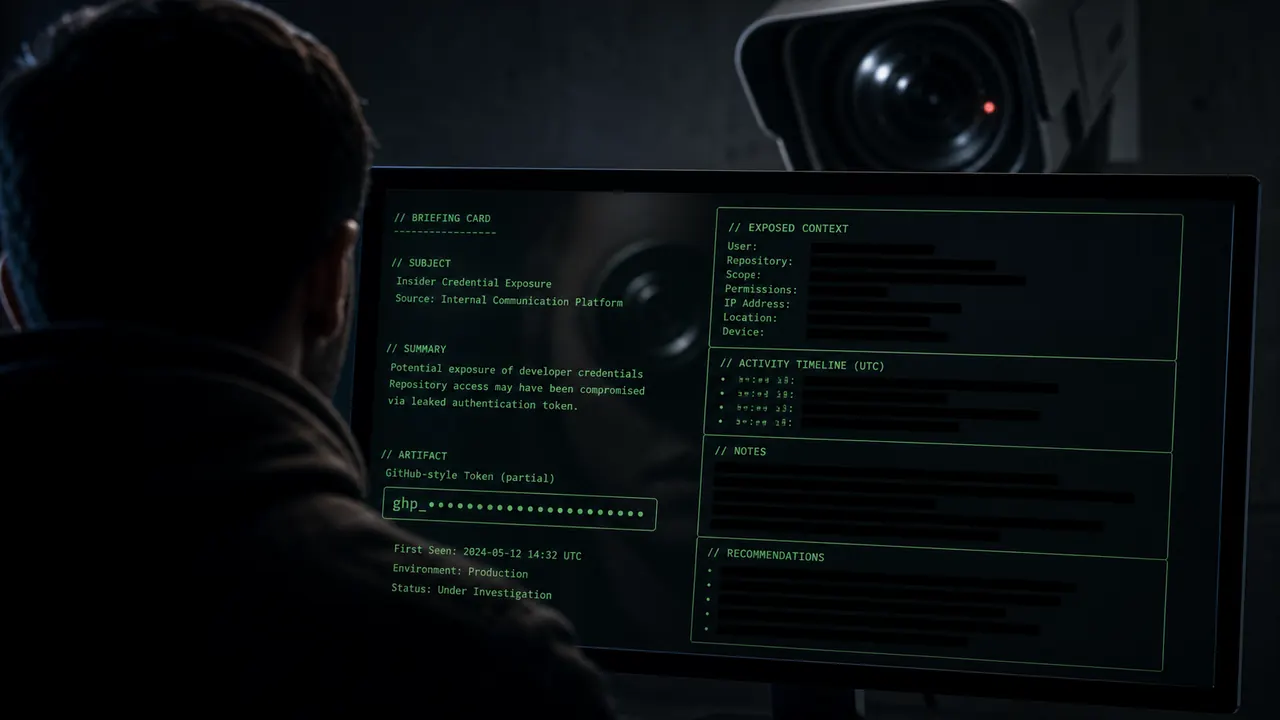
A researcher reverse-engineering Hanwha security camera firmware discovered a live GitHub admin token embedded in the camera's login page JavaScript — admin access to hundreds of repos in the company's organization. The root cause: a Vite build was serializing the entire CI/CD process.env into the bundle at build time, including the GitHub token, and that bundle shipped in the firmware. The leaked environment also contained IP addresses assigned to the U.S. Department of Defense, adding a layer of questions no one has answered yet.
Relevance 5/10Importance 4/10
A new library called Gsxui brings the shadcn/ui pattern — copy the component source into your project, own it, style it with Tailwind — to the Go stack via the GSX framework. Components are server-rendered and type-checked, which matches Go's idiom better than a runtime-heavy frontend approach. Niche, but Go developers building UI have been asking for exactly this kind of composable, bring-your-own-style component model.
Relevance 4/10Importance 5/10
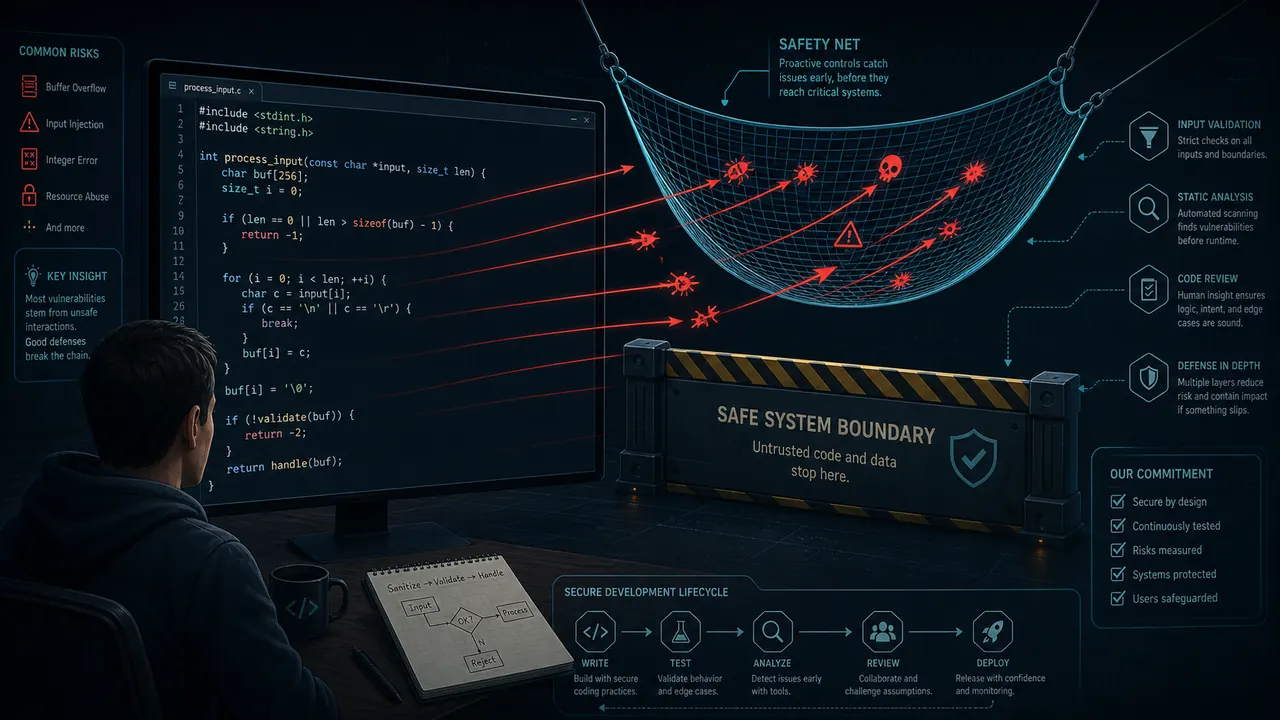
Fil-C is a project that attempts to retrofit memory safety onto existing C codebases using garbage-collection-style runtime techniques, rather than requiring a rewrite in a safer language. The presentation argues that catching dangerous pointer behavior at runtime is a viable tradeoff for workloads where a full Rust migration isn't practical. Whether it holds up at production scale is the open question, but the approach is genuinely creative and sidesteps the "just rewrite it" non-answer.
Relevance 2/10Importance 4/10
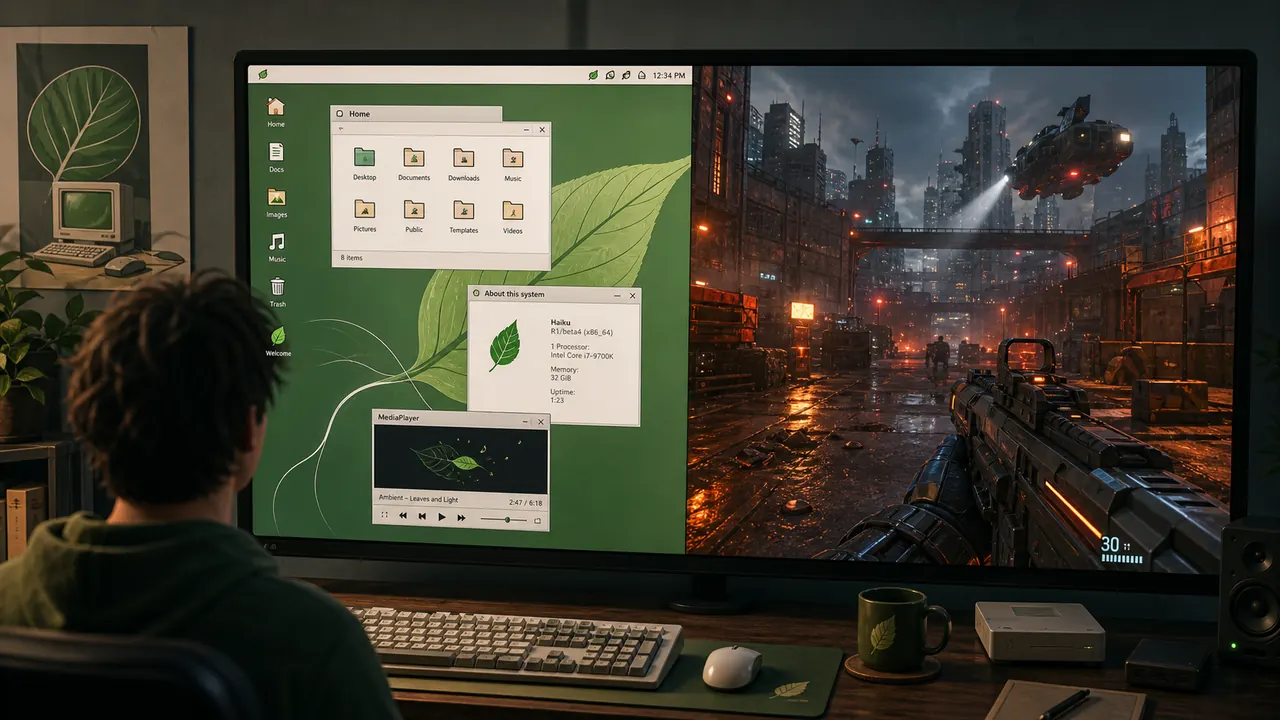
Nvidia GPU driver work for Turing-generation cards on HaikuOS has progressed to the point where someone posted video of Half-Life 2 running natively at 4K 60fps — with benchmark screenshots showing over 1,300 frames per second in some scenes. This is a legitimate milestone for a hobbyist operating system that has been chugging along for decades. One forum member summed it up best: this turned HaikuOS from an occasional curiosity into something they actually want to use as a daily driver.

 HN Briefing PM