Relevance 10/10Importance 8/10
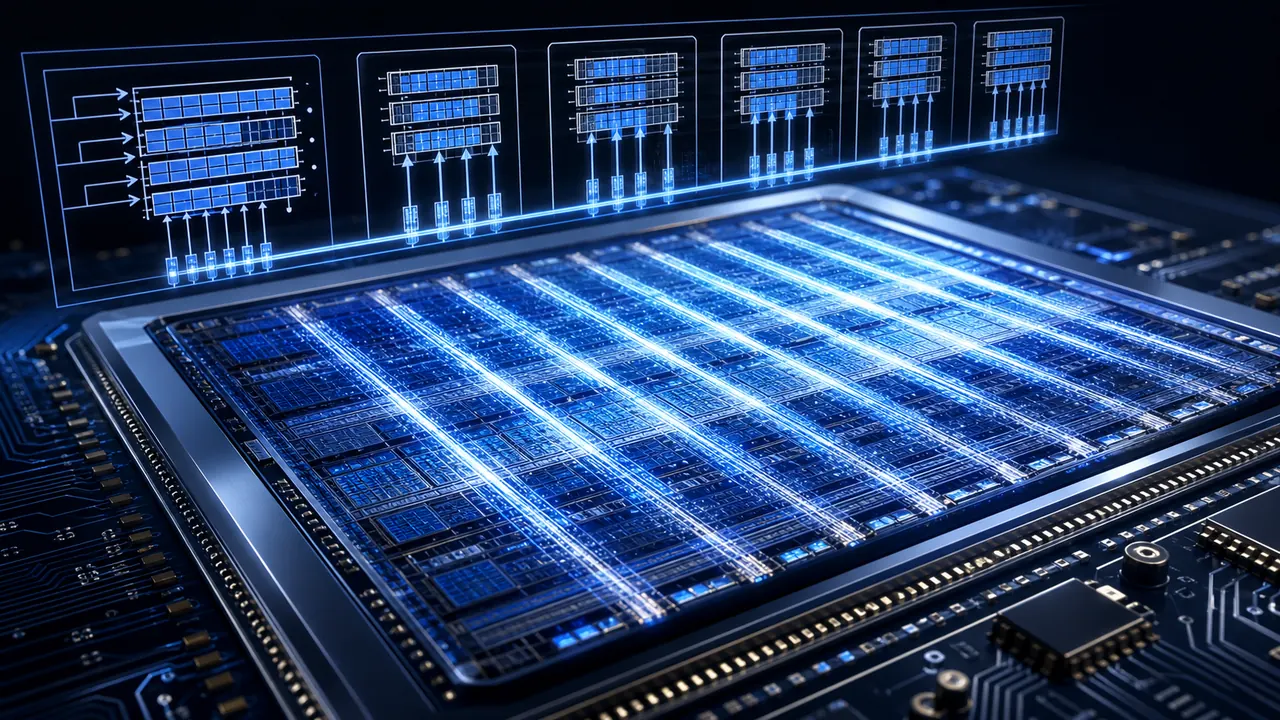
GigaToken is a drop-in replacement for HuggingFace's tokenizers achieving roughly 1,000x throughput improvement through SIMD vectorization and aggressive caching. It processes text at gigabyte-per-second speeds and supports major model families including GPT, Llama, and Qwen. Positioned as a production-ready acceleration layer for any pipeline already using standard tokenizers.
Relevance 8/10Importance 9/10
Fields Medalist Terence Tao shared a ChatGPT conversation in which he uses the model to explore a potential counterexample to the Jacobian Conjecture, a famous unsolved problem in algebraic geometry that has resisted proof for nearly 90 years. The post drew 429 upvotes and hundreds of comments, making it one of the most-discussed threads of the day. It's a striking example of frontier AI being used by one of the world's top mathematicians to probe the edge of mathematical knowledge.
Relevance 9/10Importance 7/10
"Pelicanmaxxing" is the theory that AI labs might secretly over-train their models on one specific informal benchmark: generating an SVG of a pelican riding a bicycle. The author ran 1,008 generated images across seven frontier models and found no statistically significant evidence of gaming — pelicans aren't drawn better than other animals, and the specific combo performs no better than chance. The benchmark, for now, remains an honest test of general capability.
Relevance 8/10Importance 7/10
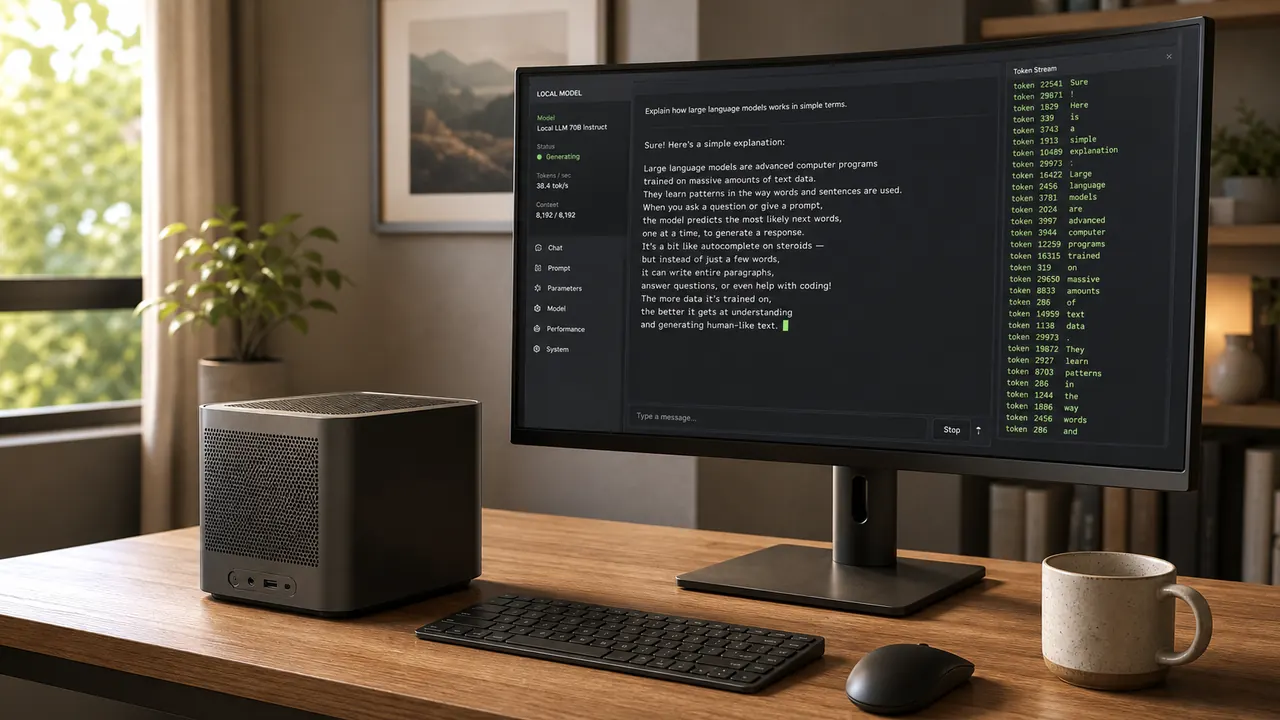
A developer used the Nvidia DGX Spark ($4,000–$4,700) as their primary machine and found it genuinely capable for LLM inference, gaming, CAD, and photography — not just AI workloads. Local LLM inference runs at 30–40 tokens per second with optimized models, and the machine's power efficiency and quiet operation make it viable as an everyday desk setup. The takeaway: the DGX Spark is a real general-purpose computer with massive unified GPU memory, not a single-purpose AI appliance.
Relevance 6/10Importance 6/10
Mitchell Hashimoto argues that SIMD — the CPU technique that processes multiple data values with a single instruction — is practical enough for everyday developers, not just performance specialists. He lays out a repeatable five-step pattern for vectorizing common loops, with typical real-world speedups of 4 to 8x on large datasets. The argument: SIMD should be a standard tool in any developer's toolkit, not exotic wizardry reserved for systems programmers.
Relevance 5/10Importance 6/10
Bento is a self-contained single HTML file (~560 KB) that provides a full slide-deck authoring and presentation environment with no install and no cloud login required. Sharing is as simple as emailing the file; live collaboration works through an encrypted blind relay that never sees your content. The project is MIT-licensed, built on reveal.js, and was partially developed with Claude Code.
Relevance 4/10Importance 7/10
A developer received a recruiter's take-home coding assignment and found malware hidden inside the .git/hooks directory — a pre-commit hook that silently downloaded and executed a remote payload designed to steal cryptocurrency wallet credentials and clipboard data. The hook targeted both Mac and Windows with OS-specific payloads, exposing a coordinated phishing campaign using fake job interviews to compromise developer machines. The author documents the full operation in detail.
Relevance 1/10Importance 5/10
Tech journalist and No Agenda Show co-host John C. Dvorak died on July 22, 2026, at age 74. The announcement came from the show's official account, describing him as a beloved husband, father, and cherished co-host. Dvorak had one of the longest and most distinctive careers in tech media, known for his sharp opinions and decades-long tenure at PC Magazine and beyond.
Relevance 2/10Importance 2/10
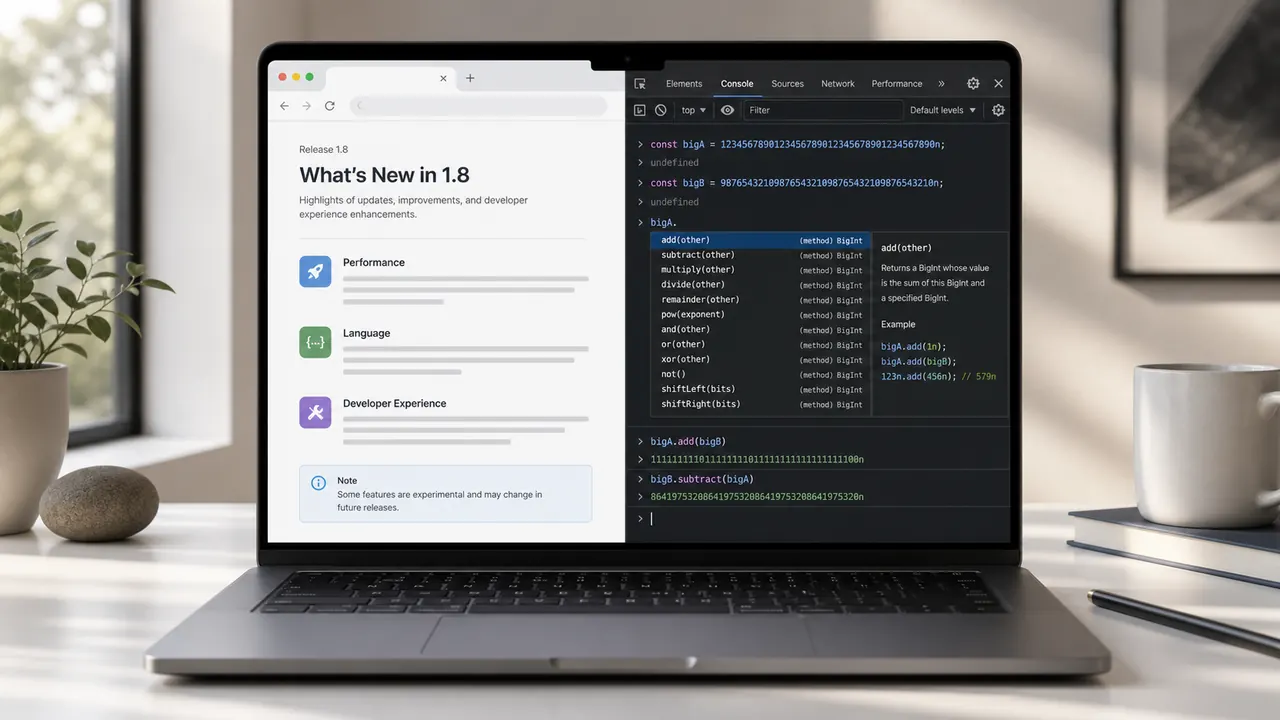
Safari Technology Preview 248 adds support for the TC39 BigInt Math proposal, exposing Math-equivalent methods directly on BigInt, and introduces a no-clamp option for CSS's progress() function. The release resolves bugs spanning VoiceOver accessibility, SVG animations, Content Security Policy handling, and Web Inspector tooling. This is an incremental developer preview build, not a production release.
Relevance 2/10Importance 2/10
The post argues that Emacs is the best existing example of malleable computing — the philosophy that software should bend to users rather than users adapting to rigid tools. The author draws broader lessons from Emacs's deep extensibility model for the software ecosystem at large. A thoughtful niche piece that will resonate hard with the Emacs and Lisp corner of HN.

 HN Briefing PM