Relevance 10/10Importance 9/10
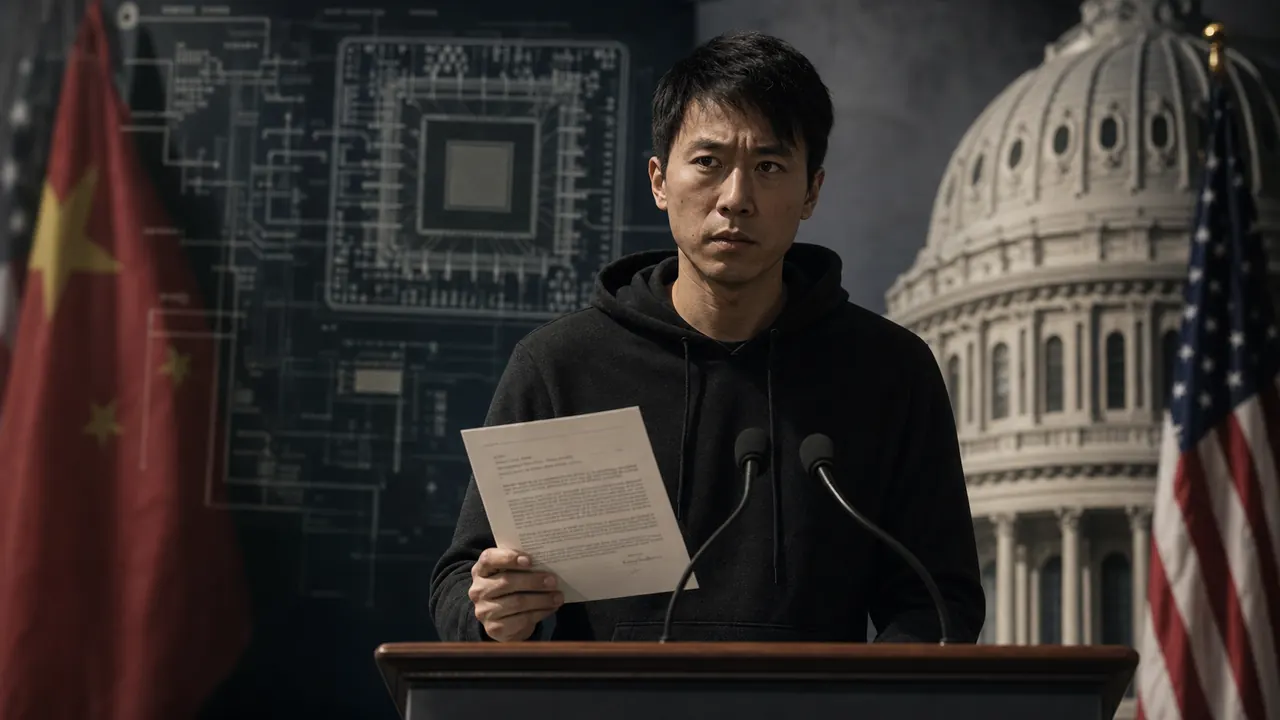
Nearly 200 Silicon Valley startups, organized by the newly-formed Little Tech Association, sent letters to President Trump, Commerce Secretary Lutnick, and other officials urging against new restrictions on Chinese open-weight AI models. The trigger was Moonshot AI's Kimi K3 release, which apparently got enough attention in Washington to prompt serious talk of a crackdown. The founders argue that broad prohibitions would raise costs and stifle innovation for every American builder using those model weights as a foundation.
Relevance 10/10Importance 7/10
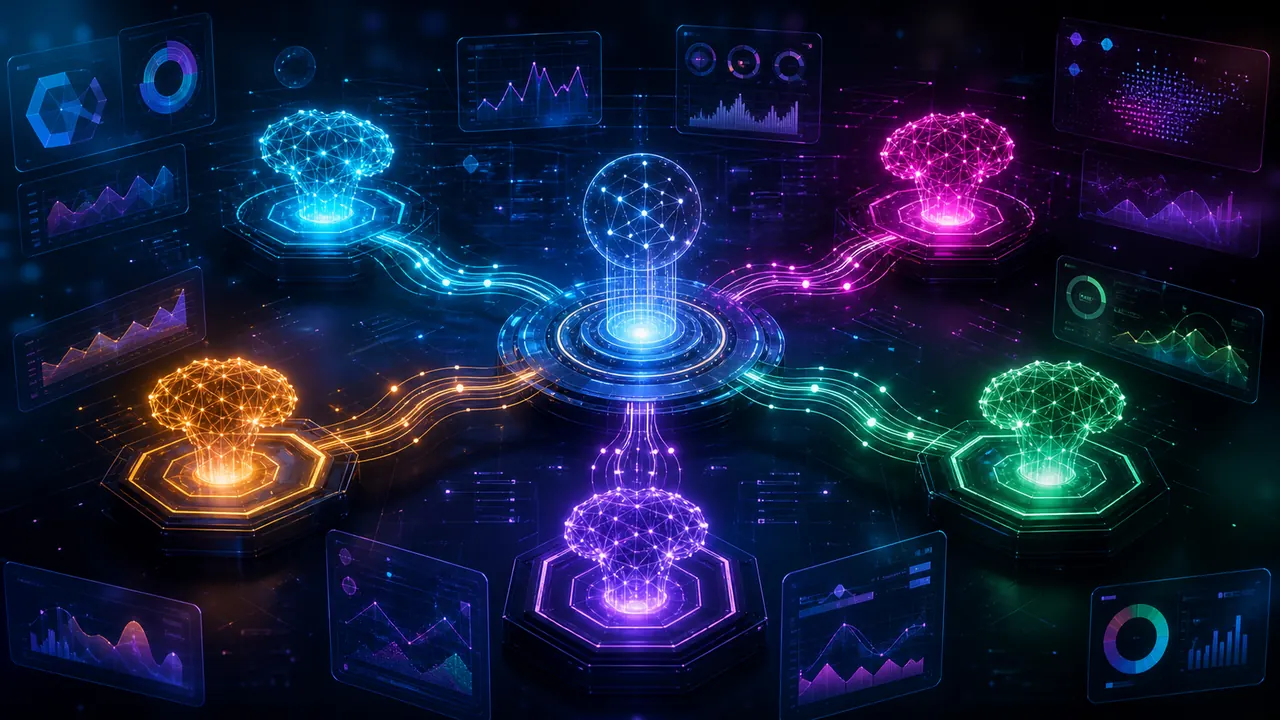
Echo is an experimental AI system that dynamically routes each request across a pool of open-weight models — including GLM-5.2 and Kimi K2.7 — deciding per-prompt how much compute to allocate and how to blend outputs. The builder found that weaker models can still punch well above their weight on specific problem types, and the ensemble matches Fable-level aggregate performance at roughly one-third the inference cost. It's available as a chat interface and an OpenAI-compatible API.
Relevance 7/10Importance 8/10
TheNumbers.com, a 30-year-old film industry database, went offline for over a week in early 2026 and returned stripped of historical charts and its popular Report Builder. The culprit was a double hit: AI crawlers consuming 90% of traffic (Anthropic's bot hit 38,000 pages per referred visitor vs. Google's 5), plus deliberate hacking attempts likely aimed at scraping early box office data for prediction markets. The author argues this is a canary-in-the-coal-mine moment for legacy knowledge infrastructure everywhere on the open web.
Relevance 6/10Importance 6/10
Developer Luke Kanies digs into ATProto, Bluesky's open standard for decentralized social identity and data, finding genuine promise in its approach to shared identity at scale. The sticking point: ATProto assumes all data is public, so any private or semi-private use cases require building essentially two separate applications on two different systems. Kanies is hopeful but wants this design gap addressed before the protocol locks into production everywhere.
Relevance 5/10Importance 7/10
University of Chicago researchers developed a water-based electrochemical method to separate rare earth elements using layered manganese oxide with precisely engineered nanochannels that exploit subtle differences in the hydration shells around dissolved lanthanide ions. Adding magnesium to pin channel widths boosted neodymium purity from 1.6-fold to 5.4-fold enrichment, hitting 97% purity after just two cycles — no toxic organic solvents, just water and electricity. Published in Nature Chemical Engineering, the technique could enable localized rare earth processing and strengthen critical mineral supply chains.
Relevance 3/10Importance 8/10
A family paid over $800,000 for experimental gene-editing treatment for their daughter in China, she died, and the researchers and their institutions never made it public. Science and Retraction Watch investigated jointly, with experts calling for a full data review of a related Nature paper and demanding transparency about trial funding. The parents are speaking out now because they feel no one has faced any accountability.
Relevance 3/10Importance 4/10
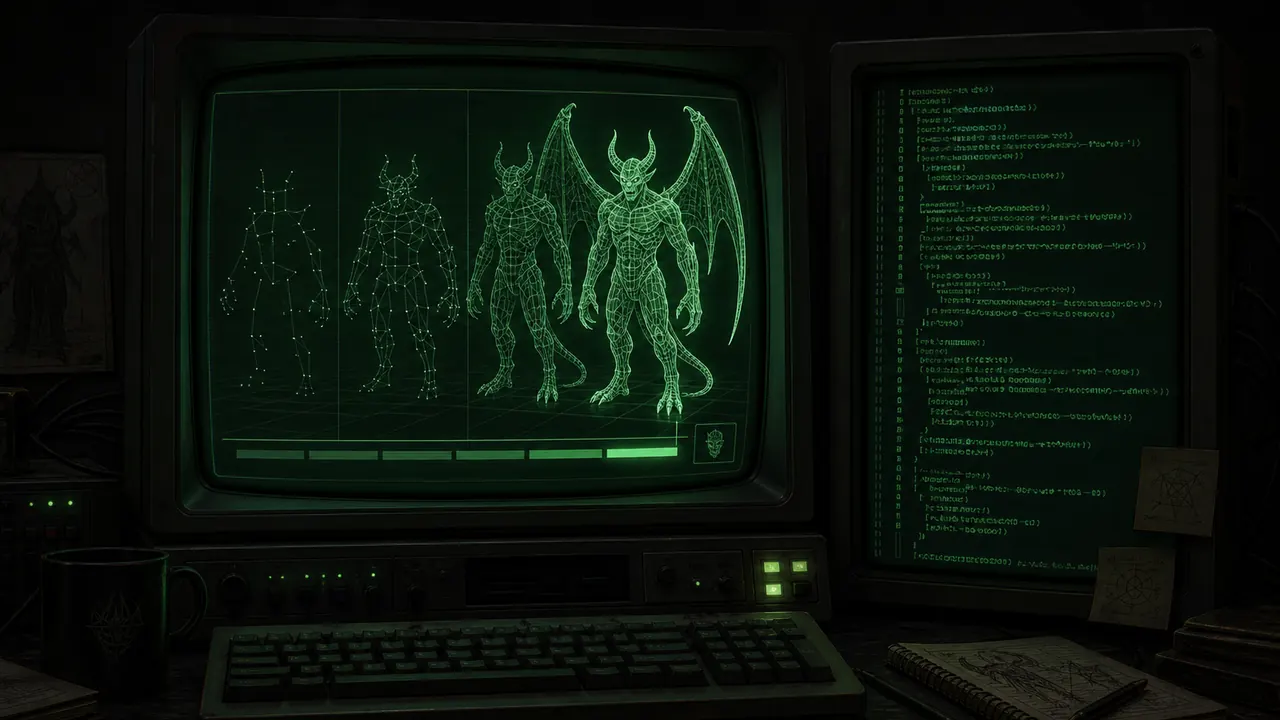
This is a from-scratch 3D renderer in under 500 lines of C++, with no third-party libraries — just a simple TGA writer for output. It walks the full graphics pipeline: Bresenham line drawing, triangle rasterization, z-buffering, camera transforms, texture mapping, shadow mapping, and ambient occlusion, producing surprisingly polished character renders. It's educational in the best sense — not how to use a GPU API, but how those APIs actually work.
Relevance 2/10Importance 4/10
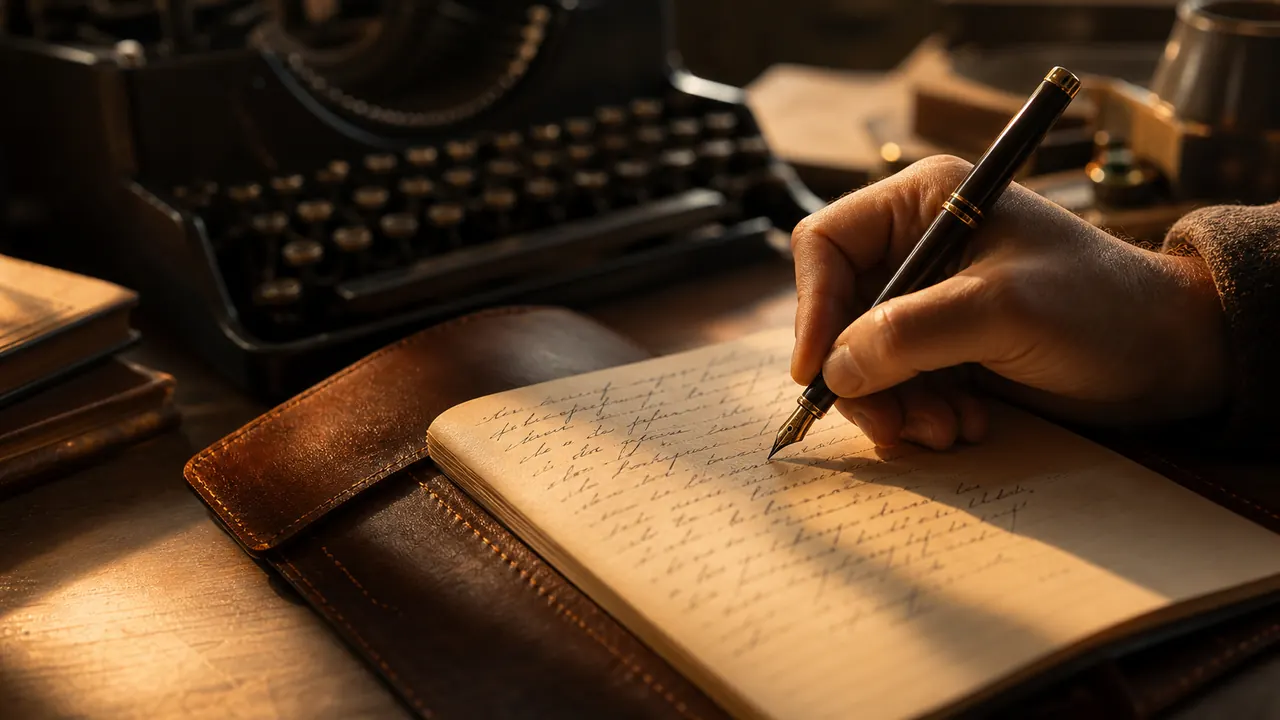
Neal Stephenson, who has composed his novels by hand for 25 years, argues that handwriting recruits more cognitive processes than typing and is genuinely better for the brain. His practical advice: use fountain pens or gel pens, not pencils or digital styluses; write in cursive for efficiency; and don't worry too much about legibility. The core claim is that the physical-mental integration required in handwriting makes it cognitively superior to the mechanical act of typing.
Relevance 2/10Importance 4/10
LearnOpenGL.com is a free, comprehensive tutorial platform for modern OpenGL covering everything from drawing your first triangle through physically-based rendering and compute shaders, refined by a single author over seven years. A free PDF and printed edition complement the online content, and a full walkthrough of building a 2D game engine is included. It resurfaces on HN periodically because it genuinely fills a gap — most comparable resources still teach the deprecated immediate-mode pipeline.
Relevance 1/10Importance 2/10
A beautifully written technical history of the 18th-century beam engine, the steam-powered machine that converted heat into mechanical work and made the Industrial Revolution possible. The piece covers Watt's key innovations: the separate condenser that cut coal consumption by two-thirds, the double-acting piston, the parallel motion linkage, and the flyball governor for automatic speed regulation. One machine, fifteen horsepower — roughly the equivalent of 150 people — and it changed everything.

 HN Briefing PM