Relevance 10/10Importance 9/10
A detailed investigation maps a full-stack gray-market economy in mainland China reselling AI API access at up to 97.8% discounts — $3,333 in Anthropic credits for roughly 425 RMB. The supply chain runs four layers deep, from bulk virtual-card farms to relay operators using open-source OpenAI-compatible gateways. Documented abuse methods include chargeback attacks, free-trial automation, and denial-of-wallet flooding against every major AI provider.
Relevance 8/10Importance 6/10
David Nicholas Williams argues that using AI to skip the details isn't empowerment — it's non-participation. Expertise only develops through deep engagement with specifics, and no abstraction layer eliminates that requirement. LLMs are the latest iteration of a longstanding technological fantasy: accomplishment without mastery, which can't actually be delivered.
Relevance 6/10Importance 6/10
A practical guide to defending web infrastructure against the current wave of AI crawler bots and automated scraping traffic that made the HN front page before going 410 Gone. The HN comments filled in with real techniques — rate limiting, fingerprinting crawler user-agent patterns, and robots.txt enforcement strategies that independent site operators are actually deploying. Timing confirms this is a live operational pain point for the community.
Relevance 5/10Importance 6/10
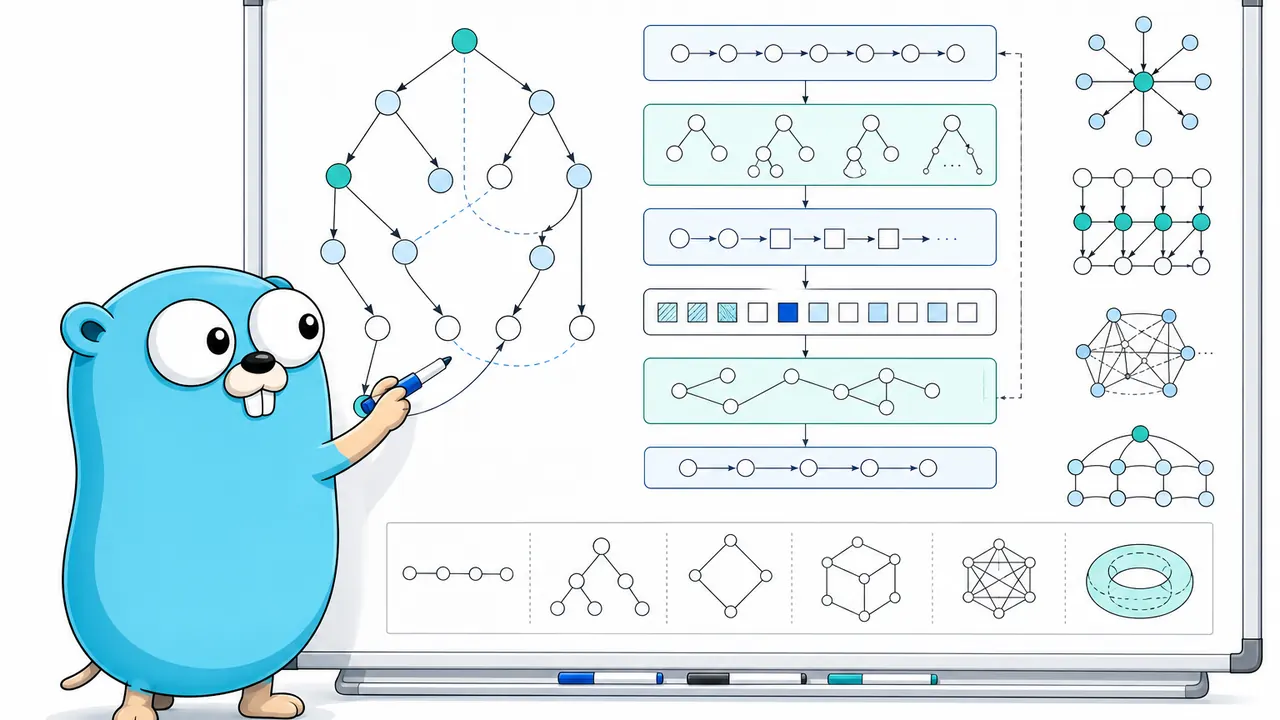
The Go team's analysis package defines a clean interface for composable static analyzers that share typed Facts across package boundaries, report diagnostics, and suggest fixes. The standard library ships with 50-plus built-in analyzers covering format strings, nil pointer dereferences, loop variable closures, shadowed variables, and more. If you're building a linter or code intelligence tool in Go, this is the canonical foundation.
Relevance 5/10Importance 5/10
Steph Ango argues that every design decision is a compromise — the moment you commit to an approach, you've implicitly rejected every alternative, so products claiming "no compromises" either haven't made real decisions or are lying. The best products are opinionated: they excel in specific areas by consciously accepting weakness elsewhere. A 2018 essay surfacing again as founders race to build AI products that try to be everything to everyone.
Relevance 5/10Importance 5/10
A Python/OpenCV package that turns a Raspberry Pi or any Linux SBC with a USB webcam into a full-featured home surveillance system: MJPEG streaming, motion detection with pre-event buffering, automatic recording, email alerts, and a Telegram bot for on-demand snapshots and video clips. Smart storage cleanup is built in and it deploys via systemd behind Gunicorn. Licensed AGPLv3, no cloud dependency required.
Relevance 3/10Importance 4/10
Decker is a modern open-source reimagining of Apple's HyperCard — a browser-native multimedia authoring platform for building interactive documents, games, zines, and pixel art with a ditherpunk aesthetic. It uses Lil, a scripting language blending Lua and Q with built-in SQL-like queries, and exports projects as standalone HTML files stored in a version-control-friendly text format. Zero telemetry, MIT licensed, with a community game jam held twice a year.
Relevance 3/10Importance 4/10
A classic game-dev presentation making the case that CPU cache misses are the real performance bottleneck and that object-oriented programming actively encourages cache-hostile memory access patterns. The alternative: organize code around data layout and sequential access rather than object hierarchies. This PDF resurfaces on HN periodically because the lessons extend well beyond game engines to any performance-sensitive system.
Relevance 3/10Importance 3/10
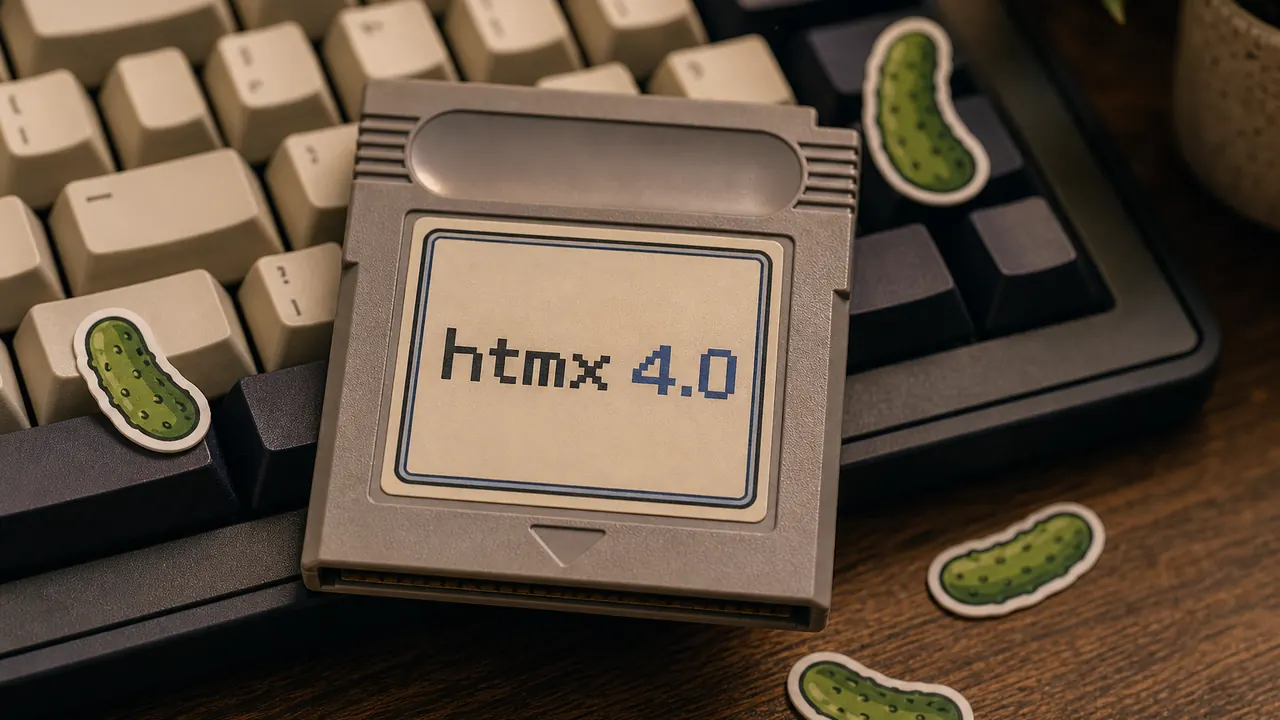
The htmx team has shipped htmx 4.0 not as an npm package but as a physical Game Boy cartridge for $35.93 CAD. Players earn access to the htmx 4.0 source code by completing four levels of pickle-collecting gameplay including a boss fight with someone named Warren. It is a joke, it is also a real product you can buy, and the HN comments are exactly what you'd expect.
Relevance 1/10Importance 3/10
David Bentley Hart celebrates seventeenth-century English as the pinnacle of prose style and offers 33 guidelines on vocabulary, style, punctuation, and audience — while savaging George Orwell's writing rules as "idiotic" and dismissing Hemingway's Old Man and the Sea as "excruciating schoolboy prose." Provocative and erudite, exactly the kind of contrarian literary essay that gains traction on a quiet Sunday afternoon on HN.

 HN Briefing PM