Relevance 10/10Importance 9/10
The tensor library underpinning llama.cpp and whisper.cpp finally hit a 1.0 release, pruning the deprecated public API and the legacy DIAG_MASK ops while adding FP8 support and configurable YaRN truncation. Performance work landed across basically every backend: faster quantized matmuls on CUDA and Metal, new Vulkan prefill, a device-side MoE scheduler for SYCL, and decomposed FlashAttention for OpenCL on Adreno. A stable API here matters — an enormous amount of local-inference tooling builds directly on top of it.
Relevance 10/10Importance 8/10
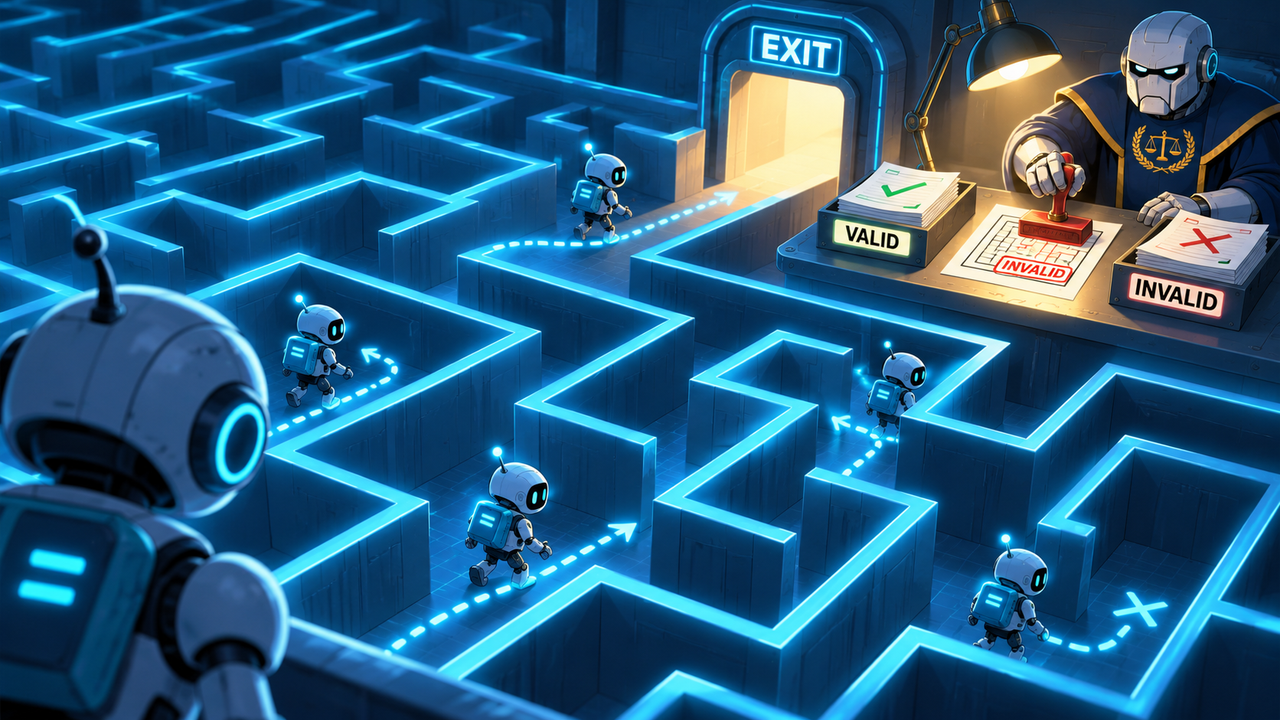
Google Research detailed /teamwork, a multiagent system that pairs parallel exploration agents with independent verifiers like proof checkers and test suites to automatically validate candidate solutions. It partitions context across specialized agents to hold focus over long-horizon tasks and routes different problem types to different workflow patterns. The pitch is attacking open problems in formal mathematics, molecular discovery, systems software, and ML engineering.
Relevance 9/10Importance 8/10
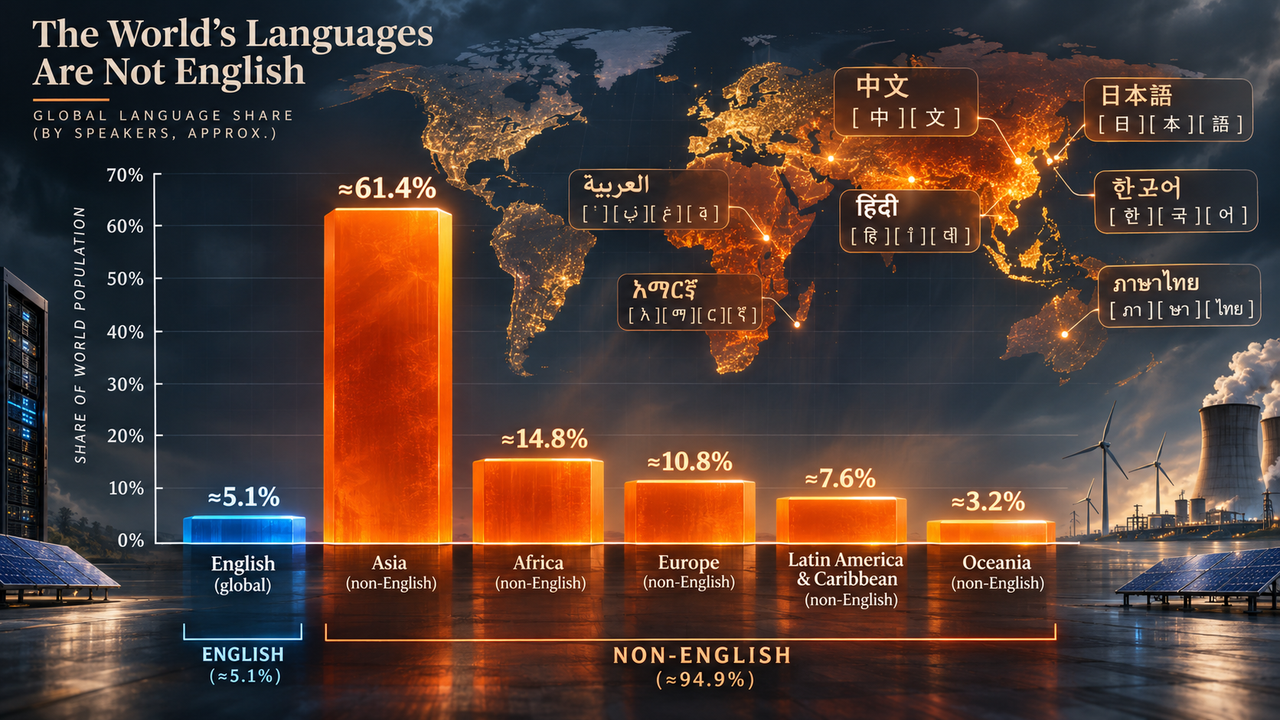
University of Michigan researchers measured Qwen 3, Gemma 3, and Llama 3.1 and found models burn between 1.4 and 180 times more energy to handle non-English text than English — and sometimes return less accurate answers. Root cause is tokenization bias: non-English text, especially non-Latin scripts with thin training representation, needs far more tokens for the same meaning. Roughly 5.2 billion people pay more than double the energy cost to generate text in their first language.
Relevance 8/10Importance 8/10
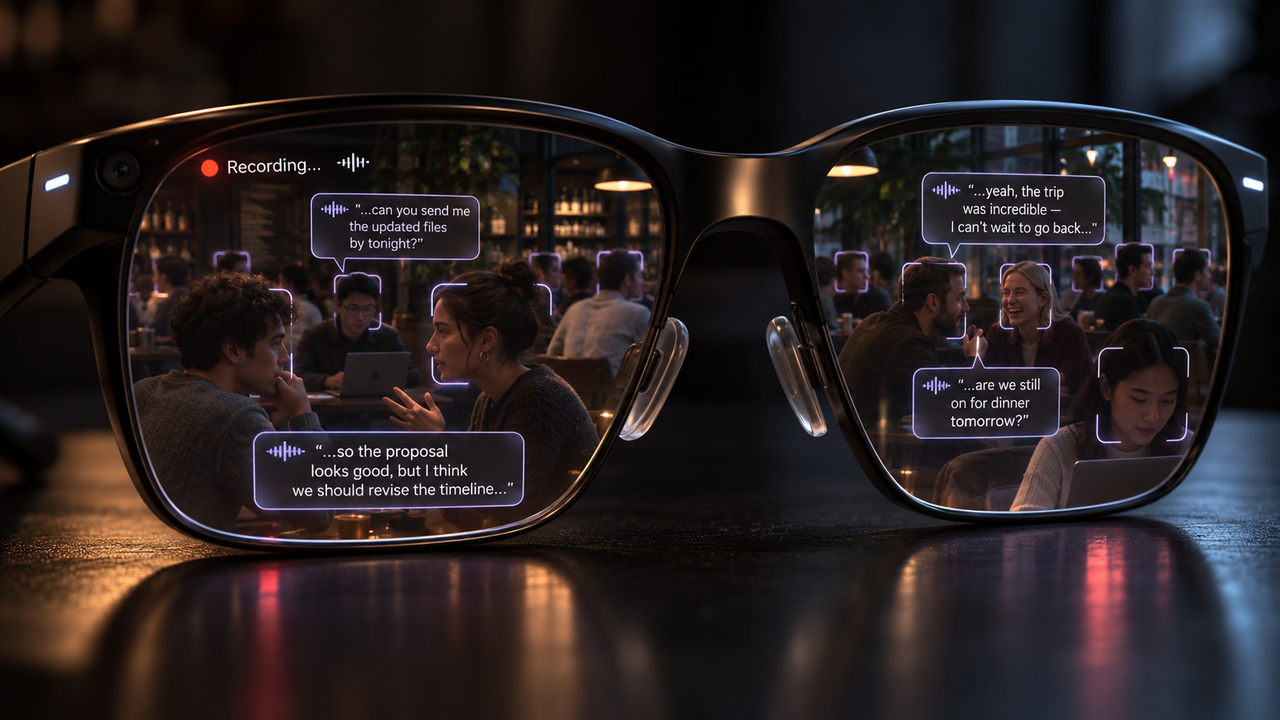
The EFF argues the new wave of always-on wearables — Meta and Google smart glasses, Apple's Audio Intelligence, Amazon's Bee — recasts privacy from a personal setting into a collective problem, because bystanders can't opt out of being recorded and transcribed. The piece contends technical safeguards and laws can't fix the underlying social rupture of normalizing constant documentation. Its recommendation is social pushback: give vendors feedback, talk to device owners, report abusive use.
Relevance 5/10Importance 7/10
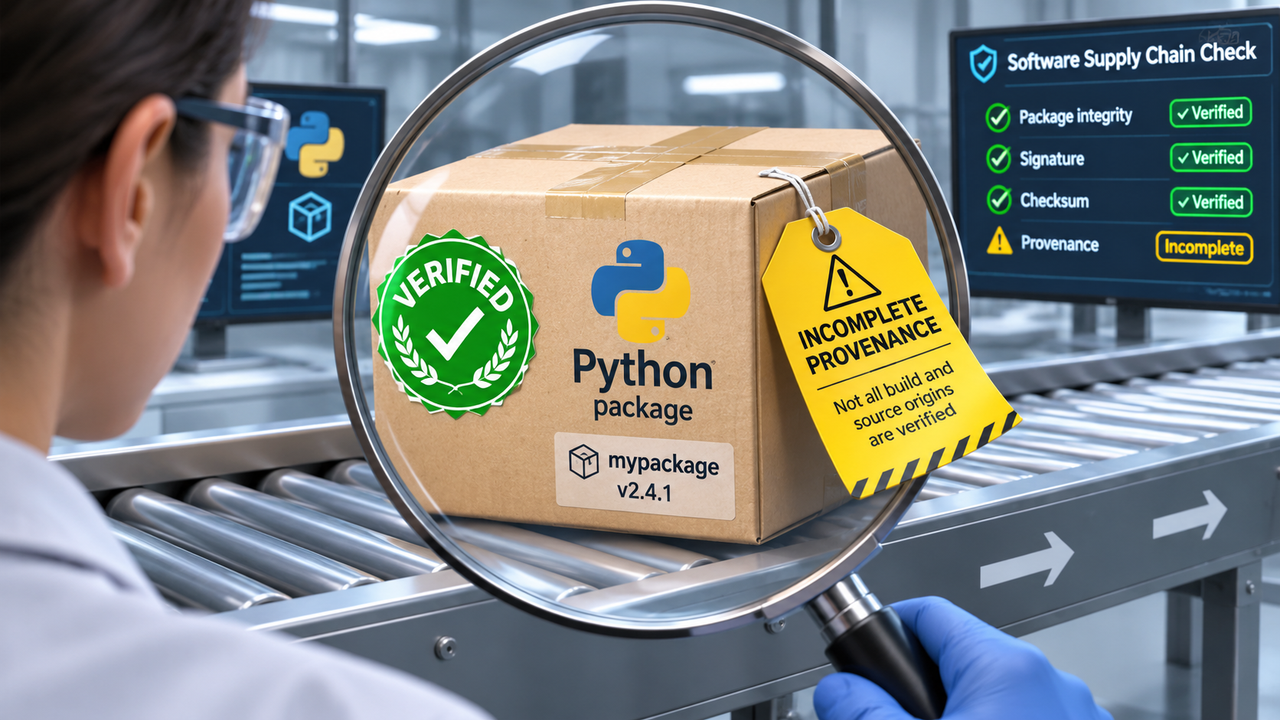
PyPI shipped redesigned project pages with a dedicated security tab surfacing release file provenance state and digital attestations, so you can actually verify where a package came from. Provenance warnings like "Incomplete Provenance" and "Loss of Provenance" now appear at the top of the page instead of buried. The release files and history tabs were rebuilt too, with better filtering, file counts, and provenance status.
Relevance 5/10Importance 6/10
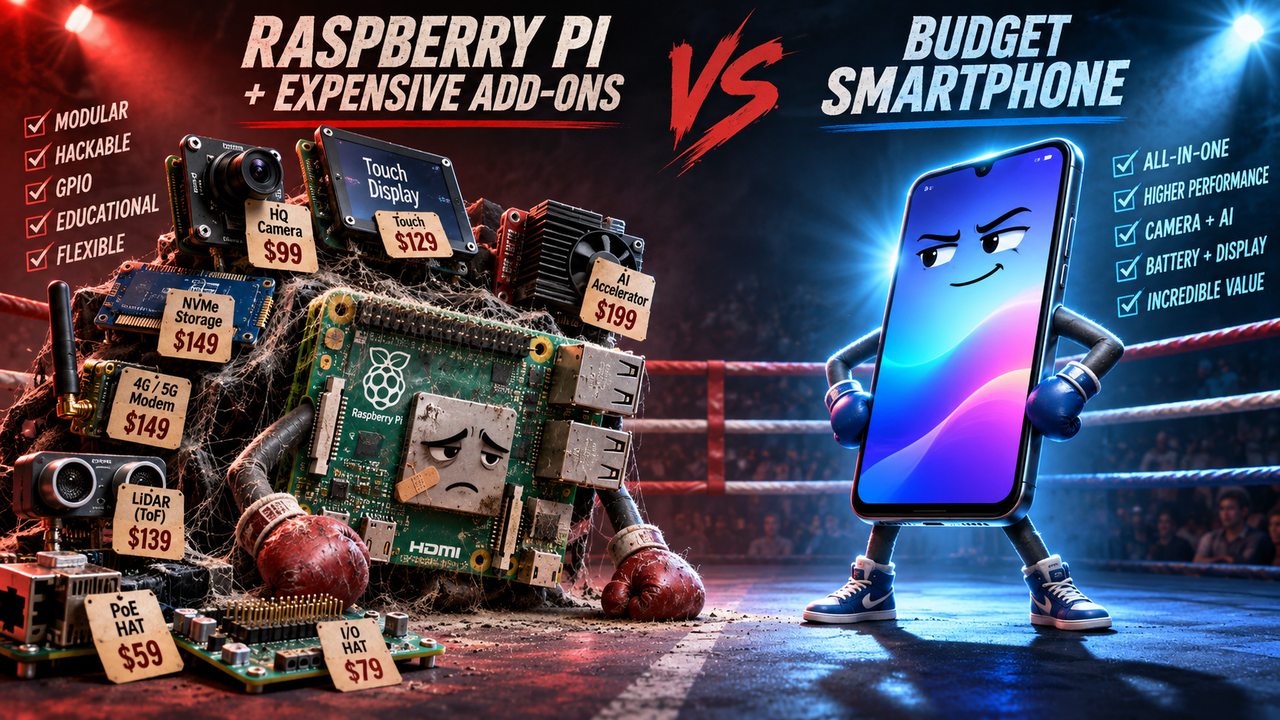
Today's top-voted HN post makes the case that a used smartphone beats a Raspberry Pi for most hobby builds: a 300-to-500-yuan Redmi 13C 5G ships with a high-res camera, GPS, storage, battery, and touchscreen that would run you over 2,300 yuan in Pi add-ons. The author roots the handsets for scheduling and remote config, and points to art installations and client deployments where "configured phone, plug it into the display, it runs" is the whole deployment story. Nearly two hundred comments arguing about it.
Relevance 5/10Importance 5/10
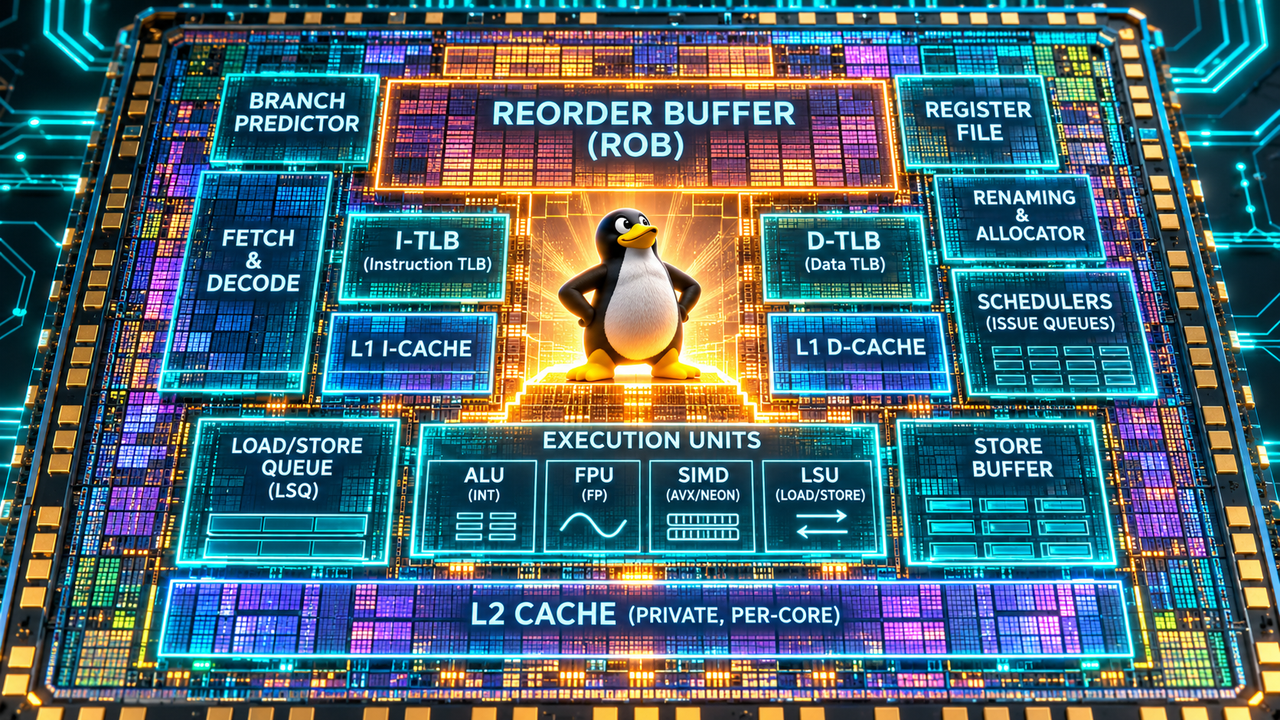
Fursoy Slice-1 is a 64-bit out-of-order superscalar RISC-V core written in SystemVerilog that boots mainline Linux 6.6.50 with full virtual memory. It's 2-wide superscalar with a 128-entry reorder buffer, dual-port TLBs, non-blocking L1 caches, and closes timing at 500 MHz in Nangate 45nm synthesis. Verification covers 89 million-plus cycles of real OS workload with zero errors at 0.85 instructions per cycle.
Relevance 6/10Importance 3/10
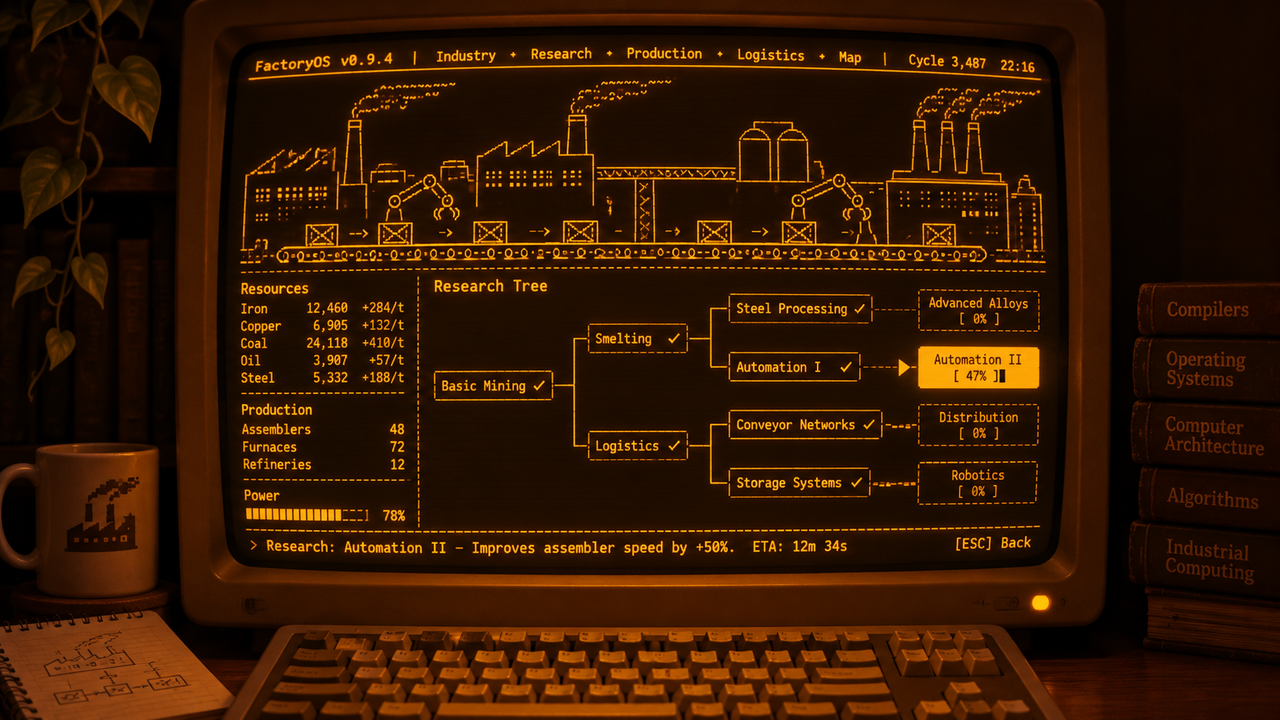
Terminactory is a terminal factory sim built in Rust with ratatui, where you mine resources, build production chains, and research your way up the tech tree. The simulation engine is kept deterministic and separate from the TUI, and there's a built-in browser for the wiki and production data. The developer's stated motivation is pure 2026: something to play while waiting for AI agent tasks to finish, and it has agent integration for in-game messaging.
Relevance 3/10Importance 5/10
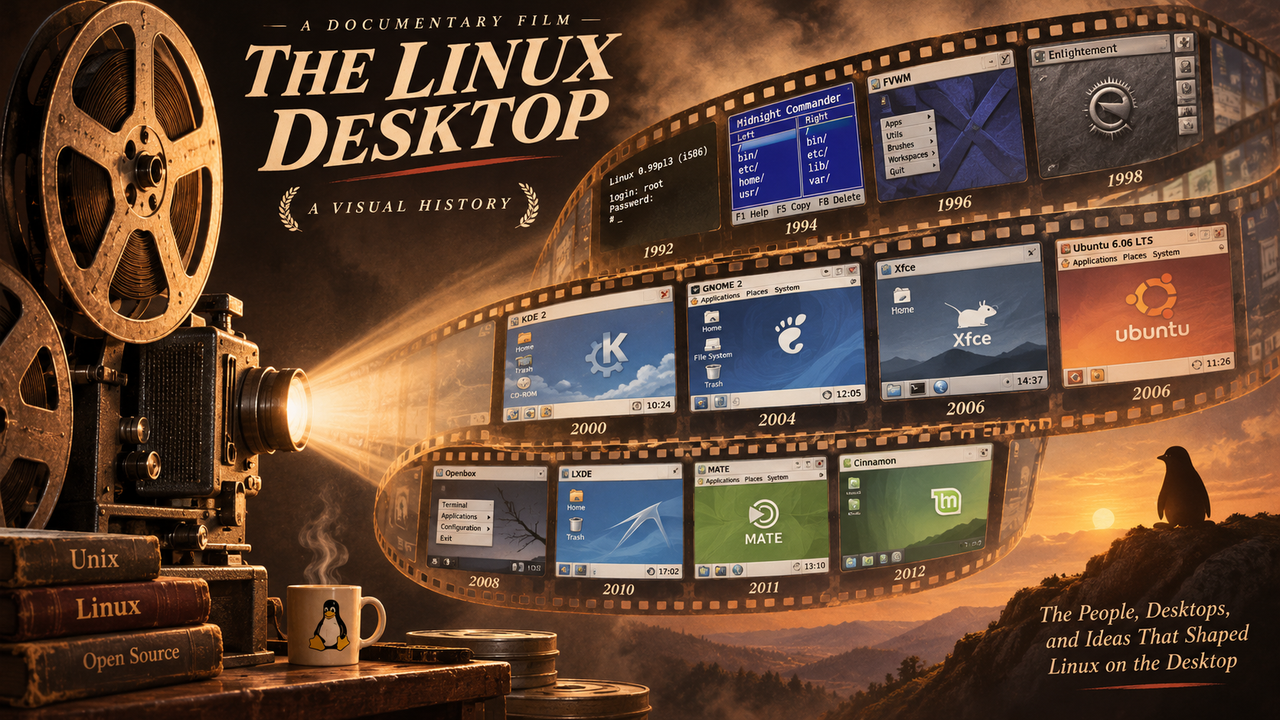
A CultRepo-produced documentary marking KDE's 30th anniversary, tracing the project from Matthias Ettrich's 1996 Usenet post looking for help building a Linux desktop. It covers the Qt licensing fight, the GNOME rivalry, and KHTML — the engine that became WebKit and then Chrome. It doesn't skip the ugly part either, including the KDE 4 release and the long rebuild afterward.
Relevance 1/10Importance 3/10
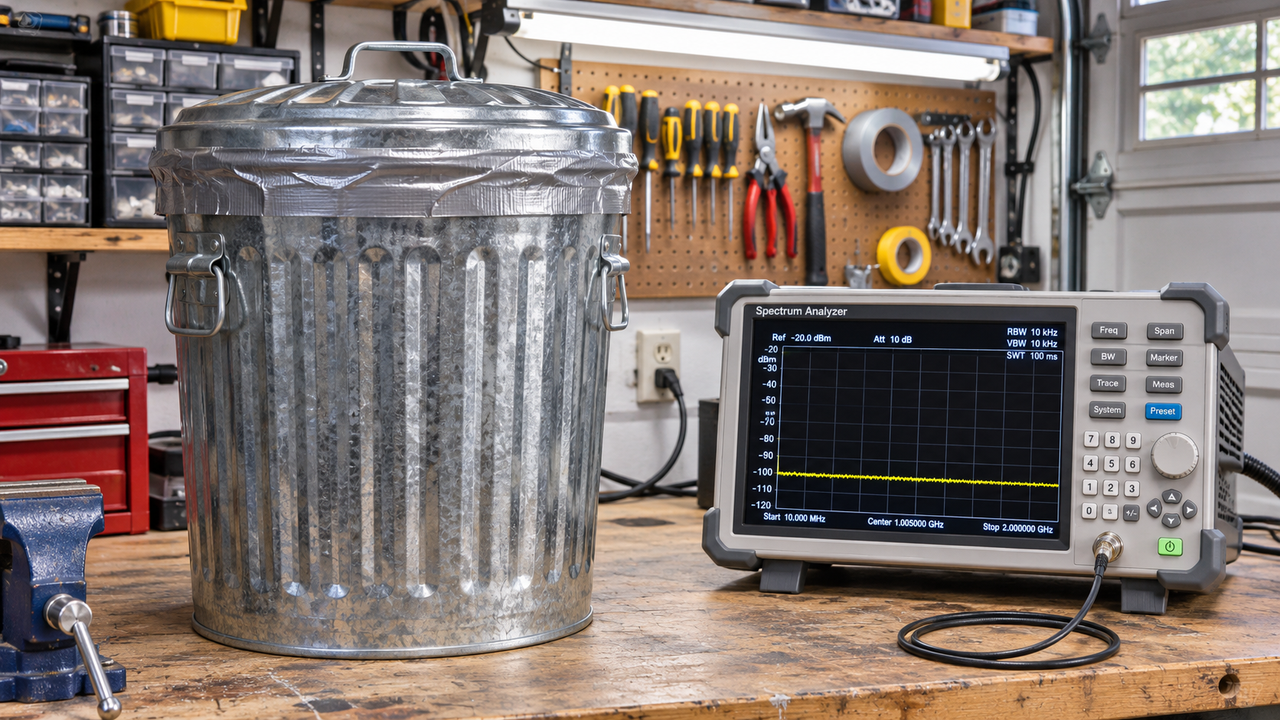
Jeff Kaufman actually measured whether a galvanized trash can with a sealed lid works as an EMP shield. The seam leaks — but taping it fixes the leak, yielding an estimated 50 to 80 dB of attenuation in the 1-to-100 MHz band where most EMP damage happens. Conclusion: a properly sealed metal trash can is a legitimately effective place to stash sensitive electronics.

 HN Briefing AM