Relevance 10/10Importance 8/10
Baidu dropped the pre-trained weights for a 280B-parameter sparse Mixture-of-Experts model that activates only 14B parameters per token, trained on 33.5 trillion tokens with a 128K context window that extends to 1M for fine-tuning. Benchmarks are strong for a base checkpoint — 93.3% MMLU, 82.3% HumanEval+, 77.1% BBH — and the architecture includes hybrid sparse attention and a latent MoE with multiple routers. Critically, it ships on Hugging Face in FP8 and BF16 with no instruction tuning or RL applied, so teams can own the entire post-training stack themselves.
Relevance 10/10Importance 7/10
A new explainer site walking developers through the Model Context Protocol — the plumbing that lets AI models reach out to external tools and data sources. It covers the foundational mechanics and implementation details rather than staying at the marketing layer. MCP has become the default integration standard across the agent tooling ecosystem, so a decent reference hitting the HN front page says a lot about where developer attention is pointed.
Relevance 4/10Importance 10/10
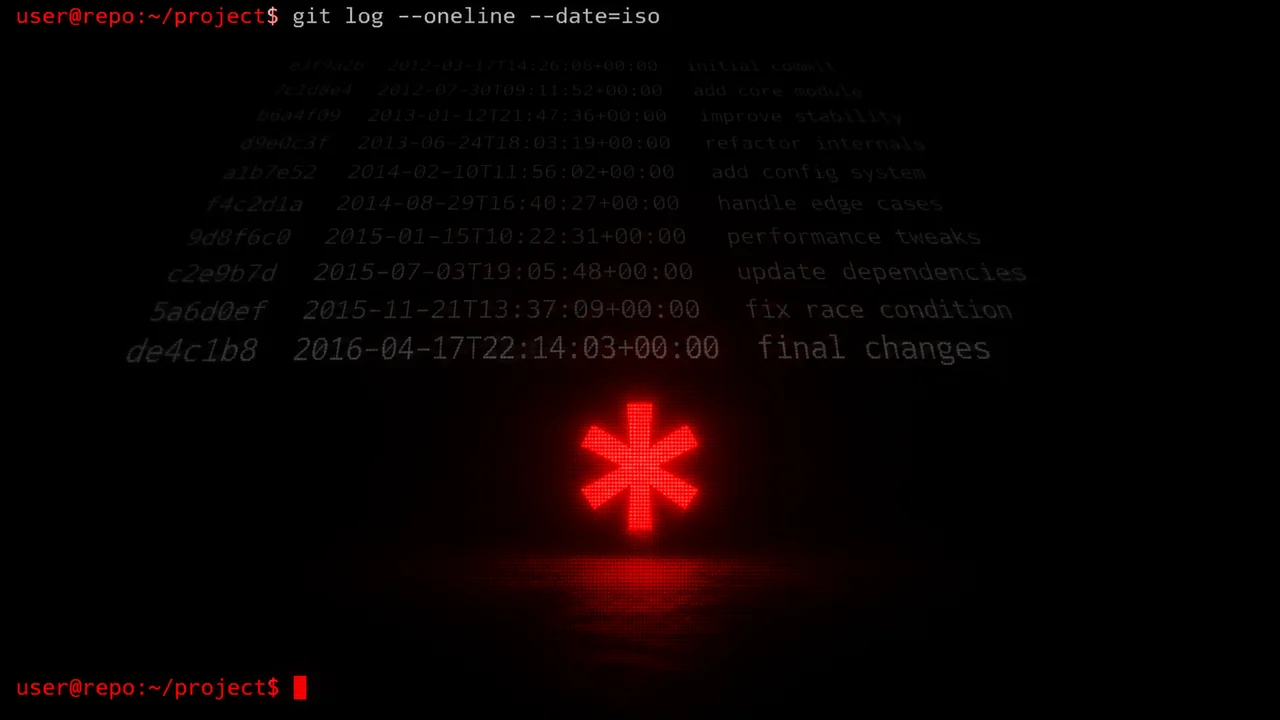
Security researcher Ozgun Kultekin published the full disclosure behind a critical OpenSSH authentication bypass on musl-based Linux systems like Alpine and OpenWrt. The bug is a decade-old collision of two reasonable decisions made between 2012 and 2016: musl's crypt() returns an asterisk on failure, and OpenSSH uses that same asterisk as a placeholder salt for invalid users — so any password longer than 256 characters authenticates against locked accounts. It sat undetected for ten years inside some of the most widely deployed Docker base images on the internet.
Relevance 3/10Importance 10/10
Alpine's official advisory confirms unauthenticated remote code execution across releases 3.16 through 3.24 and edge, triggered by sending a password between 257 and 1024 bytes. You're exposed if you run the non-PAM openssh-server build with password auth on, at least one account has a $5$ or $6$ hash, and at least one account has an asterisk in its password field — and it works on the first connection with no retries. Patch and restart sshd, because the package upgrade alone does not bounce the daemon.
Relevance 3/10Importance 9/10
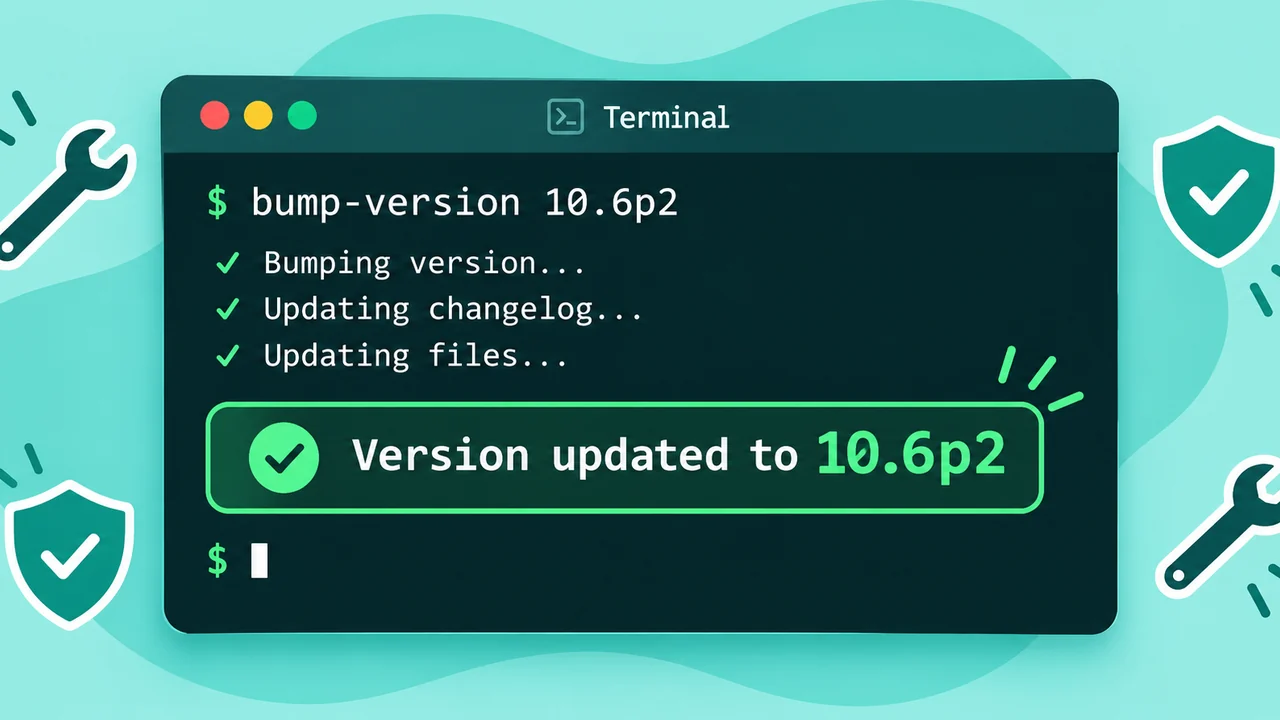
The OpenSSH project shipped 10.6p2 as an emergency release addressing the password authentication bypass exploitable through sshd on Linux systems built without PAM support. Upstream is explicit that the root cause lives elsewhere — in musl's crypt() behavior — but since the bug is reachable via sshd, they fixed it there anyway. Anyone running PAM-disabled builds should move to 10.6p2 immediately.
Relevance 7/10Importance 5/10
Erik Gahner argues that GitHub's curated "awesome" lists have lost their value on two fronts: they rot without active maintenance, and language models are now simply better at surfacing relevant resources. Worse, the lists are getting spammed — he documents one user who built a pile of vibe-coded sites and fired off more than a hundred pull requests promoting them across different awesome repos. The uncomfortable conclusion is that AI improved both resource discovery and the automated spam that poisons human curation.
Relevance 4/10Importance 5/10
The Rust-based browser engine shipped 0.7.0 with support for the progress element, the checked pseudoclass, the user-select property, and new CSS functions including alpha(). On the API side the team landed CSS and text modules plus WebCrypto's MLKEM768-X25519 post-quantum algorithm. Performance work targeted fewer memory allocations, less unnecessary inter-process chatter, and better garbage collection behavior, alongside panic fixes in WebRTC and video elements.
Relevance 3/10Importance 4/10
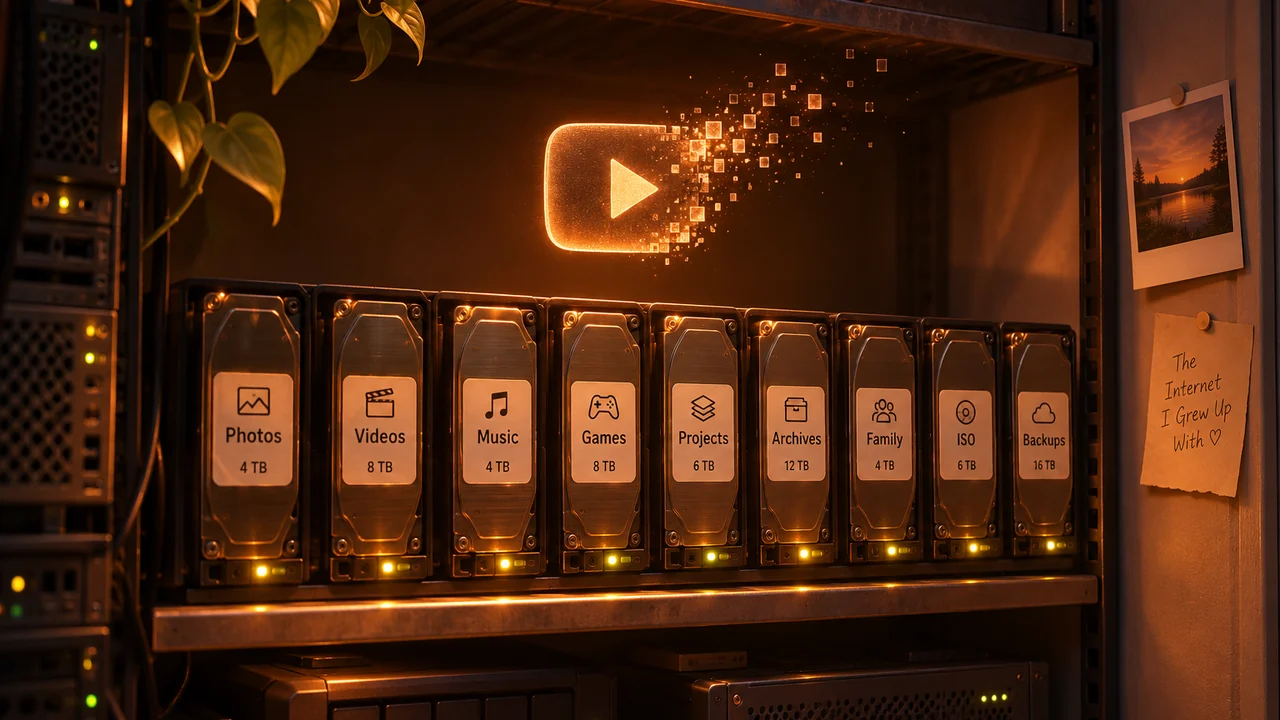
A pointed argument that the corporate internet is hostile to art and that videos you care about will eventually vanish, so you should archive them yourself with yt-dlp. The author then documents a maximalist self-hosted pipeline — Jellyfin for the library, ytdl-sub for ingest, Tdarr for transcoding — managing hundreds of videos across playlists. The elaborate rig is explicitly optional; the actual thesis is just that ownership requires you to act.
Relevance 2/10Importance 4/10
Dominic Szablewski ported the Ultra Low Complexity Codec, a transform-based format originally built for the Game Boy Advance, over to the Nintendo 64. ULC hits near-Opus bitrates while burning just 4% of CPU time, which neatly solves the N64's twin constraints of tiny cartridges and limited processing headroom. He rewrote the IMDCT transform in MIPS assembly for the console's RSP vector coprocessor, and the decoder now drops transparently into Libdragon and powers audio in serious homebrew including an N64 Half-Life port.
Relevance 2/10Importance 3/10
An interactive playground where little walkers march across the actual DOM elements of the page, with real collision physics against your layout. The simulation distinguishes walkable surfaces like text and horizontal rules from solid obstacles like borders, buttons, and images, producing genuinely emergent behavior. Best detail: resize the browser window and the walkers ride whatever surface they're standing on, so a fast drag launches them.

 HN Briefing AM