Relevance 10/10Importance 10/10
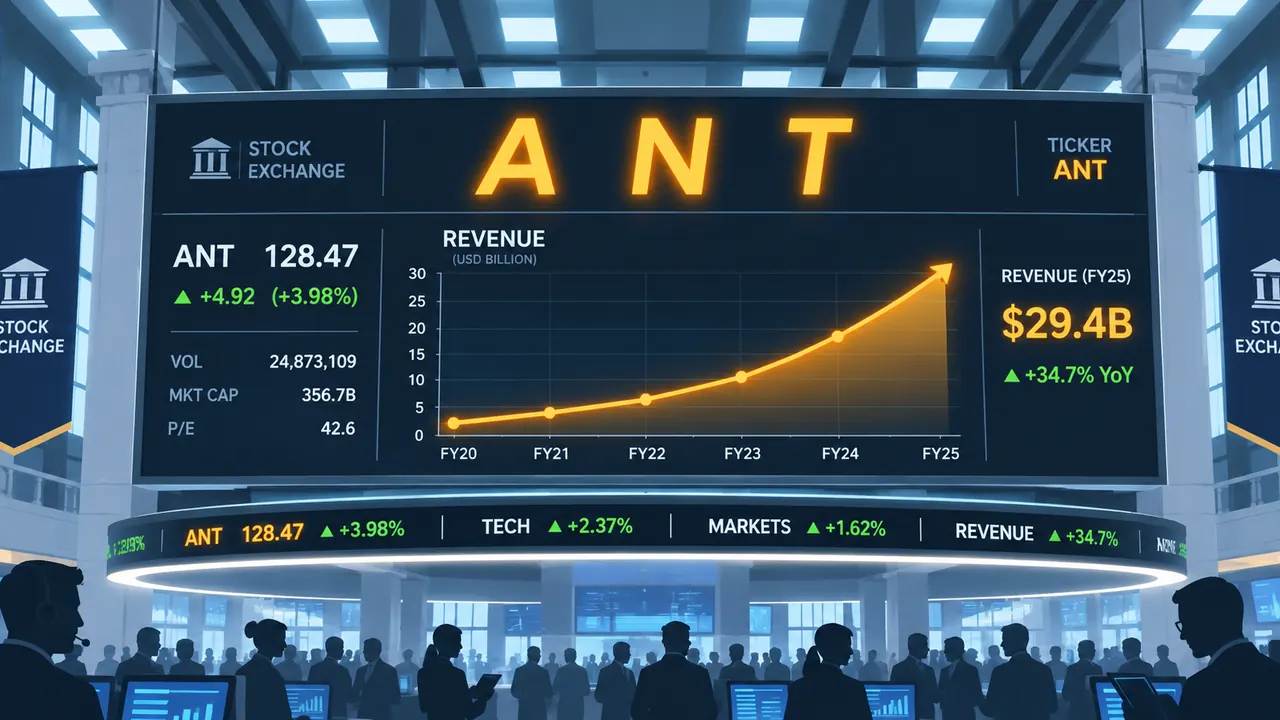
Anthropic has gone public with its IPO materials, with a roadshow that kicked off November 10th, pricing expected November 18th, and trading beginning November 19th on the Nasdaq under the ticker "ANT." The company disclosed Q3 fiscal 2026 revenue of 17 billion dollars — more than 12x year-over-year growth — along with over 11,900 customers spending at least 100,000 dollars annually and a 15 percent adjusted operating margin. Retail investors can participate through Schwab, E*TRADE, Fidelity, Robinhood, and SoFi, which is an unusually open structure for a frontier lab.
Relevance 9/10Importance 10/10
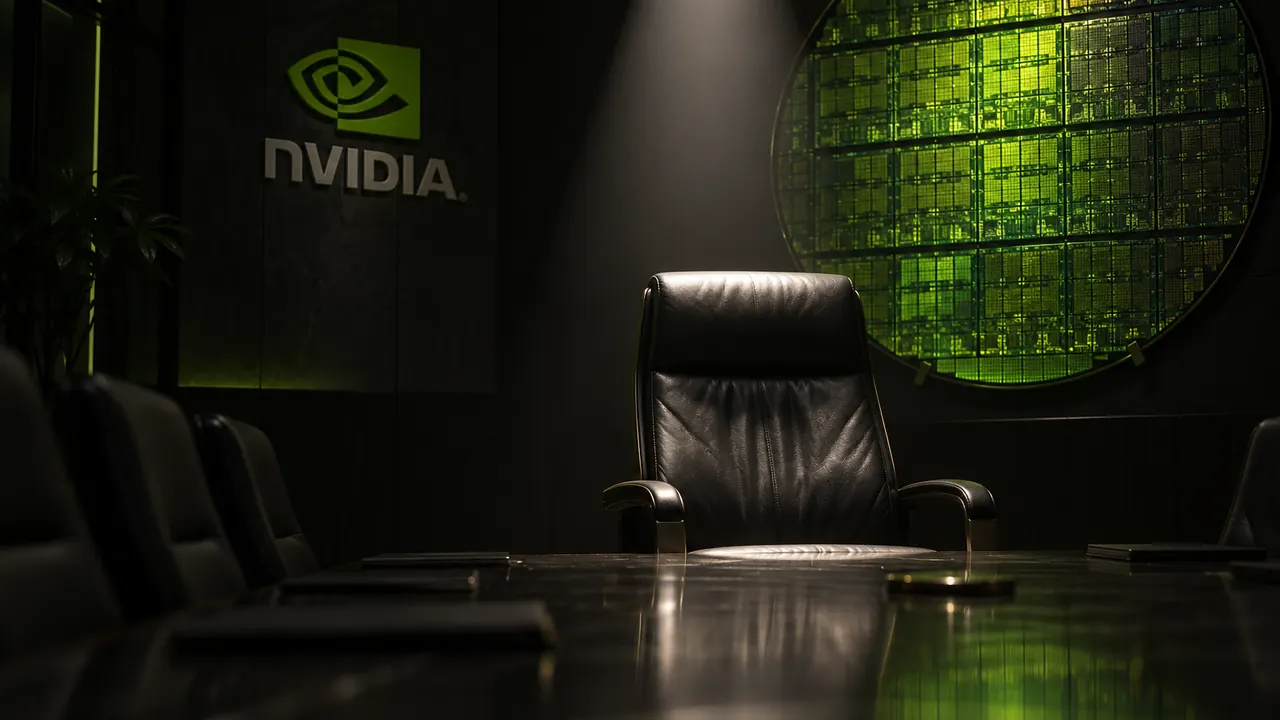
Jensen Huang has resigned as President, CEO, and board member of NVIDIA effective immediately, with CFO Colette Kress stepping in as Interim CEO while the board searches for a permanent successor. Harvey C. Jones was appointed as NVIDIA's first-ever Chair of the Board. The board says it expects operations, customer commitments, and the product roadmap to continue without interruption, and Kress will retain her CFO duties during the interim.
Relevance 9/10Importance 7/10
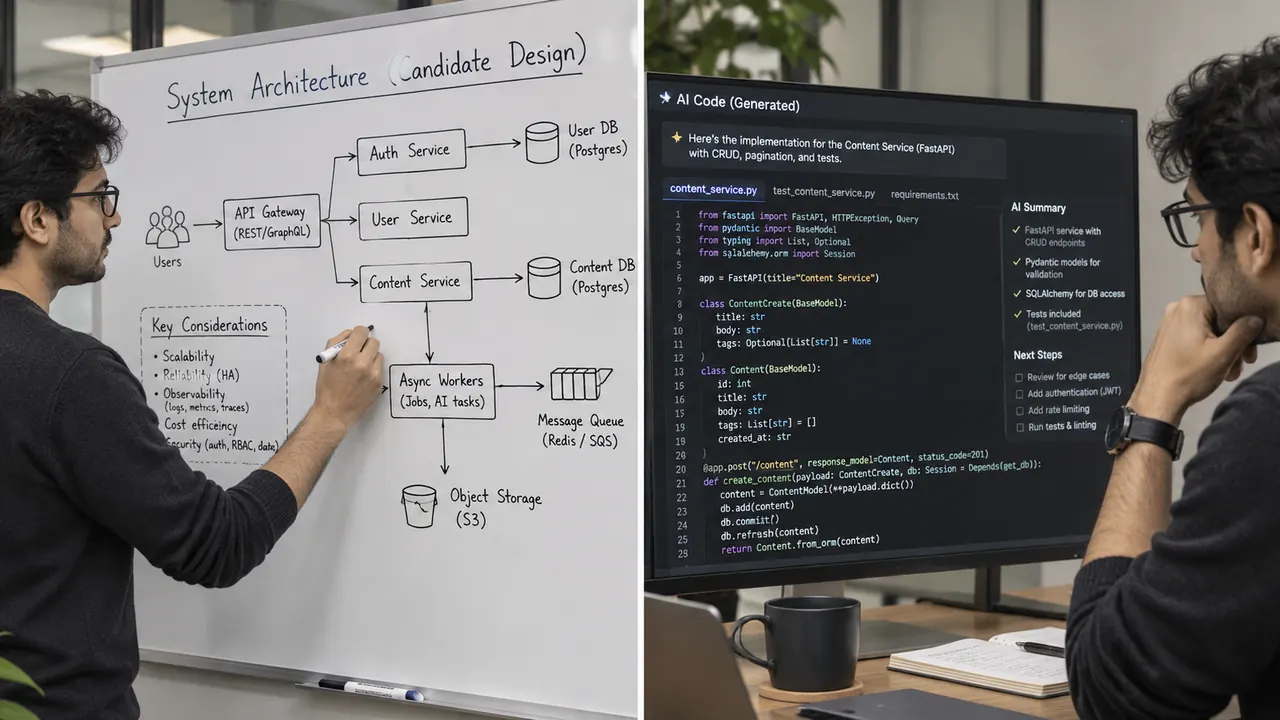
Jane Street is trialing new campus interview formats with less raw code-writing and more emphasis on software design, verifying code quality and intent, and actually using LLMs to produce code. Their reasoning: generating code is cheaper than ever, so taste about what to build, durable abstractions, and verifying correctness matter more. Most rounds remain traditional unassisted coding interviews, and they insist candidates don't need deep LLM experience to pass.
Relevance 8/10Importance 6/10
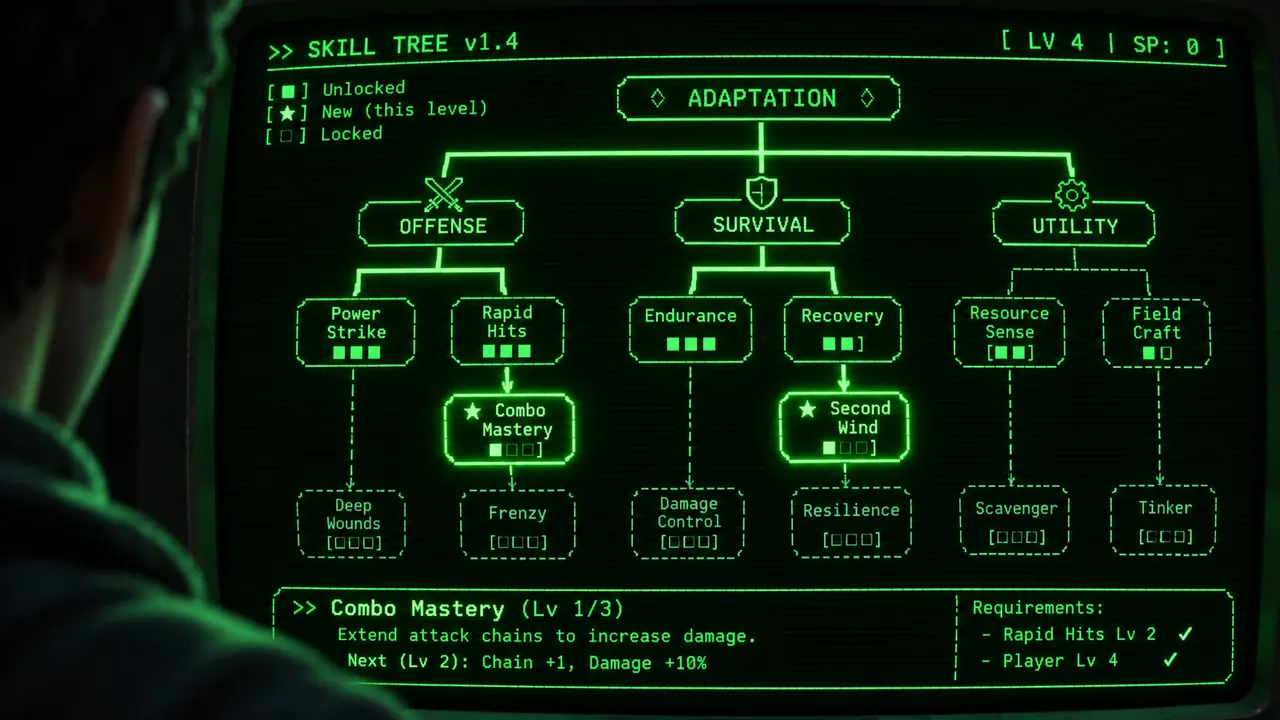
Jane Street open-sourced an agent skill that turns a model into a strict Socratic tutor: it breaks a topic into four to ten subskills, runs a diagnostic of three to five questions, then teaches almost entirely by asking questions rather than lecturing. Each subskill tracks through levels zero to five — from "unaware" to "can teach it" — rendered as an ASCII skill map, with unannounced reviews of earlier material. Training ends only when every subskill hits the target proficiency and the learner clears a comprehensive final assessment.
Relevance 6/10Importance 7/10
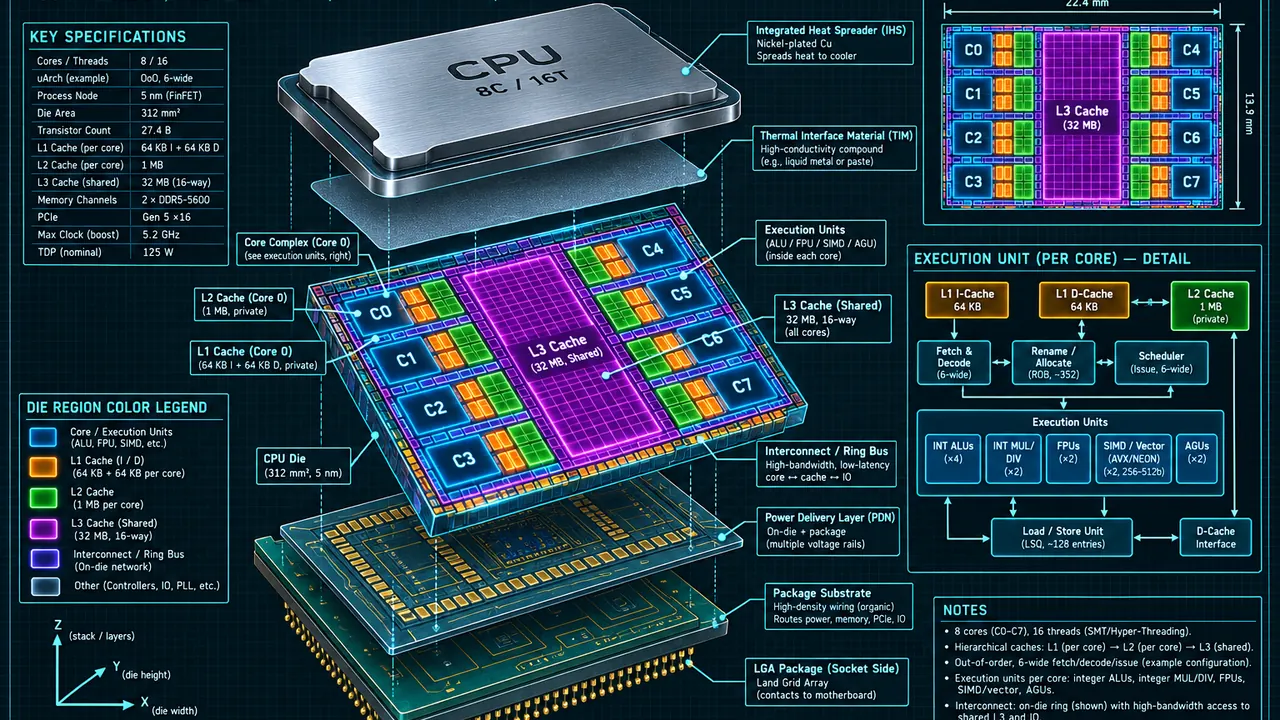
Chips and Cheese sat down with original Zen architect Mike Clark for a deep dive on Zen 6, which splits into a dense high-performance variant with a full 4MB of L3 per core — 32 cores, 128MB total — and a separate high-frequency variant. Notable execution changes include dropping from three integer multiply units to two for scheduler efficiency, two extra VNNI units squeezed in late for AI inference, and vector loads doubling from two to four simultaneously. Clark stresses AMD doesn't want a delta between the two architectures that software has to optimize around.
Relevance 8/10Importance 5/10
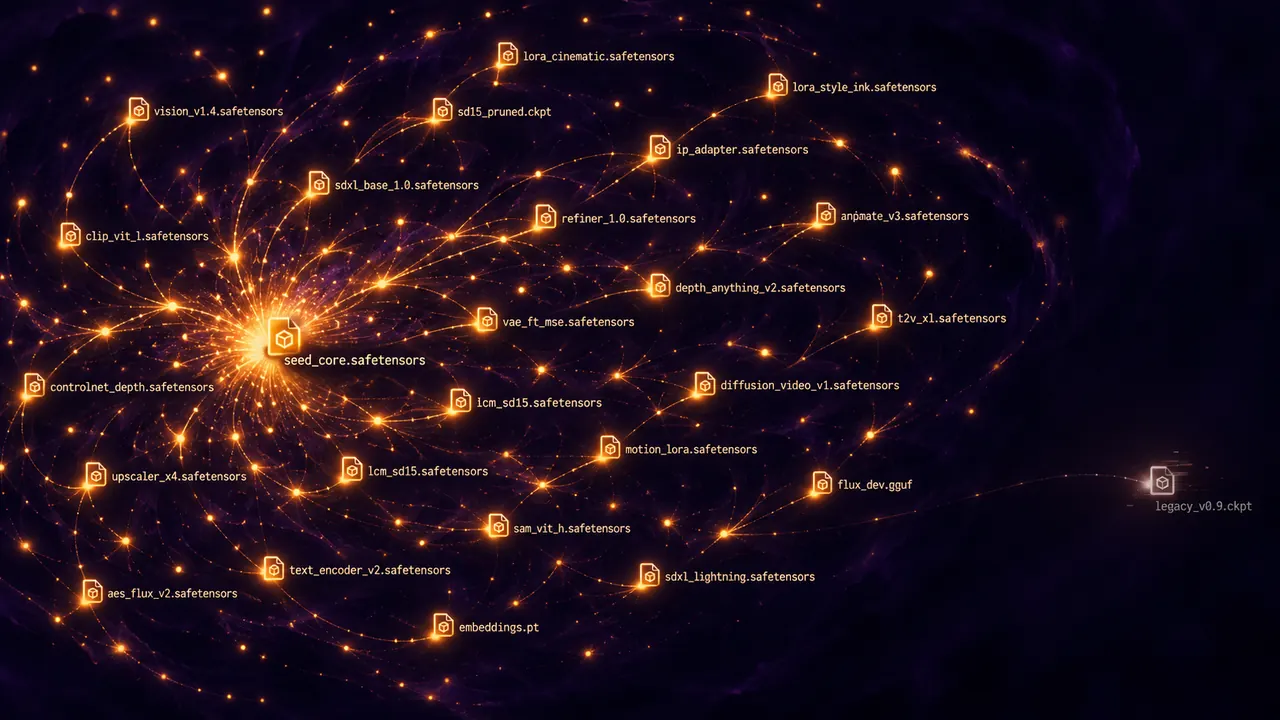
LibreAGI is a private BitTorrent tracker built to preserve open-source AI model weights by distributing copies across its membership, on the premise that "open models should outlive the places that host them." It maintains a signed public catalog of every model, hash, and source so the swarms can be rebuilt even if the site disappears, and it restricts intake to permissively licensed models — Apache 2.0, MIT, or the Qwen Community License. A credit system pays out higher seeding rates for the rarest models, deliberately incentivizing preservation of the most endangered weights.
Relevance 5/10Importance 6/10
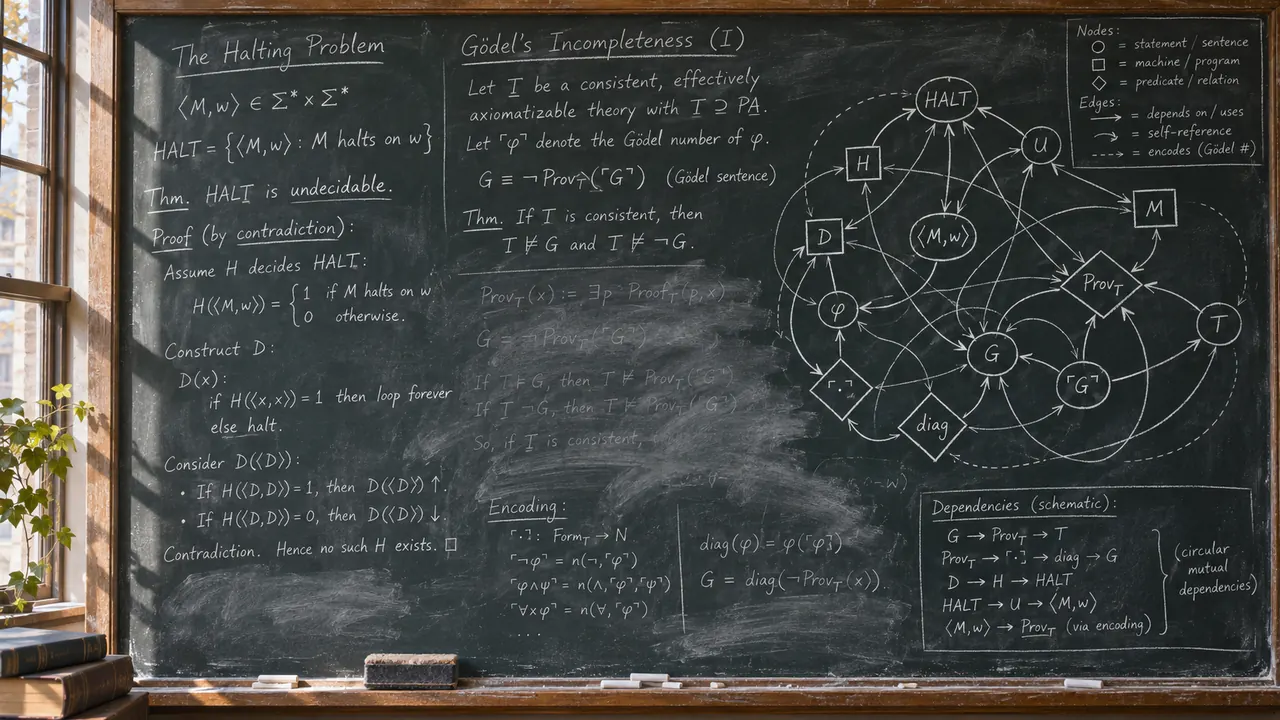
Ron Pressler argues software correctness is hard because of inherent computational limits, not bad tooling — tracing the lineage from Gödel's incompleteness theorems through the 1936 halting problem results. His sharpest claims: verification complexity is Theta of n, meaning you can't know what a program does faster than running it, and correctness doesn't decompose, so modularizing your code doesn't make verification easier. The conclusion is that no silver bullets exist, verification only succeeds selectively for specific programs and properties, and the field needs empiricism about how humans actually write code.
Relevance 2/10Importance 4/10
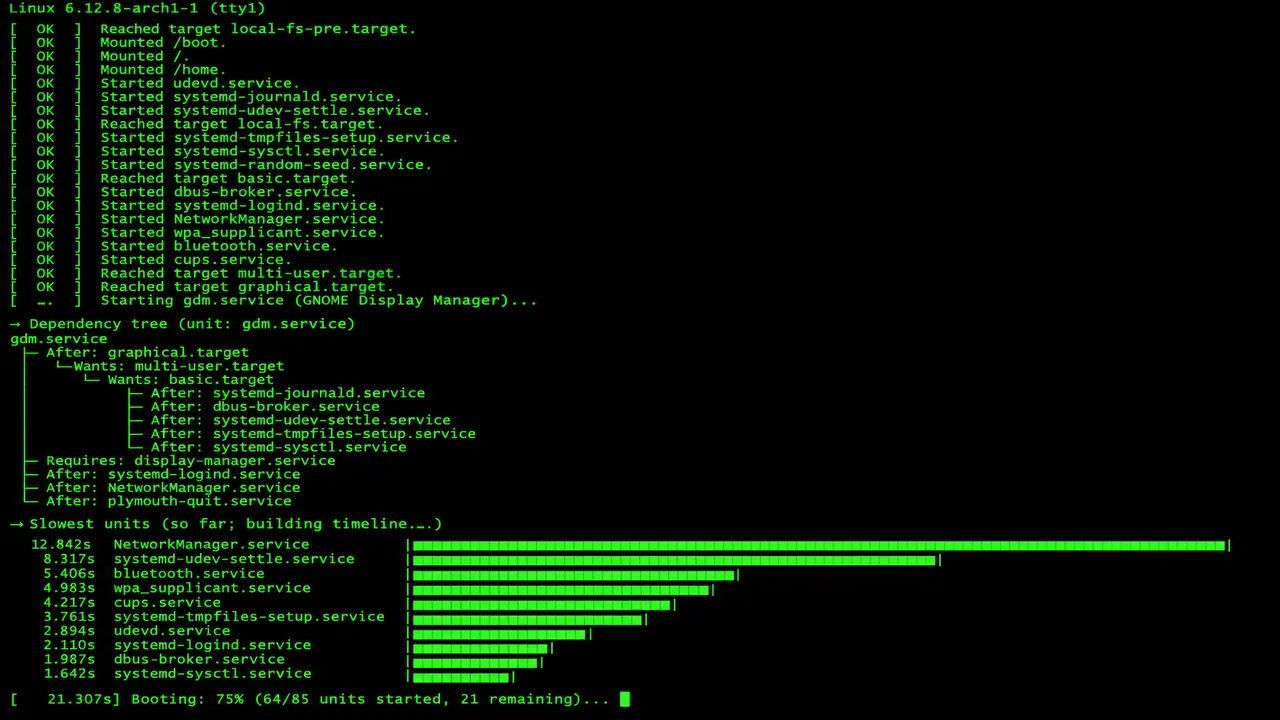
Bootvine replaces the wall of fast-scrolling boot log lines with a live hierarchical tree of systemd units, inspired by nix-output-monitor. As units complete, the freed screen space fills with a timeline of your slowest units, and it shows failure reasons with journal context plus handles in-place prompts like LUKS passphrase unlock. It's 85 percent Rust, GPL-3, and needs systemd 246 or newer with a systemd initrd.
Relevance 1/10Importance 4/10
Curtin University's ICRAR node found GPM J071507 minus 114153 — a white dwarf paired with a Sun-like G-type star, pulsing radio every eight minutes. It's the first time radio pulses have been detected from a white dwarf orbiting a Sun-like star; prior long-period transients only turned up alongside smaller red dwarfs. The team used the Murchison Widefield Array to detect it, MeerKAT to localize it, and Keck for optical confirmation, with the Square Kilometre Array expected to find many more.
Relevance 1/10Importance 3/10
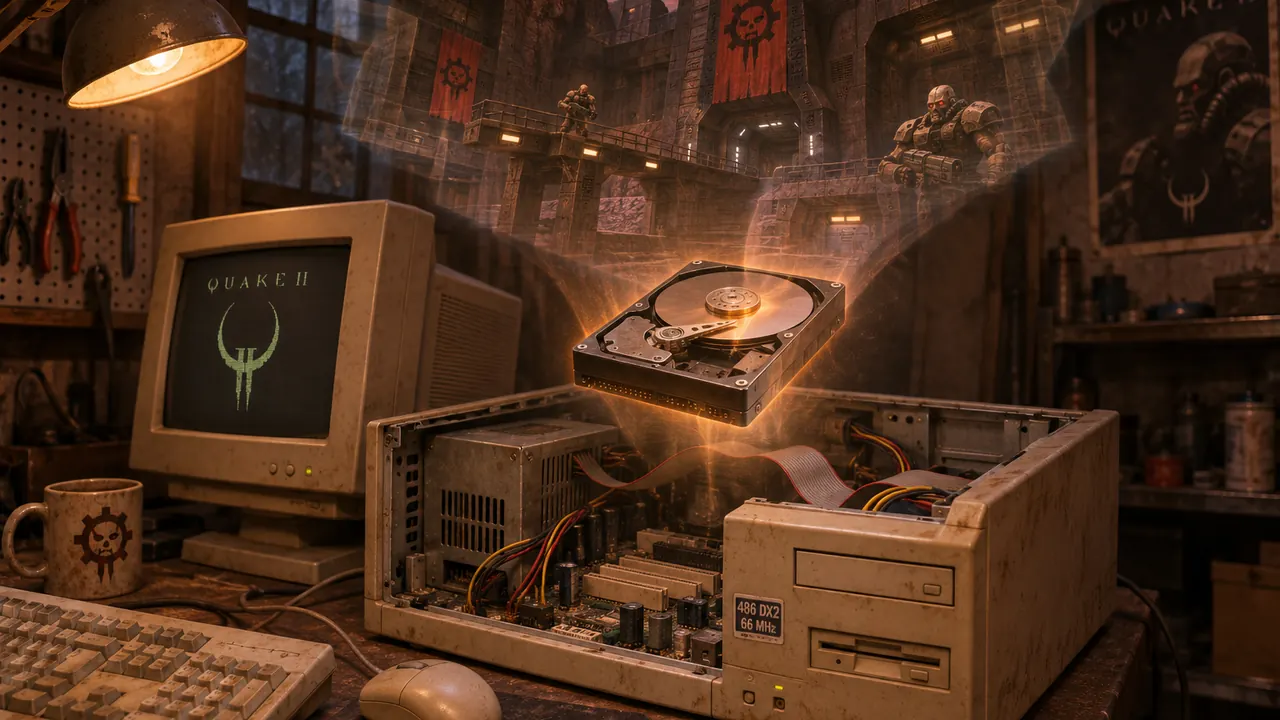
Ritual Entertainment's cancelled Quake 4 expansion "The Awakening" — killed by Activision at roughly 95 percent complete — was recovered from a vintage PC hard drive and has now been finished by modders. Release 0.14.1 of openQ4, a modern binary replacement for Quake 4, ships The Awakening as a selectable campaign alongside the original, running as the q4xbase mod on extended game code. Modders added bug fixes, AI improvements, weapon balancing, and level updates to turn a leaked alpha into something fully playable.

 HN Briefing AM