Relevance 10/10Importance 8/10
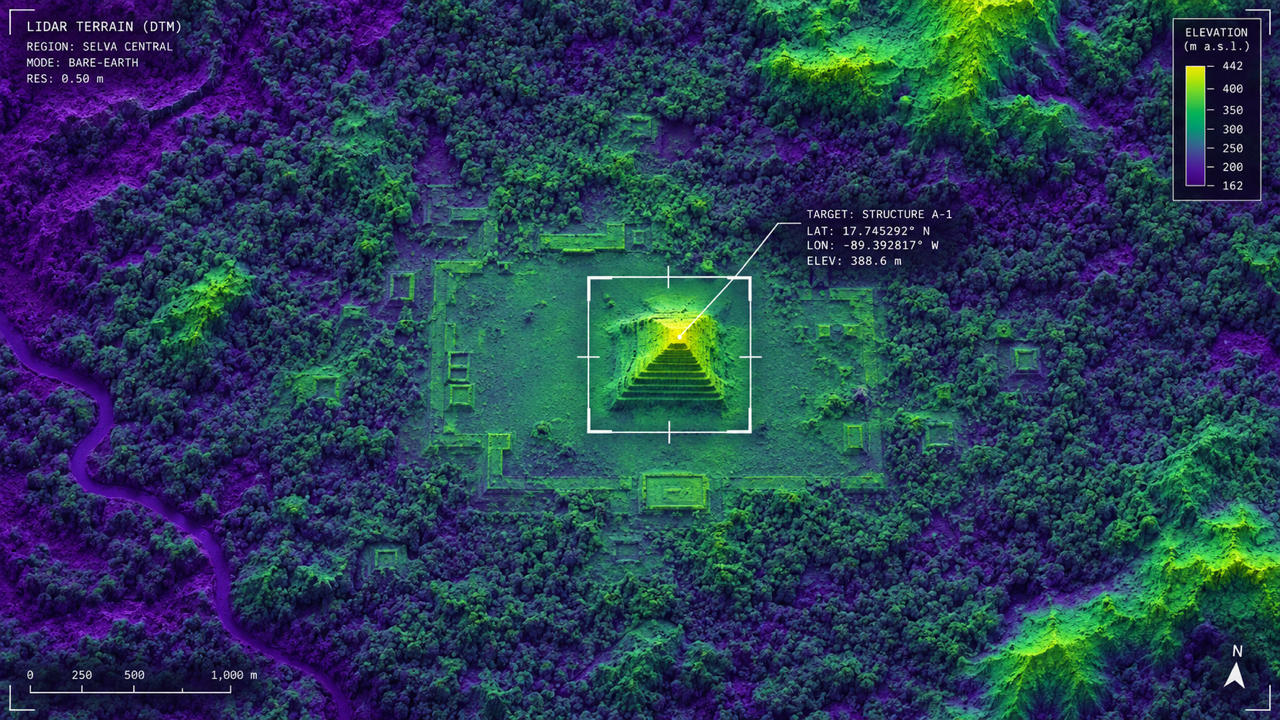
A Google engineer turned 48 parallel AI agents loose on roughly 1,200 square kilometers of NASA lidar data covering Mexican jungle, instructing them to separate human-made plazas and platforms from natural terrain, then cross-reference hits against the archaeological literature. The agents surfaced an apparently unregistered Classic Period Maya civic center with an 8-to-12-meter pyramid, raised courtyard, and possible reservoir on a clifftop. Mexico's INAH confirmed no registered site exists at those coordinates — though the author is not an archaeologist and field verification still requires federal authorization.
Relevance 10/10Importance 7/10
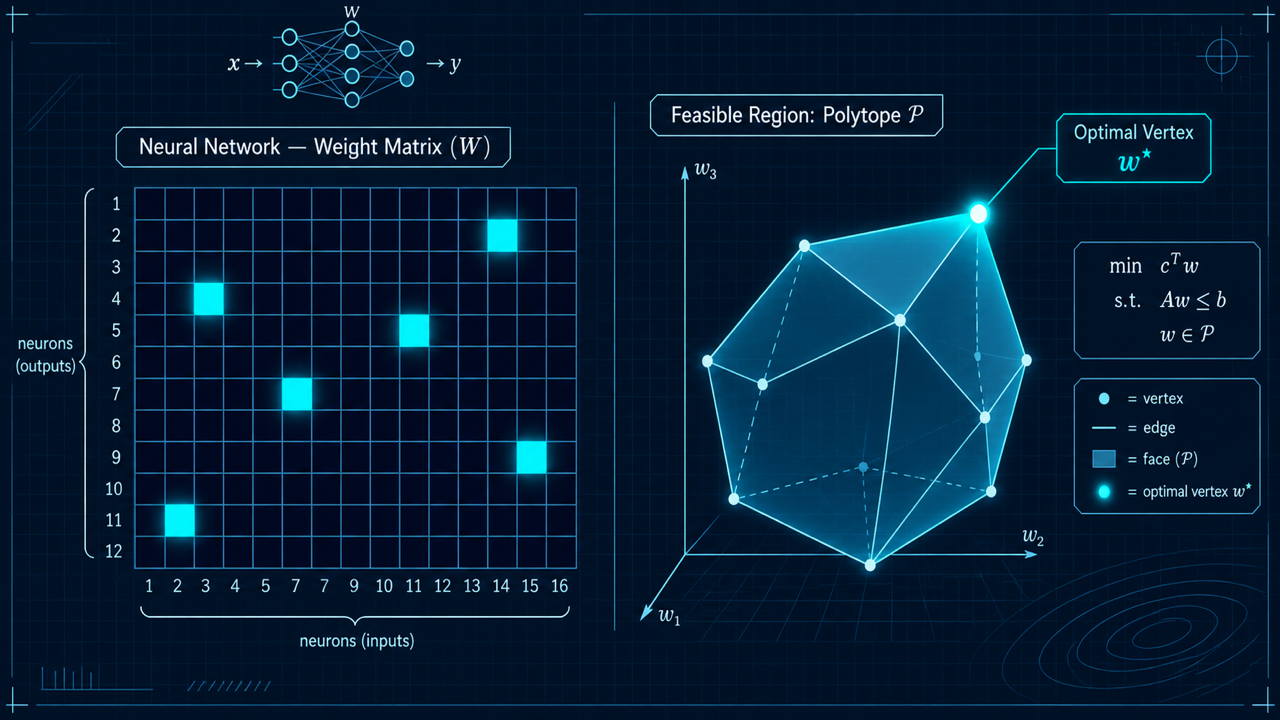
Weight-space programming means editing a neural network's raw weights directly to change behavior, skipping gradient training entirely. This post replaces an 8-plus-hour search procedure for picking which weights to edit with a straightforward linear program, exploiting the fact that the behavior change is linear in the chosen weights. The LP matched the original method on GSM8K, MATH-500, and IFEval while touching 8x fewer weights — and the resulting edit works about as well as a plain constant steering vector.
Relevance 8/10Importance 8/10
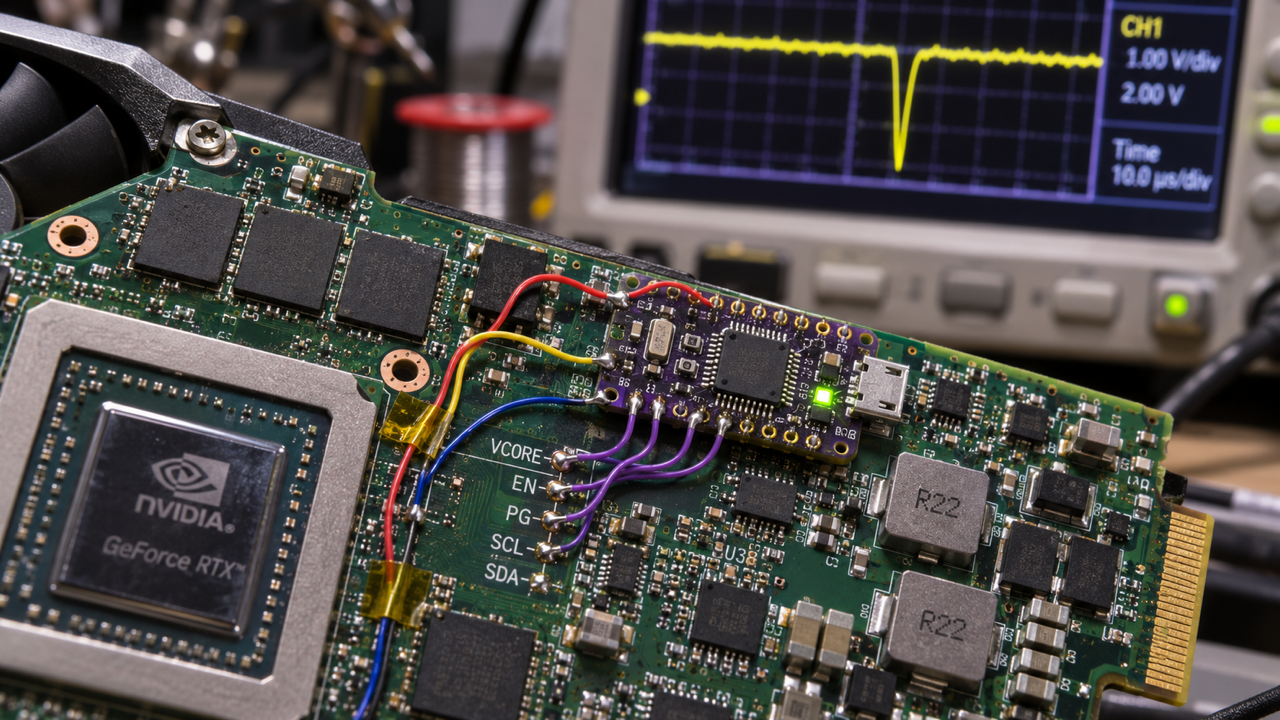
A researcher bolted a custom STM32G4 glitcher board onto an NVIDIA CMP 170HX mining card, intercepting the PWMVID signal to inject precisely timed voltage faults into the GPU's fuse controller. The corrupted boot state let them rewrite "fuseless fuses," expanding the framebuffer from 8GB to 64–80GB, lighting up 120-plus streaming multiprocessors instead of 70, and re-enabling PCIe Gen4 and NVLink. The result beats a retail A100 by roughly 1.2x, and exposes a real design flaw: NVIDIA's fuse architecture allows blowing more fuses to relax restrictions.
Relevance 9/10Importance 6/10
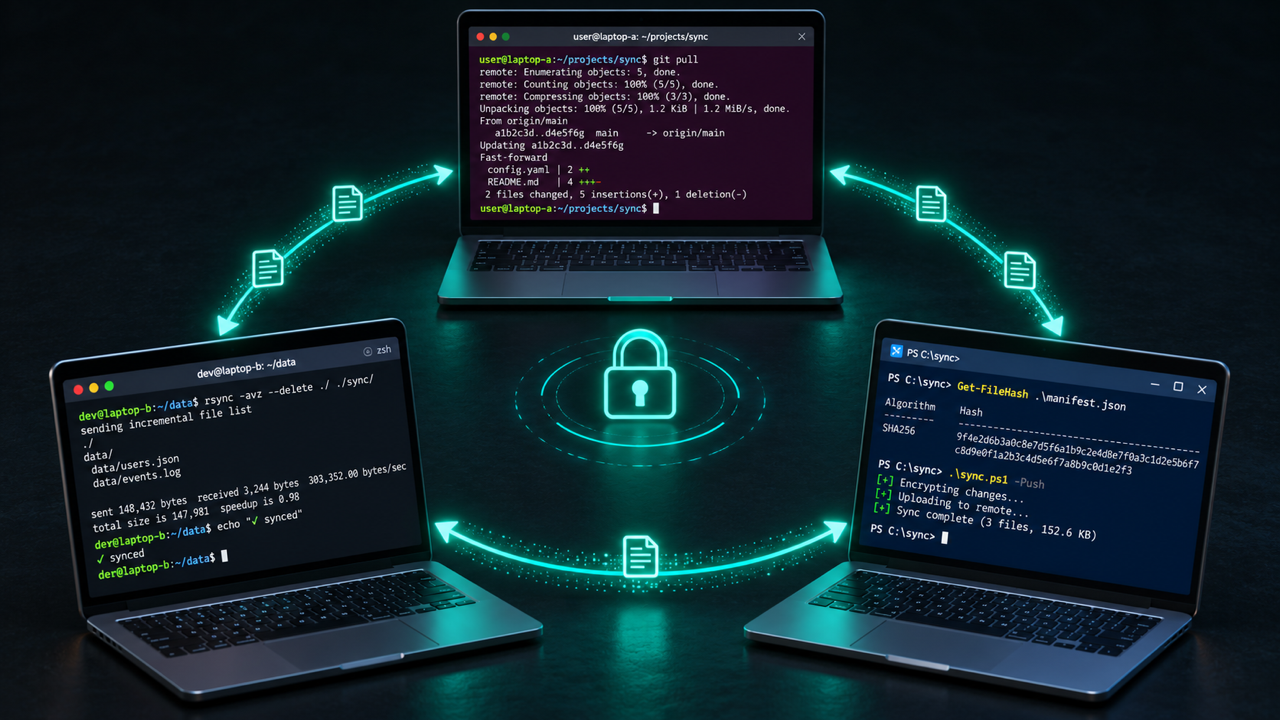
Atuin, best known for syncing shell history, has extended the same idea to AI coding agents in version 18.24. Threads records sessions from Claude Code, Codex, Pi, Omp, and OpenCode into a searchable, end-to-end-encrypted history you can resume or fork on any machine via `atuin resume`. There's also an MCP server so agents can search their own prior sessions; team sharing is still in development.
Relevance 4/10Importance 7/10
A walkthrough for generating SSH keys that live inside the Mac's Secure Enclave using only built-in tooling — `sc_auth` to mint a CryptoTokenKit identity, `ssh-keygen` for the key handle, and explicit IdentityFile entries in your SSH config. The private key never touches disk or memory, and Touch ID can gate every signing operation, so malware can't use it silently. Downsides: keys are bound to that one machine, the auth prompt is ugly and generic, and most documentation online is stale.
Relevance 3/10Importance 7/10
The Verge sent 17 yes-or-no questions to every major TV and streaming device maker, covering microphone use, automatic content recognition screenshotting of everything you watch, what's stored locally, and what gets shipped to the cloud. The yes-or-no format was deliberate — it leaves nowhere to hide behind PR language. Several vendors engaged; Hisense never replied despite five attempts.
Relevance 3/10Importance 5/10
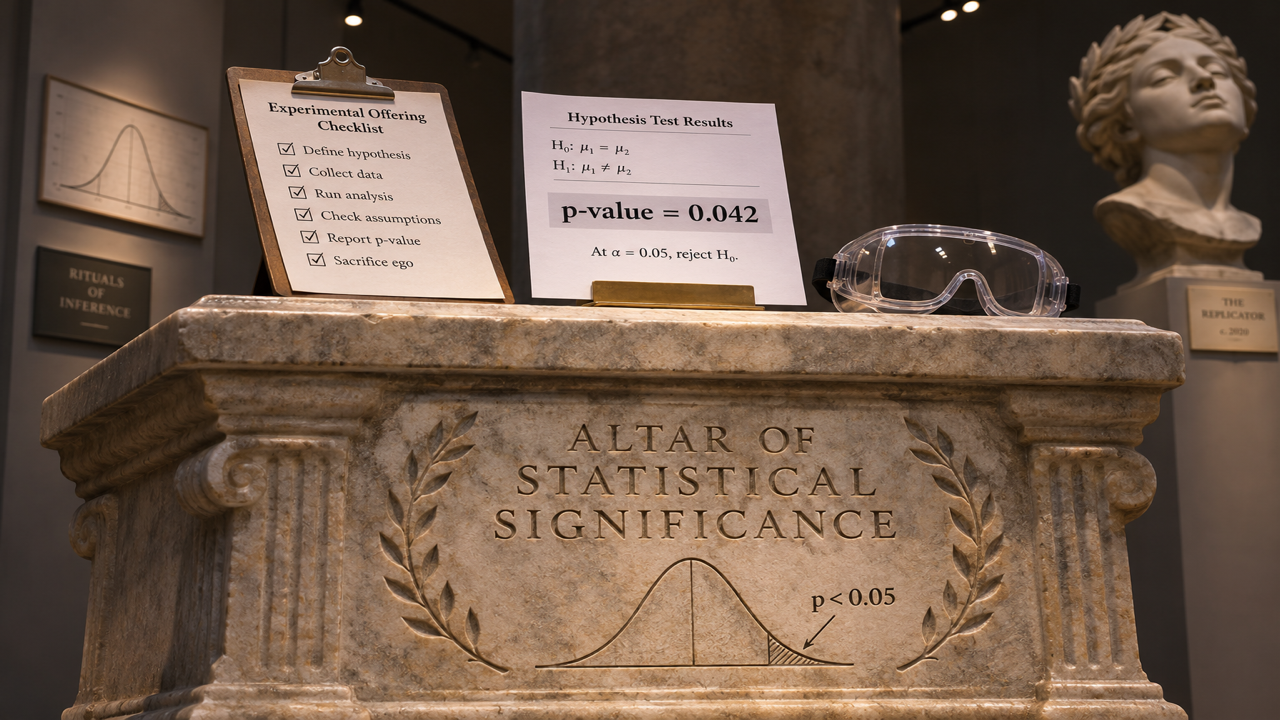
Adam Mastroianni argues that well-intentioned social programs fail constantly because we're captive to an illusion of control — we assume interventions work because we meant them to. His read is that social science is still in its pre-scientific adolescence, and we genuinely don't know whether most programs accomplish anything. The prescription isn't nihilism but epistemic humility plus a lot more rigorous testing.
Relevance 3/10Importance 4/10
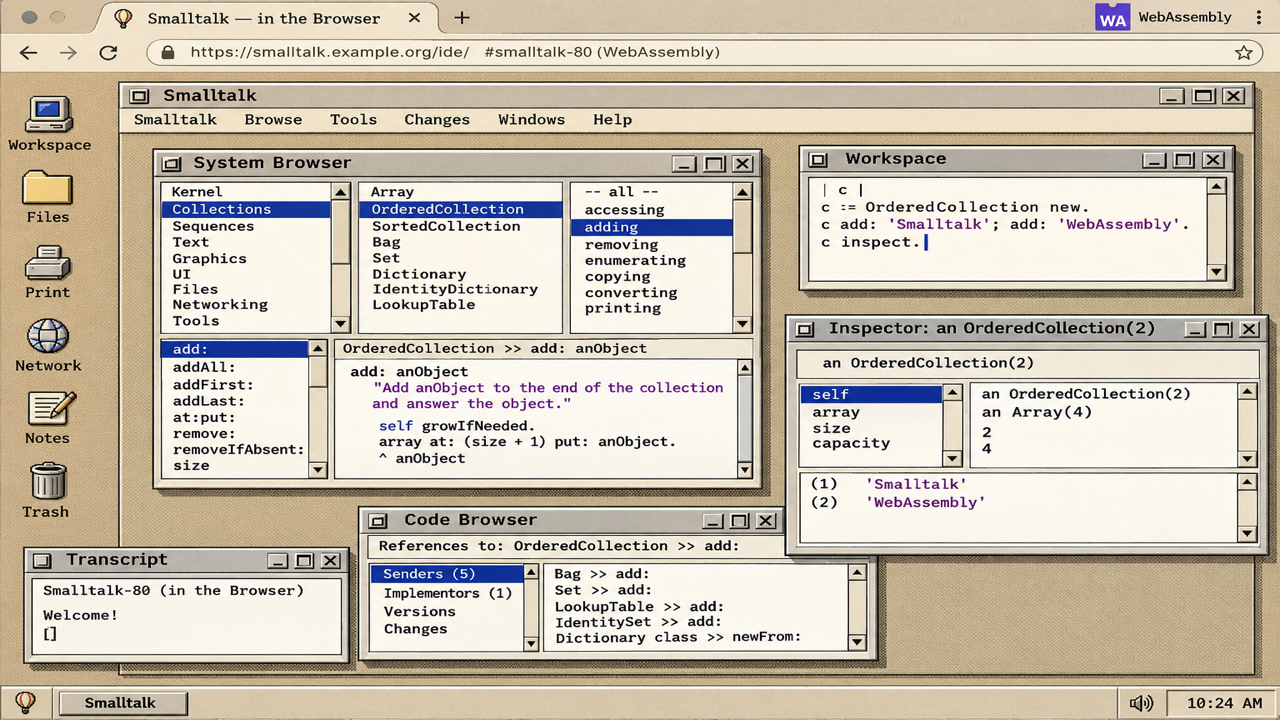
The full Pharo Smalltalk environment now boots inside a browser tab, compiled to WebAssembly. You get a live Smalltalk REPL on the loaded image, plus the ability to open, save, and download .st files, zipped Pharo archives, and full image files with their .changes and .sources companions. There's even an HTTP proxy layer so Iceberg and Metacello can reach GitHub for real package management.
Relevance 3/10Importance 3/10
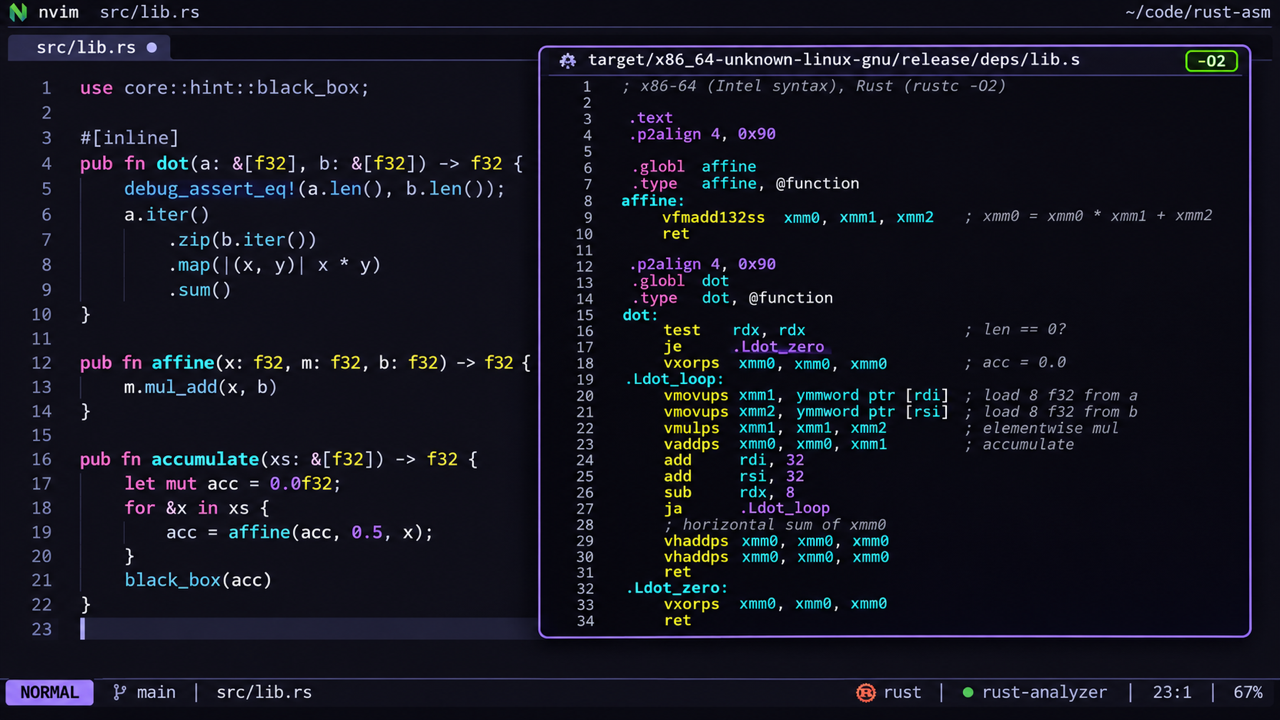
A small Lua plugin that pops the compiled assembly for the function under your cursor into a Neovim floating window, no browser round-trip required. It handles C, C++, and Rust across x64 and aarch64, picks up your `compile_commands.json` when one exists, and lets you bump optimization levels with plus and minus right inside the window. Needs `cc`/`c++` or the Rust toolchain on PATH, and installs cleanly via lazy.nvim.
Relevance 2/10Importance 3/10
A free browser toy that simulates granular sand using WebGL2 for rendering and JavaScript for the physics. You can push grains with mouse or touch, tilt your device to make it slide, shake to scatter, or just draw in it — with five sand types, dynamic lighting, granular audio, and optional haptics. No install, runs on phones, tablets, and desktops with WebGL2 support.

 HN Briefing AM