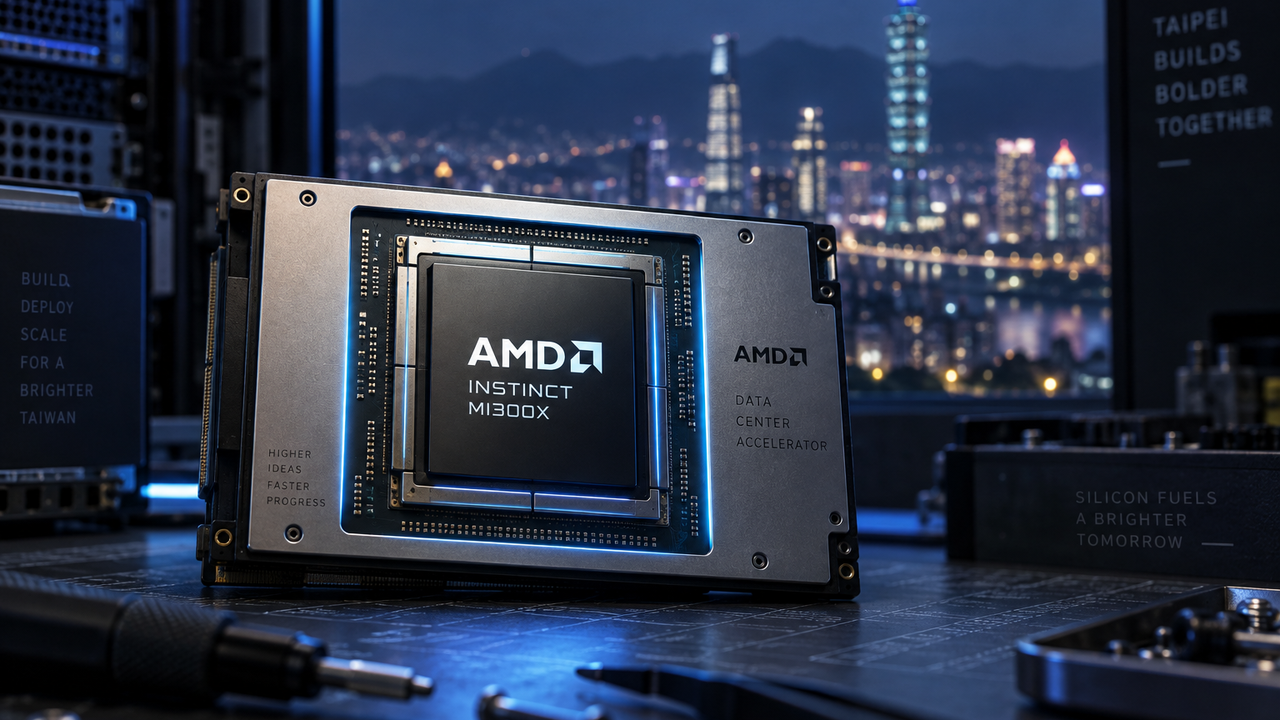
Speaking to reporters in Taipei this morning, AMD CEO Lisa Su said demand is still outrunning supply and the company will "substantially increase our supply in 2027," noting AMD is constrained on wafers and on memory. She said AMD is now planning three to five years out. The stock closed at a record $633.91 on October 2 and briefly crossed a $1 trillion market cap; it was indicated slightly lower near $631 in early trade.
Nvidia's board authorized an additional $150 billion of repurchases, lifting total remaining authorization to roughly $235 billion through fiscal 2028 — surpassing Apple's $110 billion 2024 program. Shares hit a record near $238 Monday, up about 1.3% on the day, putting market cap near $5.7 trillion. Morgan Stanley nudged its target to $250 from $235; NVDA was up about 2% premarket.
Amazon signed a 20-year PPA for 690 megawatts from Constellation's Calvert Cliffs plant in Maryland, and reports say Google is close to a separate multi-year deal worth $1 billion or more. Constellation jumped roughly 4% premarket to about $267.62. Alphabet also firmed on the report.
AMD is acquiring spatial-intelligence startup World Labs for roughly $8.2 billion in stock, with Fei-Fei Li joining as executive vice president and chief scientist. Close is expected by year-end pending regulatory approval. The reaction was mixed — shares slid close to 4% in the session after the announcement, reflecting a stretched valuation absorbing a research bet with no near-term revenue.
Meta shares rose nearly 29% in the third quarter, the strongest since Q1 2024, powered by its Muse AI agent — roughly 5 million downloads between September 8 and 30 and the top free app in the U.S. and Canada. Needham's Laura Martin stayed at hold, calling Meta "notoriously slow at monetizing new products," noting Muse is free and walled off from the ad business. She models north of $135 billion of 2026 capex, and flags that Amazon has already blocked Muse from shopping its site.
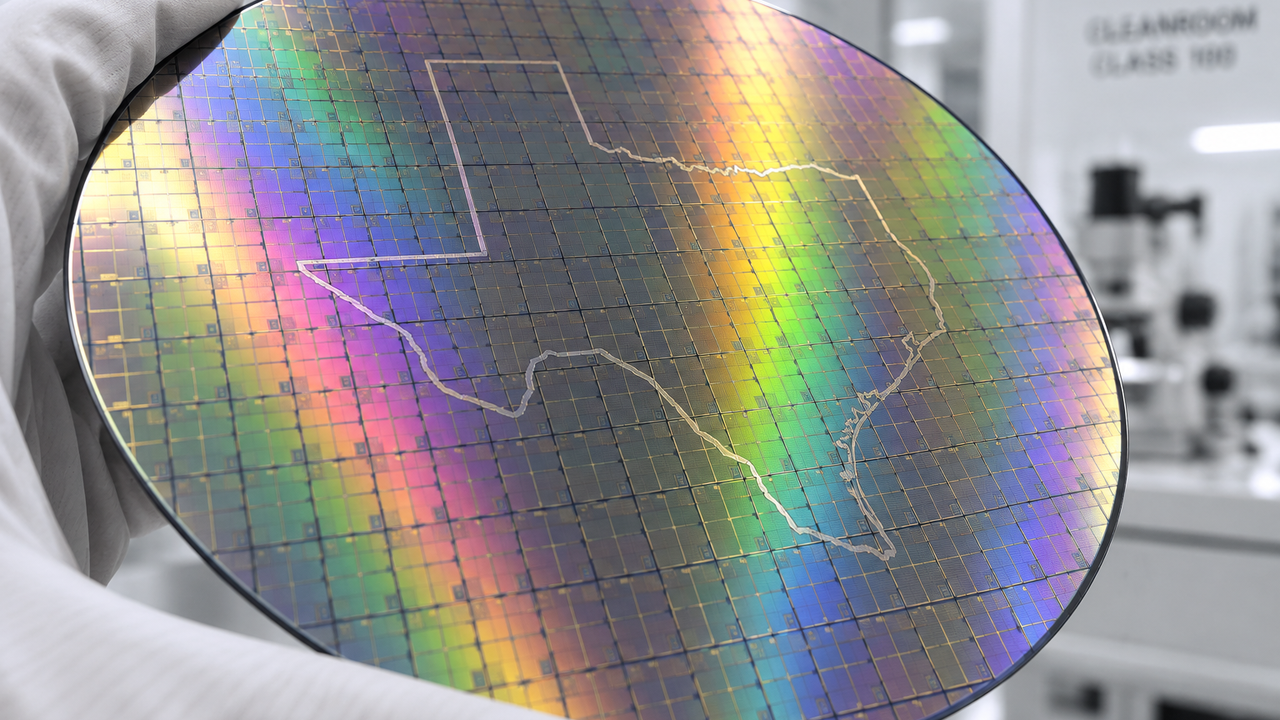
Taiwan Semiconductor rose about 2% to a record $484.19 after Elon Musk said his chip venture Terafab is in early discussions with TSMC about Texas fabs. Musk characterized it as "just discussions," not a signed deal. Intel, which had previously flagged a Terafab partnership, fell about 4%.
Melius Research's Ben Reitzes upgraded Microsoft to buy from hold, reversing a February downgrade, with a $550 price target. Reitzes had spent years warning AI would disrupt legacy software vendors; he now sees Microsoft as a winner in enterprise AI agents. The stock is up roughly 50% from its late-June 52-week low of $349 and sits about 3% below its record $542 close from October 2025.
Micron closed down about 1.2% at $1,063.96 despite record fiscal Q4 revenue of $54 billion and 87% gross margins, with DRAM revenue at a record $39.8 billion and data center SSD revenue near $10 billion — more than ten times a year ago. Management says tight memory supply persists through 2028, but investors are pricing a memory-price peak. Mizuho raised its target to $1,400 from $1,300; the 49-analyst consensus sits near $1,536.
Morgan Stanley raised Broadcom's price target to $443 from $409, citing broad-based AI strength and tightening supply after a round of channel meetings. Broadcom's most recent quarter showed AI semiconductor revenue more than tripling year over year with management guiding to further acceleration. Shares rose about 2% Monday on custom-accelerator work tied to Alphabet, Meta and OpenAI.
Steve Eisman pushed back on Michael Burry's thesis that hyperscalers are understating AI hardware depreciation by more than $175 billion between 2026 and 2028, calling the argument "too academic" and noting there is still heavy demand for older chips. Eisman isn't bullish either — he says the real fragility is concentration risk in OpenAI and Anthropic, the "Achilles heel" of the trade.

 AI Stocks