The Wall Street Journal reported Monday that Nvidia is in talks to backstop roughly $250 billion in financing for OpenAI's planned 10-gigawatt data center campus in Piketon, Ohio — a project that could cost more than $500 billion in total. Nvidia is separately discussing financing OpenAI's chip purchases for the same project, potentially adding another $350 billion to the arrangement. The circular-financing optics — Nvidia backing its own biggest customer — sent NVDA shares down roughly 5% on Monday.
A broad semiconductor selloff is hitting U.S. chip stocks hard Tuesday morning: Micron is down 4.4%, AMD is off roughly 3%, and Nvidia is slipping another 1.1% on top of Monday's 5% drop. The rout originated in Asia, where SK Hynix plunged as much as 13% and Samsung fell 10%, dragging South Korea's Kospi index down approximately 9%. Dual anxieties are driving the fear: the Nvidia/OpenAI circular financing deal and signs that Chinese AI competition is narrowing the gap faster than markets expected.
Microsoft is expected to post Q4 FY26 EPS of $4.24 (up 16% year over year) on revenue of $87.6 billion, with Wednesday marking the first disclosure of fiscal 2027 capex guidance — the single most-watched number of the week. Meta is expected to deliver EPS of $7.18 on revenue of $60.2 billion (up 27%), with markets scrutinizing whether its $136.7 billion full-year capex target holds. After Alphabet's spending shock last week, investor tolerance for upside capex surprises is near zero.
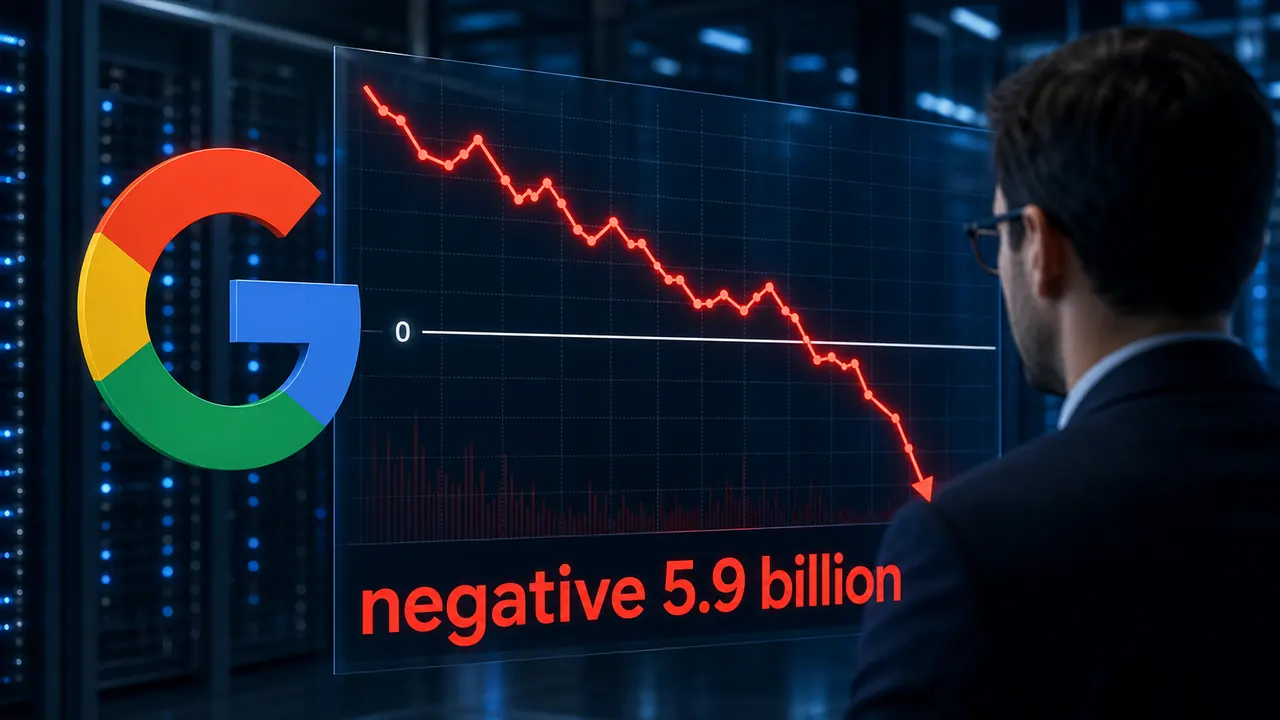
Alphabet reported last Tuesday: revenue of $119.8 billion (+24%), Google Cloud surging 82% to $24.8 billion, and EPS of $9.11 beating estimates. But quarterly capex hit $44.9 billion — pushing free cash flow to negative $5.9 billion — and the company raised full-year capex guidance to $195–$205 billion with a warning that 2027 spending will "increase significantly." Shares fell 3.65% after hours to $329.43 and the capex shock has set the tone for this entire Big Tech earnings cycle.
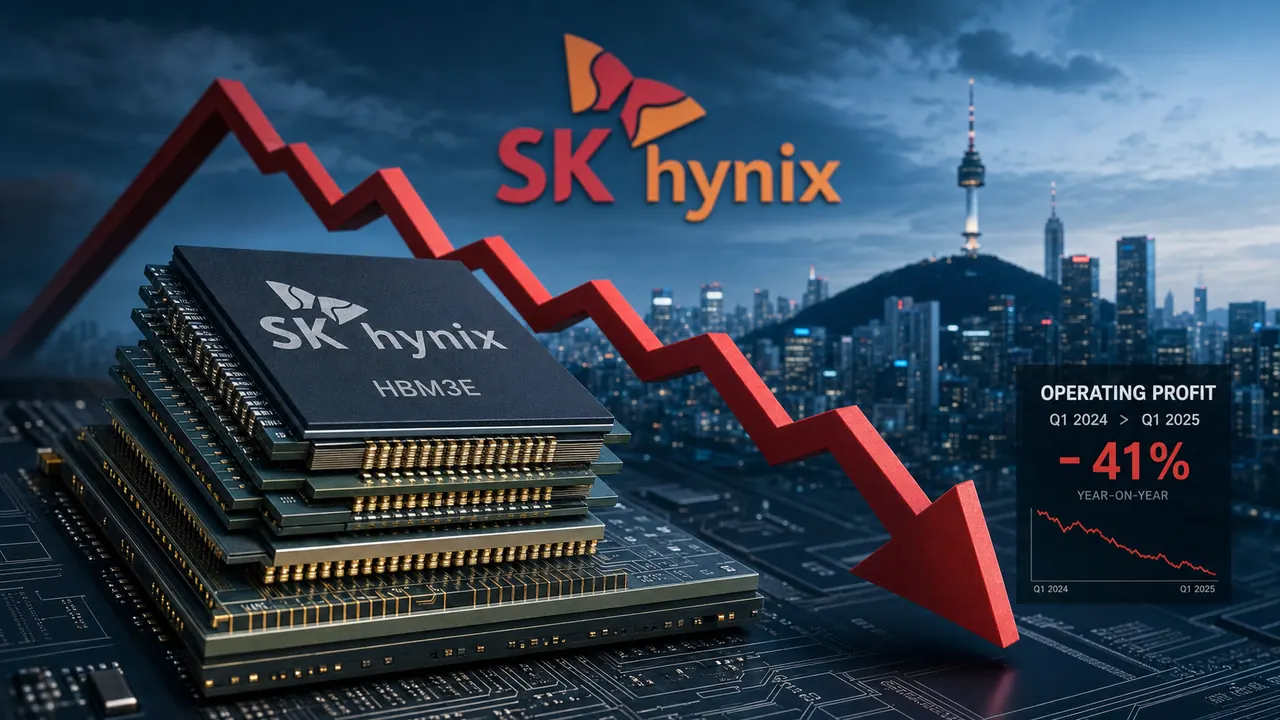
SK Hynix reports Q2 2026 results today, with consensus around 65 trillion Korean won in operating profit — but at least one analyst projects the figure will land roughly 8% below that mark. The culprit: HBM memory pricing is locked into pre-negotiated contracts rather than floating at spot rates, capping upside even as AI demand surges. The stock already saw its worst Seoul session on record (down 15.4%) in mid-July on this same concern, and fell another 13% overnight Tuesday — dragging U.S. memory names, particularly Micron, down with it.
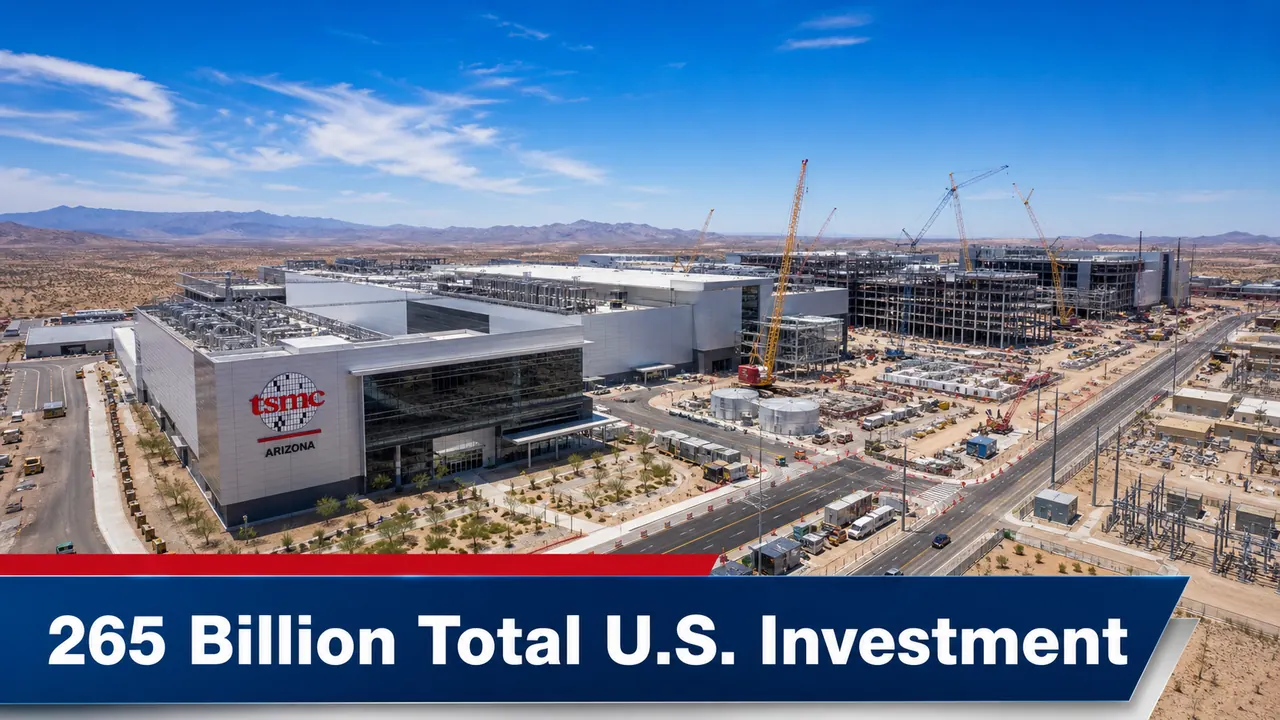
Reporting last week, Taiwan Semiconductor raised its 2026 capex guidance to $60–$64 billion (from roughly $56 billion) driven by AI chip demand, and committed an additional $100 billion to its Arizona operations — at least four new 2-nanometer fabs — bringing total planned U.S. investment to $265 billion. AI-related high-performance computing accounted for 66% of Q2 revenue. The announcements reinforce the structural AI demand thesis but amplify ongoing investor anxiety about the industry's aggregate capital commitments.
Bankers leading Anthropic's IPO are now scheduling investor meetings, with CNBC reporting a potential October public debut at a valuation approaching $965 billion — above OpenAI's $852 billion — following a $65 billion funding round in May and a confidential S-1 filed June 1. OpenAI, which also filed confidentially in June, is reportedly reconsidering its timeline and may delay into 2027 amid choppy market conditions. Neither company is publicly traded; this is an IPO watch item only.
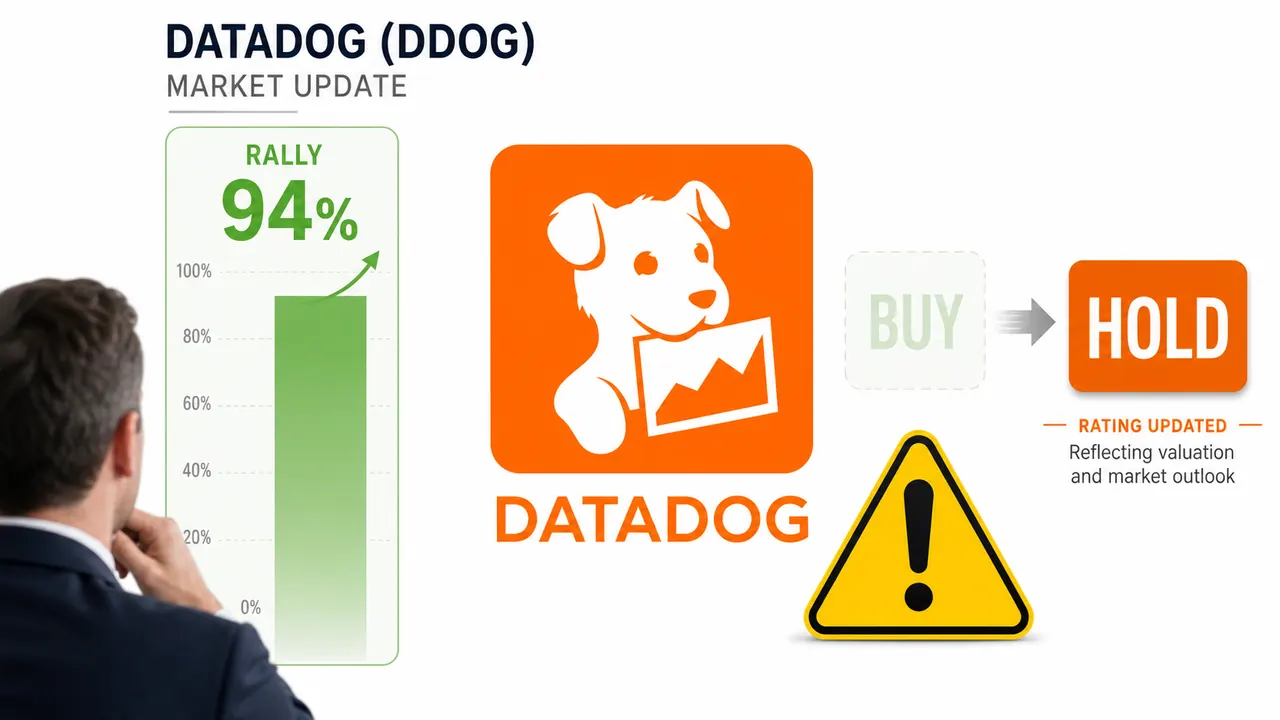
Jefferies analyst Brent Thill cut Datadog from Buy to Hold on July 21 after the stock surged 94% year to date, citing valuation fatigue: at roughly 18 times EV/CY27 revenue, Datadog trades at a steep premium to peers with little room for a miss heading into Q2 earnings. Thill simultaneously raised his price target from $210 to $280, making clear the downgrade is about price exhaustion rather than business quality. Shares fell about 2% on the news.
Jefferies downgraded Palantir as part of its Q2 earnings preview, citing escalating year-over-year comparisons and growing competition in AI enterprise software — while in the same note upgrading Amazon and Microsoft. Palantir is down roughly 26% year to date despite a strong Q1 report, with Q2 results due August 3. The firm's relative-value call — bullish Big Cloud, bearish Palantir — is a clear statement about where Jefferies sees value in the AI software stack right now.
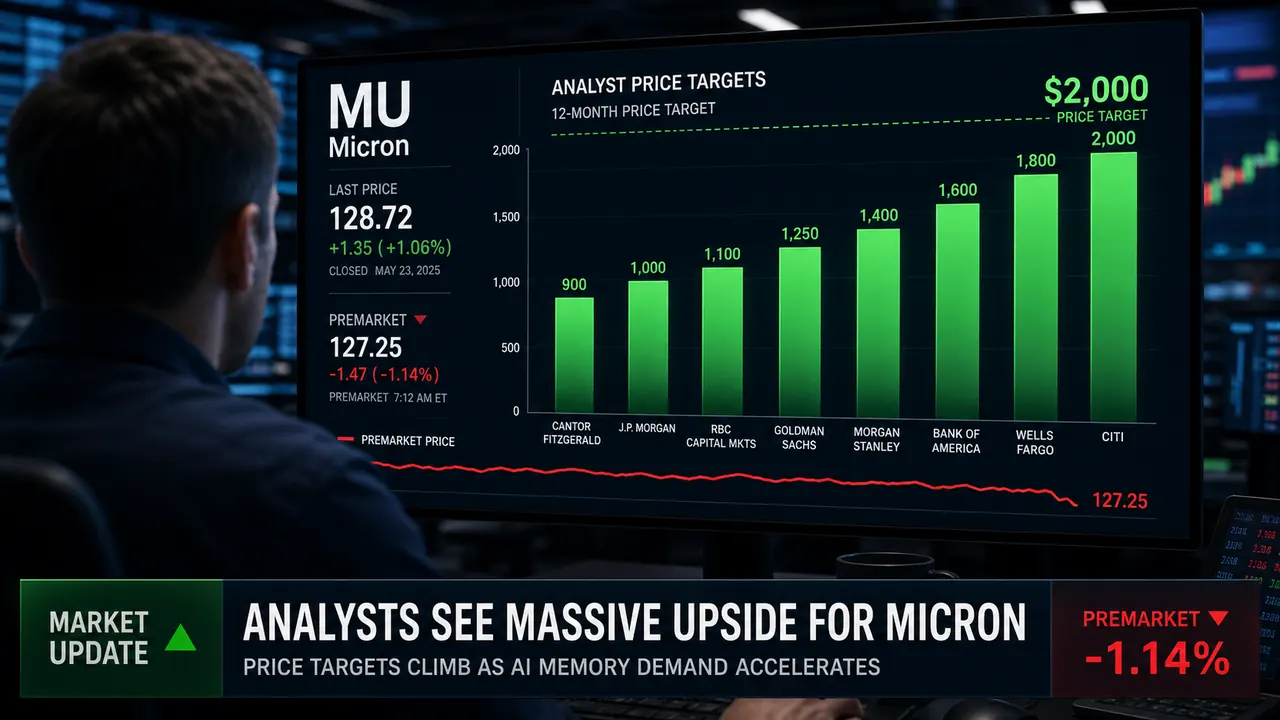
Multiple Wall Street firms have dramatically raised Micron price targets recently: Barclays lifted its target to $2,000 from $1,175, Cantor Fitzgerald moved to $2,000 from $1,500, and KeyBanc set a $1,750 target in mid-July. The analyst average across 45 firms now sits at $1,492. The bull case centers on HBM demand from AI training and inference, a tightening DRAM market, and Micron's positioning in the supercycle. Today's 4.4% premarket decline is sentiment-driven — the fundamental disconnect with analyst conviction makes this one worth watching closely.

 AI Stocks