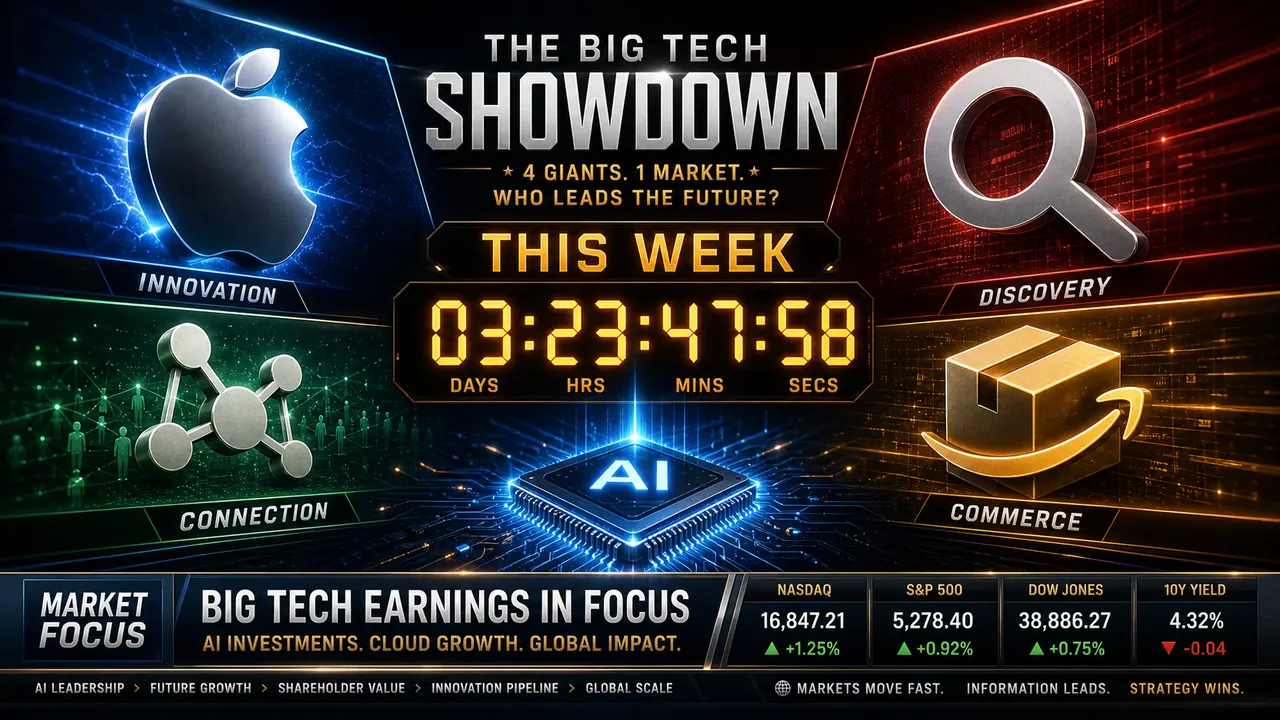
Microsoft and Meta report Wednesday, July 29; Apple and Amazon follow Thursday, July 30. Combined, these four companies are guiding roughly $660 billion in 2026 capital expenditure, the bulk of it AI infrastructure. The central question for the market: can Azure, AWS, and Meta's AI platform convert that spending into margin expansion, or is the hyperscaler build-out still a faith trade?
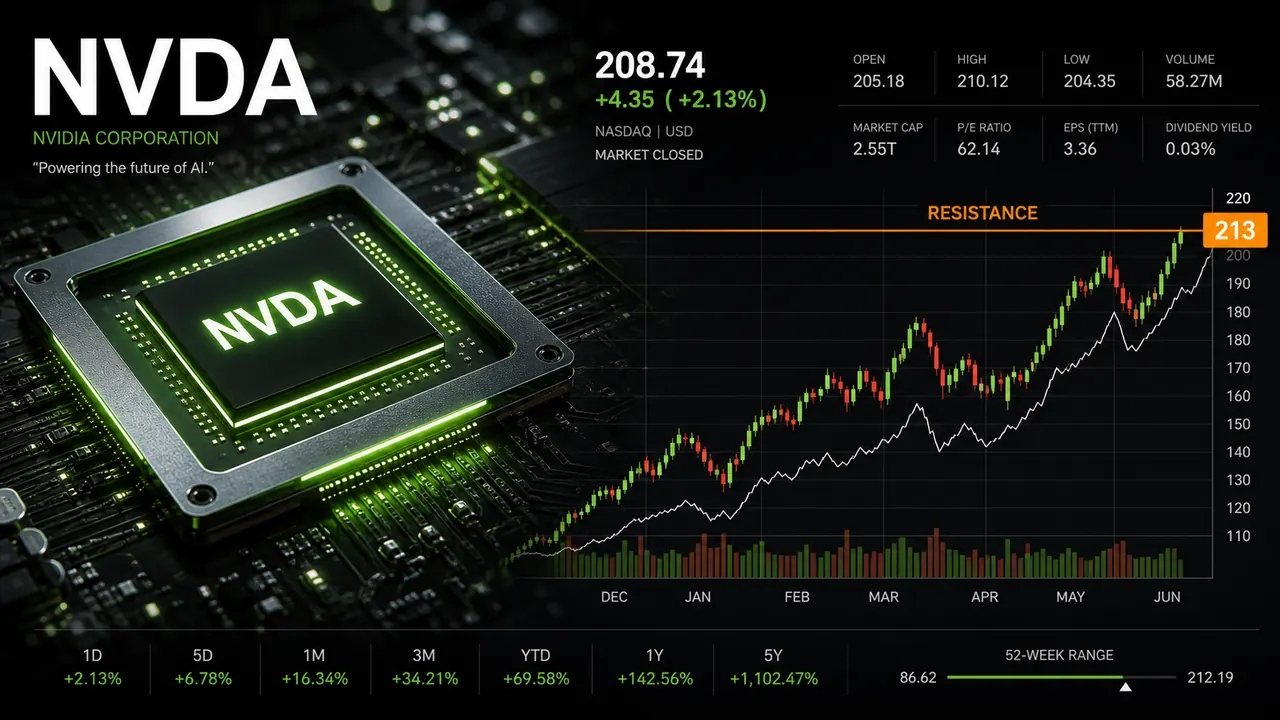
Nvidia trades around $206.84, down roughly 0.9% Sunday on $28 billion in dollar volume, with this week's big-tech prints positioned as either a direct demand confirmation or a valuation reset for the stock. CFO Colette Kress has guided toward $3–4 trillion in annual AI infrastructure spending by decade end. A capex beat from Azure or AWS could push NVDA back toward the $213 near-term resistance level.
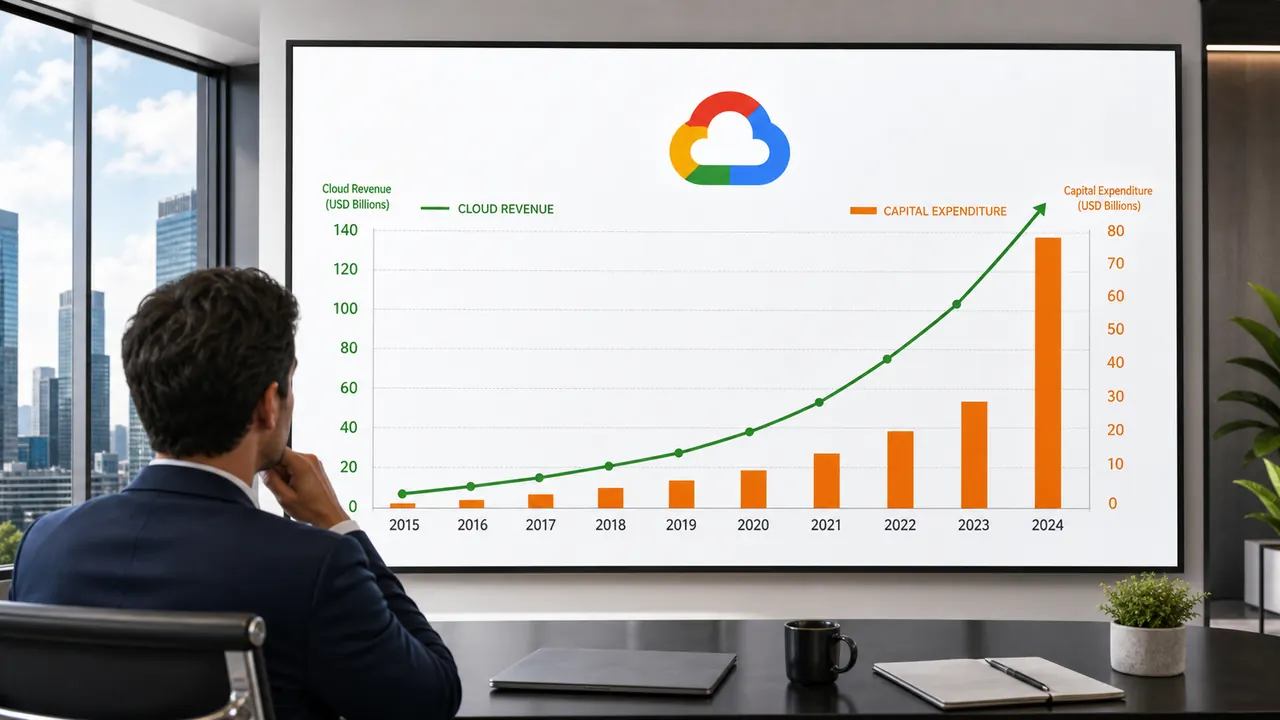
Alphabet reported Q2 revenue of $119.8 billion (+24% YoY, beating estimates of $116.93B), with Google Cloud surging 82% to $24.8 billion and a cloud backlog reaching $514 billion. Shares dipped in after-hours trading when management raised 2026 capex guidance to $195–$205 billion. On Monday morning, Phillip Securities upgraded GOOGL to Buy with a $425 target, calling the pullback an opportunity.
Anthropic's bankers — Goldman Sachs, Morgan Stanley, and JPMorgan — are now conducting pre-roadshow investor meetings following a confidential S-1 filing on June 1. The company closed a $65 billion funding round at a $965 billion valuation in May, surpassing OpenAI's $852 billion mark. An October public debut is the working timeline; OpenAI's CFO Sarah Friar has said her company is not ready to go public.
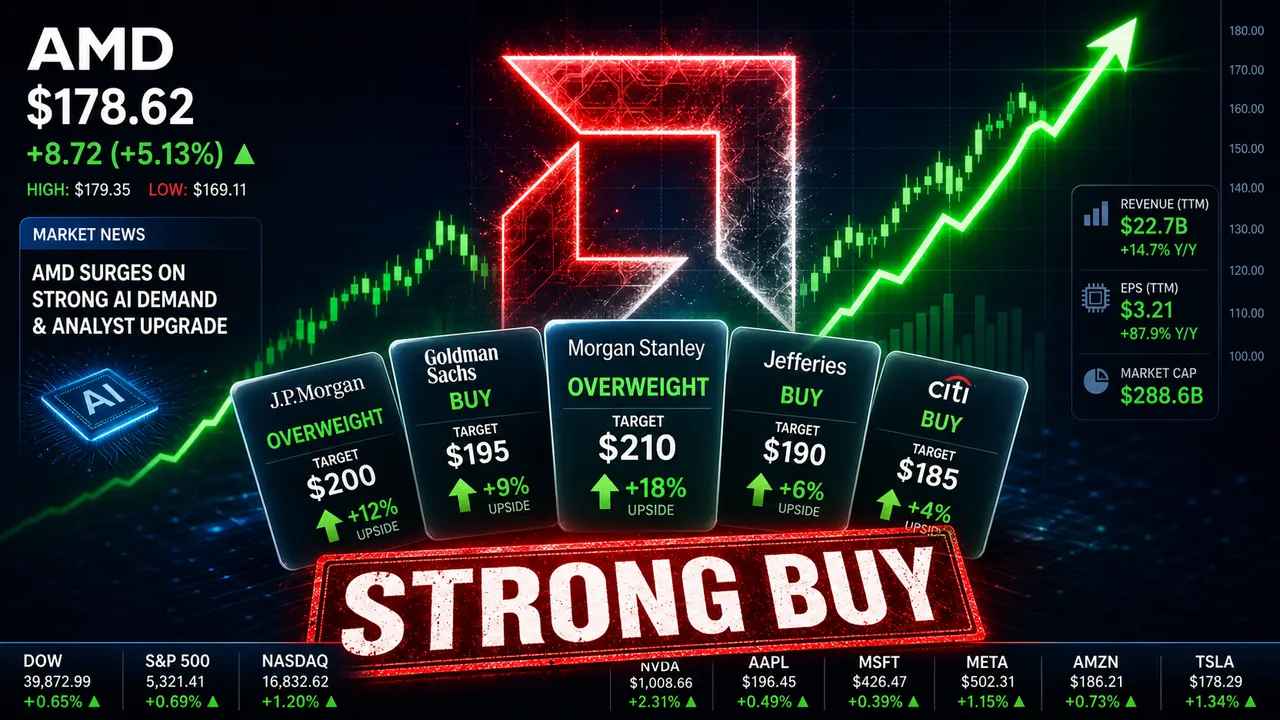
Advanced Micro Devices has become the defining AI chip second-act of 2026, rallying 130% year-to-date as investors rotate away from Nvidia concentration risk. Following AMD's Advancing AI event, Baird raised its price target to a street-high $1,250; Jefferies, UBS (to $730), Bank of America (to $620), and Roth Capital (to $650) also lifted targets. Consensus now sits at Strong Buy across 82% of covering analysts.
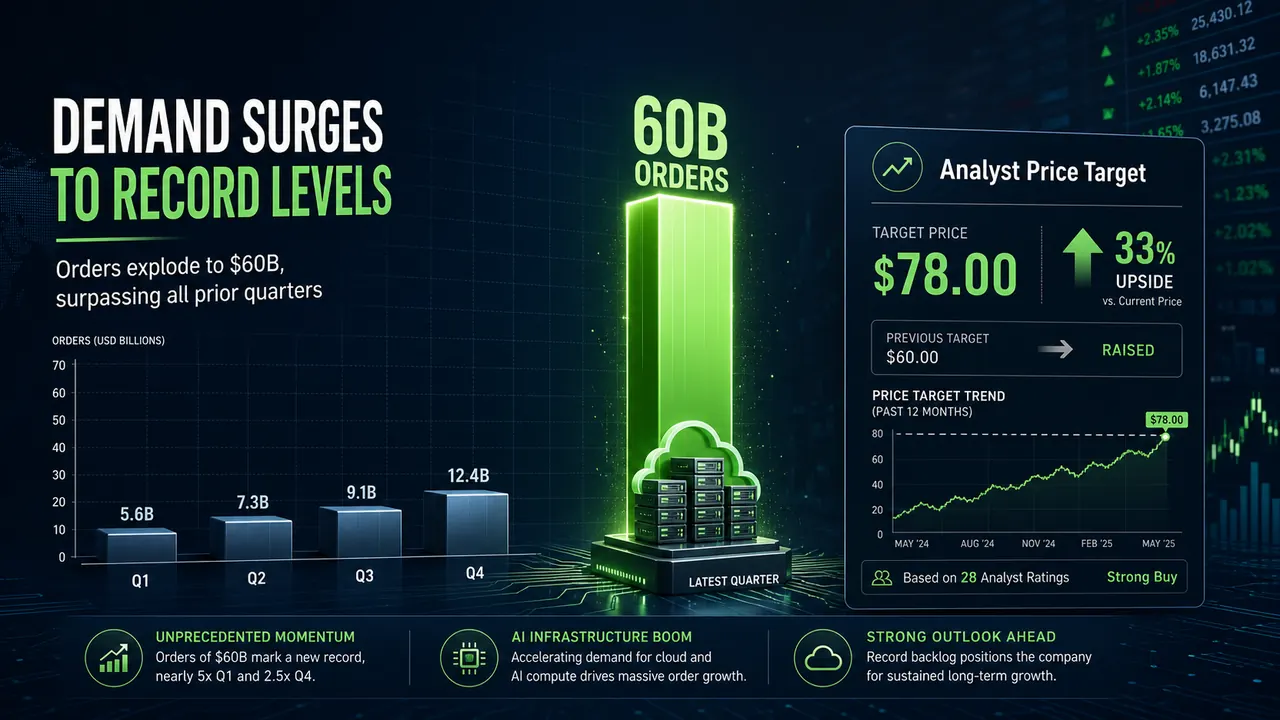
Super Micro Computer disclosed June-quarter new orders topping $60 billion and guided gross margins to 15–17%, nearly double its prior 8–9% guidance range. Needham raised its price target to $46 from $40 on the margin recovery story. Shares are pulling back about 3.5% to $30.10 Monday after surging nearly 20% last week; Q4 revenue came in at the low end of the $11–$12.5 billion guidance range.
The Department of Defense awarded Oracle a non-competitive, 10-year software deal worth up to $6.99 billion covering perpetual licenses, subscriptions, maintenance, and consulting for military branches and the U.S. intelligence community. The announcement gave shares about a 3% lift. Oracle remains down roughly 28% year-to-date, however, as investors weigh mounting debt against the AI growth narrative.
Meta Platforms fell 2.8% to $646.01 as investors trimmed ahead of Wednesday's report, with the $125–$145 billion AI capex guidance for 2026 dominating sentiment. The revenue setup is constructive — digital ad impressions up 19%, ad pricing up 12% — but Wall Street will scrutinize whether Q1's 41.4% operating margin is holding under the AI spending load.
Palantir raised its full-year 2026 revenue guidance to a level implying 71% year-over-year growth and is expected to report Q2 results on August 3, with analyst EPS estimates around $0.33. Shares trade at $122.92, down roughly 30% year-to-date despite the bullish guidance — a reflection of persistent valuation anxiety at 129x trailing earnings. The August 3 print will test whether the AI-platform story can force a re-rating.
Alphabet, Amazon, and Meta alone are on pace to spend over $500 billion on AI infrastructure in 2026, with Microsoft adding another $190 billion. Deutsche Bank strategist Parag Thatte warned over the weekend that capex concerns are now overshadowing an otherwise strong earnings season, driving institutional investors to cut equity exposure. Bulls read it as the largest GPU demand signal in market history; bears see a future free-cash-flow squeeze in the making.

 AI Stocks