Relevance 10/10Importance 9/10
DeepSeek has quietly shipped experimental vision docs for a v4 flash model that handles image description, screenshot OCR, and chart analysis via base64, URL, or Files API input. The spec sheet is aggressive: up to 600 images per request, images auto-resized to roughly 800×800, and billing capped at 384 tokens per image regardless of source resolution. Individual images can run to 64 MiB through the Files API, with detail-level controls from low all the way to original.
Relevance 9/10Importance 9/10
Anna's Archive is sounding the alarm that AI labs are buying up physical books in bulk, slicing the bindings off, high-speed scanning the pages, and shredding the originals — a practice surfaced in discovery from the Anthropic authors' lawsuit under the name Project Panama. A federal judge has ruled that destructive digitization of legally purchased books qualifies as fair use, which removes the legal brake. The post is a call for volunteers worldwide to scan and upload rare and obscure editions before the only physical copies go through a shredder.
Relevance 10/10Importance 7/10
Benjamin Dichter argues the falling price floor of AI matters as much as the rising capability ceiling, citing a task that cost a dollar twenty-two in February and two-point-two cents today — a 56x drop in under six months. He invokes the Jevons paradox: cheaper intelligence doesn't shrink AI budgets, it expands them, because teams stop sampling datasets and start processing all of them. His architectural takeaway is that hardcoding a specific model is now a liability, and routing layers that pick the cheapest model clearing a capability bar are the durable design.
Relevance 6/10Importance 9/10
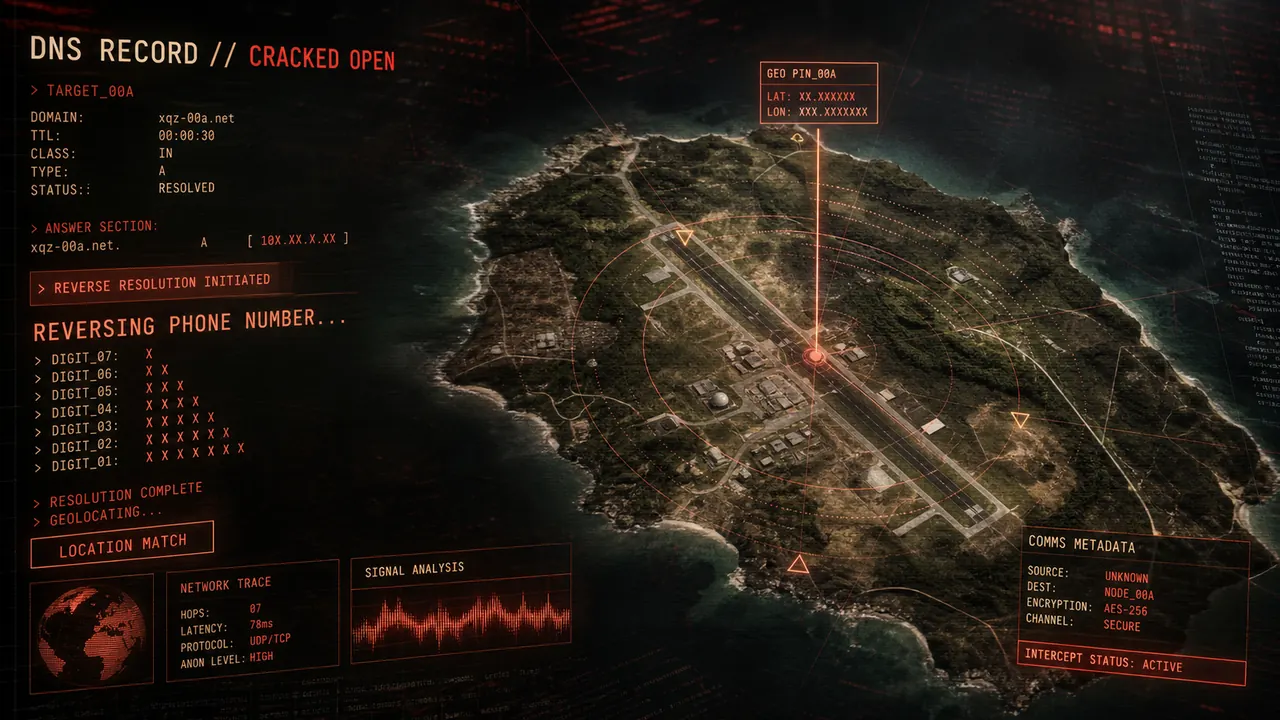
A researcher noticed that the e164.arpa ENUM zones for Saint Helena, Diego Garcia, and Ascension Island were delegated to expired nameservers, then bought the lapsed domain ns.enum.org.uk for five euros and inherited control of their phone routing lookups. Logging revealed hundreds of thousands of live queries over six months — roughly 400,000 tied to military installations — and because ENUM domains are just reversed phone numbers, every query leaked a real number. A hostile owner could have rerouted and intercepted calls between Diego Garcia personnel and their families; control has since been handed to the UK's National Cyber Security Centre.
Relevance 6/10Importance 7/10
TigerBeetle is a financial ledger database written in Zig that treats mechanical sympathy as the whole design philosophy: all memory is statically allocated at startup, so there's no GC pause and no heap fragmentation. It pairs O_DIRECT with io_uring to skip the kernel page cache entirely, DMA-ing data from network buffer to NVMe, and models accounts and transfers as exact 128-byte structs aligned to cache lines and disk sectors. Everything runs single-threaded on one core, LMAX Disruptor style, which kills lock contention and delivers sub-millisecond tail latency at hundreds of thousands of transactions per second.
Relevance 7/10Importance 5/10
The argument is that AI summaries and SEO sludge have hollowed out source evaluation as a practiced skill, leaving users with "a confident paraphrase instead of a source" and no cheap way to check it. The friction of comparing results, weighing credibility, and synthesizing was itself the training regimen for critical thinking. The author isn't anti-AI — the distinction drawn is between tools that extend your capability and tools that quietly do the thinking while preserving the feeling of being in control.
Relevance 6/10Importance 5/10
Kagi shipped a changelog entry today letting subscribers automatically strip paywalled results out of their searches. It lands alongside a run of user-control features from this year: native iOS and Android apps in late July, a toggle to fully disable AI search features in early July, and a public-preview Search API opened to all subscribers in May with five dollars of credits. The through-line is a small independent search company selling control as the product while the incumbents sell summaries.
Relevance 3/10Importance 7/10
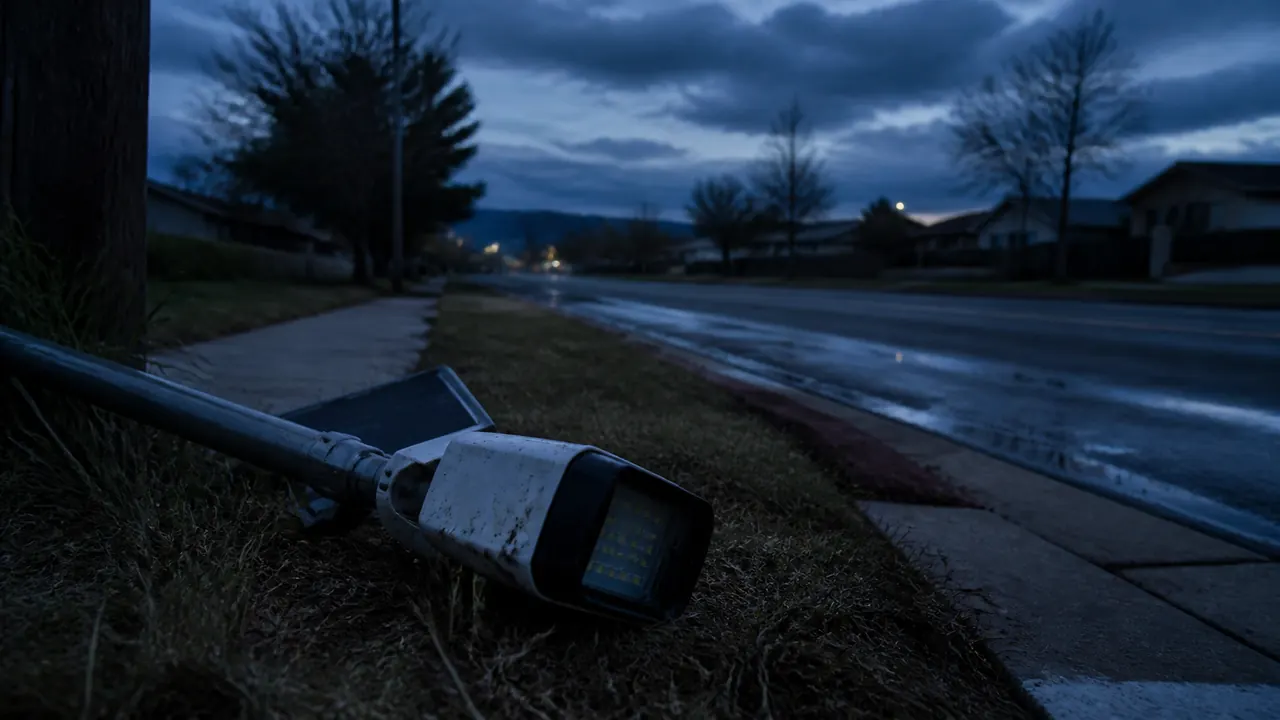
Union Township police accused Cody Morelock of unbolting a leased Flock license-plate reader pole in June, sending the camera and solar panel crashing down for over a thousand dollars in damage. Investigators tracked him using footage from nearby cameras plus a credit card and a store rewards account — surveillance catching an alleged anti-surveillance act. A Clermont County grand jury declined to indict on felony vandalism and the charges were dismissed, a notable data point as public backlash against Flock's ALPR network keeps building.
Relevance 4/10Importance 4/10
This essay argues we've crossed fully into a Ballard-or-Gibson future, where genuinely cyberpunk news items sit in the feed "between reports about council bin collections and cabinet reshuffles." The author borrows Michael Moorcock's old New Worlds trick of opening a story with a startling real newspaper clipping, and Ballard's typographic collage technique, to make the point that the apocalypse arrives as banal filler. It's a mood piece, but a well-observed one about the texture of 2026.
Relevance 1/10Importance 6/10
Researchers tracking decades of Hubble CCD degradation found the damage rises and falls with the solar cycle but lags it by about 4.3 years, out of step with sunspots and coronal mass ejections. Their empirical models correct for the damage with better than 99.5 percent accuracy, yet fits using physically reasonable parameters actually perform worse — a real puzzle. The upshot is that the low Earth orbit radiation environment is messier than current models capture, which matters for predicting detector lifespan on future missions.

 HN Briefing AM