Relevance 9/10Importance 9/10
Samsung's LPDDR5X-PIM bakes multiply-accumulate units directly into DRAM banks, unlocking 614 GB/s of internal bandwidth versus the 76.8 GB/s you get going through the normal memory bus. For AI inference, that attacks the data-movement bottleneck head-on by computing where the data already lives. The catch is software: PIM mode switching wrecks CPU caching and prefetching, and needs uncacheable reserved memory, so real adoption demands OS and hardware changes nobody's shipped yet.
Relevance 9/10Importance 8/10
Debian's general resolution passed the "Responsible Use of Generative AI" option, rejecting the stricter anti-AI alternatives on the ballot. The policy neither endorses nor bans LLM tooling — it simply holds that every contribution must meet existing quality standards regardless of how it was produced, with contributors fully responsible for reviewing their output. It's a meaningful signal from one of the most process-heavy communities in open source.
Relevance 6/10Importance 8/10
The big one is that attribute inheritance is now explicit by default — you add an :inherited suffix to attributes you want cascading to children. Events got standardized into a consistent htmx:phase:action pattern, so htmx:beforeRequest becomes htmx:before:request. History support also dropped localStorage caching in favor of re-fetching on back navigation, which stops third-party JS libraries from fighting the restored DOM.
Relevance 8/10Importance 5/10
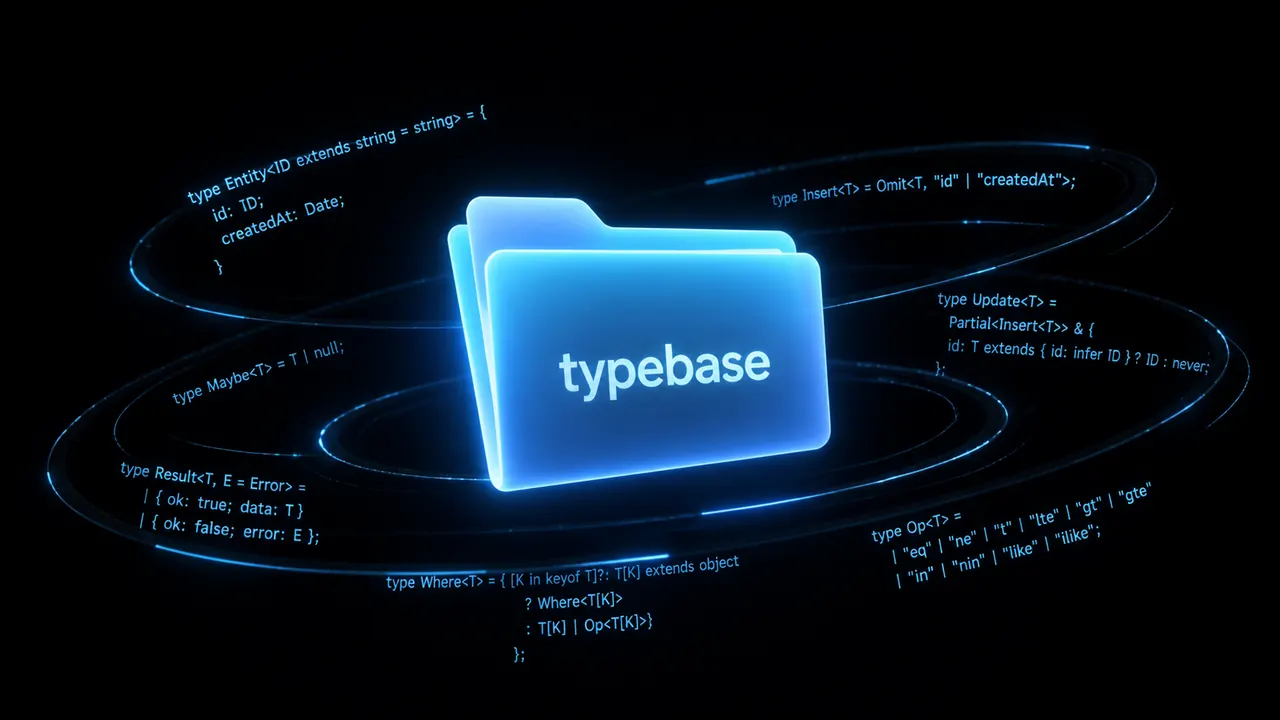
Typebase puts your server logic, database schema, and auth into a single typebase/ folder of TypeScript files inside an existing app, and the frontend calls them like local functions with end-to-end types and zero REST boilerplate. Under the hood it's Drizzle, oRPC, and better-auth, with SSE for realtime. It runs on Next.js, SvelteKit, Nuxt, and Expo, and deploys to Vercel, Cloudflare Workers, or Deno Deploy against plain Postgres — no vendor lock-in.
Relevance 5/10Importance 8/10
vphone-cli boots and manages virtual iPhones on Apple Silicon Macs using Apple's own Virtualization.framework. It automates the whole miserable pipeline — firmware download, boot chain patching, DFU restore, custom firmware install — and offers tiered security bypass levels from minimal patching up to full jailbreak. SSH and VNC access make it genuinely useful for programmatic iOS testing.
Relevance 4/10Importance 7/10
The author argues that developers reaching for TUIs purely to get keyboard-driven workflows are solving the wrong problem. GUIs can be fully keyboard-navigable if developers put in the work — GNOME's own guidelines say every action should be possible with the keyboard. Nine hundred-plus points and four hundred-plus comments say this touched a nerve.
Relevance 6/10Importance 4/10
Galaxium is a browser-based space explorer that flies you from the solar system out to distant galaxies and black holes, built entirely on WebGPU. It tracks real-time celestial positions, refreshing comet and satellite data twice daily, and leans on volumetric textures, motion blur, and temporal anti-aliasing. The creator — who also built Stellarium Mobile — put roughly a year of free time into it while learning WebGPU from scratch.
Relevance 4/10Importance 6/10
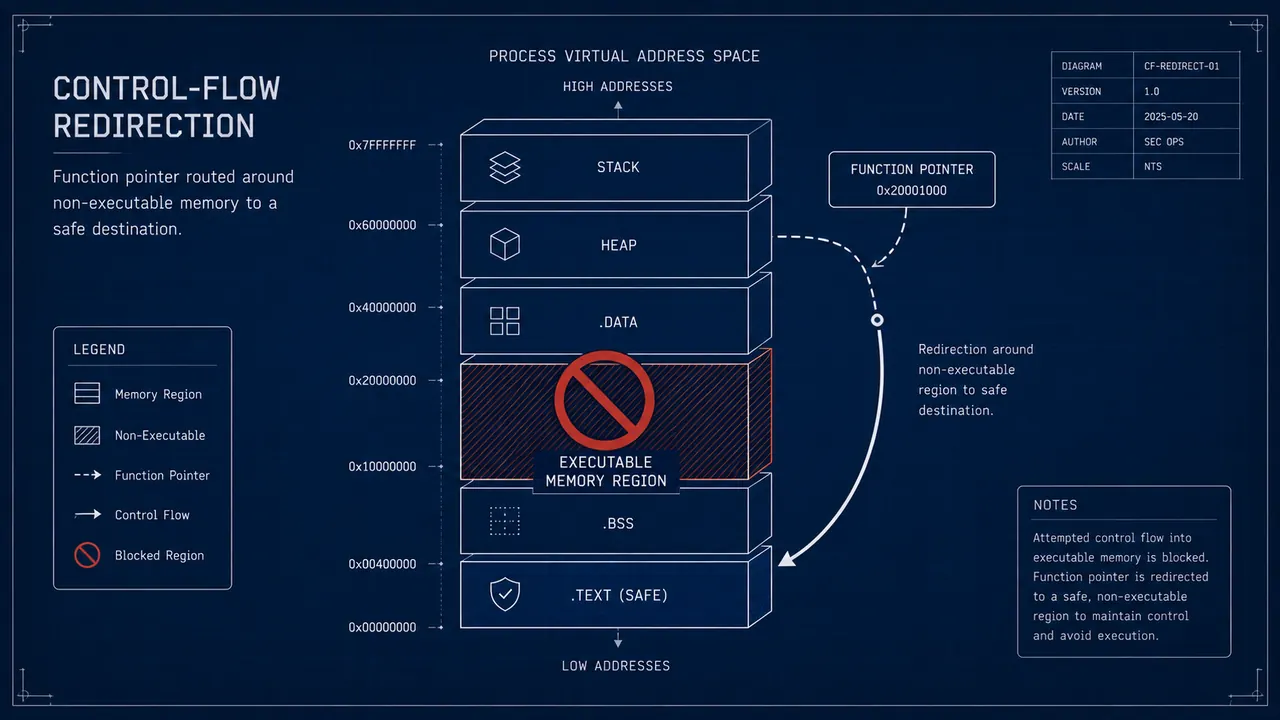
Taking the address of a GCC nested function has historically forced a runtime trampoline onto the stack, which means an executable stack — a security property nobody wants to give up. Uecker reports that GCC 16 now guarantees no trampoline for nested functions that don't touch parent variables, and a patch of his landed in the GCC development branch adding new builtins that pair with __builtin_call_with_static_chain. Net effect: closures in C without punching a hole in your memory protections. (Summary based on prior coverage — the post itself wouldn't load for us this morning.)
Relevance 3/10Importance 3/10
A developer extracted the looping hum and random whir sounds of the Aetheryte crystal from Final Fantasy XIV and rebuilt them as a Web Audio API graph. Randomized pitch, volume, and timing produce a seamless, endless ambient loop instead of a stitched-together recording. It fixed a six-year annoyance with YouTube's unreliable looping.
Relevance 1/10Importance 3/10
Glacier mice are colonies of moss that form free-rolling balls on glacier surfaces, hosting nematodes and tardigrades inside. They move roughly two and a half centimeters a day in a strangely coordinated, herd-like fashion that science still can't fully explain. The dark moss absorbs sunlight, melts the ice beneath it, and the balls can survive six years or more as tiny warm, moist habitats.

 HN Briefing AM