Relevance 10/10Importance 10/10
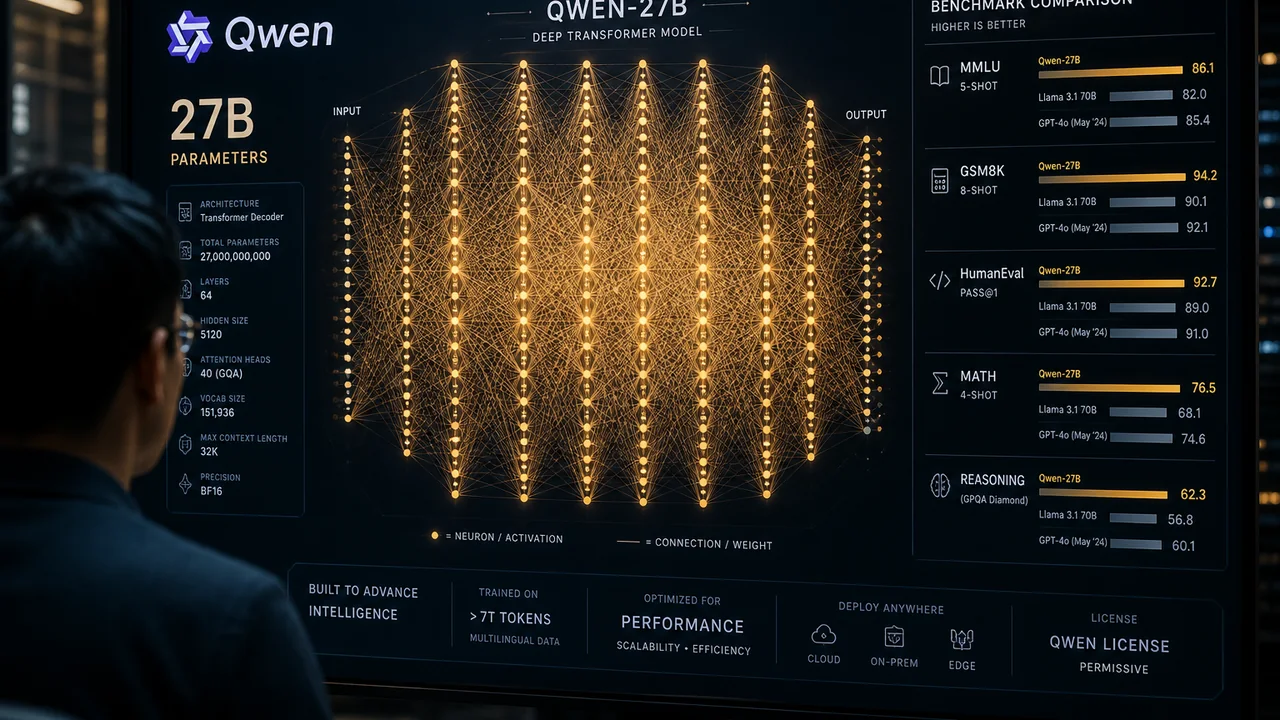
Alibaba's Qwen team released Qwen3.8-27B, a 27-billion-parameter dense multimodal model with a native 262,144-token context window (extendable to 1 million tokens), now available in FP8-quantized form on HuggingFace. It scores 61.7% on SWE-bench Pro, outpacing Claude Opus at 53.4%, and leads its class on browser-use and mobile-agent benchmarks. With 1,255 upvotes and 735 comments, this is the story of the weekend — an open, deployment-efficient model that punches well above its weight class.
Relevance 10/10Importance 9/10
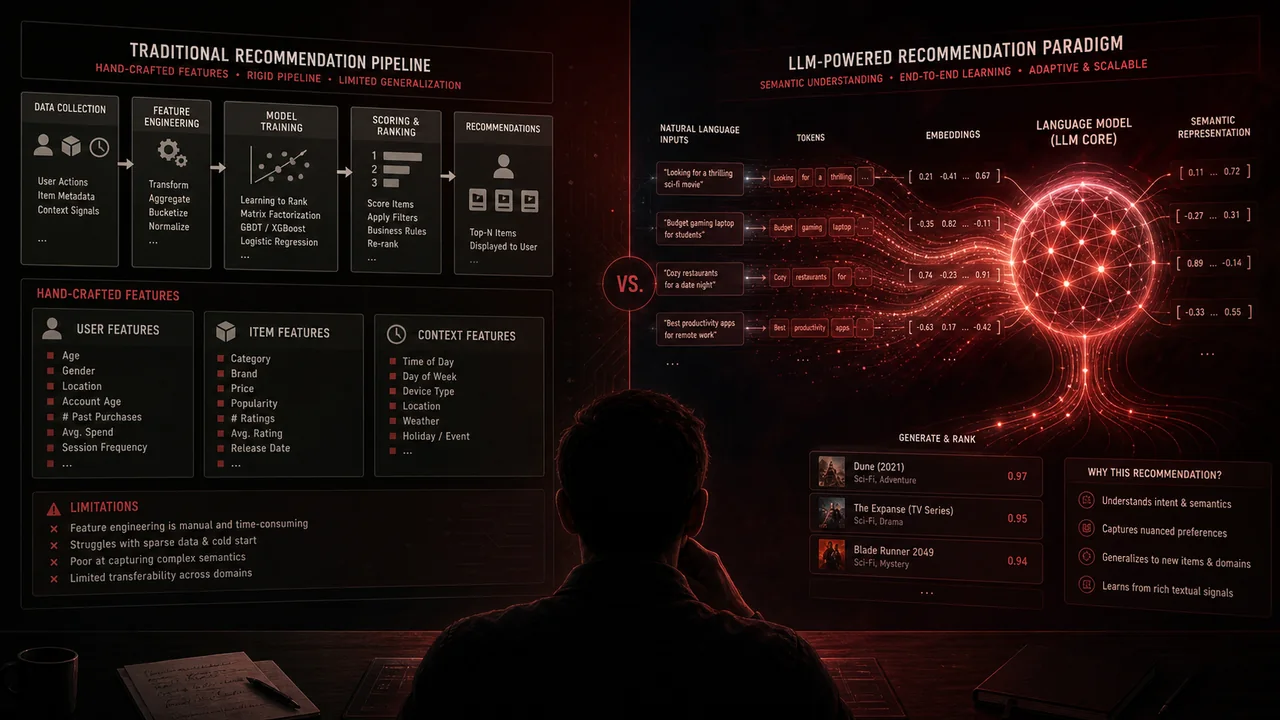
Netflix's engineering blog reveals GenRec, an LLM-native ranking system that converts user viewing histories, item metadata, and context into plain text and feeds it through an internal foundation model with a catalog-aware scoring head. In live A/B tests covering roughly 10% of Netflix traffic, GenRec beat the production baseline with statistical significance while requiring 10–40x fewer labeled training examples. It's a rare, detailed look at LLMs operating at true consumer scale — not a demo, a production deployment.
Relevance 9/10Importance 8/10
A developer used AI agents (Claude/Codex) to run over 1,500 automated optimization experiments across 14 days, systematically improving a GPU QR decomposition kernel from 108,803 microseconds down to 1,805 microseconds — a 232x speedup over PyTorch's baseline. The technical breakthrough was switching to blocked Householder with WY representation, then converting trailing matrix updates into GEMM operations that leverage tensor cores. The story is as much about AI-driven research methodology as it is about the kernel itself.
Relevance 9/10Importance 7/10
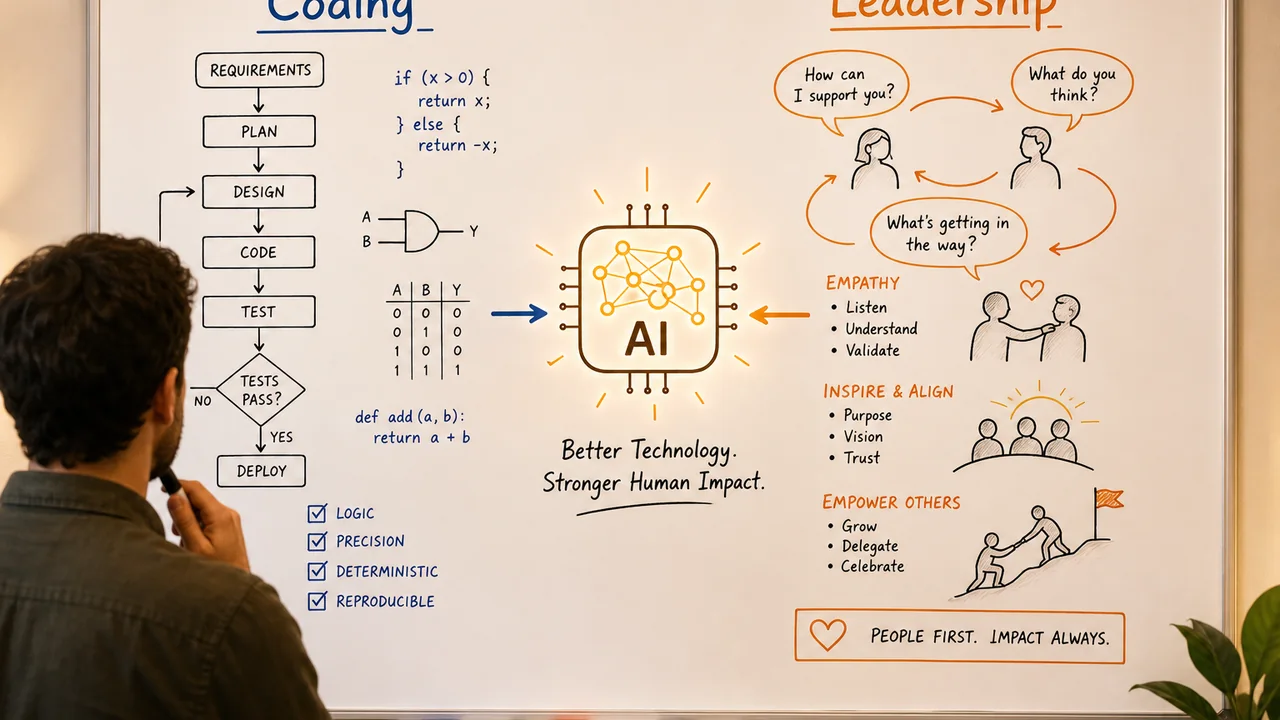
Allen Bargi argues that the right mental model for working with AI isn't "writing instructions for a deterministic compiler" but rather leading a capable, unpredictable collaborator — sharing context, clarifying intent, and defining what good output looks like rather than obsessing over prompts. The interpersonal communication skills that experienced leaders already have turn out to be more valuable here than traditional debugging instincts. A short, punchy piece that's sparked a lively HN thread.
Relevance 8/10Importance 7/10
UK and Irish secondhand booksellers are reporting mysterious bulk orders from unknown buyers — one seller went from 20 books a week to hundreds — and investigations point to AI companies using middlemen to secretly acquire physical books for training data. The books are reportedly scanned and then destroyed, revealing the shadow economy of AI data acquisition at scale. The global secondhand book market is projected to hit $28.8 billion in 2026, with AI training demand emerging as a significant new driver.
Relevance 7/10Importance 5/10
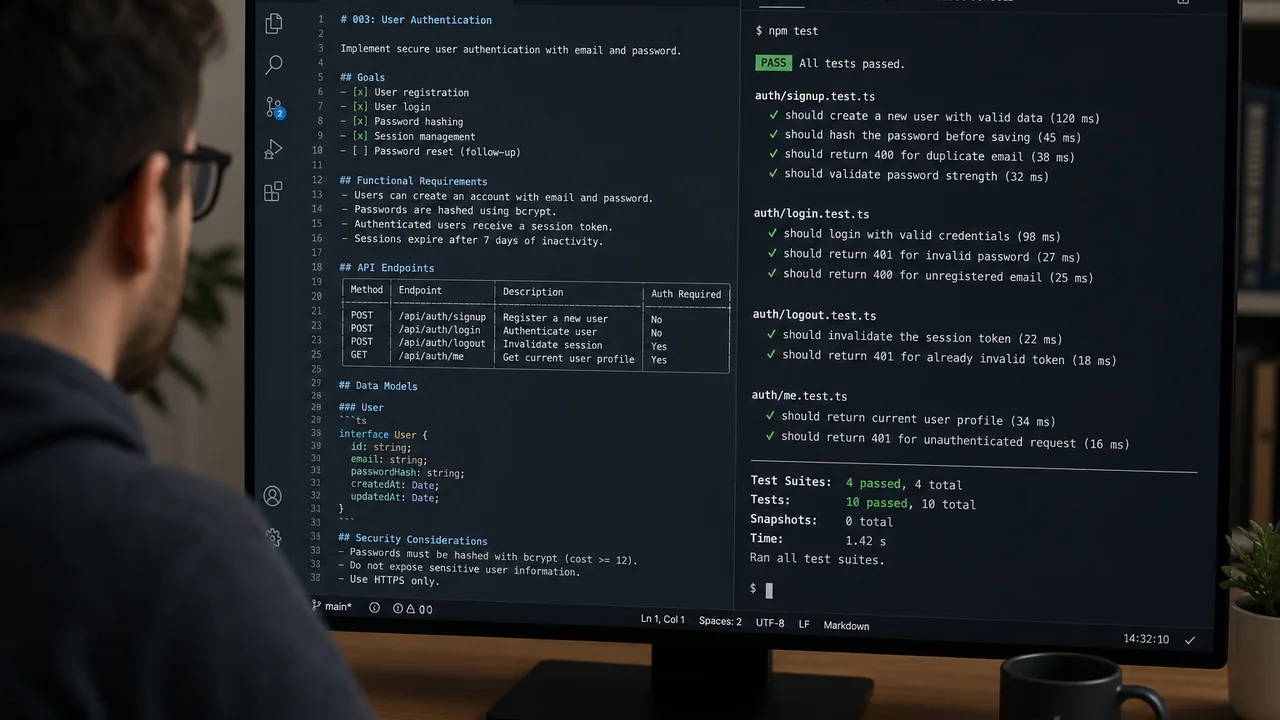
Yadda 3.0.0 is a JavaScript Behavior-Driven Development library whose new release is framed explicitly around the AI agent era: when agents write your code, executable plain-language specifications become the critical contract between human intent and machine output. The release adds TypeScript definitions, ES6 modernization, and GitHub-flavored Markdown support so specs live alongside docs while still running as tests. Niche tool, sharp thesis, timely framing.
Relevance 4/10Importance 7/10
The real Sean Byrne keeps getting blocked by Apple, Nasdaq, and shipping companies because a fictional "Sean Byrne" was invented by an Irish company in 2009 as a fake employee to illegally export aircraft parts to Iran. Though authorities confirmed the person was fabricated, the entry was never cleaned from the U.S. Consolidated Screening List — just a name and address, no identifying details — so every automated identity check flags it. As companies automate screening at scale, ghost records like this cause real, indefinite harm to innocent people with common names.
Relevance 3/10Importance 6/10
Hyperbezier curves are a newly-defined curve family based on the Cesaro equation that could replace cubic Beziers in vector graphics, unifying Euler spirals, circular arcs, and log-aesthetic curves under one mathematical framework. They maintain smoother, more naturally monotonic curvature than cubic Beziers — which struggle badly with the curves hyperbeziers handle naturally. For font engineers, industrial designers, and graphics tool builders, this could unlock more expressive and physically accurate curve primitives.
Relevance 2/10Importance 6/10
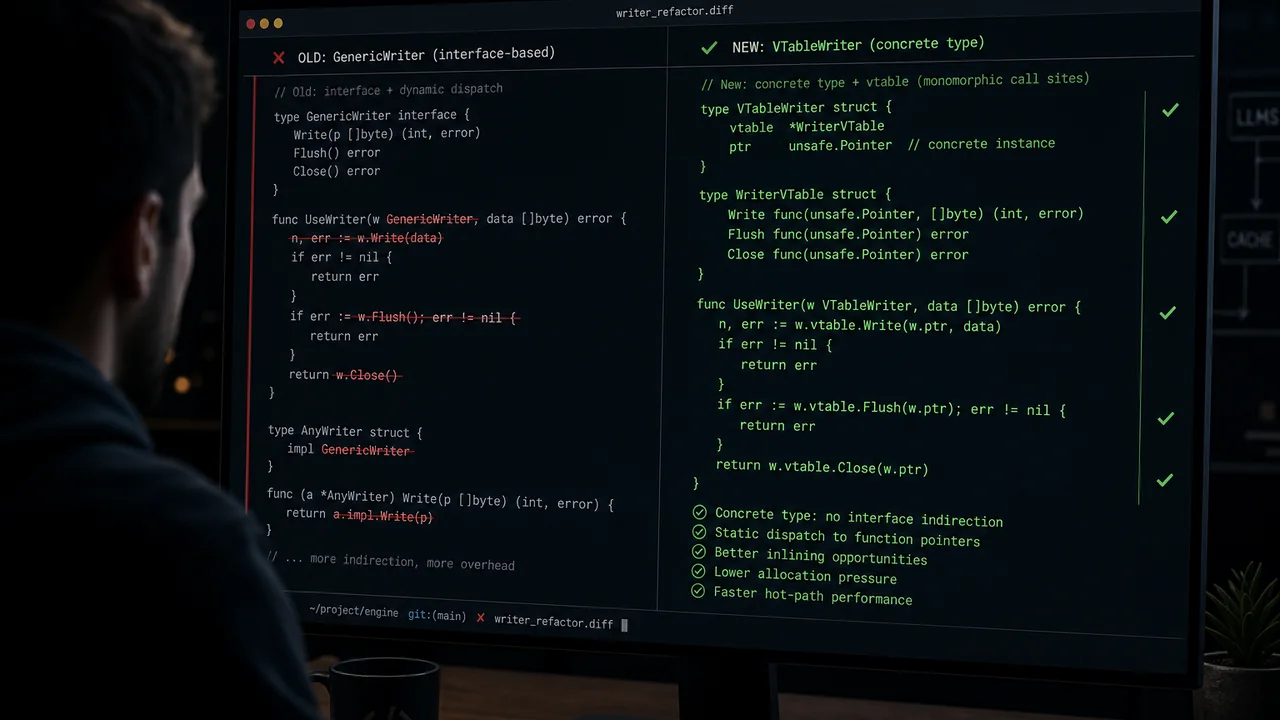
"Writergate" is the community's nickname for the sweeping Zig refactor that replaced GenericWriter and GenericReader with vtable-based concrete types where the buffer lives above the vtable, landing in Zig 0.15.1. Buffered I/O is now the default, cutting syscall overhead but requiring explicit flushes — a breaking change that's generated strong community feelings. The follow-up in Zig 0.16 goes further, treating I/O like memory allocation with async, await, and cancel primitives baked into the vtable.
Relevance 1/10Importance 4/10
A developer built an interactive quasicrystal animation playground using a custom shader for high-resolution rendering, with tunable parameters for tempo, pattern density, and color palettes — and full WebXR support for VR headsets. The creator notes the Spectrum palette works best at low tempo and low density, and particularly recommends the VR experience. It's a low-relevance-score delight: the kind of personal project that makes HN's front page simply because it's beautiful and the person shared it.

 HN Briefing AM