Relevance 8/10Importance 6/10
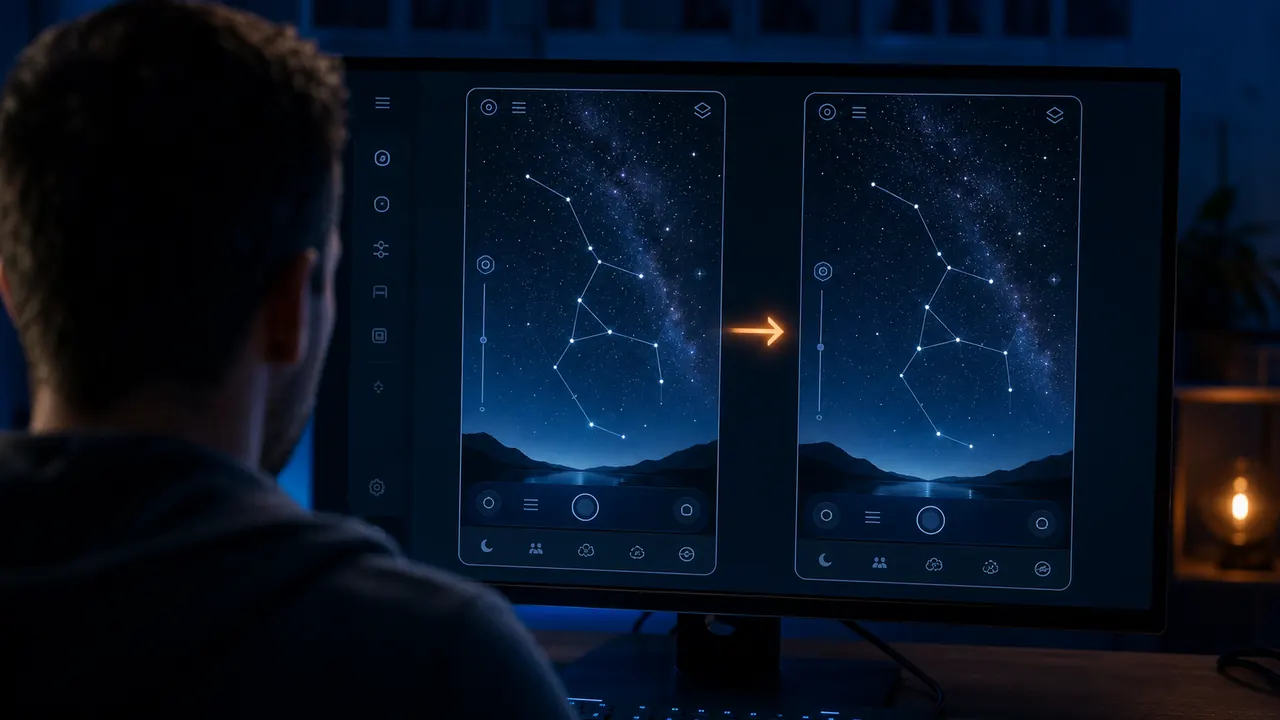
A developer built a night-sky viewer app with AI assistance only to discover it closely mirrored an existing open-source project of the same name — including reproducing one of that project's own bugs. Rather than launch, he redirected his domain to the original and published a candid apology, citing careless AI-reliance as the cause. A rare and honest post-mortem on AI-assisted accidental plagiarism.
Relevance 6/10Importance 7/10
Uber open-sourced SubmitQueue, its internal system for automating high-throughput code merges into a monorepo. Instead of serializing PRs, it speculatively rebases and validates multiple changes in parallel against predicted future states of HEAD, so fast-moving teams don't bottleneck each other at merge time. Essential infrastructure reading for any org running a large, busy monorepo.
Relevance 4/10Importance 5/10
A math blogger proved that antisymmetric consecutive magic hexagons exist for every order greater than three, resolving a long-open problem in recreational mathematics. The author used a brute-force solver plus AI collaboration to construct a general algorithm covering all higher orders — previously only the order-3 magic hexagon was known to exist. The result hasn't been formally verified in Lean yet but is both computational and theoretical.
Relevance 3/10Importance 5/10
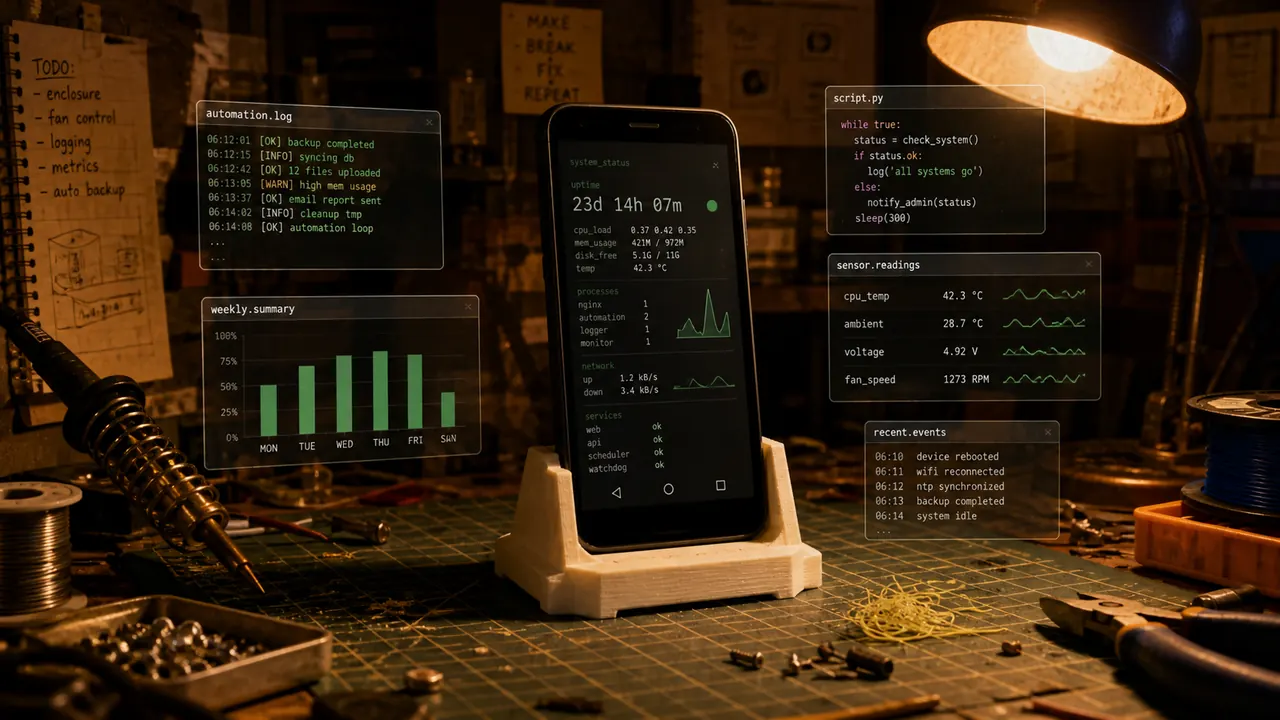
The author replaced a VPS with a rooted budget CMF Android phone running as a personal home server. PostmarketOS was tried and abandoned in favor of staying on Android for its complete hardware driver support, with Cloudflare tunnels handling external access and Ansible managing deployments. A creative infrastructure hack that highlights the tension between a clean Linux userspace and the practical reality of Android's hardware ecosystem.
Relevance 2/10Importance 6/10
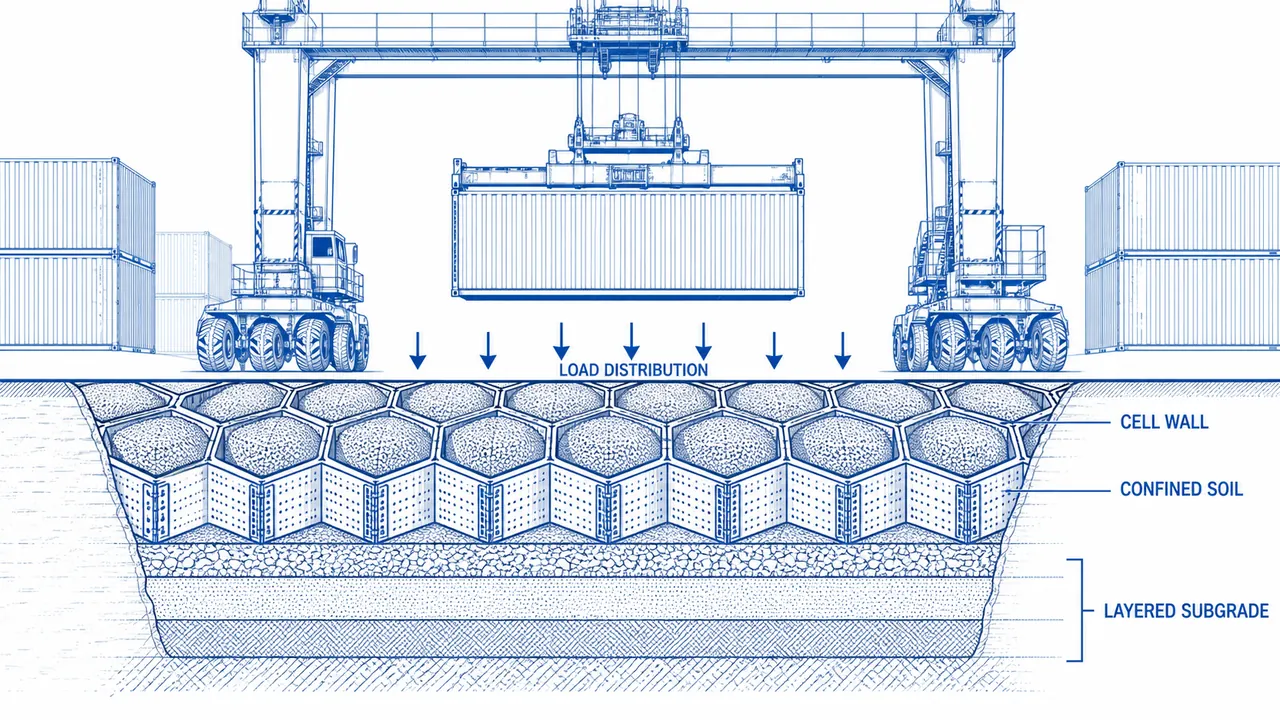
The article covers geocells — 3D honeycomb plastic structures embedded in soil that dramatically increase load-bearing capacity by preventing lateral movement. The Port of Long Beach used them to convert an old dry dock into a container storage yard supporting 100-ton machinery. Geocells reduce base layer thickness, allow cheaper local fill, and minimize excavation waste compared to conventional soil replacement.
Relevance 2/10Importance 6/10
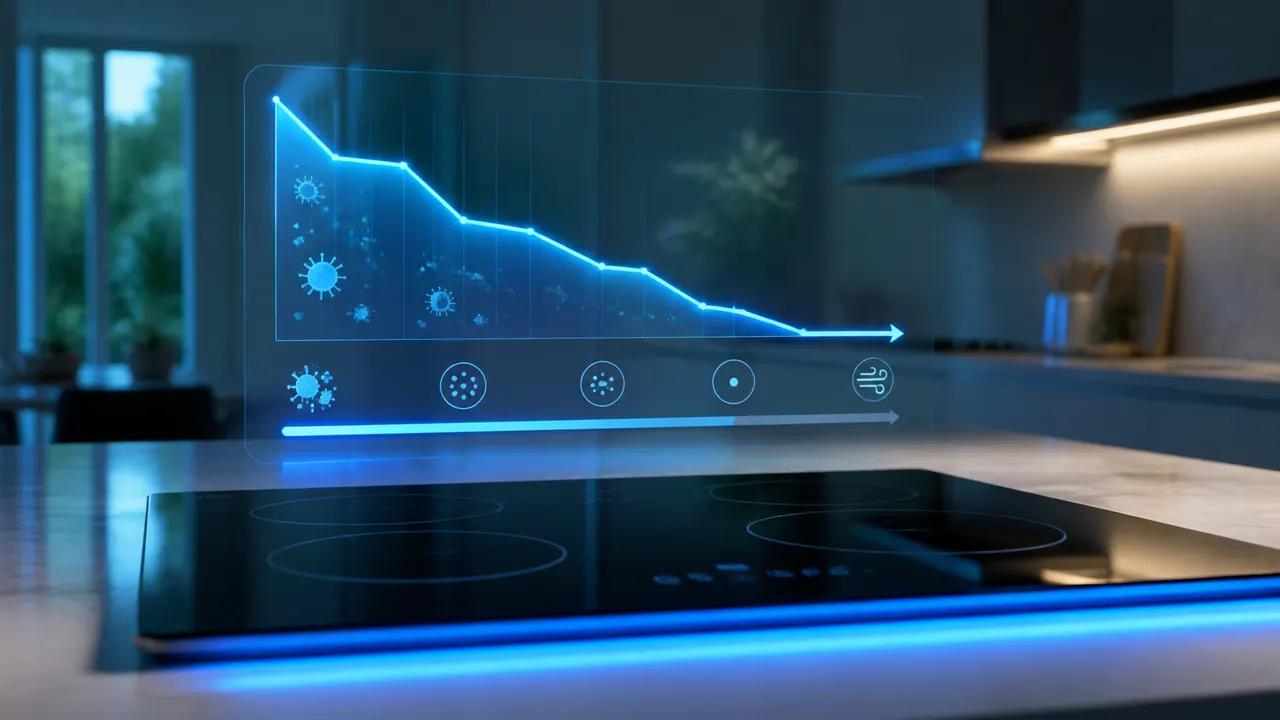
Stanford research documents significant nitrogen dioxide and benzene emissions from gas and propane stoves during normal cooking, with links to asthma and respiratory harm. Switching to electric or induction cooktops substantially reduces these exposures. HN discussion noted induction's superior heat response while flagging practical barriers like touch-only controls and audible hum from lower-wattage 120V units.
Relevance 2/10Importance 4/10
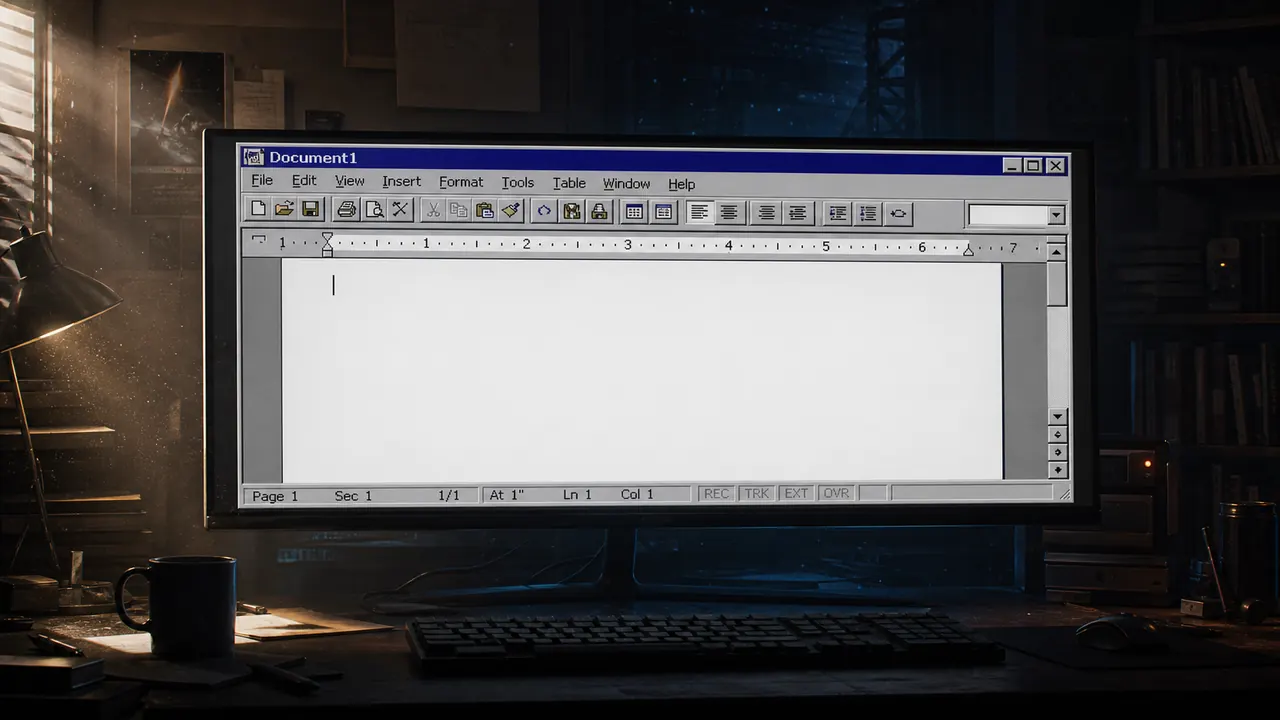
A developer ported the original Microsoft Word 1.1a — internal codename Opus — to a native 64-bit Windows executable with no emulation layer. All 16-bit assembly was replaced with C and C++, segmented memory remapped to x64-safe structures, and Win16 APIs translated to modern equivalents. The result is a fully functional piece of computing history running natively on current Windows hardware.
Relevance 2/10Importance 4/10
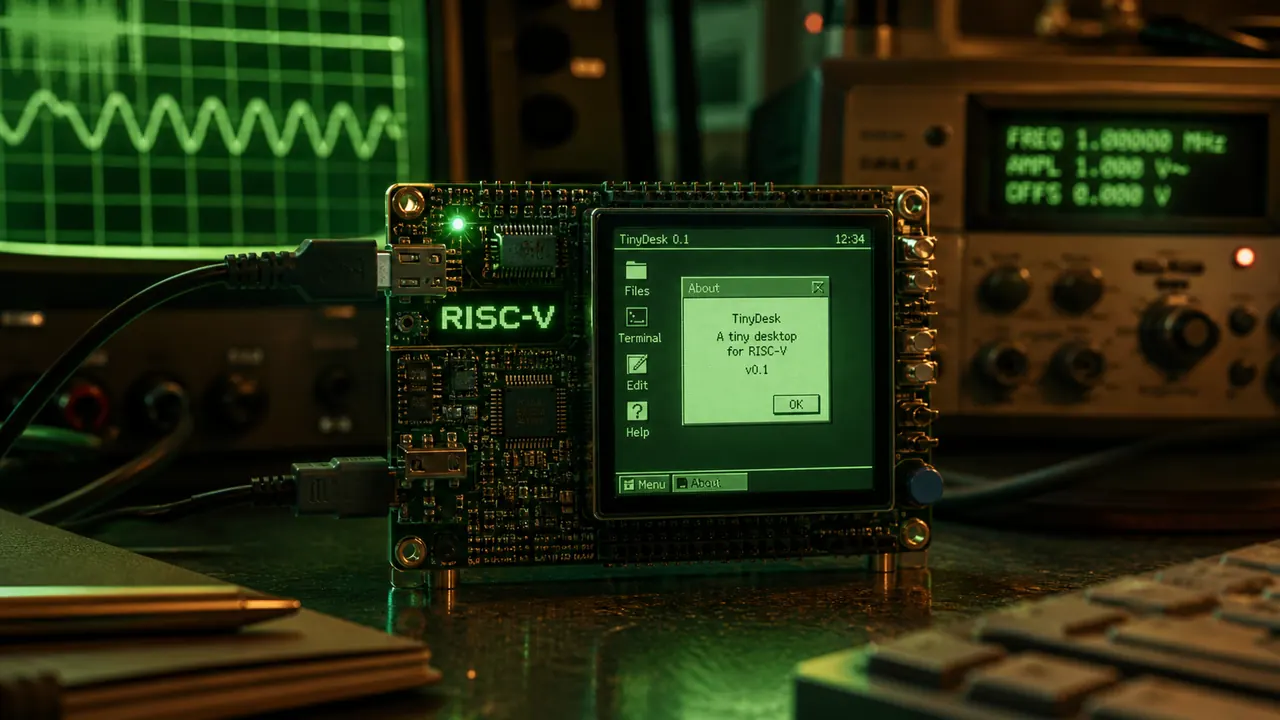
Rochus Keller ported Niklaus Wirth's complete Project Oberon OS from its custom RISC-5 processor to RISC-V RV32, simultaneously updating the codebase from Oberon-07 to Oberon-90. A bundled RISC-V emulator means the system runs on modern hardware, with ESP32 boards as a target. It makes this historically significant educational OS accessible on real available silicon for the first time.
Relevance 2/10Importance 3/10
A resurfaced 1998 BYTE Magazine piece on Digital Equipment's Alpha 21264 — then the fastest 64-bit RISC chip and the last RISC architecture with full Microsoft NT support. The 21264 handled up to 80 in-flight instructions simultaneously, more than any chip of its era, positioning it as a credible rival to Intel's forthcoming Itanium. The piece also captures the uncertainty around DEC's Compaq acquisition and the twilight of RISC in the enterprise.
Relevance 1/10Importance 3/10
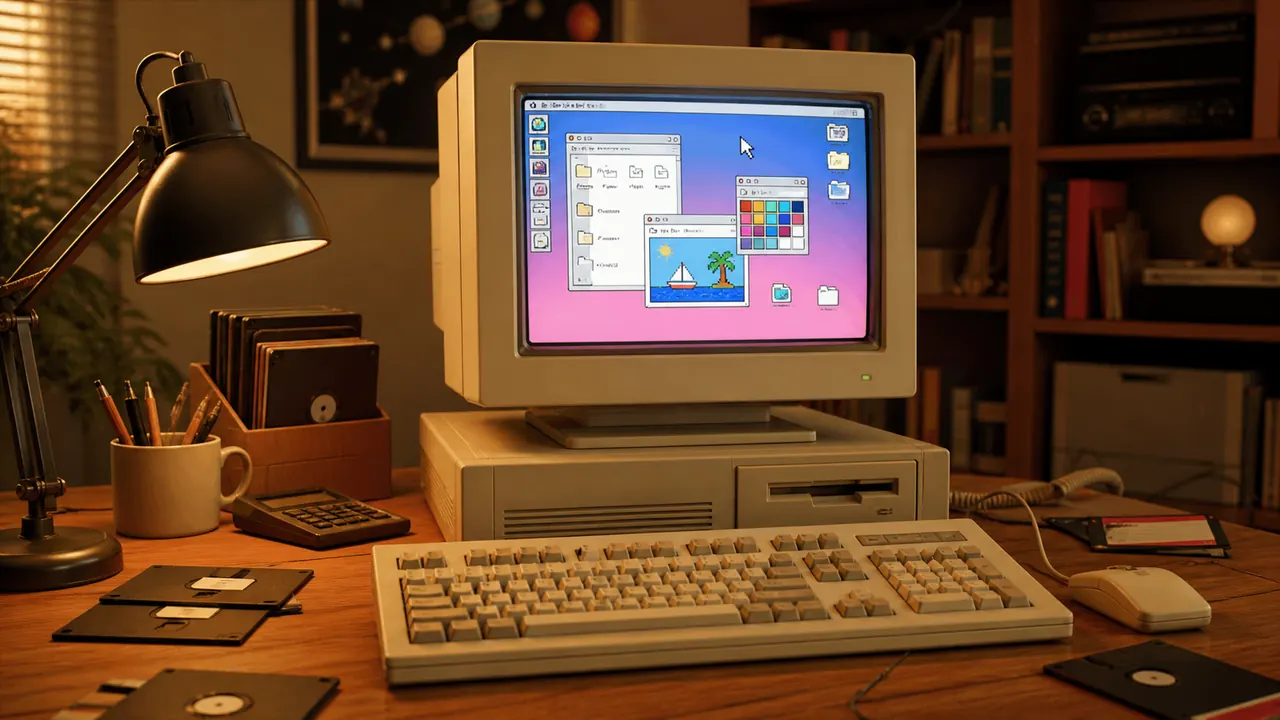
OS8088 is a graphical operating system for vintage IBM PC and XT hardware written entirely in real-mode x86 assembly, delivering a Macintosh System 1-style desktop on 1980s machines. Despite running in real mode with only 256KB RAM, it supports preemptive multitasking, overlapping windows, serial mouse input, and built-in apps including Minesweeper and Paint. A remarkable hobbyist achievement that pushes retro hardware far beyond its original design limits.

 HN Briefing AM