Relevance 10/10Importance 10/10
Meta Superintelligence Labs released Muse Glimmer, a 30-billion-parameter open-source agentic coding model under Apache 2.0, targeting consumer GPUs with 4-bit quantized weights fitting under 20 GB VRAM. It handles end-to-end agentic tasks including SWE-Bench, MCP-Atlas tool use, multi-step reasoning, and failure recovery across 100-plus languages. Available immediately on Hugging Face with integrations for Ollama, LM Studio, llama.cpp, vLLM, SGLang, and more.
Relevance 9/10Importance 8/10
Docker launched Docker Sandboxes, a product offering disposable, isolated container environments built specifically for AI coding agents, with session management, state handling, and real-time WebSocket support. The product lets agents safely execute code without contaminating each other or the host environment — infrastructure the agentic AI ecosystem has badly needed. Four hundred upvotes and 256 comments on HN confirms the timing landed well.
Relevance 9/10Importance 8/10
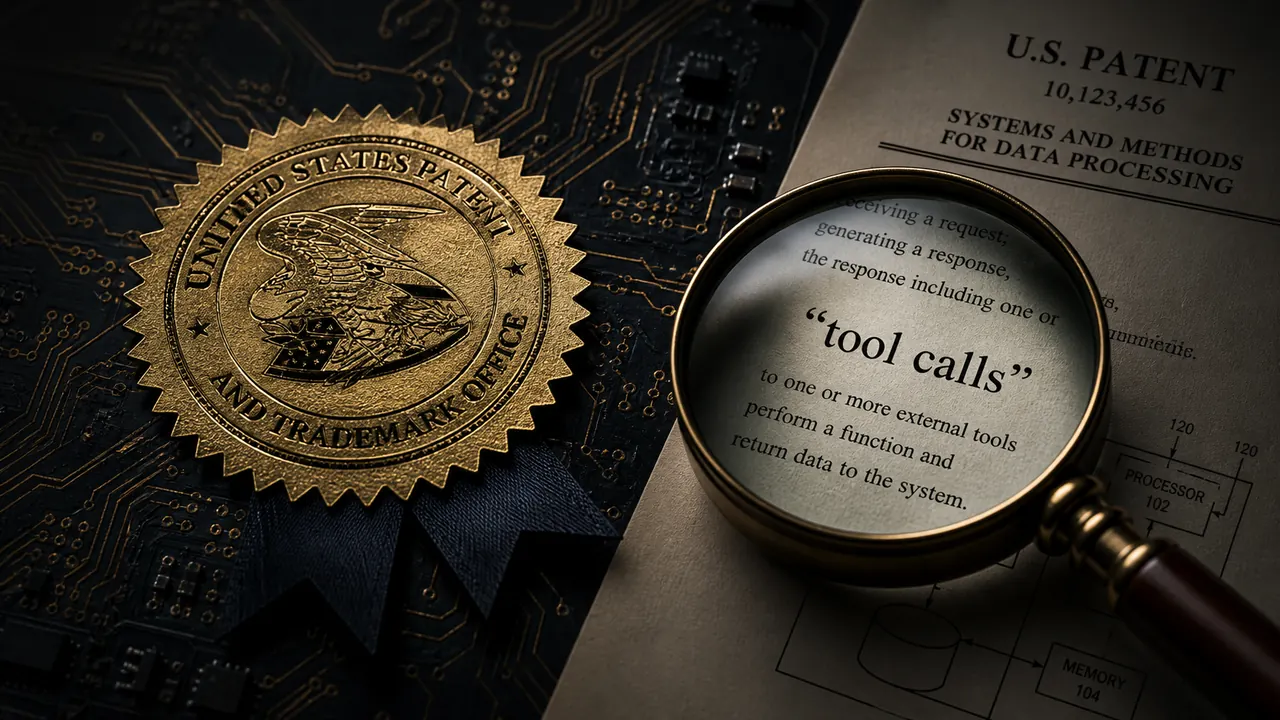
Mistral AI was granted US Patent 12,670,045 covering a method where an LLM generates code encapsulating tool calls, executes it in a sandbox, pauses for client-side tool execution, and injects results back — essentially patenting a core pattern behind modern agentic AI workflows. Filed March 4, 2026 and granted June 30, 2026, this has 75 comments on HN debating whether it's enforceable, dangerous, or just defensive filing. Could have real implications for the entire AI tool-calling ecosystem.
Relevance 9/10Importance 8/10
The Financial Times reports Zuckerberg is going on offense, framing Meta's open-model strategy as a direct challenge to closed AI competitors like OpenAI and Google. The piece ties directly to the Muse Glimmer announcement, positioning today's 30B drop as part of a deliberate campaign to win developer trust through openness. The FT is paywalled, but the strategic narrative is clear: Meta wants the open-source AI crown back.
Relevance 7/10Importance 9/10
A security researcher found a critical Firestore tenant-isolation failure in tl;dv, the AI meeting recording app with 2 million-plus users: any authenticated user could query the entire meetings collection with no ownership check, exposing creator emails, live-joinable conference links, and recording status for 181,874 meetings across 84,312 unique users and 23 countries' government meetings. The researcher confirmed access by joining a live Malaysian Ministry of Education call with 157 participants in progress. Most damning: the bug was reported January 28, 2026, the CTO never responded, and it sat open six months despite a promised 24-hour response time.
Relevance 7/10Importance 6/10
OpenAI sent a letter to Texas Governor Greg Abbott addressing responsible AI infrastructure development in the state, fitting into the broader pattern of AI labs lobbying for favorable policy and power access as Texas grows into a major data center hub. The page was blocked from scraping so the full text is unavailable, but given OpenAI's Stargate infrastructure push, the context writes itself. Only 10 upvotes and 1 comment suggests this one landed quietly on HN.
Relevance 3/10Importance 4/10
An LWN.net deep-dive explains why tail-call optimization was essentially impossible in C for decades: the traditional calling convention required cleanup code between call and return, structurally preventing TCO before compilers could even attempt it. From Mark Probst's 2001 GCC workaround that broke on indirect calls, to modern GCC and Clang finally getting it right, it's a longer road than most developers would expect. Newly relevant because the Copy-and-Patch compilation technique now relies on TCO for systems running 100,000-plus code snippets.
Relevance 2/10Importance 3/10
Squeak 6.1 "Vanessa" is out, celebrating roughly its 30th anniversary after four years of development with 1,700-plus patches and 9,000-plus method changes. Headline additions include a new Tree Browser replacing the classic system browser, a full high-DPI UI overhaul, a dramatically improved debugger with run-to-here and bytecode stepping, and the resurrection of Objectland, a Squeak environment originally from 2003. For anyone who still carries a torch for Smalltalk, this is a big release.
Relevance 2/10Importance 3/10
The Parametron was a 1954 Japanese computing element invented by Eiichi Goto that used parametric oscillation in ferrite-core circuits, requiring neither transistors nor vacuum tubes. It formed the basis of several early Japanese computers in the late 1950s and represents a fascinating road not taken in computing history. The ETHW.org milestone page was blocked from scraping, but the underlying engineering story is genuinely strange and worth a search.
Relevance 2/10Importance 2/10
Jon Keegan analyzed NOAA Marine Cadastre AIS vessel data and catalogued 50,000-plus boat names, revealing a cross-section of American hobbyists: finance types favor LIQUID ASSETS and MUTUAL FUN, lawyers go for NAUT2GUILTY, and Seinfeld is apparently the most-referenced TV show in American nautical naming. The analysis was done in a Jupyter notebook and the interactive browser was built with Claude Code. Delightful and completely useless in equal measure.

 HN Briefing AM