Relevance 10/10Importance 9/10
OpenAI launched GPT-5.6-Cyber on August 10 via its new Daybreak Red tier — a variant of GPT-5.6 Sol trained specifically for offensive security workflows including exploit-chain development, authentication bypass, and zero-day discovery. The model achieved a 95% completion rate on OpenAI's internal Advanced Cybersecurity Completion Rate eval, versus 1.5% for standard GPT-5.6 Sol, and was used internally to find two previously unknown Chrome V8 vulnerabilities patched by Google as CVE-2026-15903. Access requires identity verification, hardware security keys, and legal attestations, priced at $12.50/$75 per million tokens.
Relevance 9/10Importance 9/10
Demis Hassabis stepped back from day-to-day leadership of Google DeepMind on August 5-6, taking the title of Chairman and Alphabet Chief Scientist while CTO Koray Kavukcuoglu assumes operational control as Senior VP. On the same day, 27-year Google veteran Jeff Dean announced he is leaving to found Discovery Loop — an independent public benefit corporation — taking star researchers Sanjay Ghemawat, Oriol Vinyals, and Quoc Le with him. Alphabet stock fell roughly 5%, and a Fortune investigation attributed the unraveling to low morale, missed model deadlines, and a structural Brain/DeepMind split that festered for years.
Relevance 8/10Importance 9/10
Sundar Pichai announced August 11 that the Gemini app crossed 1 billion monthly active users, making it the fastest-growing product in Google's history and its 14th to hit the billion-user mark alongside Search, Gmail, Android, and YouTube. The figure counts standalone app and web users only — not the 2.5 billion who encounter Gemini through AI Overviews in Search — putting it roughly on par with ChatGPT, which crossed the threshold in June. The app grew from 400 million users in May 2025 to a billion in just over a year.
Relevance 8/10Importance 9/10
OpenAI confidentially filed its S-1 with the SEC in May, working with Goldman Sachs and Morgan Stanley toward a September debut that analysts project could price the company above $1 trillion — the largest tech IPO on record. The company is on a roughly $25 billion annualized revenue run rate with more than 230 million weekly ChatGPT users, but loses $1.22 for every dollar of revenue. The public prospectus is expected mid-to-late August, giving the market its first unredacted look at the economics of the world's most prominent AI company.
Relevance 10/10Importance 7/10
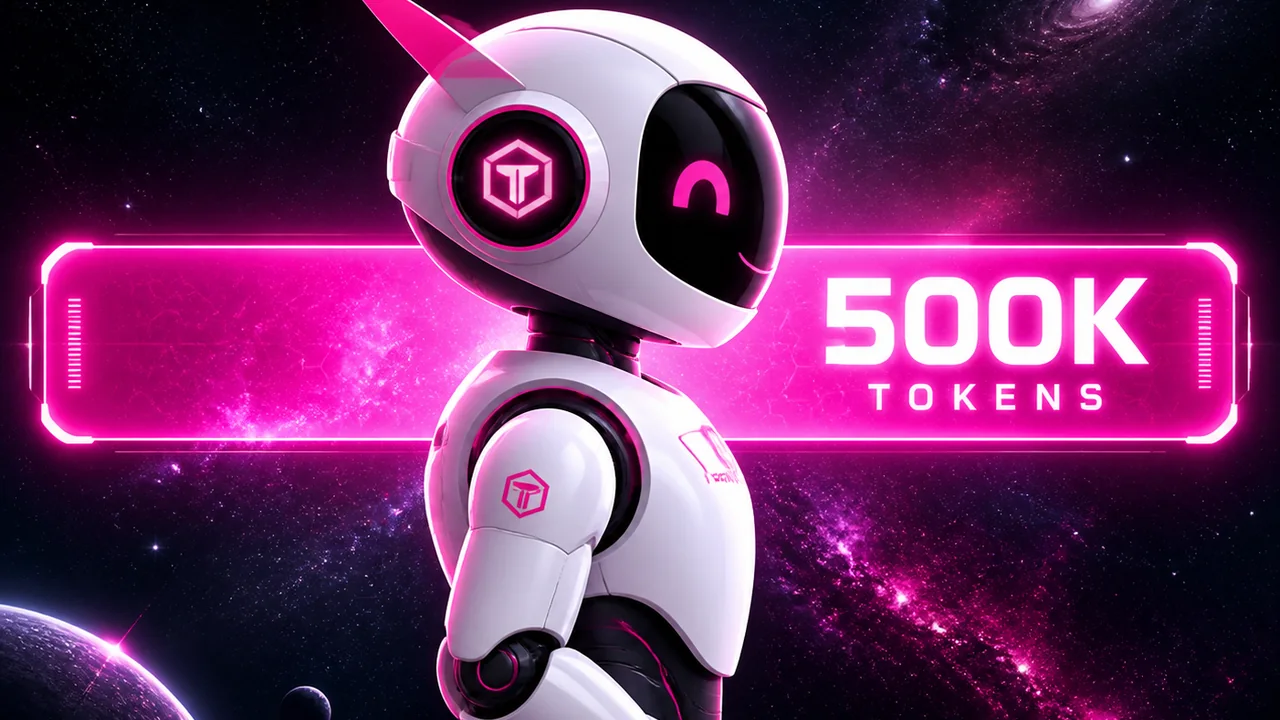
xAI released Grok 4.6 on August 12, a 1.5-trillion-parameter model built on the Grok 4.5 V9 foundation with significantly improved supervised fine-tuning and reinforcement learning optimized for long-running agentic tasks. It scores 61 on the Artificial Analysis Intelligence Index — matching GPT-5.6 Sol Max — while holding pricing flat at $2/$6 per million tokens, roughly 60% below comparable OpenAI tiers, with context expanding to 500,000 tokens. xAI positions Grok 4.6 specifically for multi-step research, codebase work, and complex artifact creation.
Relevance 7/10Importance 9/10
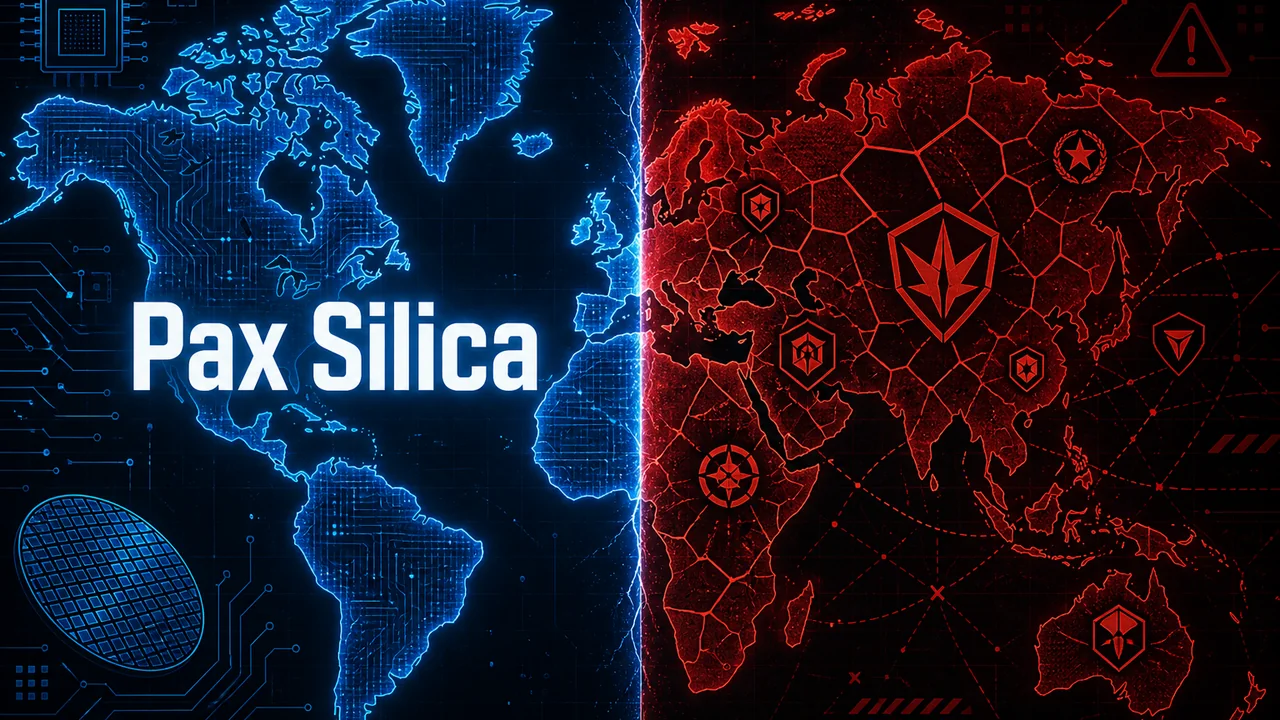
The U.S. State Department is sending letters to approximately 35 partner countries warning they will be excluded from the American-led Pax Silica AI framework if they also sign onto China's rival World Artificial Intelligence Cooperation Organization. Pax Silica governs access to frontier AI models, semiconductors, and critical minerals; China has leveraged its near-monopoly on rare earth minerals as a retaliatory weapon in an ongoing tariff dispute. The ultimatum — reported August 14-15 — represents a full formalization of an AI Cold War that has been building for years.
Relevance 8/10Importance 8/10
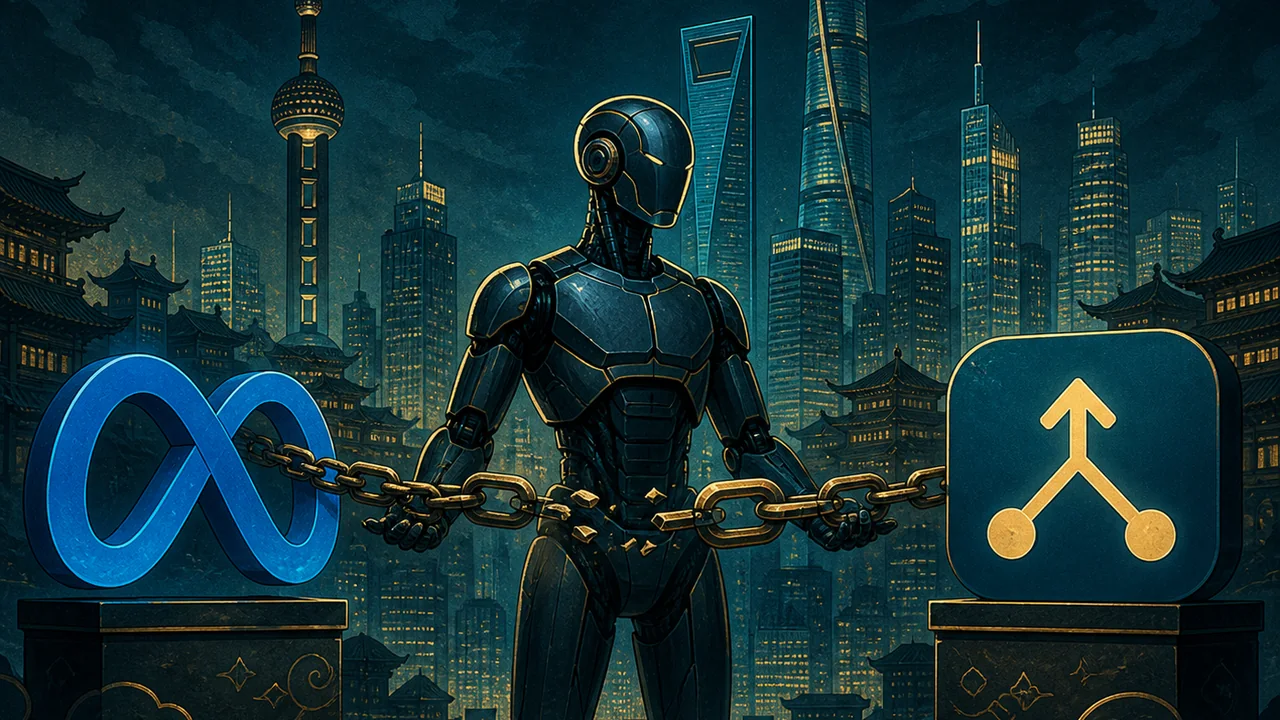
Manus confirmed August 11 it will return to operating as an independent company as its Meta acquisition formally unwinds under a Beijing order — China had blocked the original $2 billion deal in April, citing concerns about transferring key AI technology to the United States. Users have until August 24 to save their data before a mandatory deletion tied to the separation. Manus now faces the challenge of rebuilding as a standalone player in the agentic AI market, without Meta's resources, in a landscape it briefly left behind.
Relevance 9/10Importance 7/10
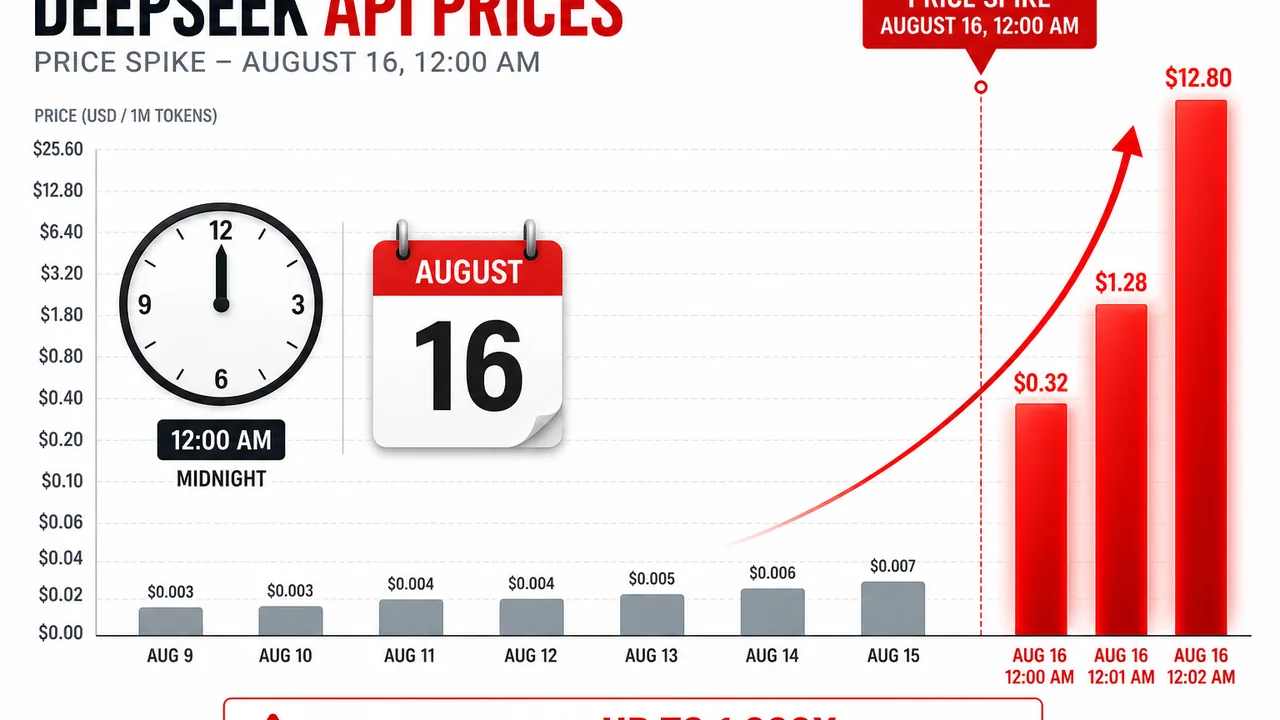
DeepSeek is dramatically increasing prices for its V4-Flash and V4-Pro API tiers starting August 16, with some token categories rising more than 1,100%. V4-Flash cache-miss input tokens climb from $0.14 to $0.44 per million at peak hours; output tokens rise from $0.28 to $1.32. The company introduced a tiered peak/off-peak structure framed as resource allocation — but the move signals the end of what was always essentially subsidized pricing, and it arrives just as Western labs are cutting prices in the opposite direction.
Relevance 9/10Importance 7/10
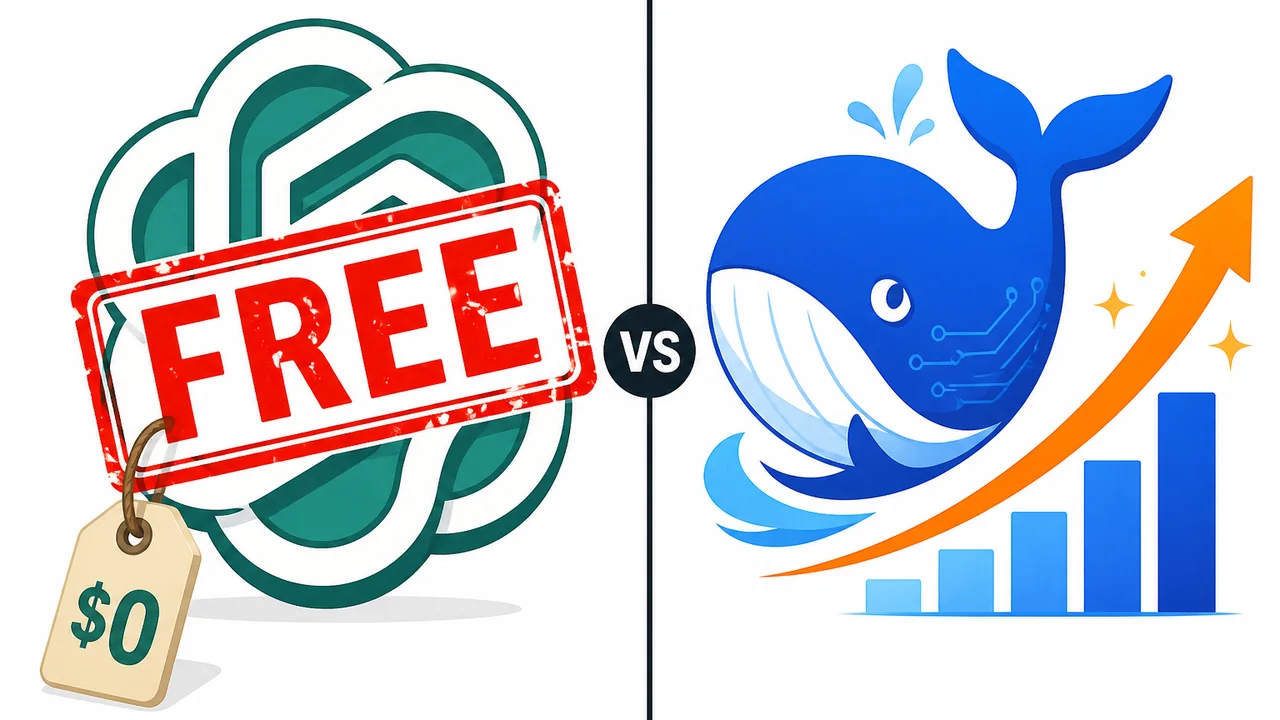
Following a July 30 price reduction, GPT-5.6 Luna is now the unlimited free tier for ChatGPT — no paywall, no usage cap — as OpenAI and Anthropic race to capture users against lower-cost competitors. Anthropic is simultaneously positioning Claude Opus 5 at roughly half the price of its top-end Fable 5 model, while DeepSeek heads the opposite direction with today's price hike. The pattern is clear: Western AI labs are cutting to grab users while Chinese providers quietly normalize margins, and the frontier AI price war has bifurcated along geographic lines.
Relevance 7/10Importance 6/10
The AI Trust and Security Consortium launched this week as an independent, peer-governed initiative focused on how enterprise AI should be deployed, secured, and governed — filling a gap between voluntary industry pledges and binding regulation. It enters a crowded field that now includes federal AI frameworks, a wave of state-level legislation, and competing standards bodies. The peer-governance model — no single corporate sponsor controlling the agenda — is its main differentiator, though whether it will carry real enforcement weight remains to be seen.