Relevance 10/10Importance 10/10
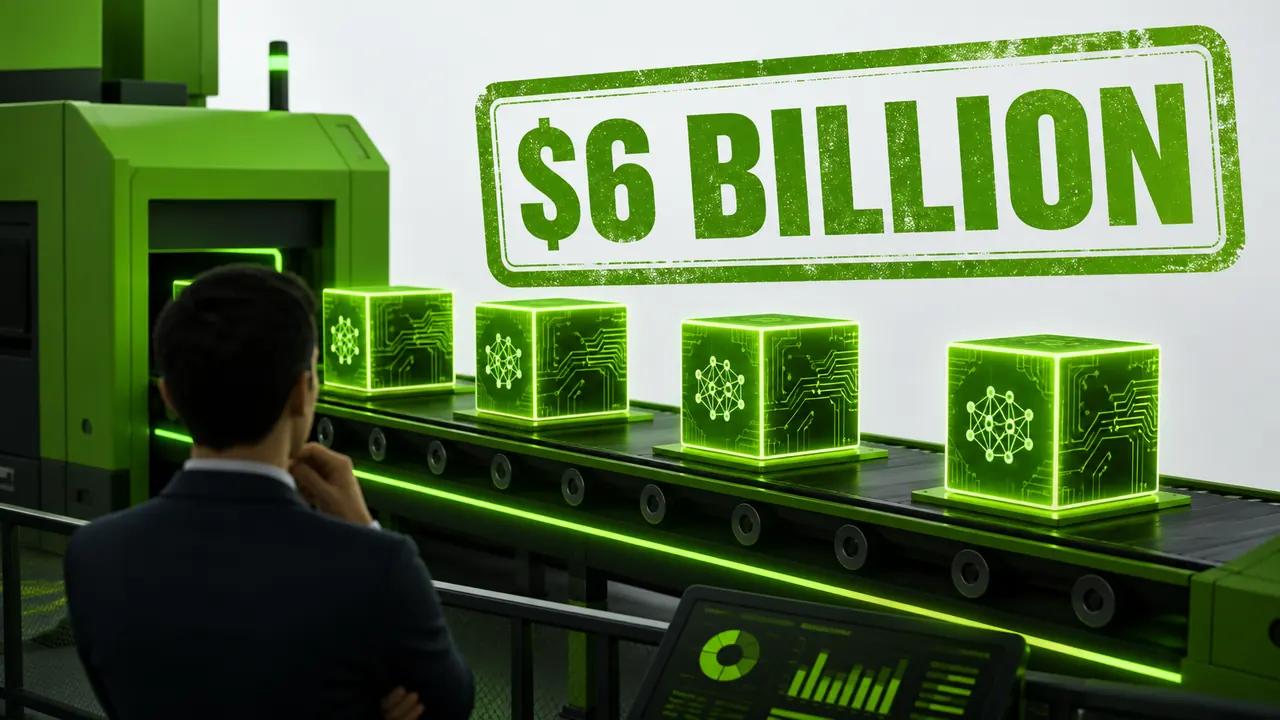
Nvidia struck a non-exclusive $6 billion licensing deal for Poolside's model-production platform behind its Laguna coding models, plus a separate $1 billion investment at a $12 billion pre-money valuation. 109 Poolside employees got Nvidia offers, but the founders are staying and the company remains independent — explicitly not an acquisition or acquihire. It's the Groq/Inflection playbook again, at four times Poolside's valuation from a year ago.
Relevance 9/10Importance 9/10
Alphabet's robotaxi unit disclosed a TSMC-built 5nm ASIC already in production in its newest generation of vehicles, clearing more than 1,000 trillion operations per second. It's purpose-built for Waymo's custom sensor stack and low-latency driving models, and it cuts dependence on Nvidia and AMD silicon. Cost control is the quiet story here — per-vehicle compute is what stands between Waymo and profitable scale against Tesla.
Relevance 10/10Importance 8/10
After enterprise backlash over June's rule requiring 30-day retention of all traffic on Fable, Mythos, and future frontier models, Anthropic will now let customers hold that data in their own cloud infrastructure. The 30-day window stays; the custody doesn't. Anthropic says it worked with over 100 customers including Salesforce, with a new safety system shipping later this year.
Relevance 10/10Importance 8/10
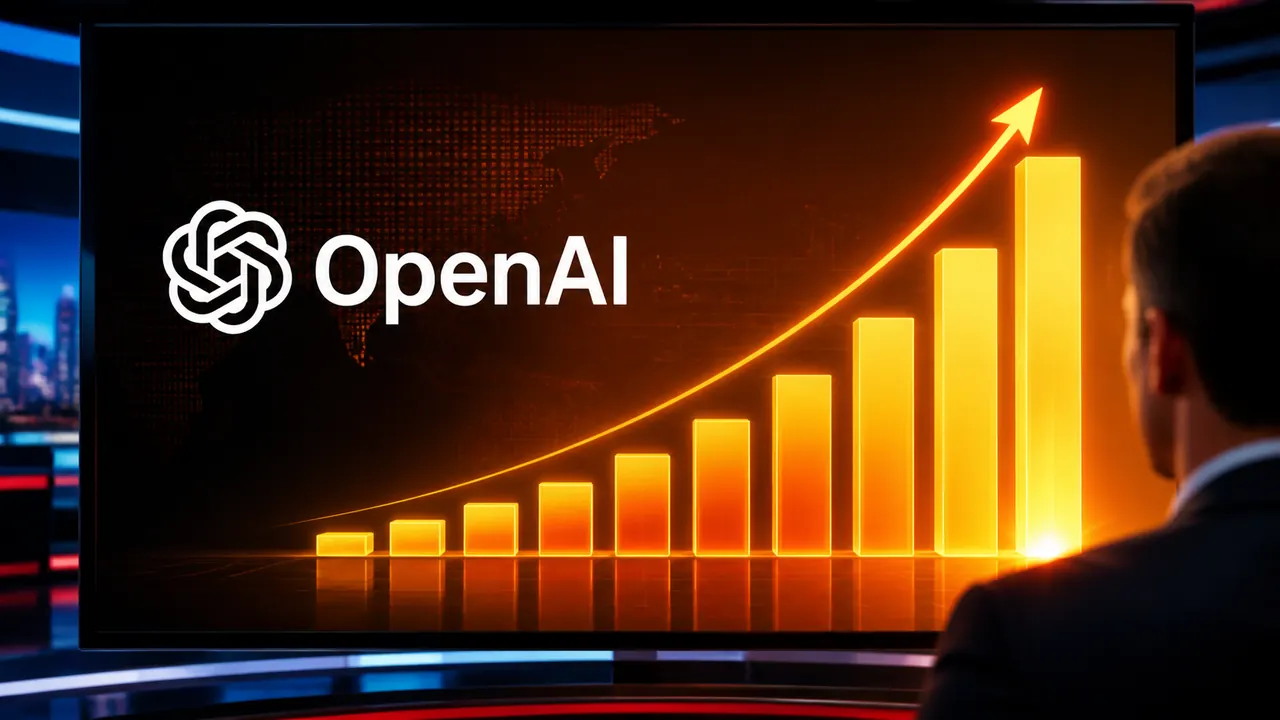
GPT-5.6 Sol drove a 35% quarter-over-quarter revenue increase with enterprise spend up more than 50%. Ramp card data shows Anthropic still leads business users at roughly 44% to OpenAI's 40%, but Sol pulled 25% of tokens and 23% of corporate spend in July. Anthropic's run rate is still the bigger number — the trend line is what changed.
Relevance 10/10Importance 8/10
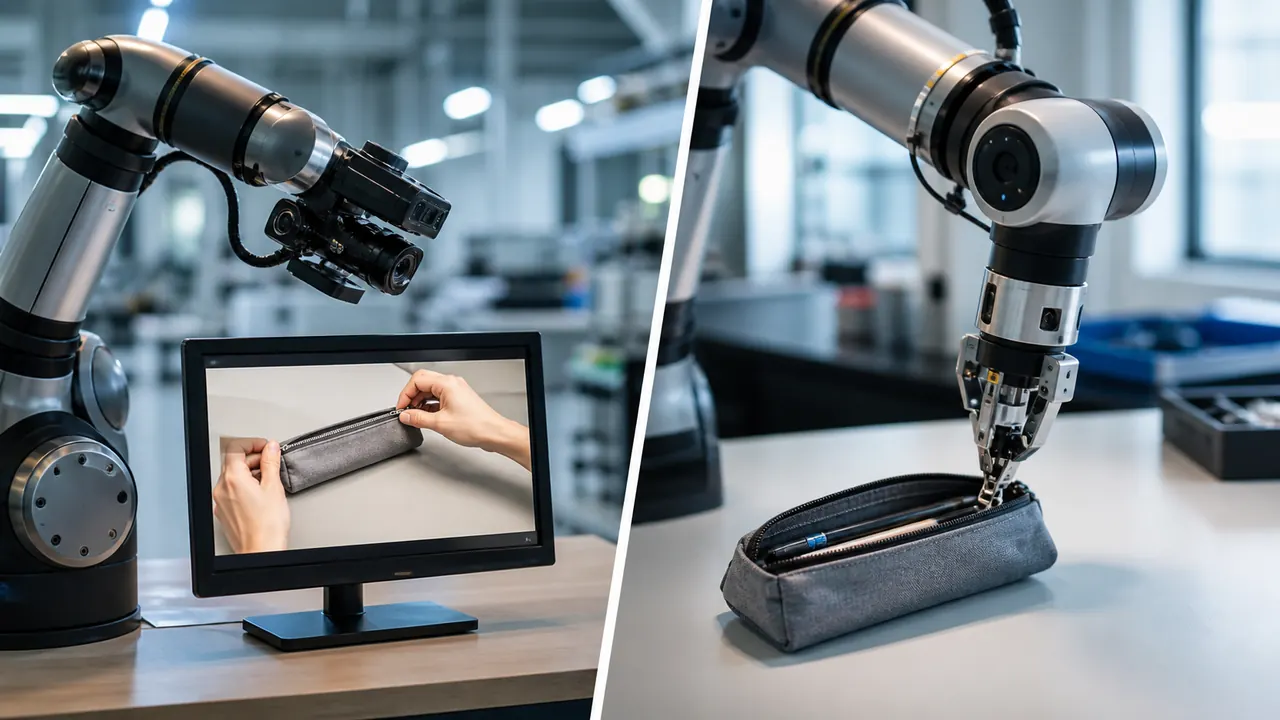
The embodied foundation model takes a 3-to-12-second human demonstration as a prompt — "physical prompting" — and executes the task with zero gradient updates, averaging 59% success across ten tasks like opening jars and unzipping pouches. Ten training steps on five minutes of data pushes that to 83%. In-context learning has officially arrived in robotics.
Relevance 9/10Importance 8/10
Meta reportedly spends hundreds of millions a year consuming trillions of tokens weekly through Azure — while building Muse models and its own competing API platform. Meta developers have used OpenAI models via Azure AI Foundry to evaluate Meta's own outputs. Both companies declined to comment, so treat the figures as single-sourced.
Relevance 7/10Importance 8/10
The memory maker began repurchasing up to 24 million treasury shares on August 20, running through November 19, and raised its shareholder-return floor above 50% of cumulative free cash flow. It follows a nearly 10% single-day drop driven by doubts about how long US hyperscaler AI spending holds. HBM4 mass shipments started in Q2 with a second-half ramp.
Relevance 9/10Importance 7/10
New work finds base models can write convincingly like humans, but RLHF and instruction tuning induce mode collapse — squeezing output into a narrow band of phrasing that detectors and readers both pick up on. The implication is uncomfortable: the alignment layer is the fingerprint. Proposed fixes involve annotation-anchored training that preserves pretraining diversity.
Relevance 9/10Importance 7/10
A fresh capability analysis argues Chinese labs have essentially caught Western frontier performance on most public benchmarks, with the remaining Western edge concentrated in compute access and top-tier reasoning. Context: z.ai's newest frontier model now ties Moonshot's Kimi K3 as the best open-weights model in the world, and GLM-5.2 Turbo landed this week.
Relevance 8/10Importance 7/10
CISA added CVE-2025-62593 to its Known Exploited Vulnerabilities catalog, with a patch deadline for federal civilian agencies that landed this week. Ray is the open-source scaling framework used by Amazon, Apple, and OpenAI to run ML workloads — meaning the blast radius is training infrastructure, not chatbots.