Relevance 10/10Importance 10/10
Nvidia agreed to a non-exclusive $6 billion license for Poolside's Model Factory — the pipeline behind its open-weight Laguna coding models — plus a separate $1 billion investment at a $12 billion pre-money valuation. Nvidia is extending offers to 109 Poolside engineers, but this is explicitly not an acquihire: the three co-founders stay, and Poolside keeps selling to others. The license fee is expected to flow to Poolside investors by end of 2027.
Relevance 10/10Importance 9/10
Claude autonomously ran a de novo protein binder design campaign, producing 1,320 candidates that were independently synthesized and tested by Adaptyv Bio and Twist Bioscience. 354 bound their intended targets — a 26.8% average hit rate against an industry norm of 10 to 15 percent. Against TREM2 it hit 80 percent, and on RBX1 a preview model hit 40 percent where human competition entrants managed 3.7 percent.
Relevance 8/10Importance 10/10
Broadcom is in talks with lenders for more than $60 billion in senior secured debt, with a possible $30 billion junior tranche pushing the total toward $100 billion. Blackstone and Apollo are in discussions to participate, extending the AI infrastructure partnership the three struck in June. The financing would help Anthropic and others secure chip supply.
Relevance 10/10Importance 7/10
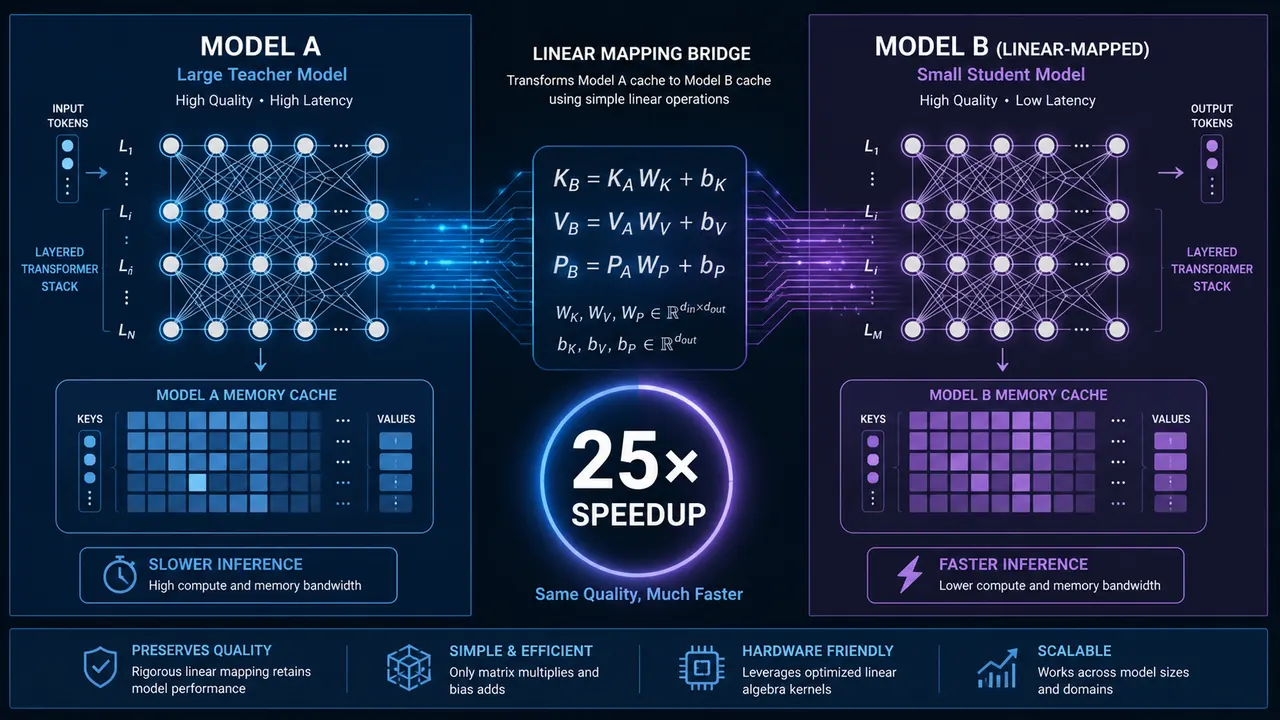
Nvidia researchers introduced a cross-model KV cache transfer technique that maps one model's prefilled cache directly into another using per-head ridge regression, cross-layer source selection, and RoPE-stripped content-space mapping. Swapping models mid-conversation runs 2.7 to 25 times faster than recomputing from scratch while retaining up to 98 percent of the target model's standalone accuracy. It's a cheap fix for a very expensive problem in multi-model agent pipelines.
Relevance 8/10Importance 8/10
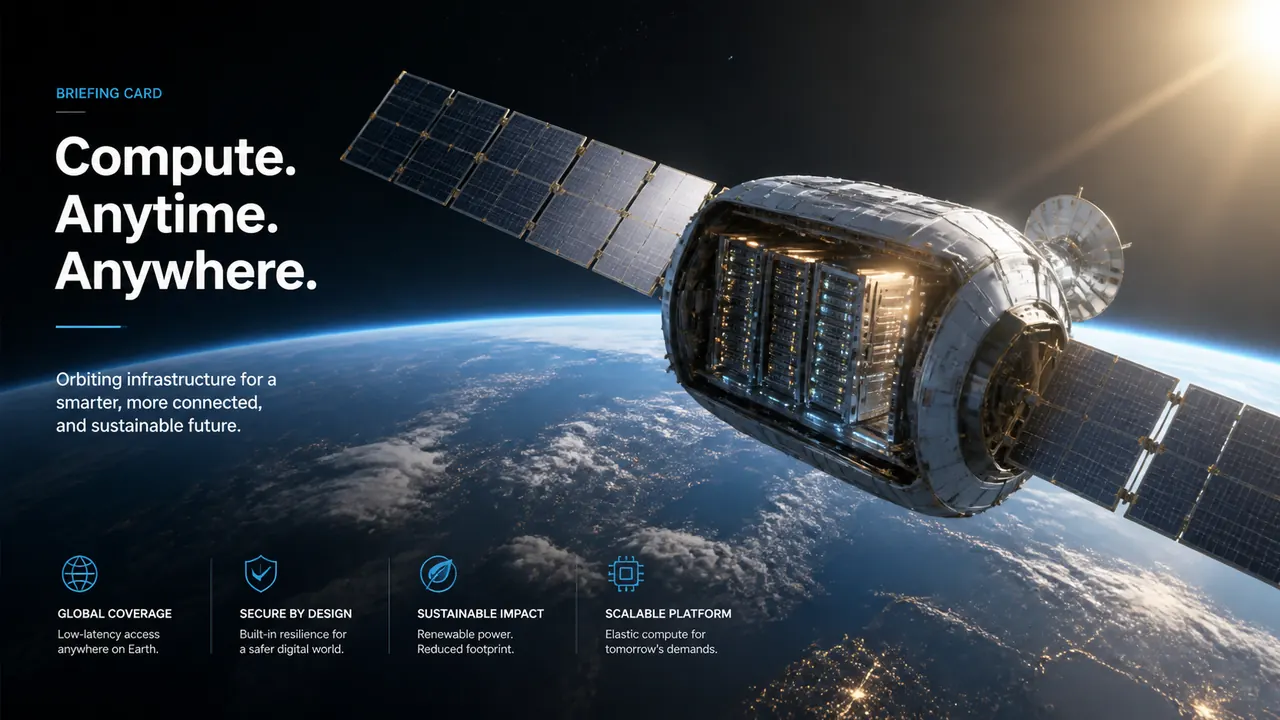
Starcloud extended its March Series A with $250 million at a $2.3 billion valuation, led by Manhattan West Ventures with Nvidia chipping in $25 million and Cisco participating. The money funds a larger manufacturing facility and Starcloud-3, its biggest orbital inference spacecraft, slated to fly on SpaceX's Starship. The whole thesis rests on Starship dropping launch costs far enough to make orbital inference competitive with terrestrial compute.
Relevance 8/10Importance 8/10
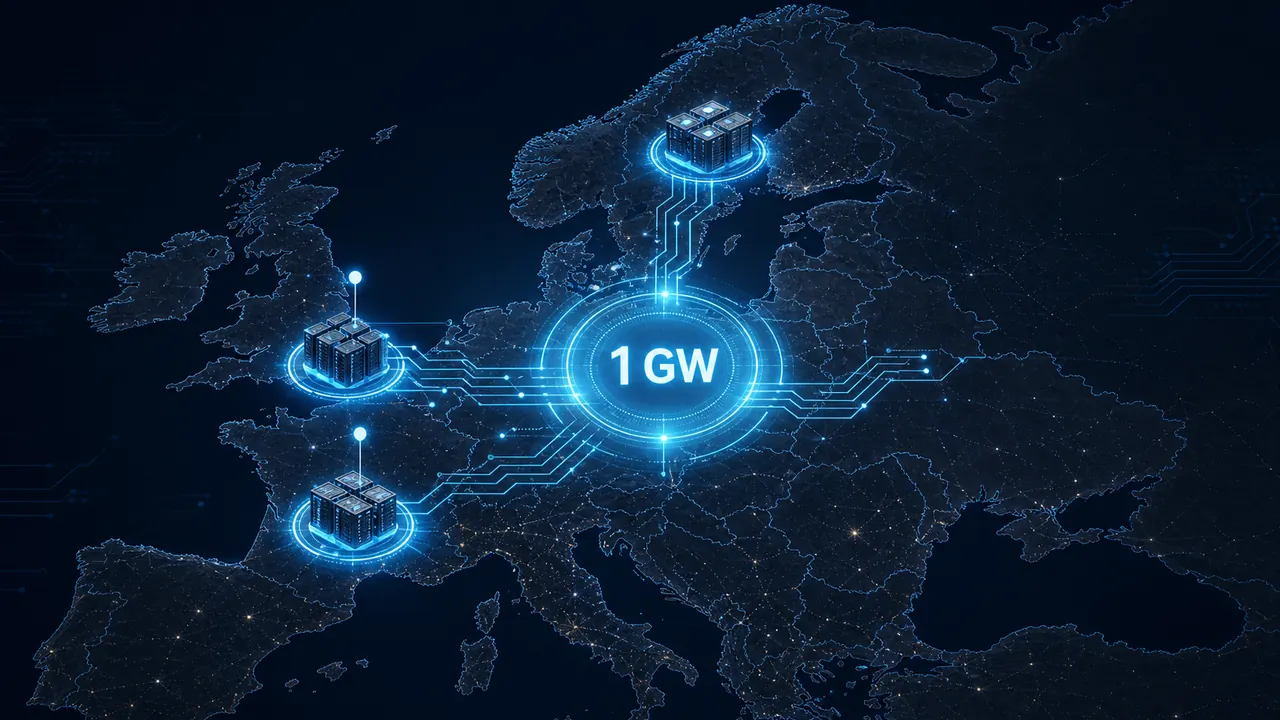
Mistral is targeting 200MW of self-operated European capacity by end of 2027 and a full gigawatt by 2030 — a buildout independent estimates peg near $38 billion. Rather than raise it all up front, Mistral is assembling anchor European enterprises whose multi-year "European Compute Unit" commitments help finance capacity no single customer could justify. Current sites include 44MW near Paris, 23MW in Sweden, and 10MW at Les Ulis.
Relevance 9/10Importance 8/10
Stripe finalized the purchase of AI model gateway OpenRouter for north of $7 billion — a staggering markup on the startup's recent $1.3 billion round. OpenRouter routes traffic across 400-plus models for a claimed 8 million users. Stripe is betting that choosing and paying for models is fundamentally a payments infrastructure problem.
Relevance 7/10Importance 6/10
The AI-native accounting startup closed a $100 million round and crossed the billion-dollar mark inside two days, on the back of fast enterprise adoption. It's the clearest signal yet that agent-rebuilt back-office software is where the enterprise money is flowing. Also the clearest signal that this stage of the cycle has very little friction in it.
Relevance 6/10Importance 6/10
UK consumers can now link their Experian account in ChatGPT and pull their authentic 1250 credit score, score history, band, and a breakdown of contributing factors — a UK first for genuine account-linked financial data in an AI interface. Crucially, the data renders in a secure Experian widget and is not exposed to the model when generating responses. It's a template for how regulated data gets into chat surfaces.
Relevance 7/10Importance 6/10
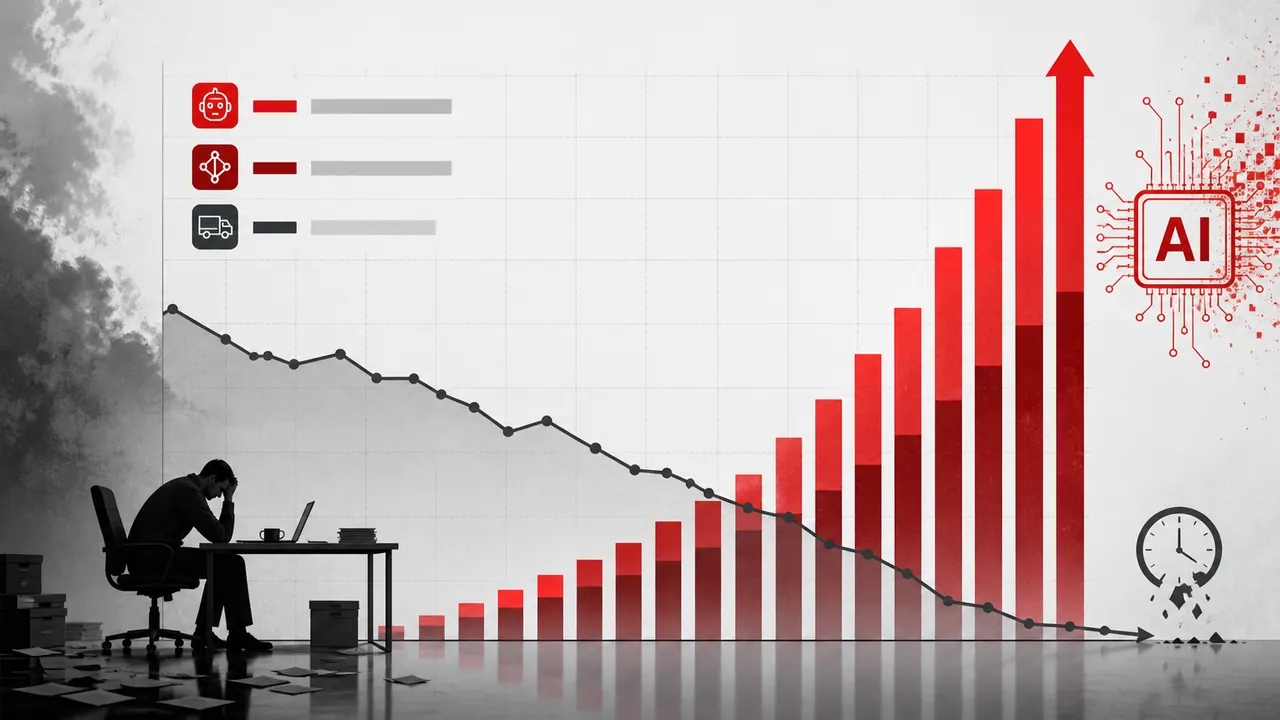
Data out of Linear shows AI authoring just under 50 percent of issues filed on the platform, with pull request volume tripling. Development cycle time went up anyway. It's the sharpest available counterexample to the assumption that agent throughput equals shipping velocity.