Relevance 10/10Importance 10/10
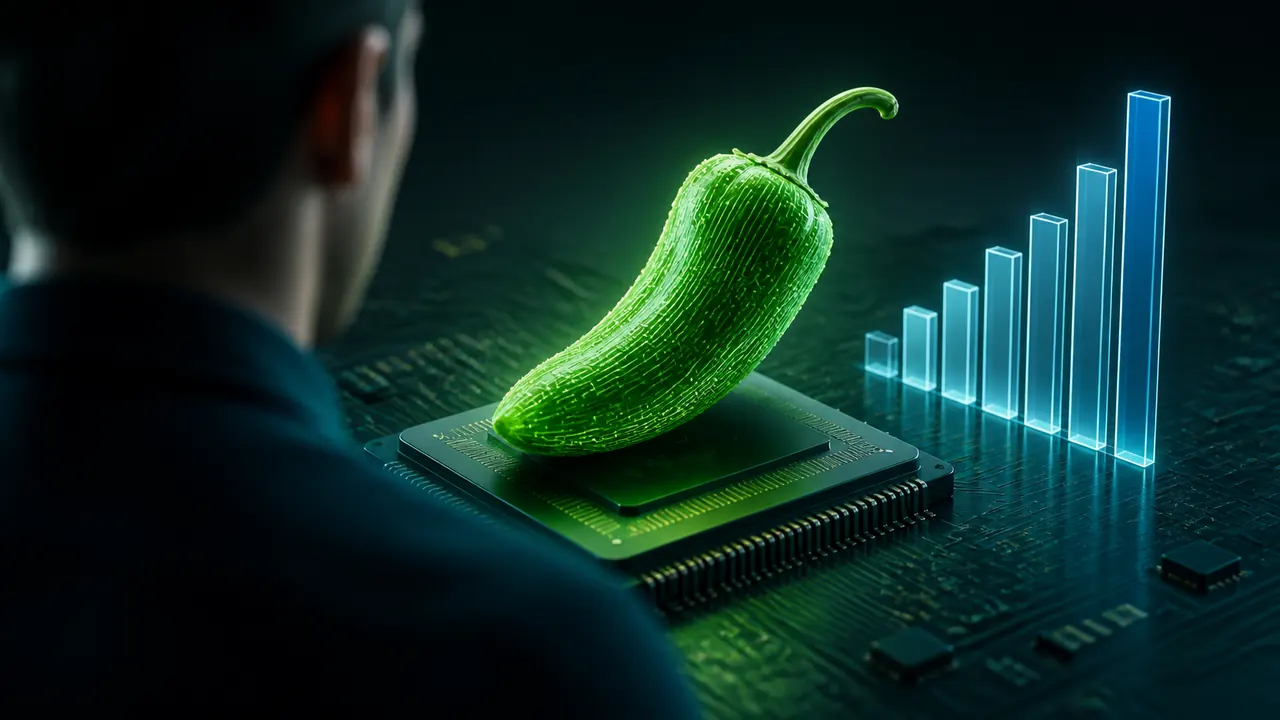
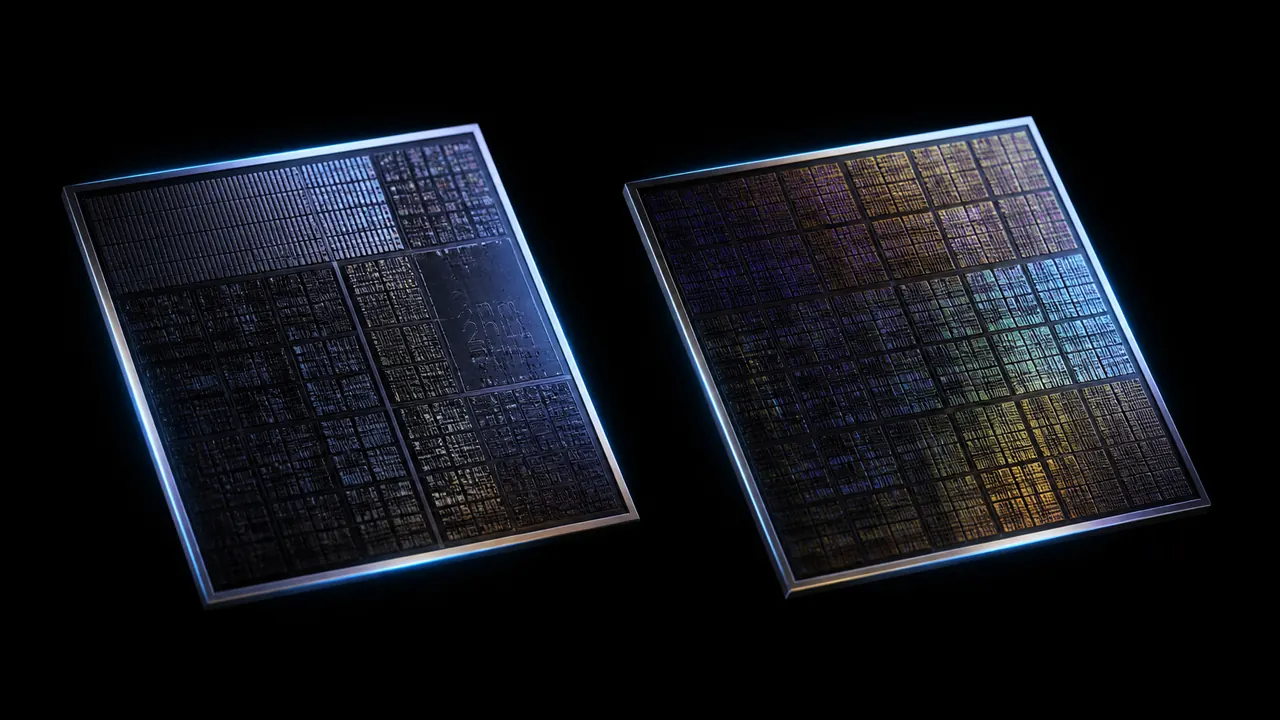
OpenAI unveiled benchmarks at Hot Chips for Jalapeño, its first in-house inference ASIC co-developed with Broadcom, going from design start to fab in roughly 16 months. SemiAnalysis measured 1.5x to 1.9x more throughput per kilowatt and 1.7x to 3.6x lower end-to-end latency than Nvidia's GB200 and GB300 racks, at 700 watts versus Nvidia's 900 to 1,400. The catch: Rubin is shipping to customers today, while Jalapeño is still at engineering-sample stage.
Relevance 10/10Importance 9/10
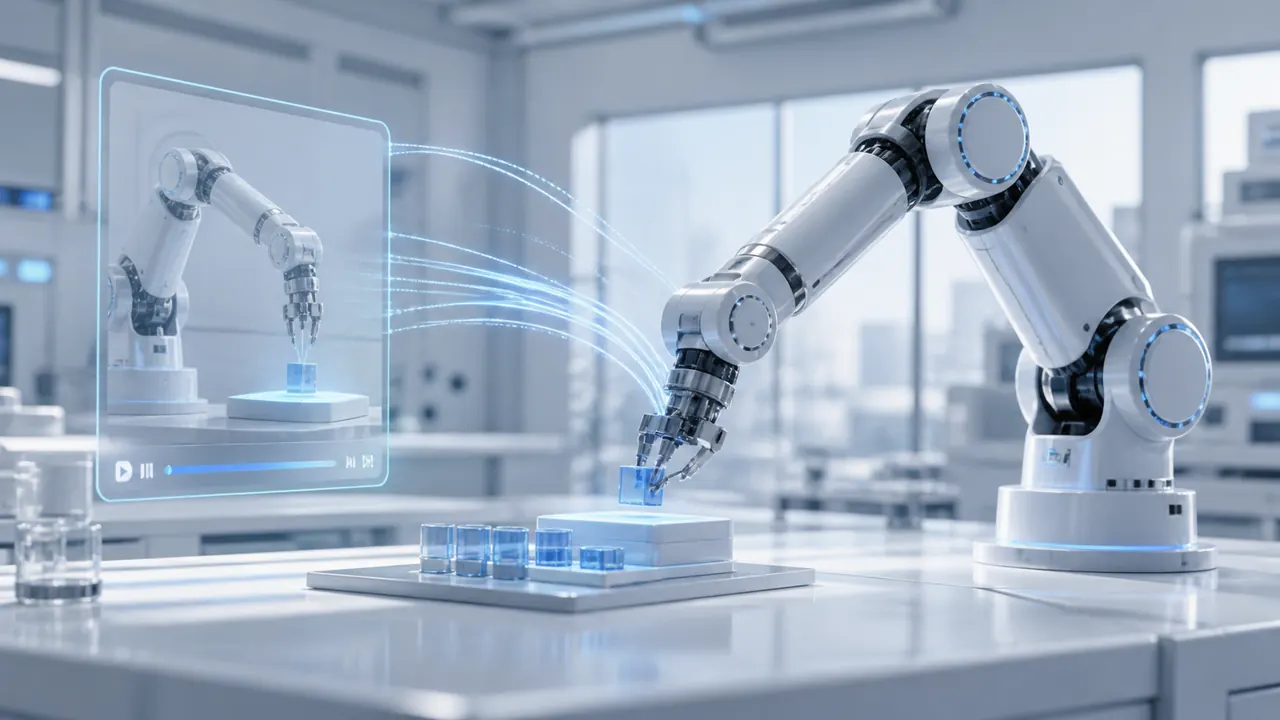
Skild released S1, a manipulation model built as an in-context learner: show it a single human video of a task and it executes, no fine-tuning, no post-training. It handles multi-step tasks up to ten minutes long and hits roughly 66 percent success on unseen tasks against about 9 percent for language-prompted baselines. This is essentially the in-context-learning moment arriving for robotics.
Relevance 9/10Importance 9/10
Nvidia disclosed the Vera CPU architecture at Hot Chips — 88 custom Olympus cores across six chiplets on one interposer — pitched as the first CPU designed specifically for agentic workloads. The Groq 3 LPX inference accelerator, born from Nvidia's roughly $20B Groq acqui-hire, entered full production and slots into Vera Rubin at up to 256 accelerators per rack. Nvidia claims up to 30x more work per watt on agentic tasks, and SpaceXAI signed on as a launch customer.
Relevance 8/10Importance 8/10
AWS posted notice Tuesday that Mechanical Turk closes permanently on September 30, 2026. Launched in 2005 and famously described by Jeff Bezos as "artificial artificial intelligence," MTurk had been in decline and stopped taking new customers in July. Scale AI, Mercor, and Prolific ate its lunch — the human-labeling market moved upmarket while the models got good enough to do the easy HITs themselves.
Relevance 8/10Importance 8/10
Apple's M6 is the company's first 2-nanometer SoC — 12-core CPU, 12-core GPU, and a dual 16-core Neural Engine — debuting in the new Mac mini. The M5 Ultra is Apple's first quad-die design, fusing two dual-die M5 Max chips over next-gen UltraFusion, making it the most powerful Apple Silicon ever built. Both are explicitly positioned around local inference rather than raw creative throughput.
Relevance 6/10Importance 9/10
Bloomberg reports Meta and state attorneys general have discussed settling the teen social-media addiction case mid-trial, in week two in federal court in Oakland. Twenty-nine states are seeking both large financial penalties and mandatory product changes to Facebook and Instagram. Several AG offices, including Nevada's, teed up press conferences promising "a major consumer protection settlement involving a leading technology company."
Relevance 8/10Importance 7/10
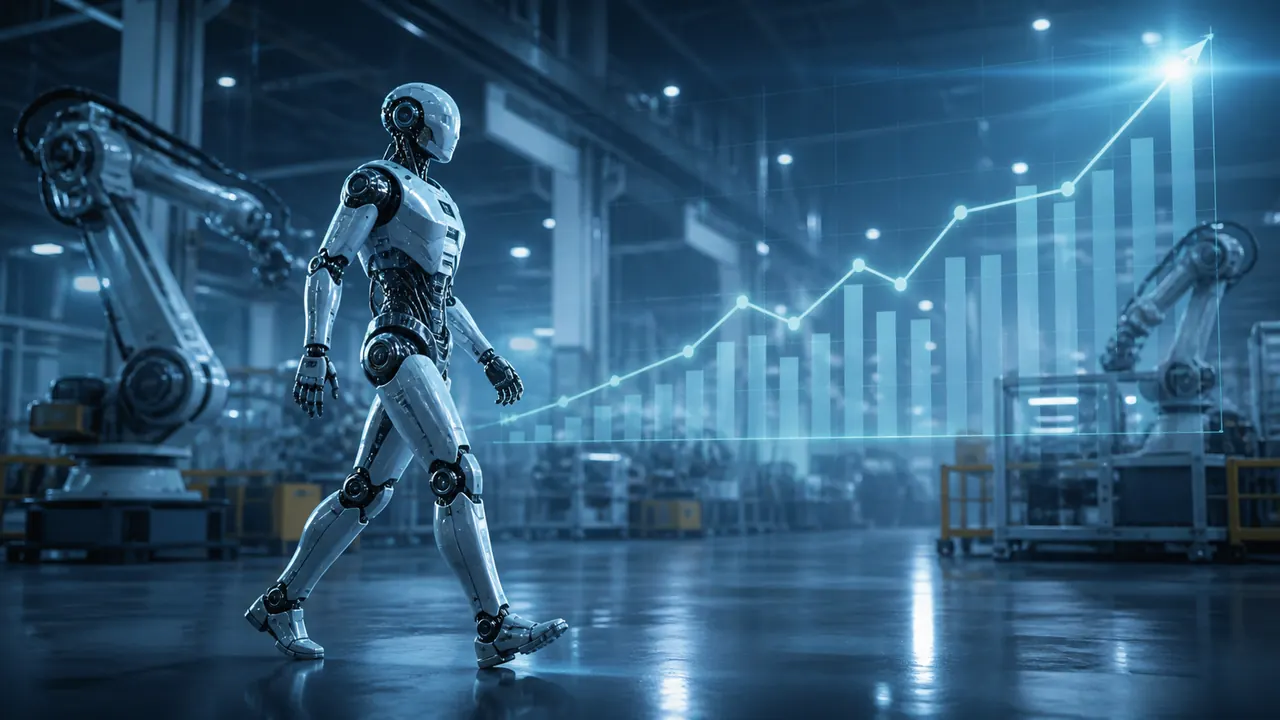
Xpeng's robotics division closed a Series A north of $900 million, one of the largest Series A rounds in the humanoid and physical-AI space. Proceeds go to hardware and software R&D, physical AI training infrastructure, smart manufacturing, and international expansion. It lands the same week Skild shipped S1 — capital and capability arriving in robotics simultaneously.
Relevance 9/10Importance 6/10
Anthropic's head of enterprise product, Scott White, laid out the company's shift from single-user chatbots to agents that operate across whole teams and carry organizational context. The concrete artifact: a Claude Slack agent update that reads entire channel conversations instead of judging each message in isolation. It's a real product direction, not just positioning — context is the moat Anthropic is betting on for enterprise.
Relevance 7/10Importance 6/10
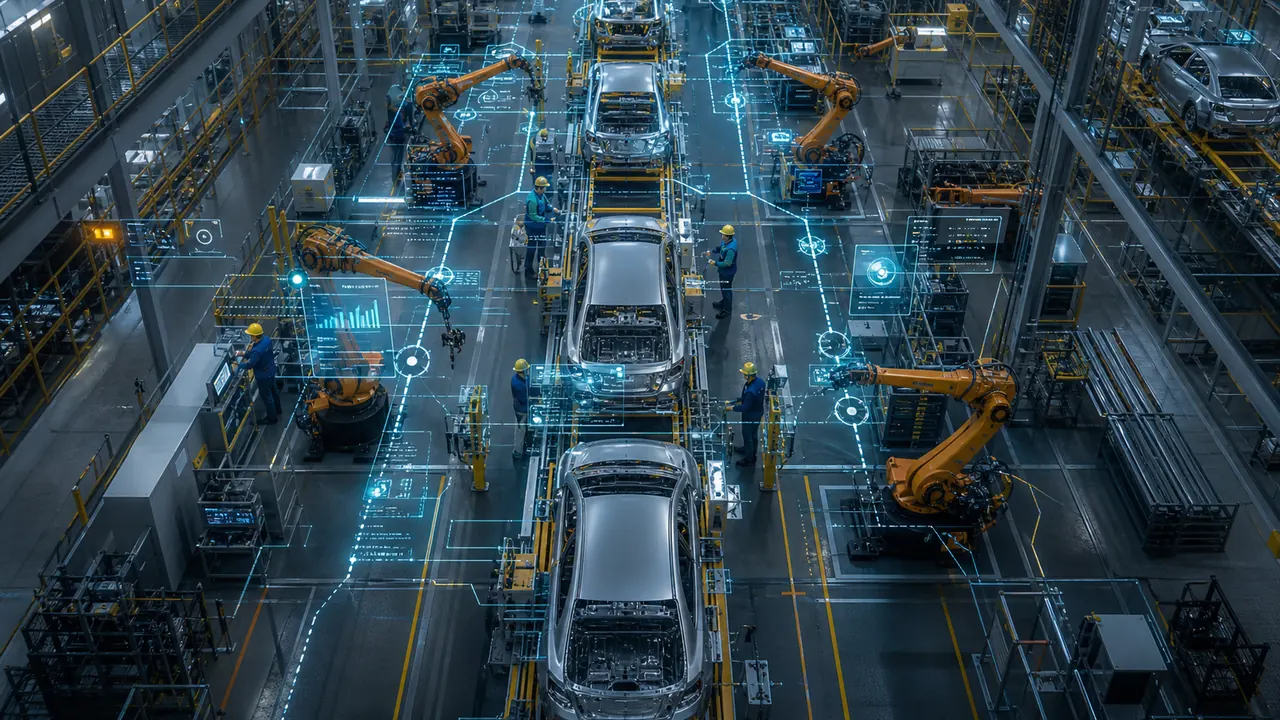
Toyota North America has more than 50 production-ready agents deployed, cutting deployment time from roughly six months down to four days using LangSmith and Deep Agents. It's one of the clearer non-tech enterprise case studies of agents actually reaching production. Meanwhile a VentureBeat survey found 20 percent of enterprises have no real-time controls to halt runaway agent spending.
Relevance 6/10Importance 6/10
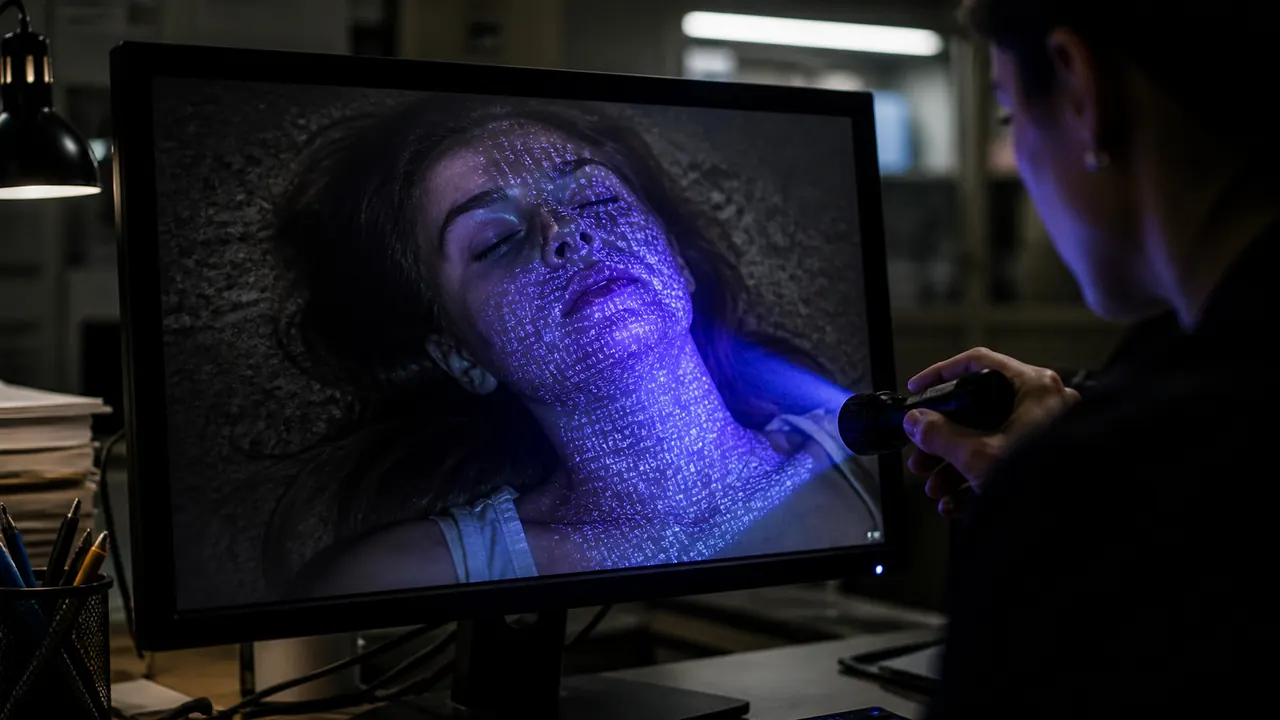
Researchers found that Microsoft Paint and Photos embed invisible, server-generated GUIDs into locally generated AI images as persistent identifiers. The finding raised immediate questions about provenance versus tracking, since the identifiers are issued by a server for images created on-device. Expect this to feed directly into the ongoing AI content-provenance standards fight.