Relevance 10/10Importance 10/10
Anthropic has launched Claude Opus 5, describing it as the biggest leap in the Opus family in years, targeting coding, deep research, and scientific work at the frontier. The model claims state-of-the-art performance on ARC-AGI 3 and other benchmark suites, and is priced competitively with its predecessor. It becomes the default model for Claude Max subscribers and ships alongside a full system card.
Relevance 9/10Importance 8/10
The ARC Prize leaderboard has advanced to version 3, shifting from passive pattern-matching puzzles to requiring agents that adapt to novel interactive environments in real time. Cost-per-task efficiency is now a first-class metric alongside raw accuracy, reflecting the field's growing focus on practical rather than brute-force intelligence. The leaderboard tracks three categories: reasoning systems, base LLMs, and budget-capped competition submissions limited to fifty dollars per run.
Relevance 5/10Importance 7/10
Google is reportedly planning to restrict on-device ADB connections to the loopback address in response to a security vulnerability (CVE-2026-0073), which would break tools like Shizuku and the entire ecosystem of accessibility and developer apps built on top of it. The author argues the security risk is overstated since exploiting ADB requires the user to explicitly enable USB debugging, and requests a toggleable permission setting rather than a blanket ban. Developers are urged to file constructive feedback on Google's issue tracker before the change lands.
Relevance 5/10Importance 5/10
Developer Nishant Shukla explores writing code in two dimensions rather than the conventional linear format, showing how vertical positioning makes multi-argument functions more intuitive and enables novel operators like a conditional flip expressed spatially. He demonstrates the paradigm by constructing a complete three-bit adder in a single two-dimensional expression and applying it to quantum computing puzzles involving borrowed ancilla bits. Surveying existing spatial languages like Befunge and Orca, he closes with the argument that the tools we choose shape which programming paradigms we can even conceive of.
Relevance 3/10Importance 6/10
Professor Hannah Fry, the first Professor of the Public Understanding of Mathematics at Cambridge, has been awarded the Leelavati Prize by the International Mathematical Union for her work making mathematics accessible through books, television, podcasts, and social media. The prize is awarded every four years at the International Congress of Mathematicians, and the award citation describes Fry as "a voice for mathematics that resonates far beyond the public audience normally interested in science communication." She also received an Emmy Award in 2025.
Relevance 3/10Importance 4/10
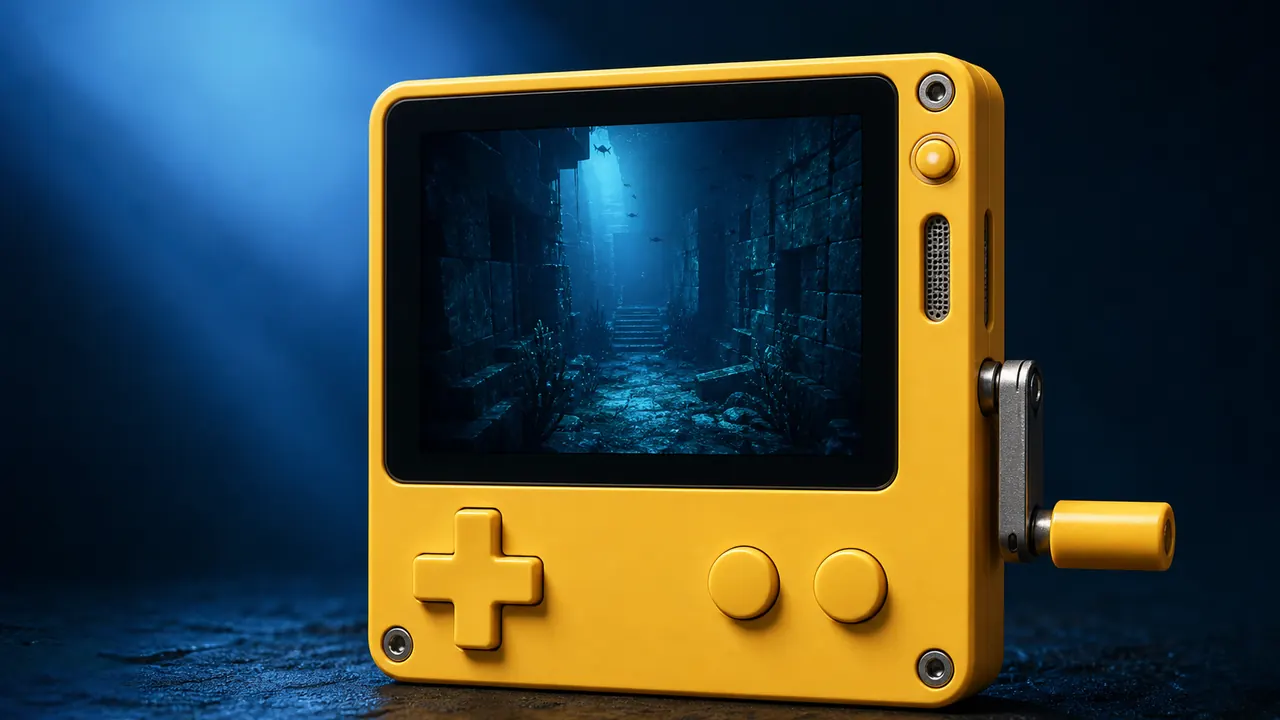
Indie developer Cristina Ramos built a fully software-based 3D renderer for the Playdate handheld console to power Katavatis, an underwater first-person adventure game, with all rendering done on the CPU since the device has no GPU. Key techniques include loading Quake BSP map files, implementing a sixteen-bit reciprocal depth buffer, perspective-correct texture mapping with performance approximations, and half-resolution rendering at 200x120. The visual style borrows from Return of the Obra Dinn, using dithering to simulate grayscale on the device's one-bit monochrome display.
Relevance 2/10Importance 4/10
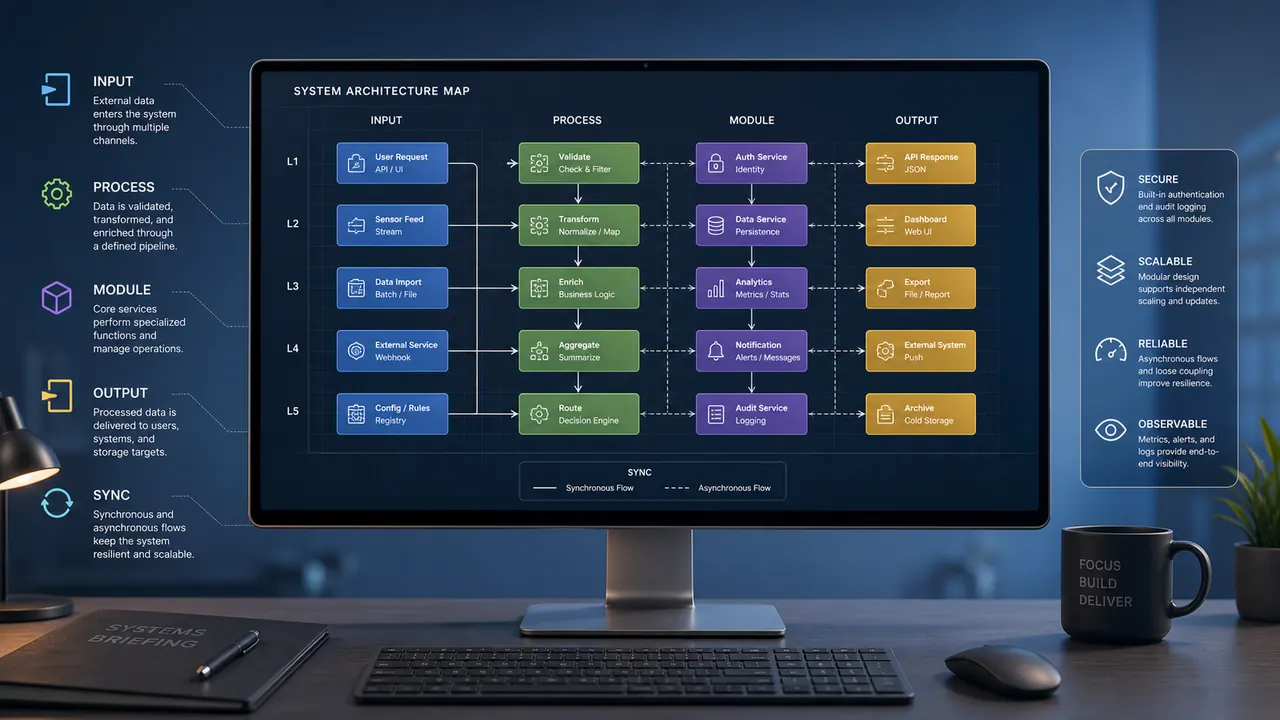
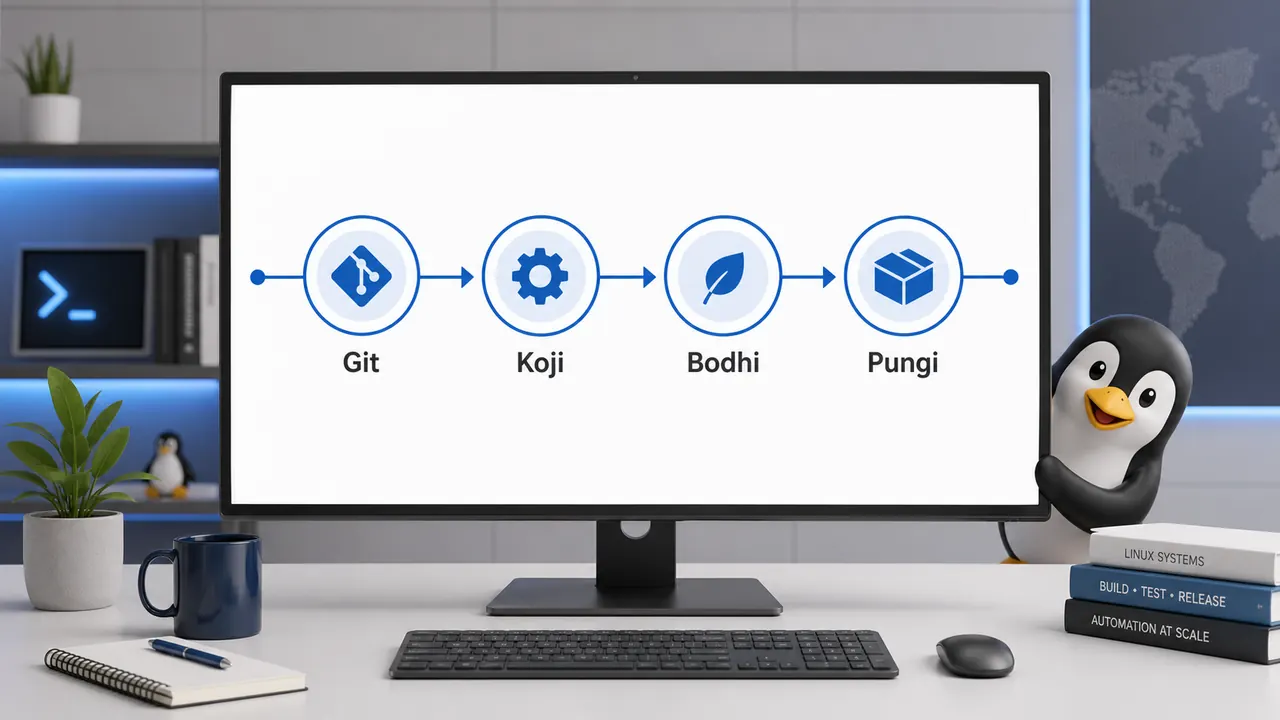
This post demystifies how Fedora Linux transforms source code into the ISOs, cloud images, and container artifacts that users download. Packagers push to Git, Koji compiles the packages, Bodhi gates updates through testing, and then Pungi orchestrates the final composition using tools like Lorax, Kiwi, and Image Builder. It's a clear and readable look at the full engineering pipeline behind a major Linux distribution release.
Relevance 2/10Importance 4/10
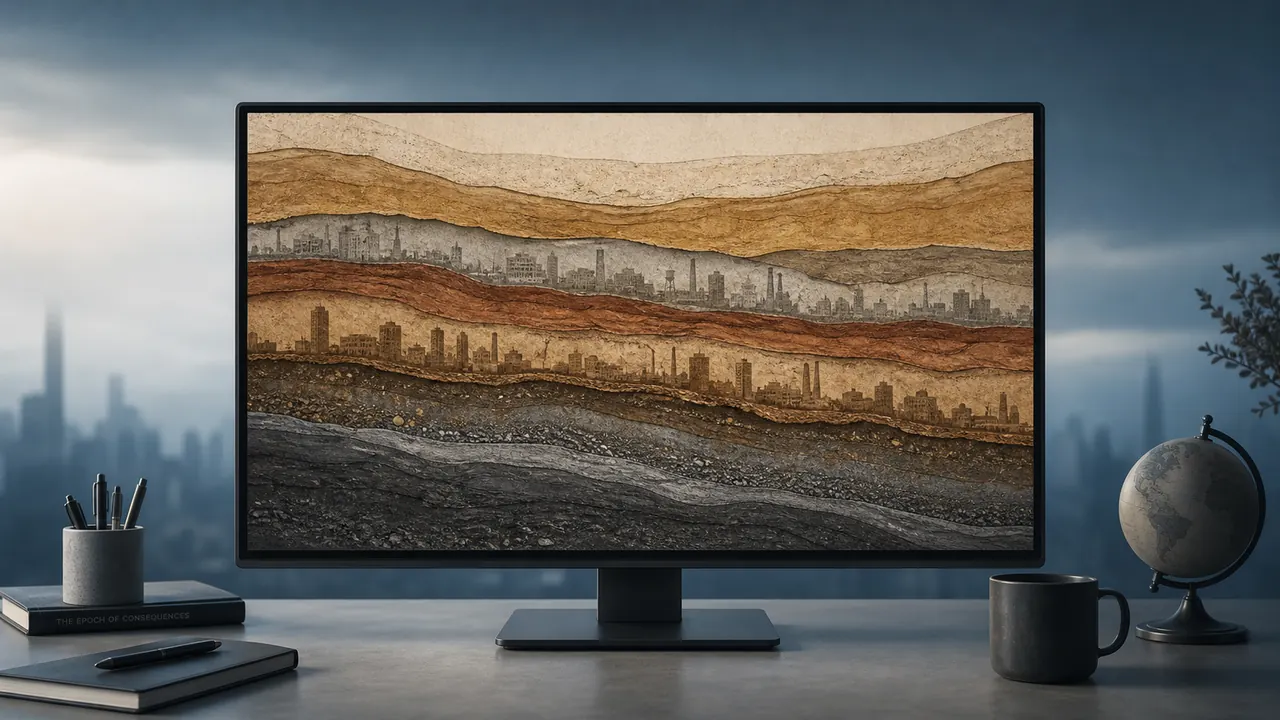
The Paris Review revisits the Silurian Hypothesis, a thought experiment from scientists Adam Frank and Gavin Schmidt that asks whether Earth could have hosted a prior industrial civilization and whether the geological record would preserve any trace of it. The answer, uncomfortably, is probably not — industrial signatures dissolve into the strata on timescales of tens of millions of years. The exercise reframes how we think about the Anthropocene: even our civilization may leave a surprisingly faint permanent mark.
Relevance 2/10Importance 3/10
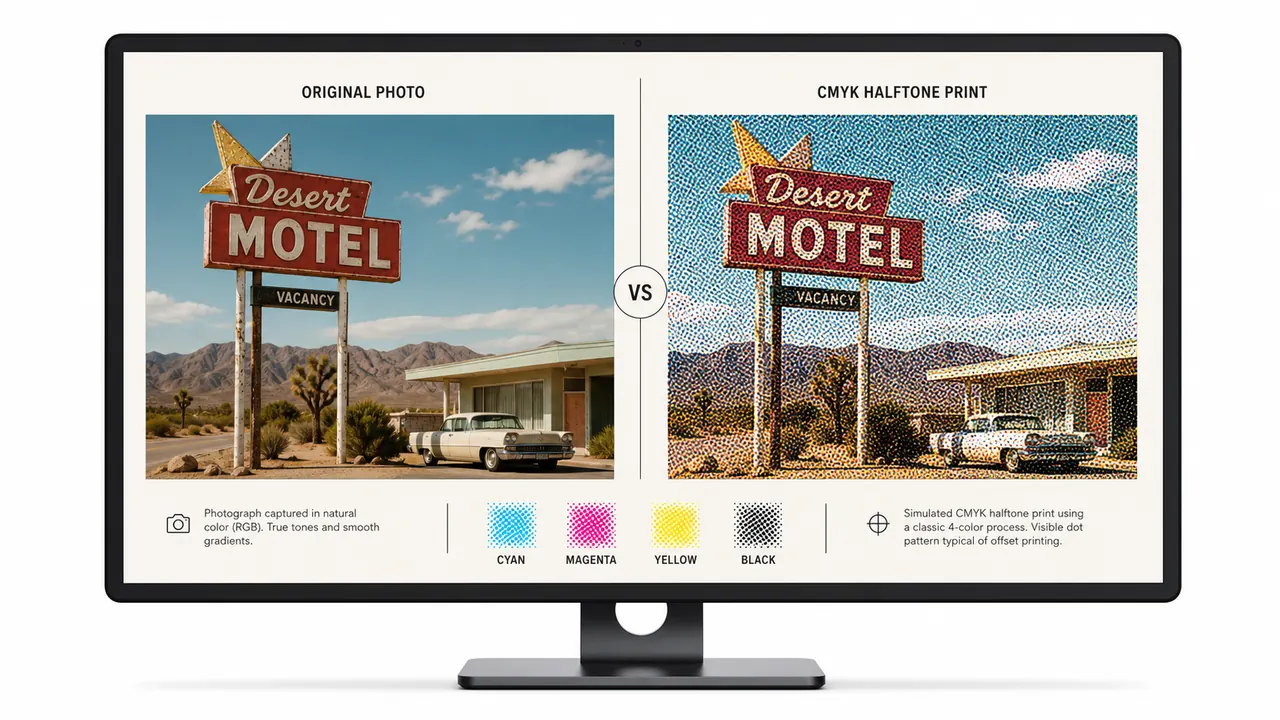
A developer explains how every image on their personal site is processed through an amplitude-modulated CMYK dithering pipeline using ImageMagick, splitting each image into four color channels and rotating each at a different angle (0, 15, 45, and 75 degrees) before recombining to avoid moire patterns. The technique mimics traditional offset print halftone dots, creating the illusion of more colors than the palette allows and giving the site a distinctive analog publication aesthetic. It's more computationally expensive than Floyd-Steinberg dithering but produces results that are genuinely striking.
Relevance 1/10Importance 3/10
Developer Erin Murphy built a compact aquaponics system in a New York City one-bedroom apartment, pairing a twenty-gallon tank of cherry shrimp and snails with a grow-bed of basil and herbs stacked vertically above it in a continuous-flow setup. The self-sustaining ecosystem runs for roughly fourteen dollars a month in electricity, with fish waste feeding the plants and plants filtering the water back. It's a practical guide for urban dwellers who want to grow food and maintain a small aquatic ecosystem in tight quarters.

 HN Briefing AM