Relevance 10/10Importance 8/10
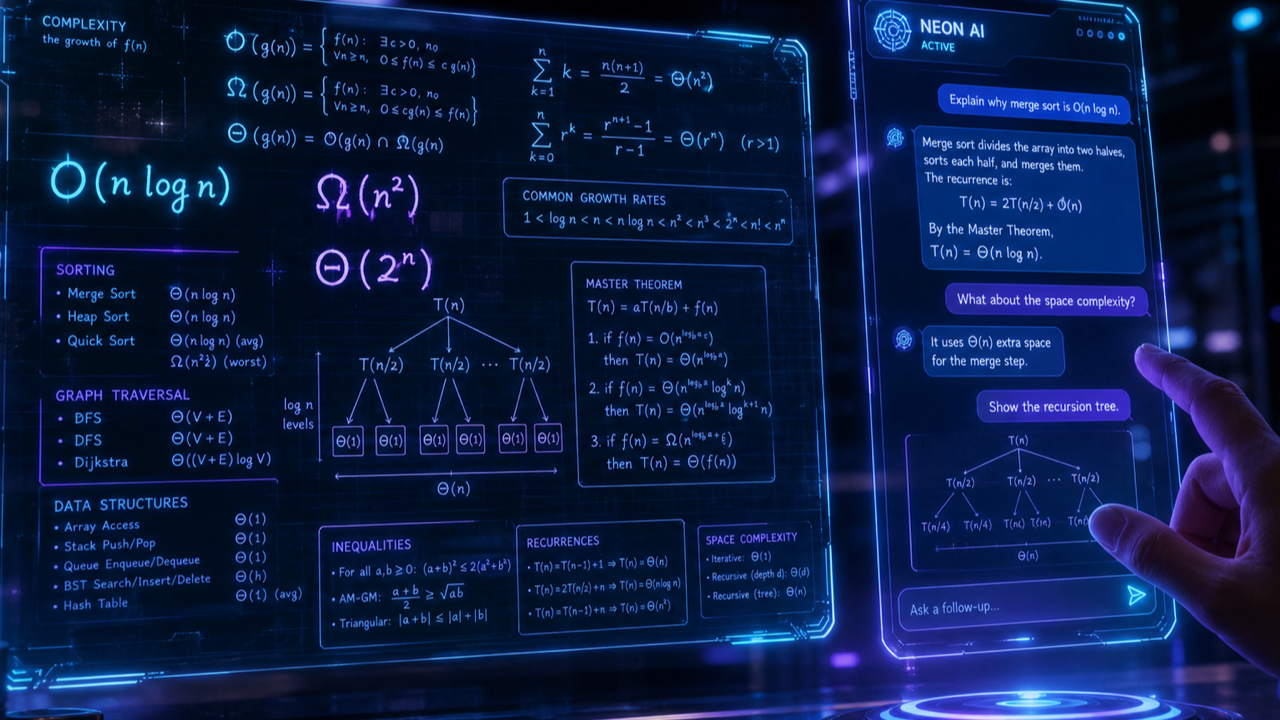
GPT-5.6, guided by a researcher's ten-page specialized prompt informed by roughly a year of prior work, proved that the lower-bound time complexity for solving convex Lipschitz optimization equals that of an existing algorithm from the 1990s — closing a theoretical gap open since then. Domain experts call it a genuine mathematical contribution, though notably niche. The key caveat: deep human expert scaffolding was essential; the AI didn't arrive at this independently.
Relevance 9/10Importance 7/10
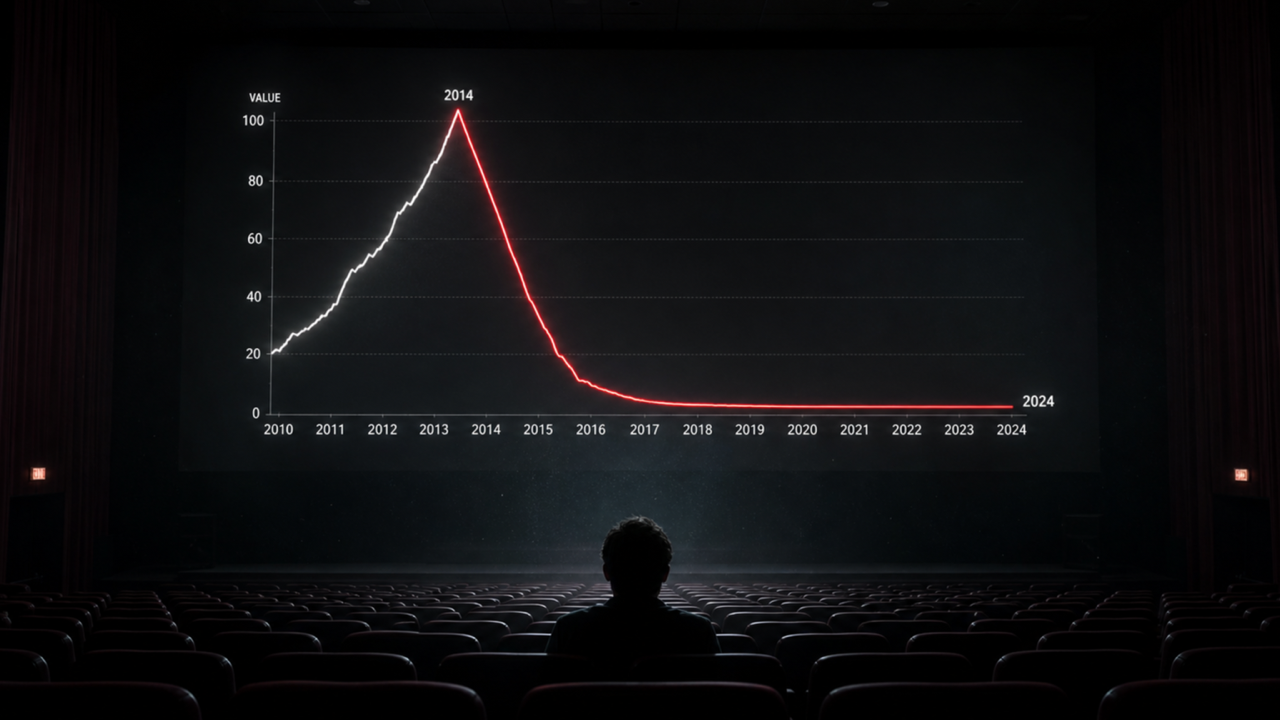
A Stack Overflow data query visualizes the platform's monthly question volume from 2008 to 2024, showing a 99.4% collapse from a 2014 peak of ~207,000 questions down to just 1,226 by late 2024. The HN discussion argues the rot began around 2016 due to toxic moderation and high participation barriers — but AI visibly delivered the coup de grace in 2023–2024. A striking confirmation of how LLMs have fundamentally restructured where developers seek answers.
Relevance 10/10Importance 6/10
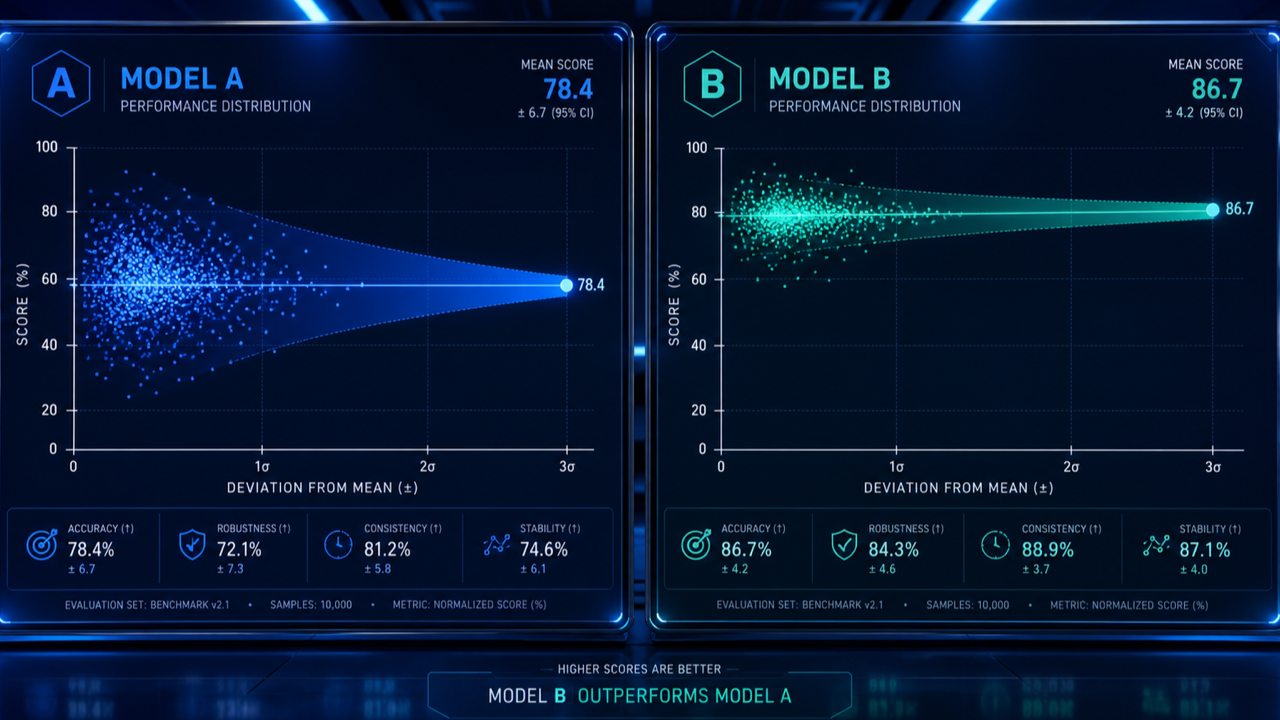
A researcher benchmarked Claude's Fable 5 against GPT-5.6 Sol on NP-hard optimization, specifically testing the /goal feature. Paradoxically, /goal won most individual runs while making both models' mean scores worse — Sol's variance shot to nearly 2,000 points while Fable 5 held a tight range of 319. The analysis also surfaces a meaningful architectural distinction: Claude Code uses an external evaluator on transcripts while Codex integrates goal-tracking as persistent thread state.
Relevance 2/10Importance 8/10
LG monitors are being caught pushing manufacturer software through Windows Update with zero user interaction — just plugging in an LG display via HDMI triggers a silent background install. The software launches at every boot, has full system access, and runs with no sandboxing. The issue exploits Microsoft's driver distribution system and affects both new and older professional LG models. Users can block it via Device Installation Settings, but most never will.
Relevance 4/10Importance 5/10
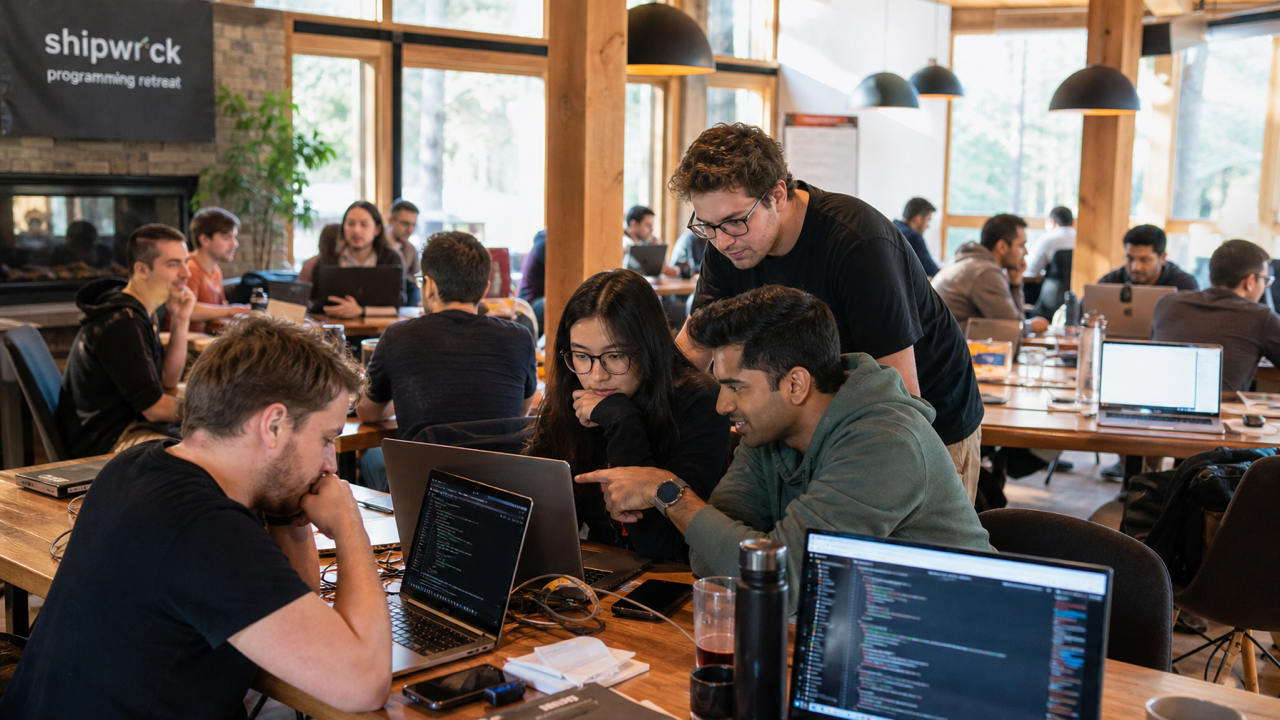
The Recurse Center founder posted a heartfelt 15-year retrospective crediting Hacker News as the program's second-largest applicant source after word of mouth. Originally pivoting from a failed YC startup, RC has now shaped over 3,000 programmers through its self-directed retreat model. Paul Graham reportedly told them early on it wouldn't generate significant revenue — they've been proving that wrong ever since.
Relevance 2/10Importance 6/10
GoPro founder Nicholas Woodman has personally loaned the company $20 million at 6.5% interest — rarely a vote of confidence. The HN discussion identifies the culprits: Insta360 and DJI have lapped them on features and price, hardware reliability has deteriorated with overheating complaints, and the company hasn't meaningfully innovated since the Hero 4 era. Without a buyer or new capital, the odds don't look good for the brand that once defined action cameras.
Relevance 3/10Importance 5/10
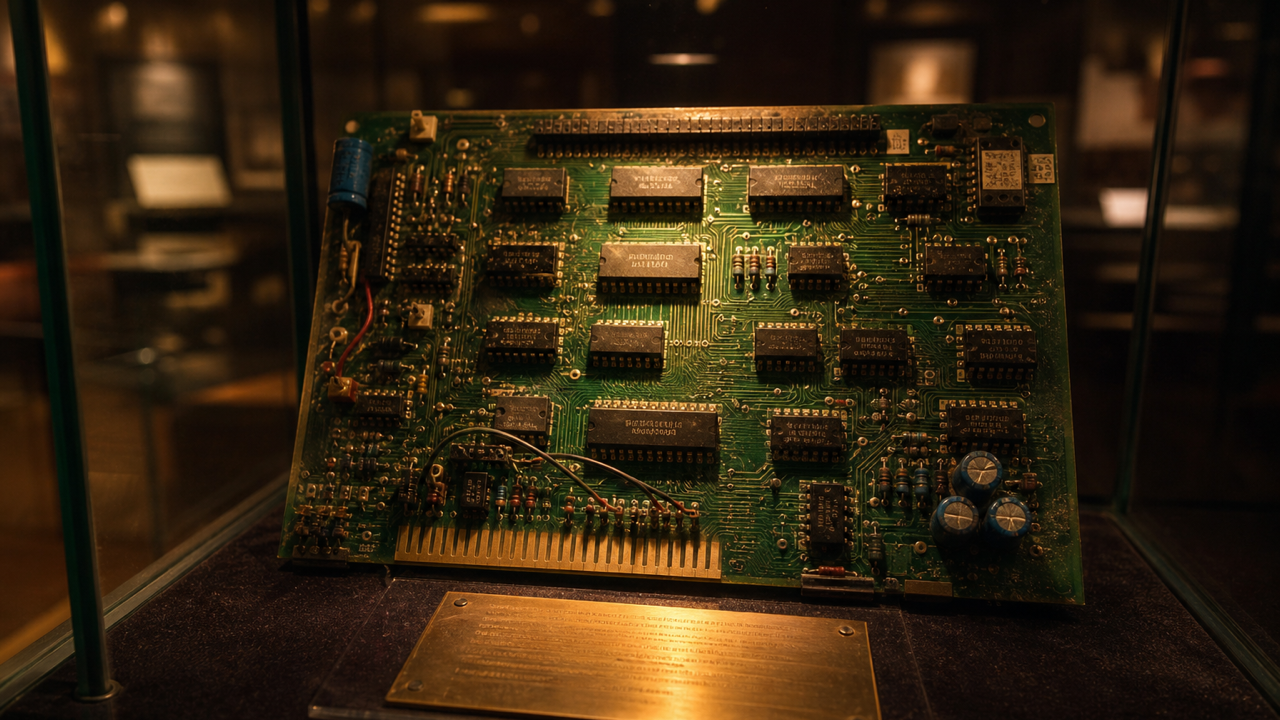
A historical deep-dive into the Rekursiv, a 1988 computer built by Scottish hi-fi company Linn Products that featured hardware-enforced memory safety, silicon-level garbage collection, and persistent object storage. Only 20–30 boards were ever manufactured before the project was commercially crushed by faster commodity chips. The essay's argument is quietly compelling: the designers were philosophically right about modern computing architecture, just four decades ahead of the market.
Relevance 1/10Importance 4/10
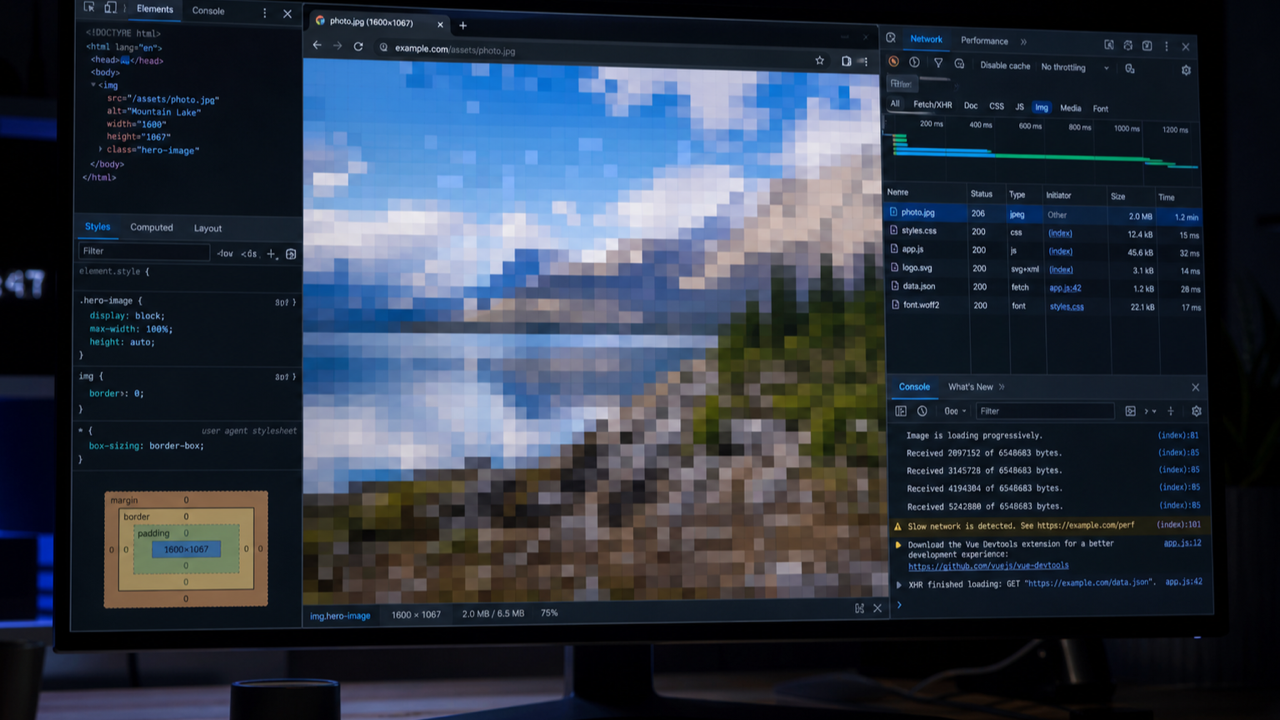
A developer exploited the progressive JPEG format to pack roughly 90 animation frames into a single valid JPEG file. By removing certain markers and filling each scan with DC-only (lowest-frequency) data from different images, the file displays a different picture at each stage of loading. Timing depends entirely on network speed, so the creator admits it has no practical applications — but it does make for a particularly cursed rickroll delivery mechanism.
Relevance 2/10Importance 3/10
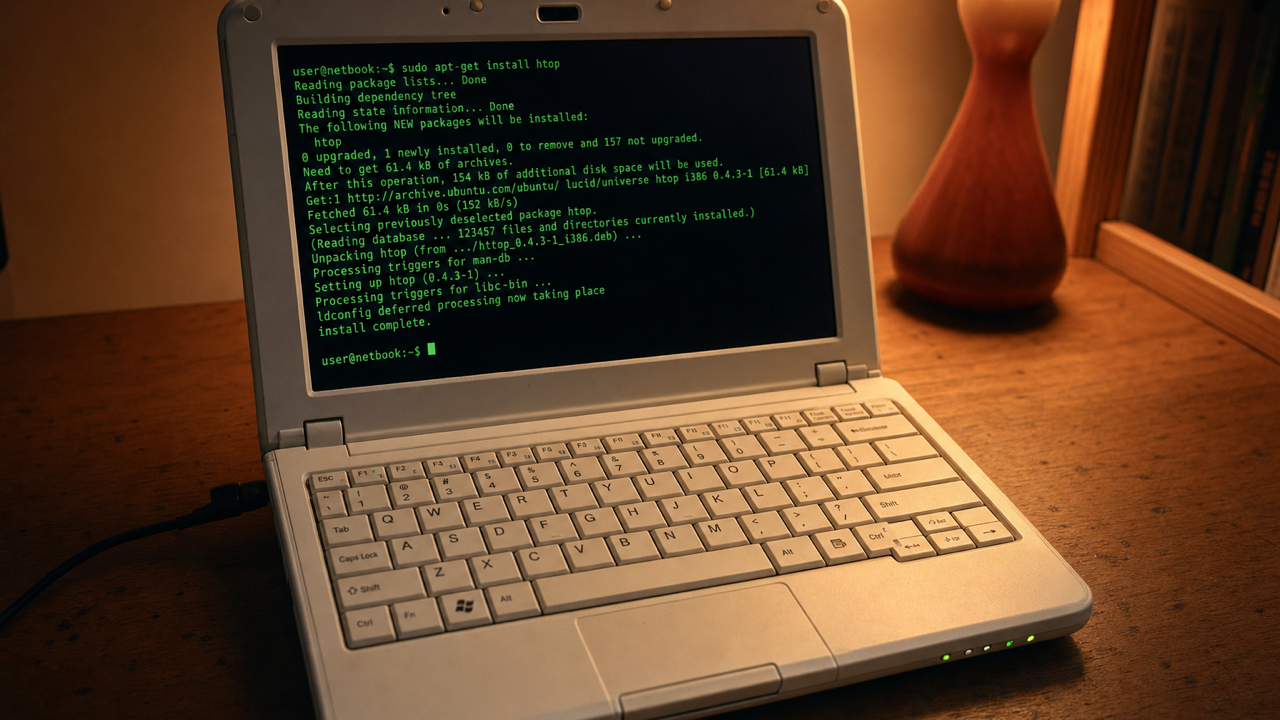
The author installed Arch Linux 32 — the community-maintained fork kept alive after Arch dropped x86 support in 2017 — on a 2009 ASUS Eee PC 1000HE with an Intel Atom N280. RAM was bumped from 1GB to 2GB DDR2, LXQt was chosen as the desktop, and a lot of patience with build errors filled the gaps. The machine now works. Old hardware refusing to die is a perennially beloved HN genre.
Relevance 1/10Importance 3/10
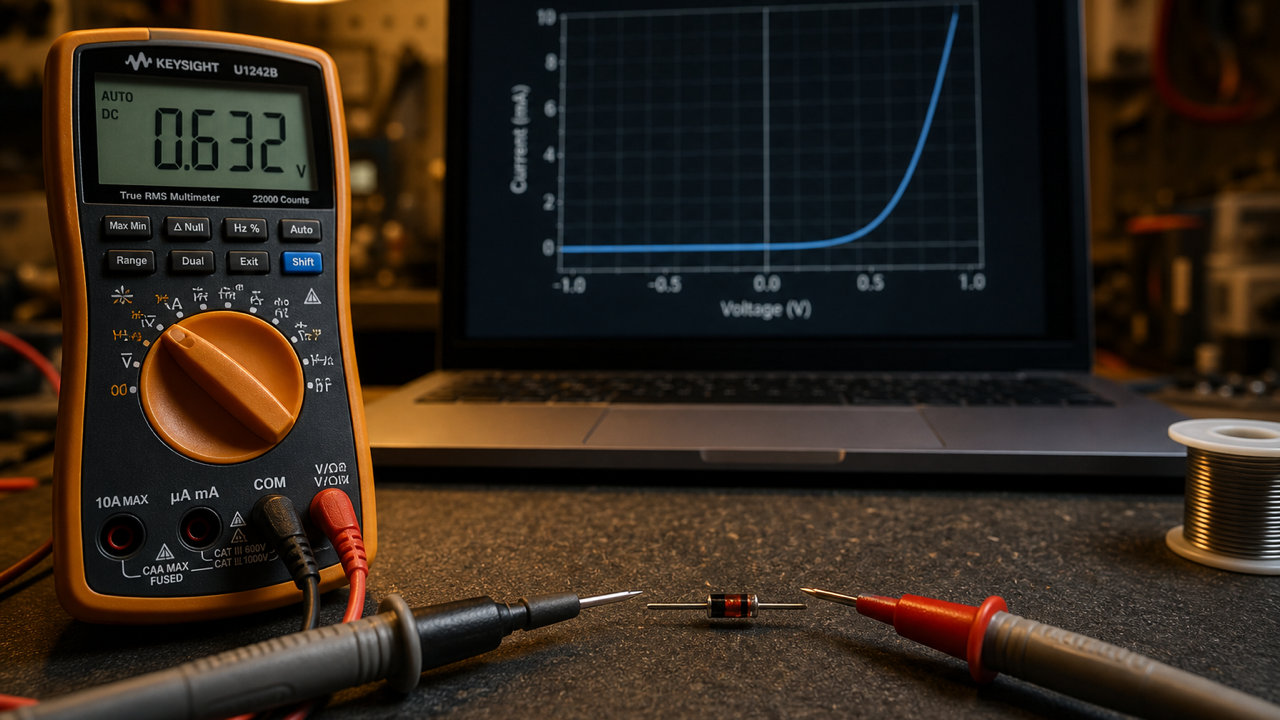
A detailed technical walkthrough on measuring voltage-current characteristics for semiconductors using a source measure unit instead of an oscilloscope. The method uses pulsed power delivery and mineral oil immersion to minimize thermal drift, with SCPI-over-Ethernet for automated computer-controlled data collection spanning microamps to 2-plus amperes. The results expose real non-exponential diode behavior that textbook exponential models quietly paper over.

 HN Briefing AM