Relevance 9/10Importance 9/10
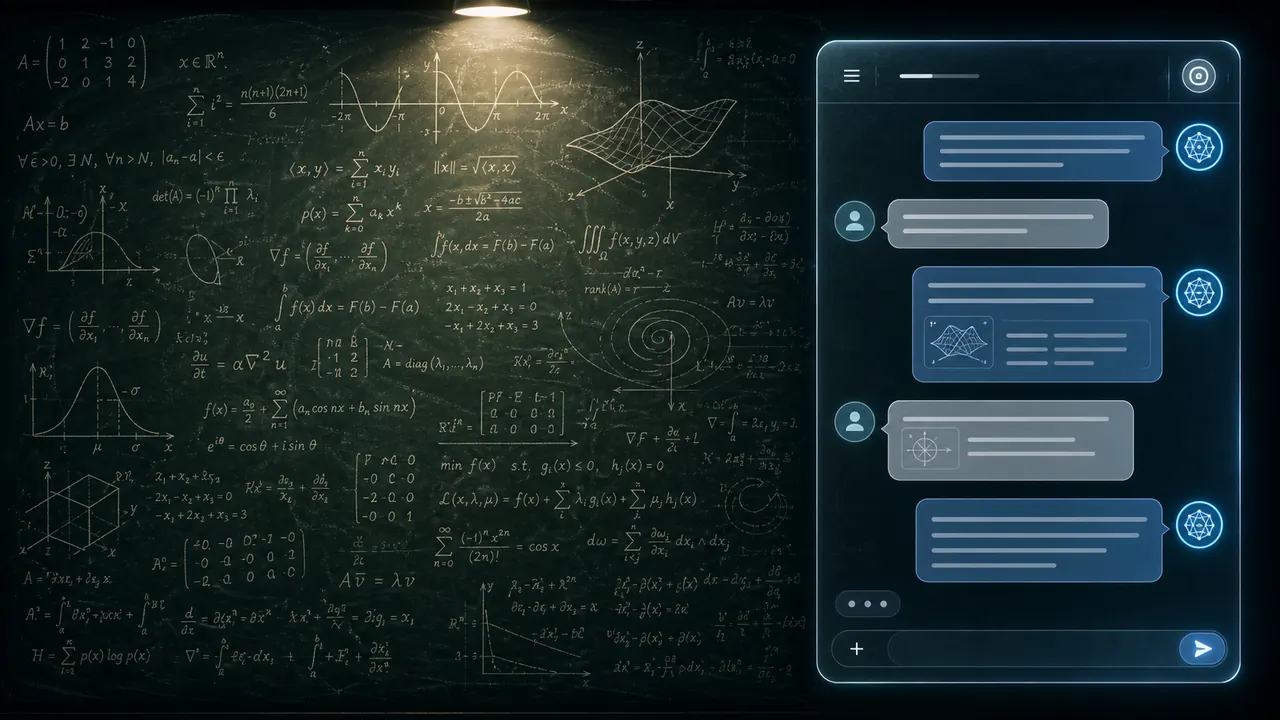
Fields Medal winner Terence Tao shared a conversation with an AI about a claimed counterexample to the Jacobian Conjecture — a major unsolved problem in algebraic geometry that's stumped mathematicians for decades. The post racked up over 1,000 points and 585 comments on HN, making it the week's dominant story. Whether the counterexample holds up to full scrutiny is still being debated, but AI's role in surfacing it is the real signal here.
Relevance 9/10Importance 9/10
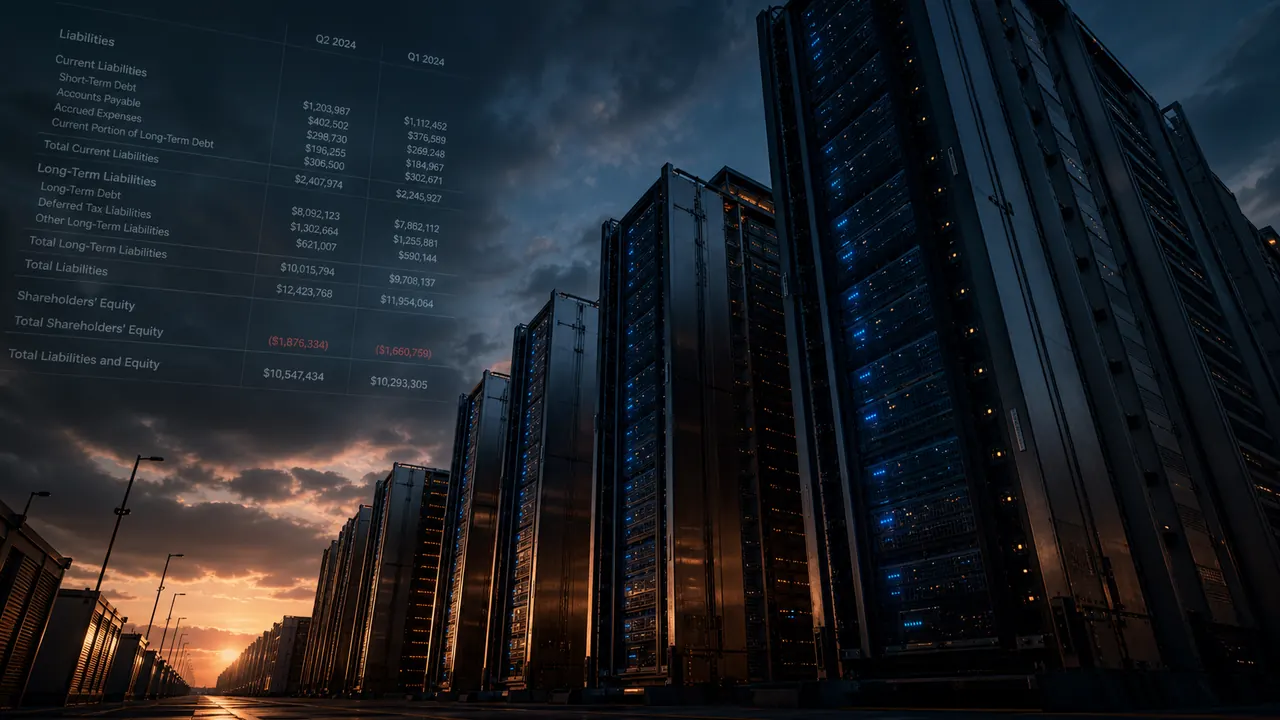
A Nikkei Asia investigation found that Alphabet, Microsoft, Amazon, Meta, and Oracle are carrying roughly $1.65 trillion in off-balance-sheet debt — more than their officially reported $1.35 trillion — using special purpose vehicles and legally distinct subsidiaries to fund AI data center buildout. Meta alone accounts for approximately $420 billion. Accounting experts are drawing explicit parallels to Enron.
Relevance 7/10Importance 6/10
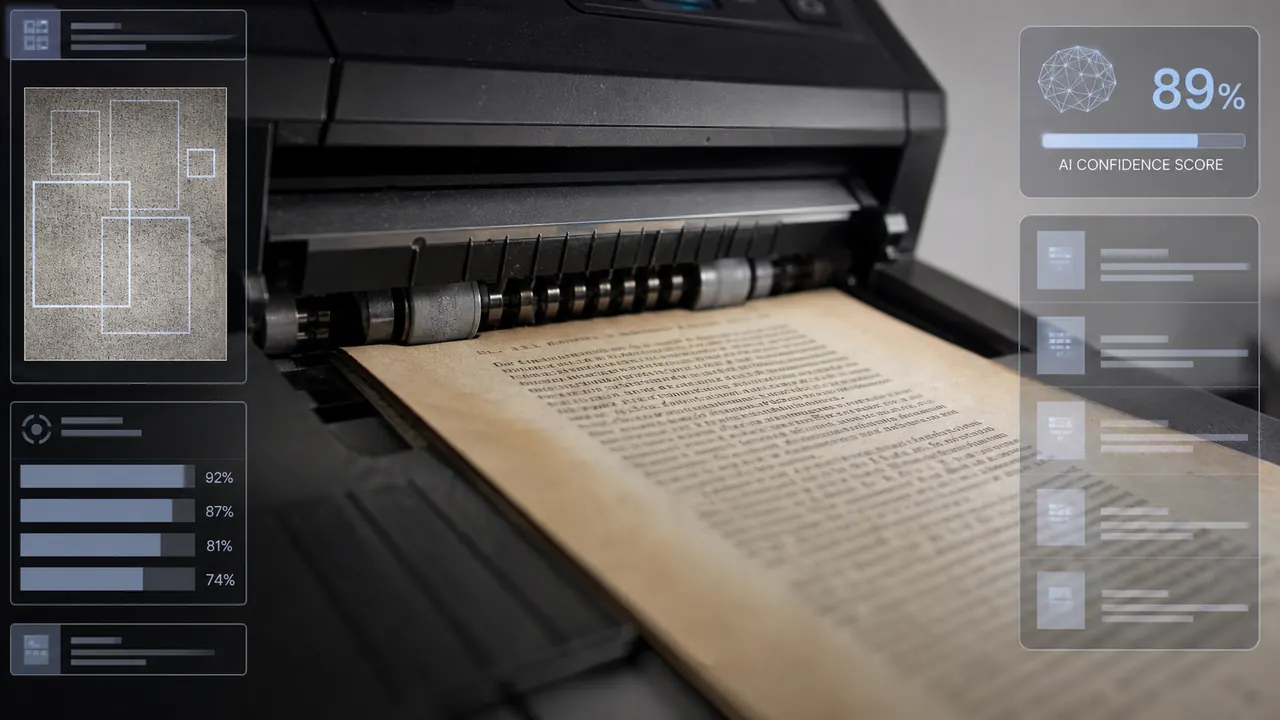
A researcher who runs a romance book community put the AI detection tool Pangram through a rigorous real-world test: she bought 45 out-of-print books, physically scanned them, ran OCR via Mistral, and analyzed 2.88 million words. Pangram correctly flagged Mistral's OCR hallucinations but not the genuine human text — suggesting it actually detects AI patterns rather than memorized training data. It's one of the more methodologically honest AI-detector evaluations you'll see.
Relevance 6/10Importance 5/10
Historian Benjamin Breen argues we're in an unrecognized golden age of non-fiction, and he built a searchable database of 6,500+ prize finalists and winners to prove discoverability doesn't have to mean algorithm-driven mediocrity. His core claim: prize-vetted books are structurally original in ways AI-generated content cannot replicate, because the filtering mechanisms (deep research travel, expanded library access, prize ecosystems) reward genuine novelty. It's a thoughtful counterpoint to the AI content flood.
Relevance 5/10Importance 6/10
Ben Werdmuller makes the startup-ecosystem case against employer-tied health insurance: West Health-Gallup data shows roughly 25% of workers stay in unwanted jobs for coverage, rising to 41% among those with chronic conditions. That's a massive drag on the founder pipeline. The argument isn't ideological — even the Cato Institute acknowledges the structural distortions — it's that employment lock directly suppresses the risk-taking that creates new companies.
Relevance 5/10Importance 4/10
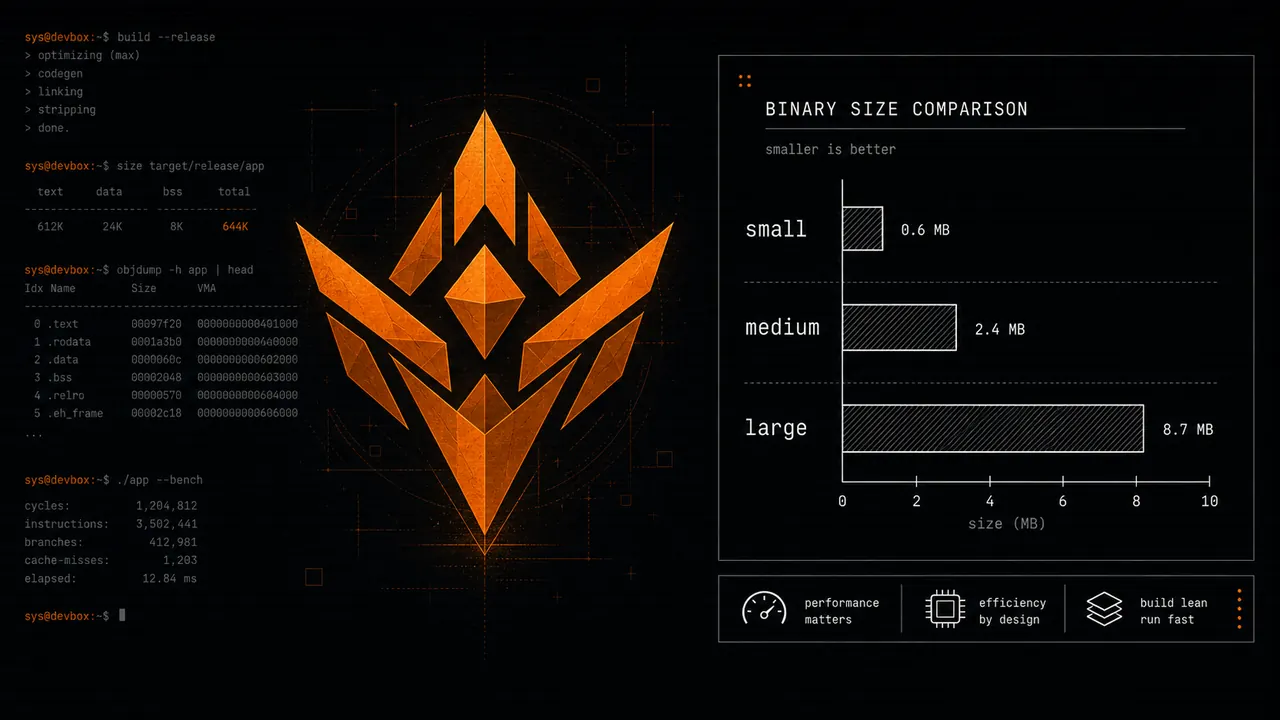
Cruller is a production-only fork of Bun's Zig runtime that strips out the bundler, transpiler, package manager, and test runner, keeping only JavaScriptCore execution, HTTP/1-3, WebSockets, fetch, and static file serving. The result is a 73 MB binary versus Bun's 88.5 MB — about 18% smaller. The Zig 0.16 migration took 4 to 6 hours and required API shim work to separate from Bun's patched build system.
Relevance 2/10Importance 7/10
Using the VLT's CRIRES+ instrument and radial velocity measurements — the same technique that discovered the first exoplanet — ESO researchers detected a Jupiter-mass object orbiting a brown dwarf in the CD-35 2722 system. If confirmed, it would be the first moon ever observed outside our solar system. The definitional twist: the object is planet-mass but orbits a brown dwarf, not a star, raising interesting questions about what we even mean by "moon."
Relevance 3/10Importance 4/10
A tutorial series walks through building a complete 3D software renderer from scratch — no OpenGL, no Vulkan — in roughly 500 lines of C++ over 10 to 20 hours. It covers Bresenham line drawing, triangle rasterization, z-buffers, shading, texturing, shadow mapping, ambient occlusion, and toon shading, outputting TGA images with no GUI. The philosophy: understanding this stuff at the wire level is prerequisite to writing efficient real graphics API code.
Relevance 3/10Importance 4/10
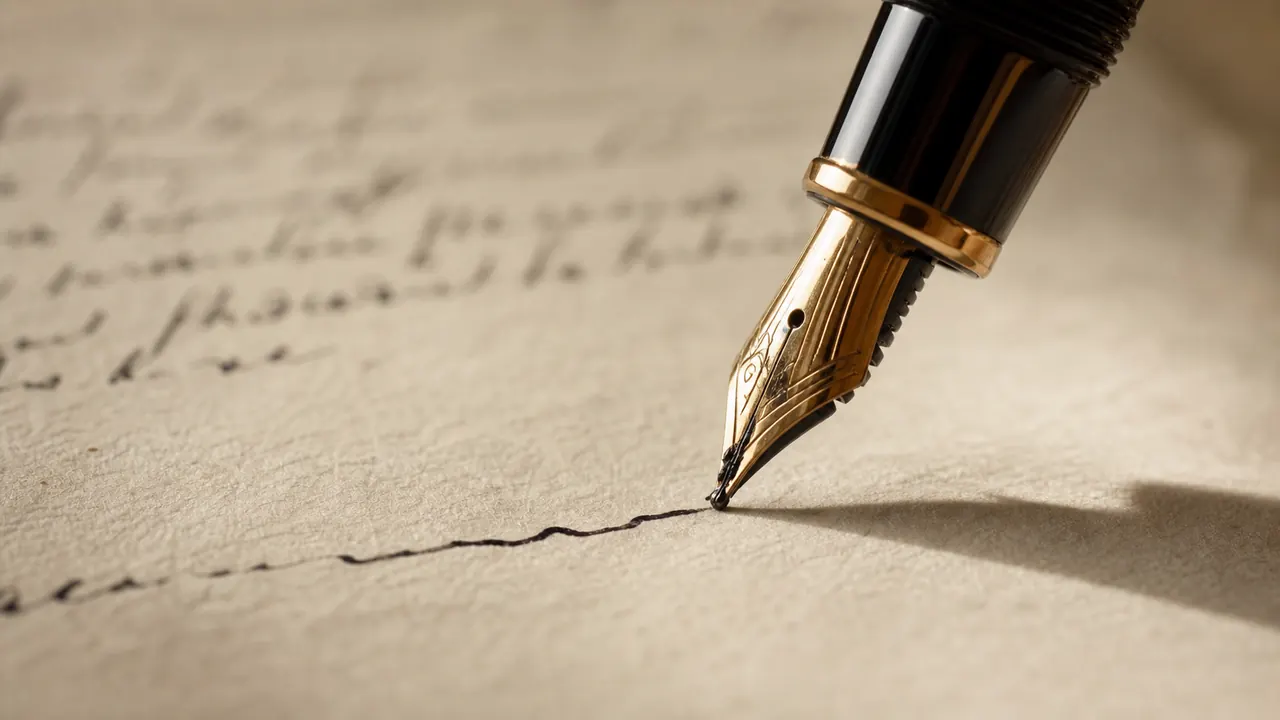
Neal Stephenson makes the cognitive case for handwriting, arguing that the simultaneous demands of letter formation, abstract thought, and motor coordination recruit substantially more neural activity than typing. He draws on 25 years of fountain pen use and thousands of manuscript pages, and cites research on handwriting's retention benefits. The piece reads as a quiet rebuke to the AI-assisted everything moment we're in.
Relevance 2/10Importance 3/10
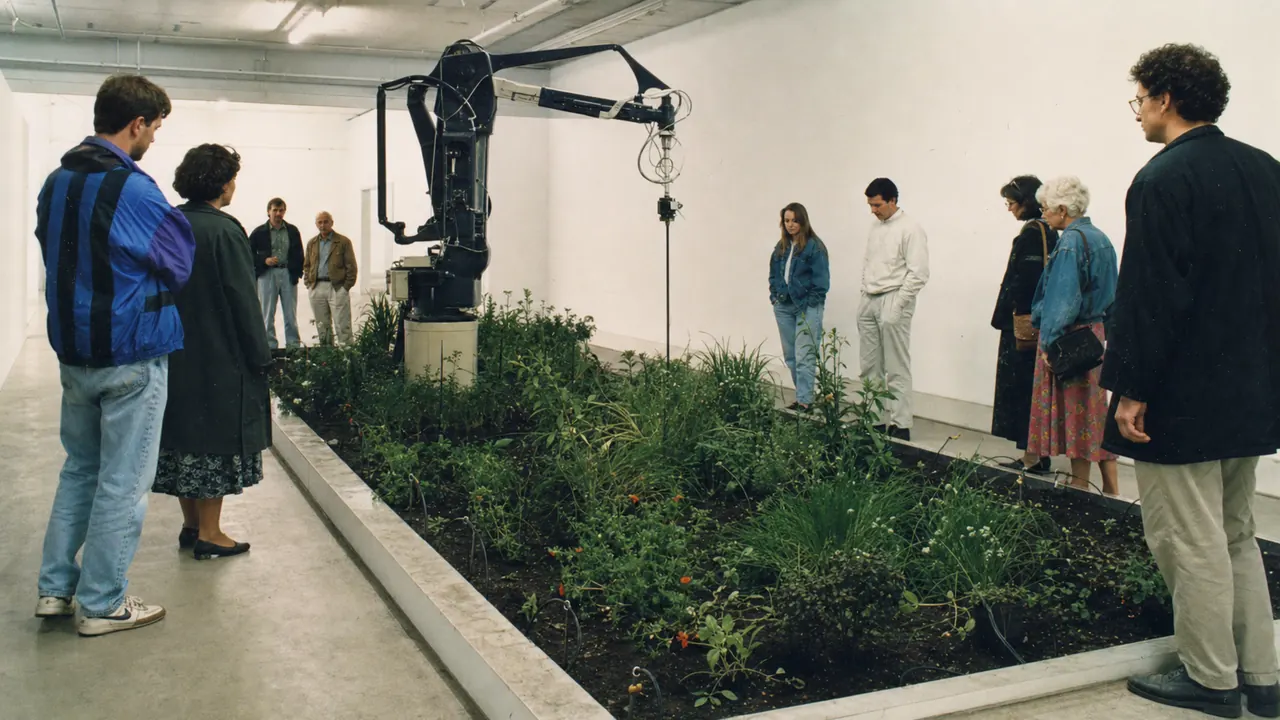
Ken Goldberg and Joseph Santarromana's 1995 internet art project let users worldwide control an industrial robot arm to plant seeds and water a real physical garden — nine thousand members in year one. It predated social media by a decade as a collaborative remote-presence experiment and ran for nine years across USC and the Ars Electronica Center in Austria. On a day when AI is making mathematical history, it's a good reminder of how wild the early internet's ambitions were.

 HN Briefing AM