Relevance 10/10Importance 8/10
DeepSeek's new DSpark is a draft-model approach to speculative decoding, shipped inside the open-source DeepSpec stack for training and evaluating draft models that let a small fast model propose tokens a big model then verifies. It's benchmarked across the full gauntlet — GSM8K, MATH500, AIME25, HumanEval, MBPP, LiveCodeBench, MT-Bench, Alpaca and Arena-Hard — putting the speedup story on solid, reproducible footing. With inference cost being the bottleneck for everyone shipping LLMs, a faster open recipe lands right in startup territory.
Relevance 9/10Importance 7/10
Security writer Morgan Hotonnier pushes back on the panic following Anthropic's Claude Mythos preview, which was hyped as opening the Pandora's box of fully automated zero-day hunting and exploitation. He argues the UK AI Security Institute's own evaluation paints a calmer picture: Mythos is a step up but progress has been gradual, with GPT-5.4 and Opus 4.6 not far behind, and the cyber-range benchmarks don't reflect mature enterprise environments with real SOC defenses. The takeaway: defenders should keep doing what they've done for years.
Relevance 8/10Importance 6/10
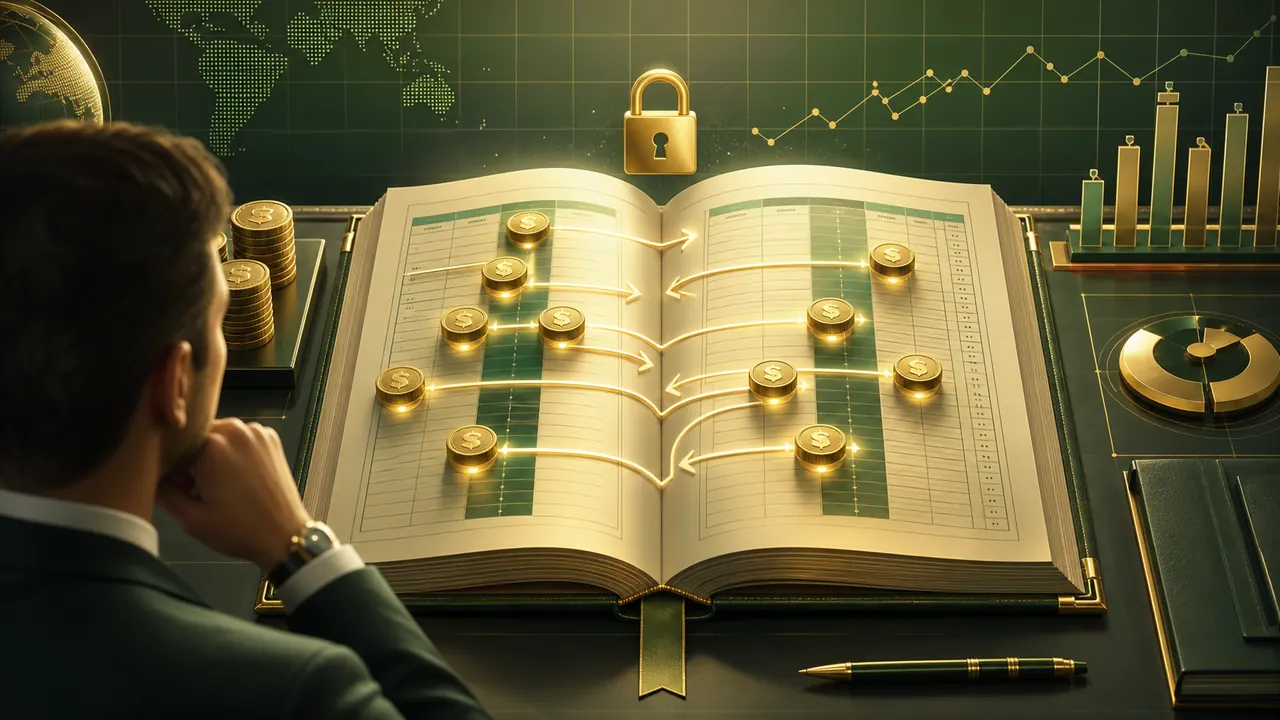
A comprehensive handbook of patterns for building systems where money is the product, aimed at new fintech hires, seasoned practitioners, and engineers crossing over from other fields. It's organized around three iron rules — no invented data, no lost data, no trust — enforced via idempotency, reconciliation, event sourcing, and audit trails. It closes with worked examples like crypto withdrawals, card deposits, and currency conversion.
Relevance 6/10Importance 7/10
Cory Doctorow chronicles Meta's pursuit of whistleblower Sarah Wynn-Williams, author of the bestselling memoir "Careless People," with the company seeking 111 million dollars in damages and using arbitration clauses to enforce her silence. He argues the escalating, almost absurd legal threats — including penalizing her for standing silently on a stage — are meant to terrorize other ex-employees into keeping quiet. The irony, of course, is the Streisand Effect working against Meta.
Relevance 4/10Importance 6/10
Dan Luu catalogs how hard thresholds and cutoffs across systems create perverse incentives and gameable behavior. Examples range from US tax and healthcare subsidy cliffs that punish earning slightly more, to p-values clustering at significance thresholds, vote counts spiking at round numbers, and youth-sports selection skewed by birth month. The thesis: wherever you see a suspicious cliff in the data, someone is probably gaming the cutoff.
Relevance 3/10Importance 6/10
A repo called "exploitarium," maintained by a handle named bikini, collects 30-plus folders of proof-of-concept exploits and writeups spanning Firefox, Docker, PHP, OpenVPN, LibSSH2, Ghidra and more. Despite the "anonymous 0-day drop" framing, the maintainer is consistent and openly invites others to report the bugs and claim the CVEs themselves, framing it as educational outreach to lure people into security. It explicitly warns against malicious use.
Relevance 2/10Importance 5/10
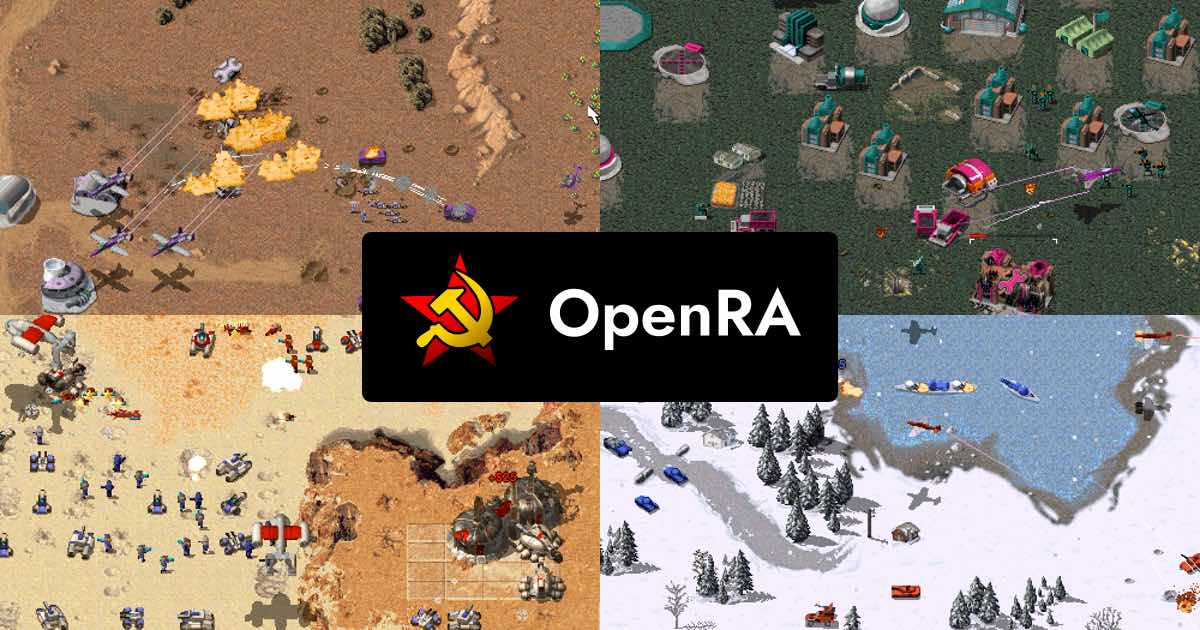
OpenRA is an open-source real-time strategy engine that modernizes Red Alert, Command & Conquer, and Dune 2000 with attack-move, unit veterancy, and fog of war. The latest playtest adds random map generators for all three games, Dune 2000 visual and balance updates, Tiberian Dawn HD progress, and a new Path Tiler map-editor tool. The whole thing is developed in the open with regular tournaments and streams.
Relevance 1/10Importance 4/10
The Economist reports that the BBC is switching off its oldest service, bringing the long wave radio era to a close. The aging transmitters and dwindling supply of the specialized valves that keep them running have made the technology uneconomical to maintain. It's the end of a broadcasting chapter that spans nearly a century.
Relevance 1/10Importance 3/10
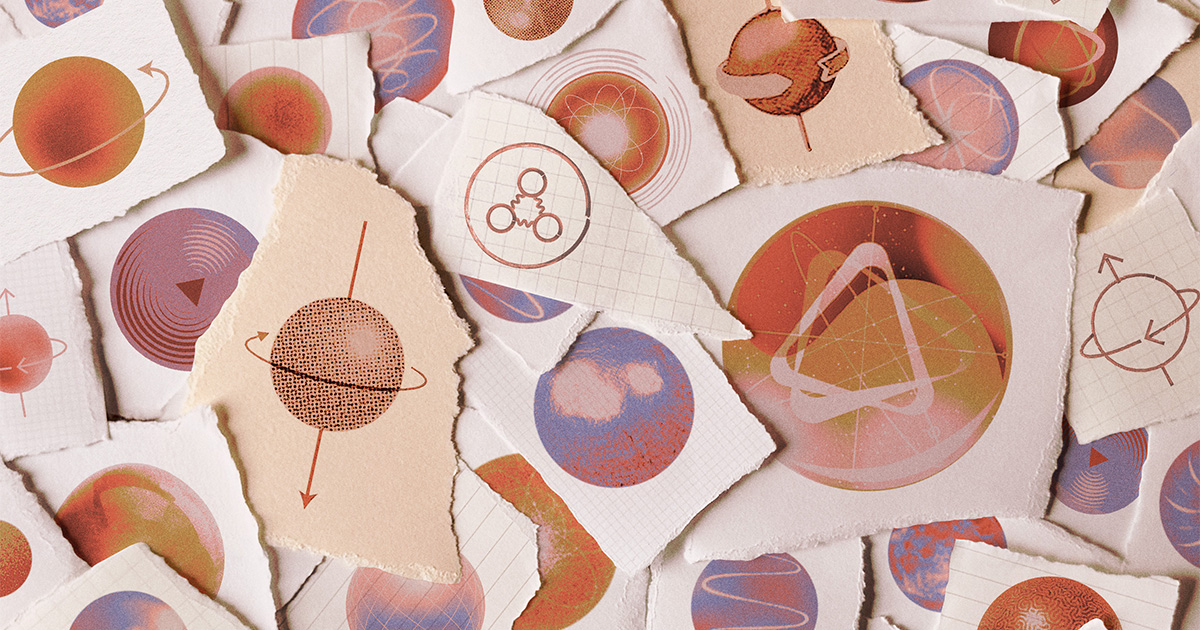
Quanta explores why the count of elementary particles depends entirely on how you count. The textbook answer is 17, but folding in antiparticles, color charges, chirality, and polarization states pushes it to 118. Stranger still, a 2011 theorem says the Standard Model carries 995.5 degrees of freedom — a non-integer that falls out of quantum field theory itself.
Relevance 1/10Importance 2/10
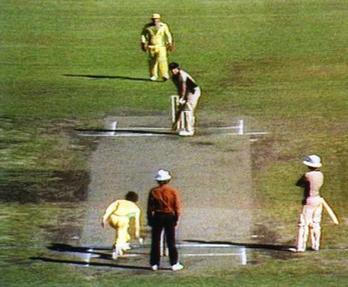
On February 1, 1981, Australian captain Greg Chappell told his brother Trevor to bowl the final ball of a One Day International underarm against New Zealand, making it physically impossible to hit the six needed to tie. Legal at the time but widely condemned as unsportsmanlike, it pushed the cricket authorities to ban underarm bowling as outside the spirit of the game.

 HN Briefing AM