Relevance 7/10Importance 9/10
The UK government is examining whether age-verification requirements under the Online Safety Act should extend to VPNs, after a spike in VPN usage followed the rollout of age checks on adult and social-media sites. In January 2026 the House of Lords voted 207-159 to bar VPN use for under-18s, and privacy advocates have slammed the broader proposal as a "draconian crackdown." For any startup touching identity, age verification, or privacy tooling, this is a regulatory earthquake worth watching.
Relevance 9/10Importance 6/10
Microcrad is a C port of Andrej Karpathy's micrograd: a tiny scalar-valued automatic differentiation engine with a small neural-network library built on top. It builds a computation graph where each operation records its dependencies, then backpropagates via the chain rule, using reference counting for memory management. It's an educational gem for anyone who wants to understand autograd from first principles without a tensor framework in the way.
Relevance 7/10Importance 7/10
A declaration calling for decentralized, European-controlled social media built on open protocols — ActivityPub, the AT Protocol, and Matrix/XMPP for messaging. The initiative unites organizations and developers aiming to move away from large monopolistic platforms, strengthen digital sovereignty, and keep revenue inside Europe's tech ecosystem. It's a meaningful signal for the fediverse and the broader open-protocol startup scene.
Relevance 5/10Importance 6/10
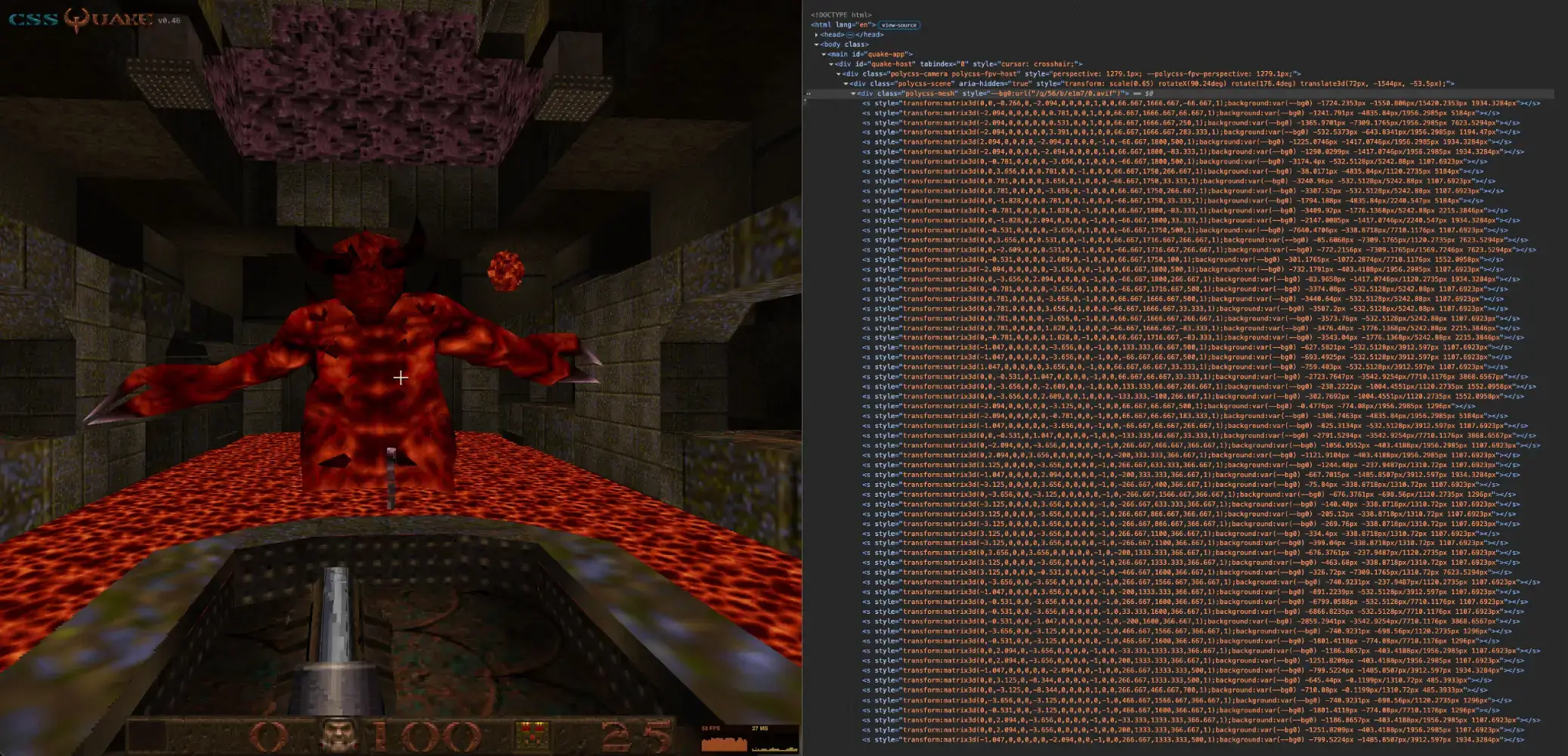
CSSQuake is a CSS-based recreation of the classic Quake first-person shooter, built by LayoutitStudio and powered by an engine called PolyCSS. It reproduces core gameplay — movement, combat, and even multiplayer — almost entirely with web technologies, plus standard FPS controls and a debug panel. It's the kind of gloriously over-engineered browser hack HN loves to dissect.
Relevance 5/10Importance 6/10
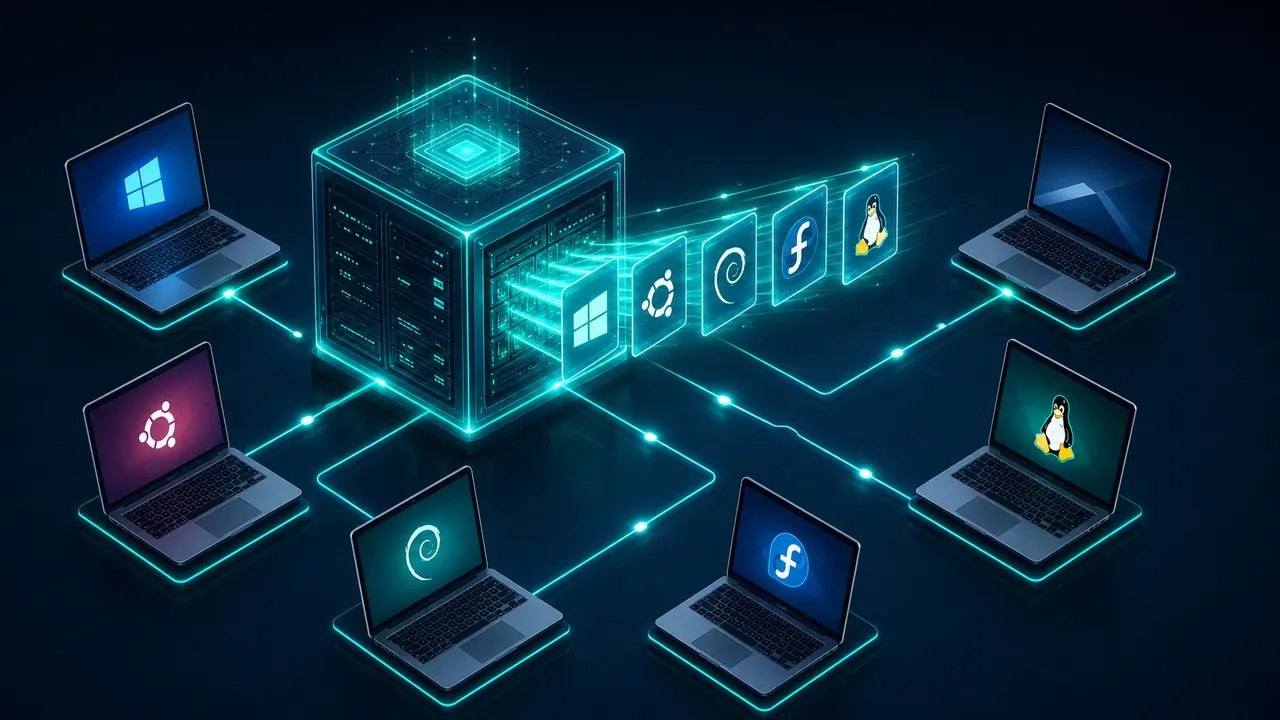
Bootimus is a modern PXE and HTTP network-boot server written in Go, shipping as a single self-contained binary with built-in proxyDHCP so you can drop it onto any network without touching the router. It auto-detects and extracts kernels and initrds from 50-plus Linux distributions and other operating systems, then chainloads clients from iPXE to HTTP. For homelab and infra folks, it collapses a notoriously fiddly setup into one tool.
Relevance 3/10Importance 6/10
This essay digs into how screens display a far narrower color range than the human eye can perceive, constrained by the sRGB gamut — a standard born from CRT monitors. It explains that certain vivid cyans and greens found in forests, water, birds, and bioluminescent organisms simply can't be reproduced on a display. The takeaway: to see those colors you have to go outside, not stare at a photo.
Relevance 4/10Importance 6/10
SMPTE is opening its entire standards catalog — published standards, recommended practices, engineering guidelines, and related documents — free to the global media-technology community. President Rich Welsh framed it around interoperability being essential to the future of media, with the move backed by major corporate members. Lowering the paywall on these specs could accelerate adoption and tooling across video and media tech.
Relevance 4/10Importance 5/10
Ember is a native Hacker News reader for iOS built in SwiftUI with zero third-party dependencies, designed around accessibility from the ground up. It offers full VoiceOver support, dynamic type scaling, color-blind-friendly indicators that never rely on color alone, natively rendered threaded comments, and proper dark mode. It's a clean example of inclusive design done as a default, not an afterthought.
Relevance 2/10Importance 5/10
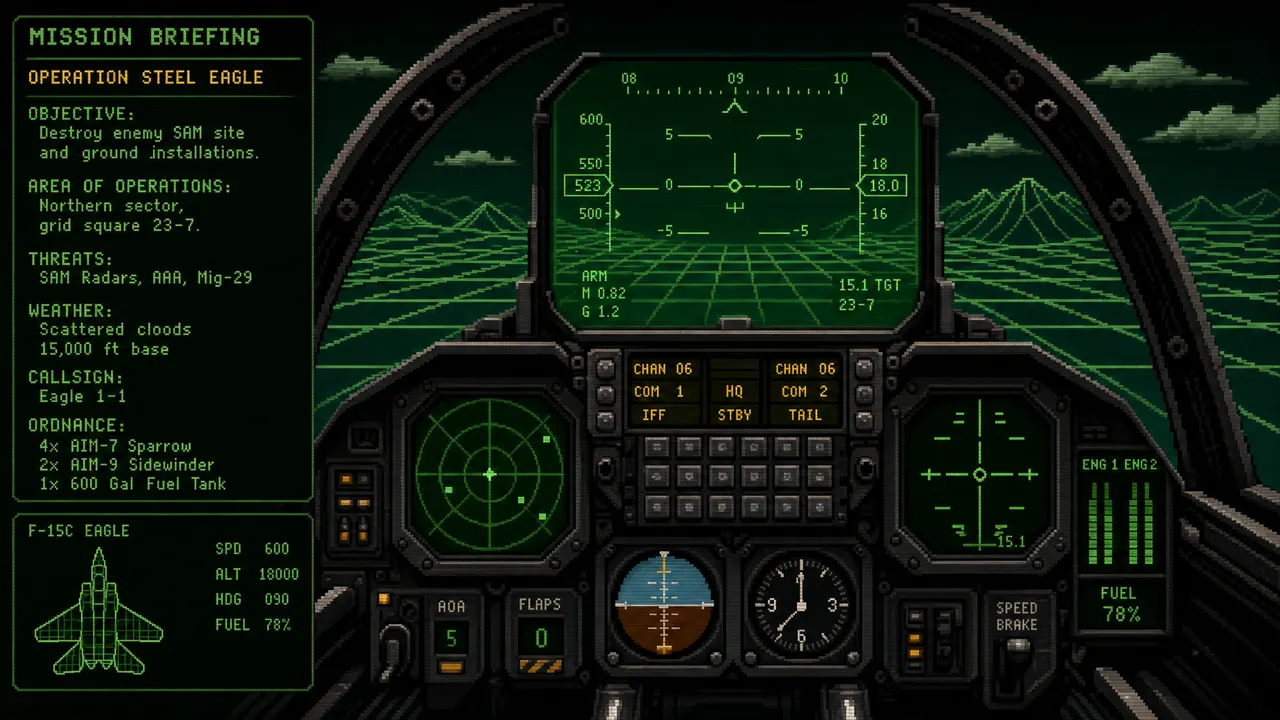
A reverse-engineering effort to reconstruct the C source code of the 1989 classic F-15 Strike Eagle II from its original binaries has hit v0.9.1 and is now ready for testers. The maintainer is recruiting "test pilots" to fly the rebuilt executables and report crashes, graphical glitches, and control issues — making sure every quirk matches the original. It's a love letter to careful binary archaeology.
Relevance 2/10Importance 4/10
This piece chronicles the history of web browsers built for personal digital assistants from the 1990s through the 2000s, across EPOC, Apple Newton, Palm OS, Windows Mobile, Symbian, and Zaurus. It traces the arc from limited proxy-based browsers to surprisingly capable full-web ones — right up until the smartphone made the whole PDA category obsolete. A nostalgic deep dive into mobile web before "mobile web" meant what it does now.

 HN Briefing AM