Relevance 9/10Importance 7/10
A long-running GitHub issue is pushing OpenAI's Codex agent to add a .codexignore mechanism so secrets like .env, .pem, and .ssh directories never get read or shipped off to the model. The ask is for deterministic, shareable config at both repo and global levels, so teams aren't relying on each developer to remember. It's a small feature with outsized stakes as AI coding agents get deeper filesystem access.
Relevance 7/10Importance 8/10
Flock Safety's AI surveillance cameras now sit at over 100,000 locations and go well past plate-reading, letting users find people and vehicles via natural-language search. Reporting documents security holes, police misuse for stalking, and AI errors that have wrongly flagged innocent people, yet cities keep signing on thanks to aggressive law-enforcement marketing and sticky contracts. It's a stark case study in AI surveillance scaling faster than oversight.
Relevance 4/10Importance 8/10
Privacy advocate Patrick Breyer warns of a two-front push in Brussels: an attempt to revive the rejected Chat Control 1.0, alongside trilogue talks on Chat Control 2.0 that could mandate scanning of private messages and age verification that kills anonymous communication. Civil society has relaunched fightchatcontrol.eu to rally citizens against it. The outcome would reshape encryption and privacy obligations for every platform operating in Europe.
Relevance 3/10Importance 5/10
Open Energy Transition and ENTSO-E have released Open-TYNDP, an open-source energy-system planning workflow built on PyPSA-Eur. The goal is transparent, reproducible modeling for Europe's grid, replicating key 2024 TYNDP results while encouraging wider adoption of open energy tools. It's a notable move toward auditable infrastructure planning instead of black-box models.
Relevance 3/10Importance 5/10
Michigan's proposed Workplace Employee Boundaries Act would stop employers from requiring staff to read or respond to work messages outside scheduled hours, barring emergencies or paid on-call arrangements. Violations could trigger fines and overtime pay, with enforcement through the state labor department. It's part of a growing "right to disconnect" wave that hits always-on tech and startup culture directly.
Relevance 3/10Importance 3/10
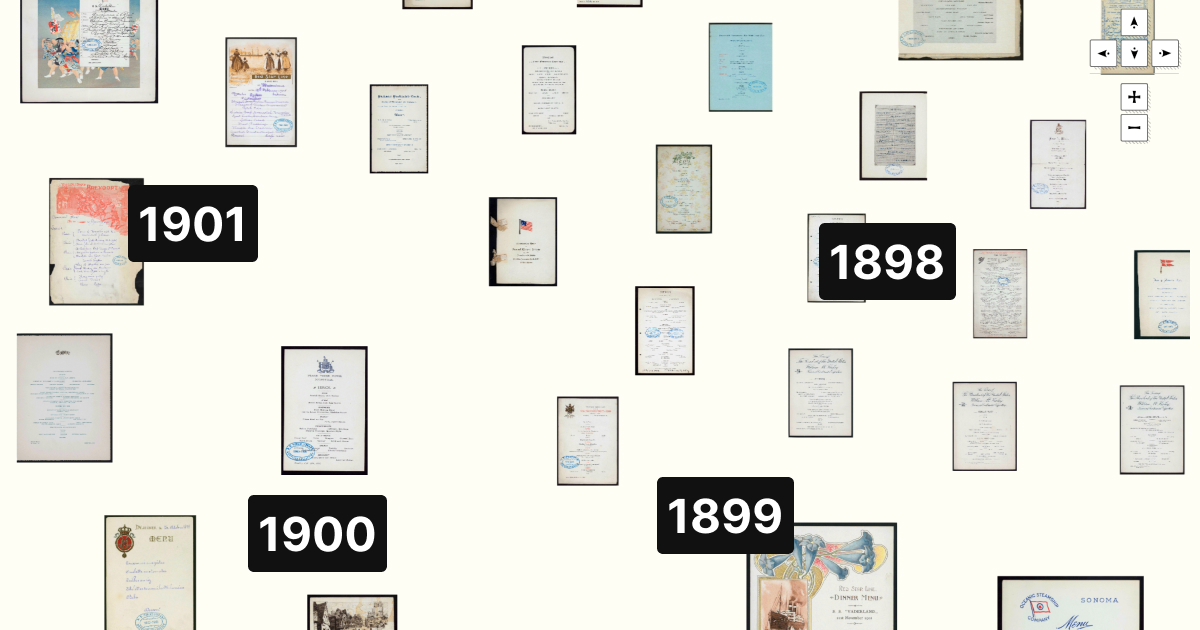
The Pudding has published an interactive archive of 5,000 restaurant menus spanning 1880 to 1920, browsable chronologically. It layers in AI-generated definitions for obscure historical dishes so you can decode what people actually ordered. A charming data-viz dive into dining culture, with a light AI assist under the hood.
Relevance 2/10Importance 3/10
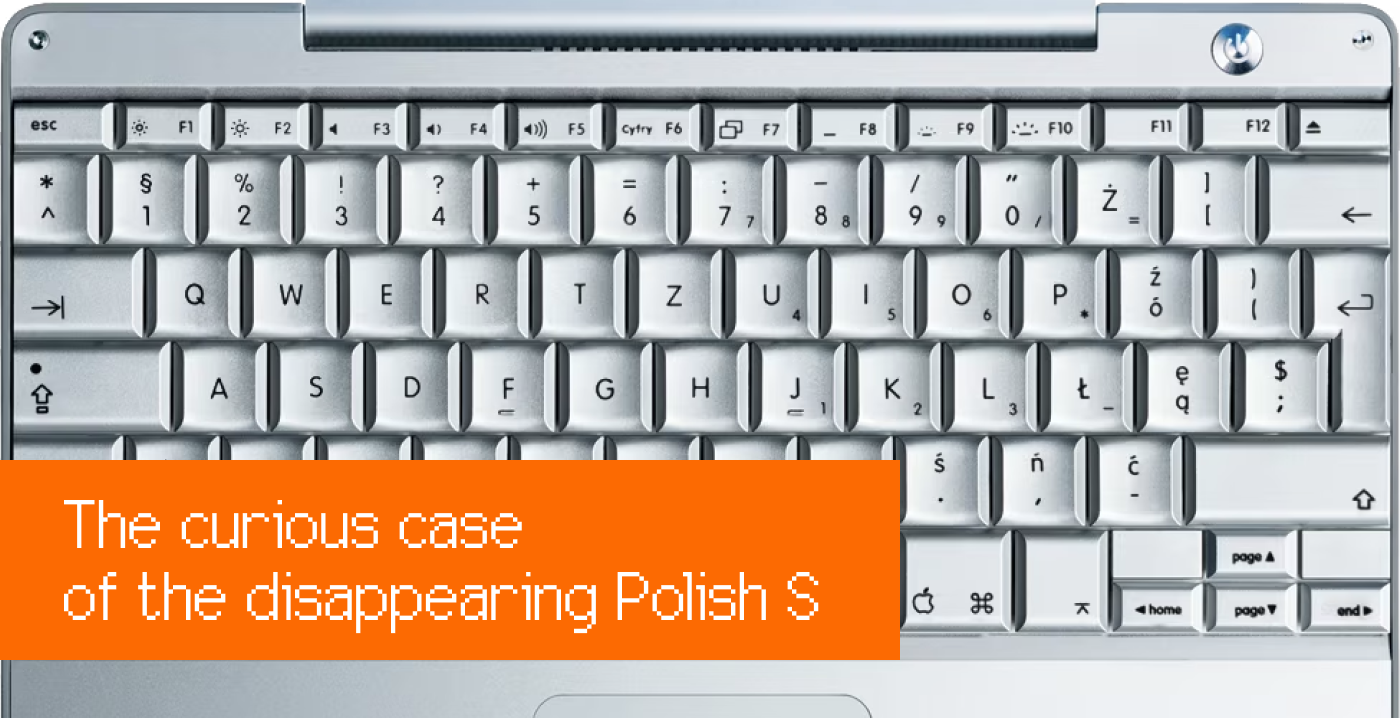
This deep-dive traces why Polish users couldn't type the letter "Ś" on Medium, untangling four converging causes. Poland's programmer keyboard uses Alt+S, Windows maps Right Alt to Ctrl+Alt, and Medium blocked Ctrl+S to suppress the browser save dialog — so the editor accidentally swallowed a real character. A classic reminder that localization bugs hide in layers nobody owns.
Relevance 2/10Importance 3/10
Raymond Chen investigates app crashes first blamed on shell32.dll and finds the real culprit is a rogue force-unload of combase.dll via direct memory operations rather than a proper unload. The same underlying bug accounts for 46% of crashes across different DLLs, exonerating the usual suspects. A tidy bit of forensic debugging from the Old New Thing.
Relevance 1/10Importance 2/10
Marfa Public Radio launched a podcast that reads deliberately boring operational documents aloud to lull listeners to sleep while doubling as a membership drive. Staff narrate things like FCC compliance guidelines and NPR ethics codes. It's a wonderfully deadpan fundraising gimmick that landed on HN's front page.
Relevance 1/10Importance 2/10
A developer's blog post riffs on Philip K. Dick to ask whether infants actually dream, walking through what's known about REM sleep in babies. The science is genuinely uncertain — newborns spend roughly half their sleep in REM, but whether they form dream-like imagery before they can imagine is still debated. A playful, reflective read rather than a hard result.

 HN Briefing AM