The Wall Street Journal reported OpenAI grew revenue just 18% sequentially to $6.7 billion in Q2, while its operating loss widened to $12.3 billion from $9.3 billion. Anthropic more than doubled revenue to $11.6 billion over the same stretch — passing OpenAI for the first time — and swung to a small operating profit. Neither is public yet, but the print rattled the AI complex and raised questions ahead of OpenAI's planned IPO.
The semiconductor index dropped 2.2% Wednesday even as bond yields retreated, with the PHLX index posting its steepest three-day slide since March. AMD fell roughly 4% to $487.89 and Intel slid 4% to $98.60, while Lam Research (-6.3%) and Teradyne (-6.1%) led the equipment wreckage. Analysts pointed to profit-taking, stretched valuations, and worries about the wave of debt issuance funding AI data centers.
ServiceNow jumped 6.5% to $127.20 on 22.4 million shares after highlighting that Now Assist crossed $1 billion in annualized contract value, with net new AI bookings accelerating more than 40% sequentially. Salesforce added 5.1% to $206.09, extending a one-month gain of 26.4% — the best in the large-cap software cohort. The rotation is clear: money is moving out of training-cluster hardware and into AI-agent revenue stories.
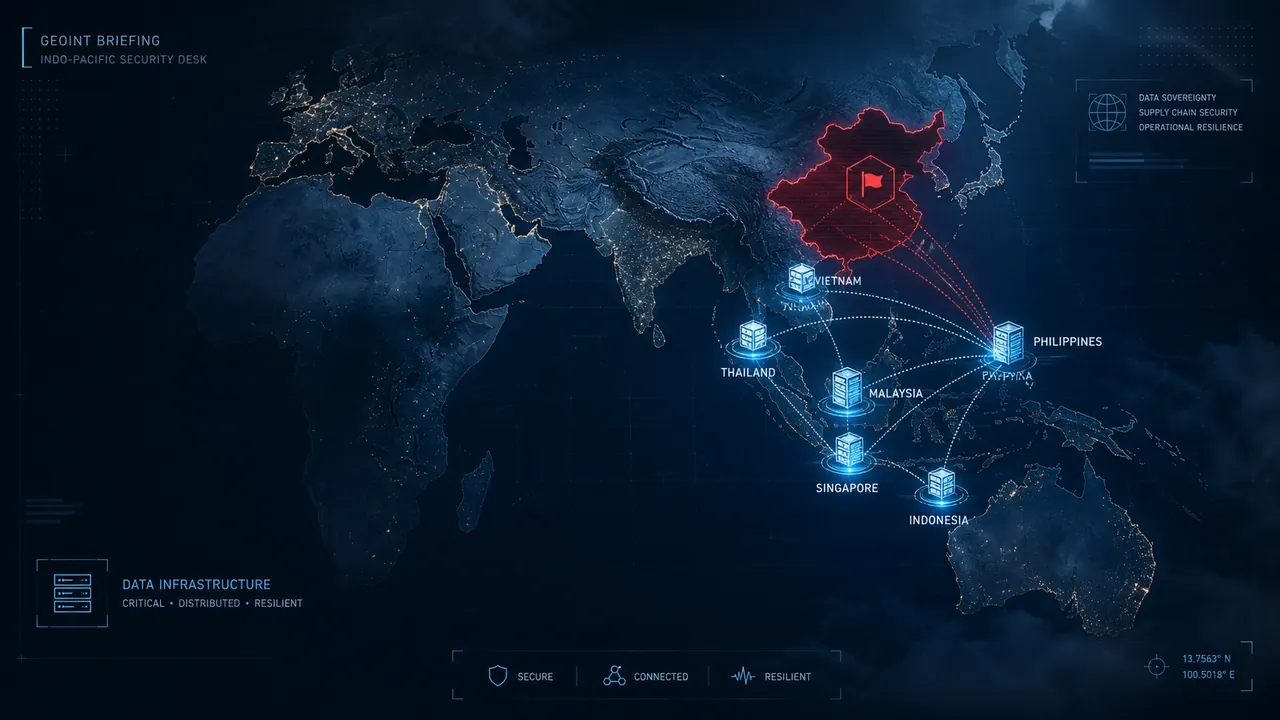
CNBC reported lawmakers are weighing authority to regulate remote cloud access to controlled US chips, after Chinese firms reportedly tapped restricted GB300 compute through Southeast Asian data centers. Separately, reports indicate Nvidia has cleared H200 exports to China, with ByteDance and Tencent each said to have received roughly 10,000 units. Nvidia was roughly flat to down 1% on the session ahead of its August 26 earnings.
Dell fell 6.6% to $437.55, its second straight decline, after filings showed roughly $1.56 billion in insider sales over a three-month window with zero matching purchases. Put volume and implied volatility spiked as institutions hedged into the August 28 earnings print. Margin pressure in the AI server business remains the core bear case.
Tesla closed at $351.12, up 4.2%, after Austin permit filings revealed a dedicated wireless charging hub being built for the Cybercab robotaxi fleet. The filings shifted the narrative from software promises to physical deployment ahead of an August 23 robotaxi event. Lower Treasury yields gave the whole high-beta complex a lift.
CrowdStrike dropped 6.3% Wednesday to around $199 despite a Truist price-target raise to $245, with Palo Alto Networks down 5% alongside it. Bloomberg then reported the company's chief technology officer is leaving to launch an AI-focused fund, pushing shares down another 2.8% pre-market Thursday. At roughly 175x forward earnings into an August 26 print, there's no cushion for a stumble.
Tempus AI surged as much as 24%, from a $49.36 close to an intraday $61.40, after Moderna and Merck posted positive Phase 3 INTerpath-001 results for a personalized mRNA cancer vaccine paired with Keytruda. The sequencing engine behind those personalized vaccines is Personalis — the company Tempus agreed to acquire in an all-stock deal announced July 20. Traders read the readout as instant validation of that roughly $1.5 billion bet.
ACM Research fell 8.0% to $77.59 despite Q2 revenue growth of 36% that topped estimates, as investors de-risked semi-cap exposure ahead of Nvidia's August 26 report. Morgan Stanley raised its target to $130 and Craig-Hallum went to $100. Consensus still sits near $115 with a Buy rating from eight covering analysts.
Cathie Wood's Ark Invest scooped up about 122,000 Nvidia shares worth roughly $27 million across five ETFs during the recent selloff, plus about $16.5 million of Broadcom. On the other side of the trade, Q2 13F filings showed Third Point fully exited Nvidia, Meta, KLA and Lam Research, and David Tepper's Appaloosa trimmed Nvidia by roughly 13%. Two very different reads on the same tape.

 AI Stocks