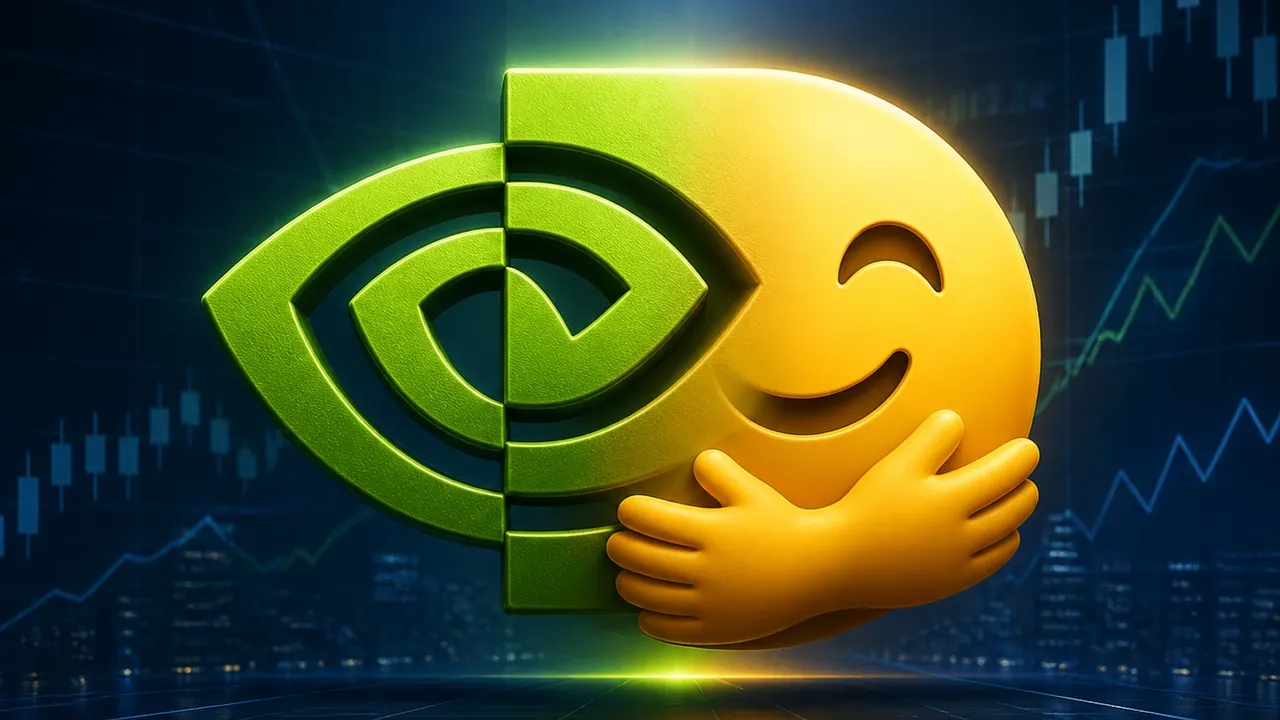
The Information broke it late Thursday and CNBC, TechCrunch, Fortune and Forbes all matched: Nvidia has agreed to acquire the open-source AI model hub Hugging Face for roughly $12.9 billion. If it closes, it's Nvidia's largest acquisition ever — nearly double the $6.9 billion Mellanox deal in 2020 — and pushes the chipmaker deep into the software and model-distribution layer. Neither side has confirmed, and reporting suggests a signed agreement wasn't in hand at publication.
US Central Command struck two Iranian rocket launchers on Larak Island near the Strait of Hormuz; the IRGC retaliated against US bases in Jordan and the UAE. Nasdaq 100 futures fell 98.25 points, or 0.33%, to 29,393.50 late Sunday, with S&P futures off 0.25% and Dow futures down 75 points. Brent punched back through $90, up roughly 1.7% to 2%, and WTI added 0.9% to $84.15 — an energy-cost headwind that lands squarely on power-hungry data-center names.
Fed Chair Kevin Warsh told Jackson Hole that with inflation still well above target, "the Fed's predominant focus right now should be on prices." Fed funds futures now put a quarter-point September hike at 60.4%, up from about 56% Friday. That's the single biggest multiple-compression risk to long-duration AI names — the Nasdaq shed 0.52% Friday to 26,402.42 while the S&P slipped 0.25% to 7,711.76, though the index still finished the week green.
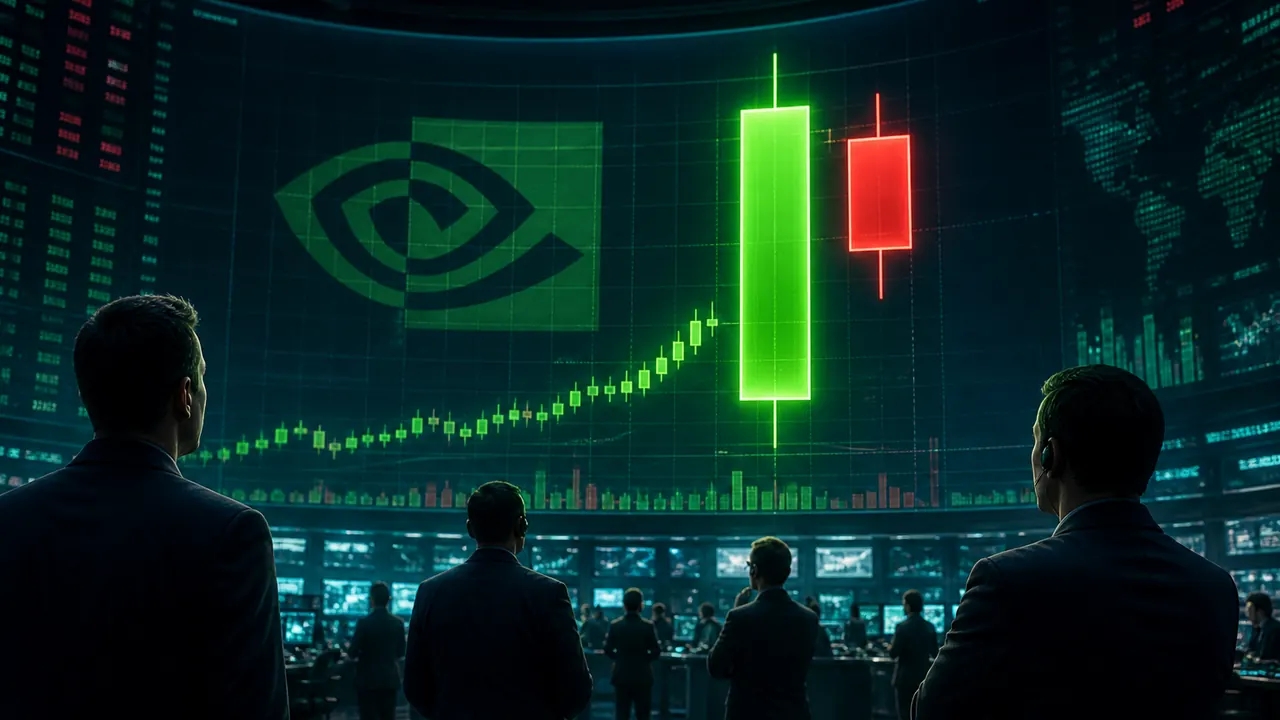
Nvidia's fiscal Q2 delivered $2.22 in adjusted EPS against a $2.09 consensus on $96.22 billion in revenue, a 4.82% top-line beat, plus a fiscal 2028 growth forecast near 70% versus the 44% LSEG consensus. Shares jumped 8.7% Thursday — the biggest one-day move since April 2025 and $442 billion in added market cap — then gave back more than 3% Friday. Broadcom added 4.5% on the sympathy move, with Intel up 4% and SK Hynix up 2%.
Marvell posted 37% year-over-year revenue growth to $2.7 billion, $39 million above its own May guidance, and lifted its fiscal 2028 outlook to roughly $18 billion — up from $16.5 billion, about 50% growth. The market wasn't impressed: shares opened down more than 8% and finished Friday off between 6% and 10.3% depending on the tape, as commentary on the Google custom-AI-chip win failed to clear an elevated bar.
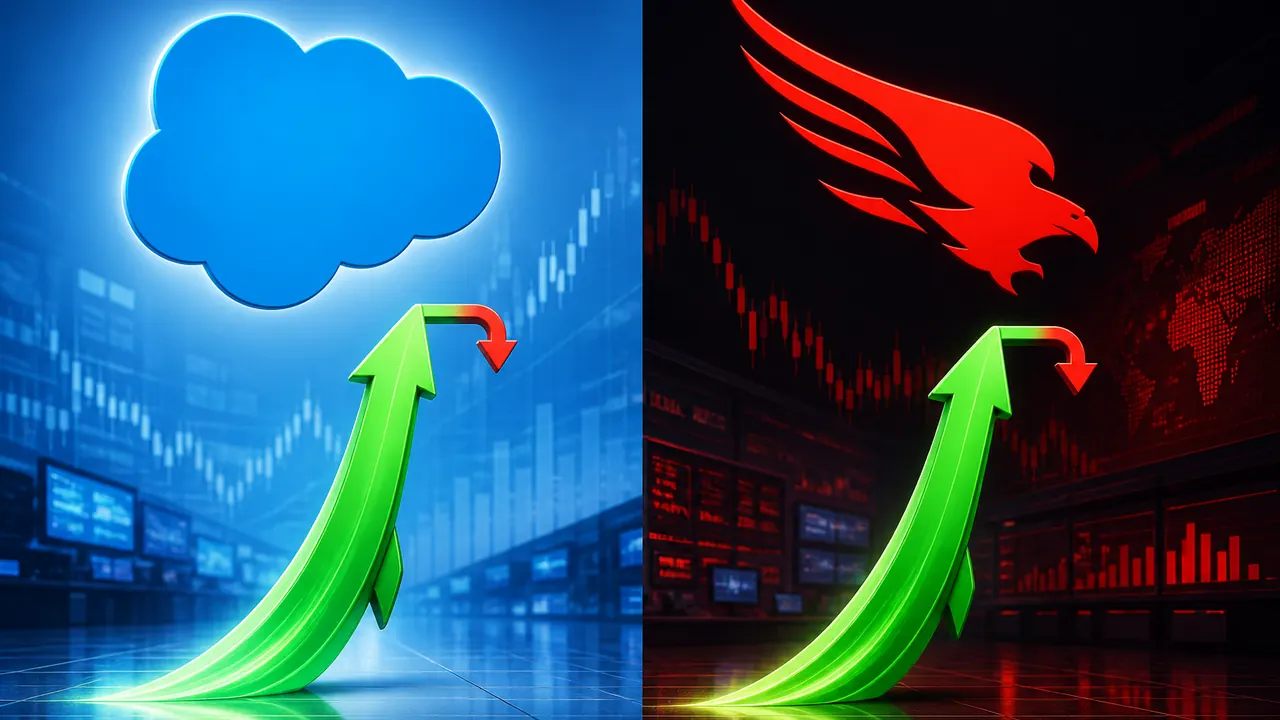
Salesforce rallied more than 22% Thursday on a Q2 revenue beat; CrowdStrike gained 20.5% after posting $1.47 billion in quarterly revenue, up 26% year over year against a $1.44 billion consensus, with adjusted EPS of $0.31 versus $0.29 expected, and raising its annual outlook on rising AI-driven threat volume. Both faded Friday — CrowdStrike opened down 4.72% as premium revenue and cash-flow multiples invited profit-taking.
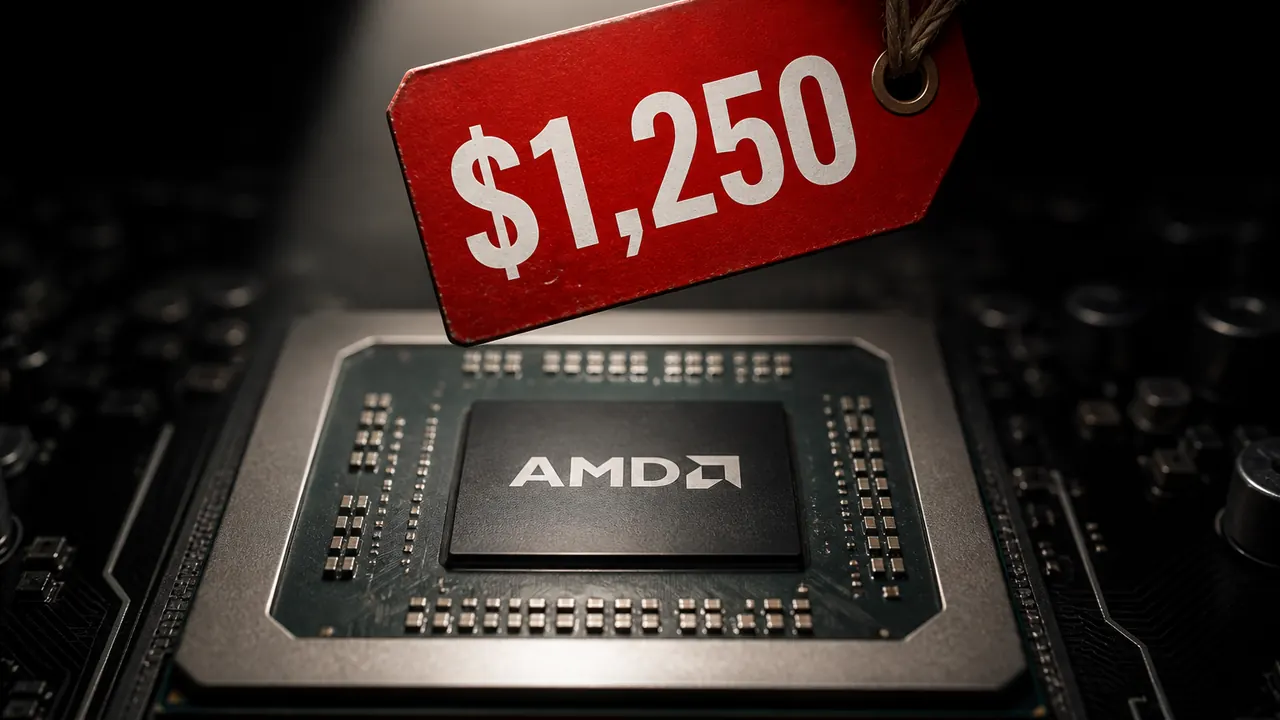
Baird's Tristan Gerra lifted his 12-month AMD target to $1,250 from $625 while keeping an Outperform rating. The move follows a quarter in which AMD's data-center segment supplied 58% of total revenue and more than doubled year over year. It's one of the more aggressive single-step target revisions on the Street this cycle.
Micron has reportedly sold every HBM chip it can produce in 2026, all of it under contract, with much of 2027 capacity already allocated. The stock traded near $966 in mid-August and is up roughly 240% year to date. Consensus is Strong Buy with a median 12-month target near $1,087, while the high end of the Street sits at $1,625 and $1,750.
Bank of America raised its ARM Holdings price target to $335 from $245, citing accelerating data-center CPU royalty revenue and ARM's expanding role as the default architecture for agentic AI inference workloads. ARM and Oracle led an AI rally mid-week before Friday's rate-driven fade. The call fits the broader H2 2026 rotation from training-cluster buildout toward inference capacity and agent monetization.
Jefferies' Brent Thill maintains a Sell rating on Palantir with an $80 price target, implying downside of as much as 54%. Investors are paying close to 67 times trailing twelve-month sales, and the historical record for price-to-sales ratios above 30 is not encouraging. It's the clearest bear case on a marquee AI software name heading into September.

 AI Stocks