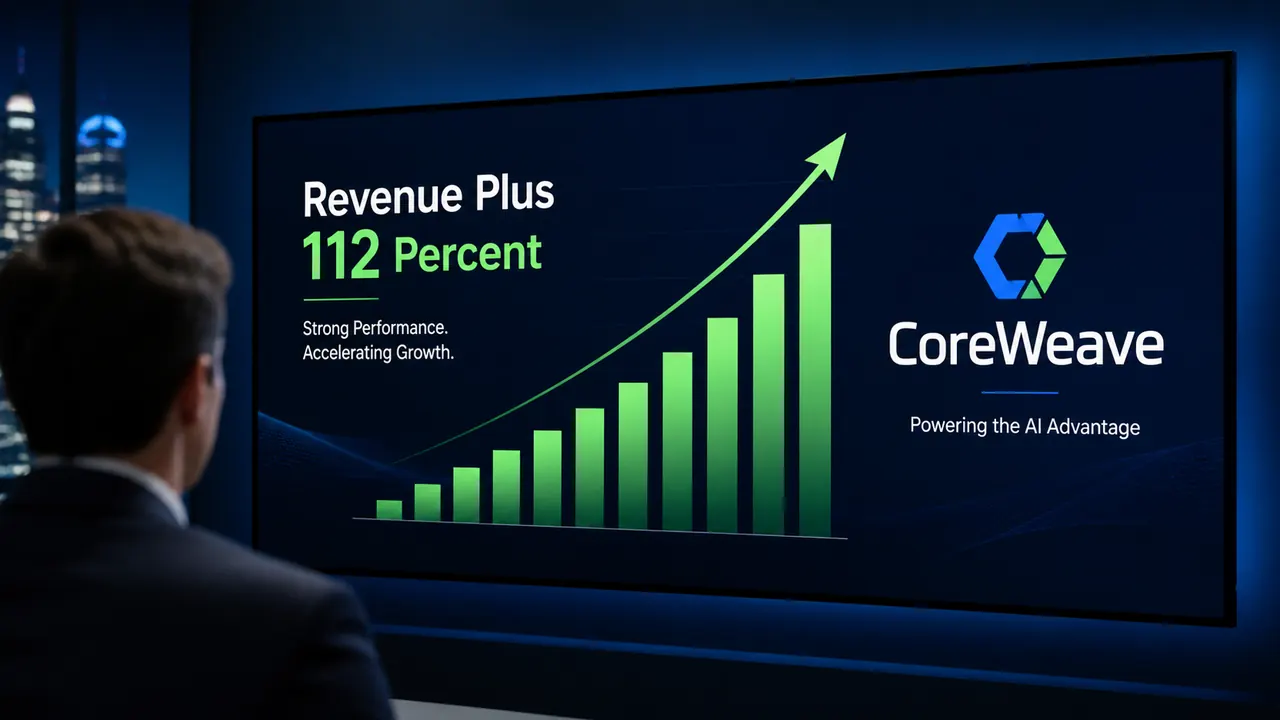
CoreWeave reported Q2 2026 revenue of $2.58 billion, up 112% year-over-year, narrowly beating the $2.56 billion estimate, while its revenue backlog surged 246% to $104 billion — with another $25 billion in Q3 commitments already earmarked. The company raised full-year 2026 revenue guidance to $12.4–$13.2 billion and shares surged roughly 20%+ following the August 11 report, with the clearest real-time signal yet that AI infrastructure spending is not decelerating.
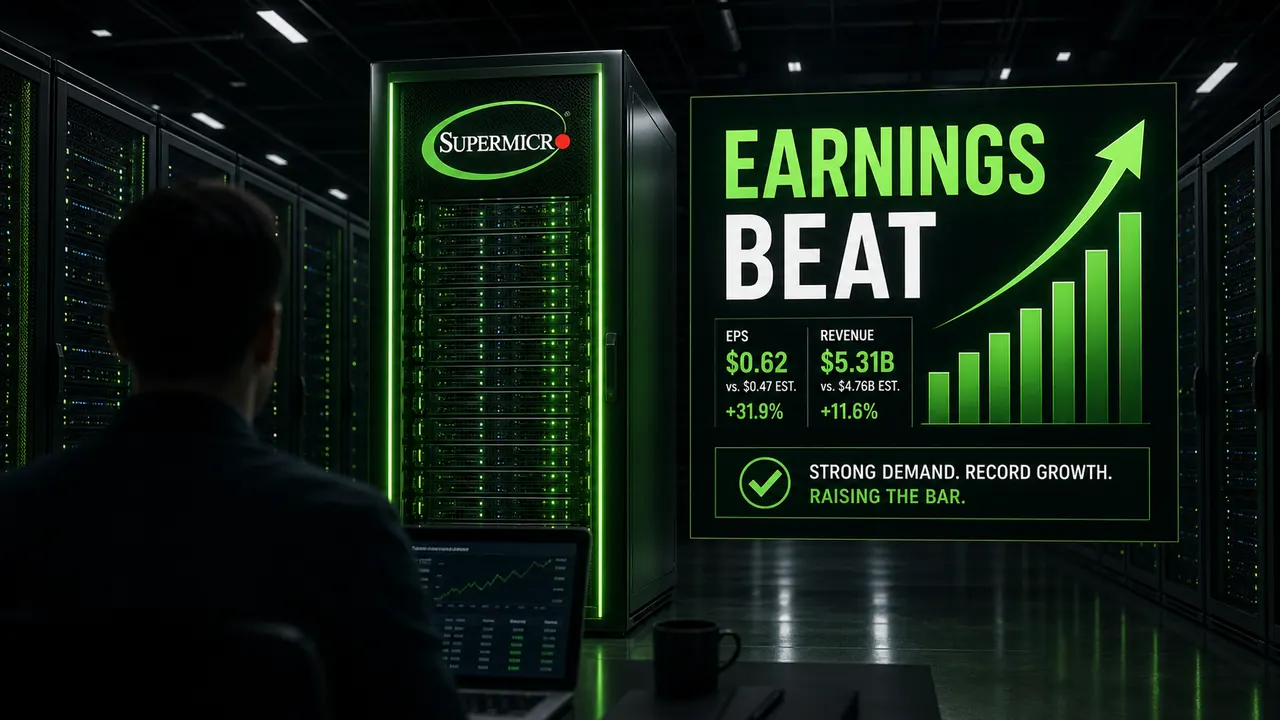
Super Micro posted Q4 FY2026 EPS of $1.70, versus the $0.88 consensus — a 93% beat — even as revenue of $11.1 billion came in slightly below the $11.55 billion forecast. The real story is FY2027 guidance of $65–$72 billion in net sales, roughly $13–$20 billion above what Wall Street modeled, with Q1 FY2027 guidance of $14.5–$15.5 billion also well ahead of the $11.7 billion estimate.
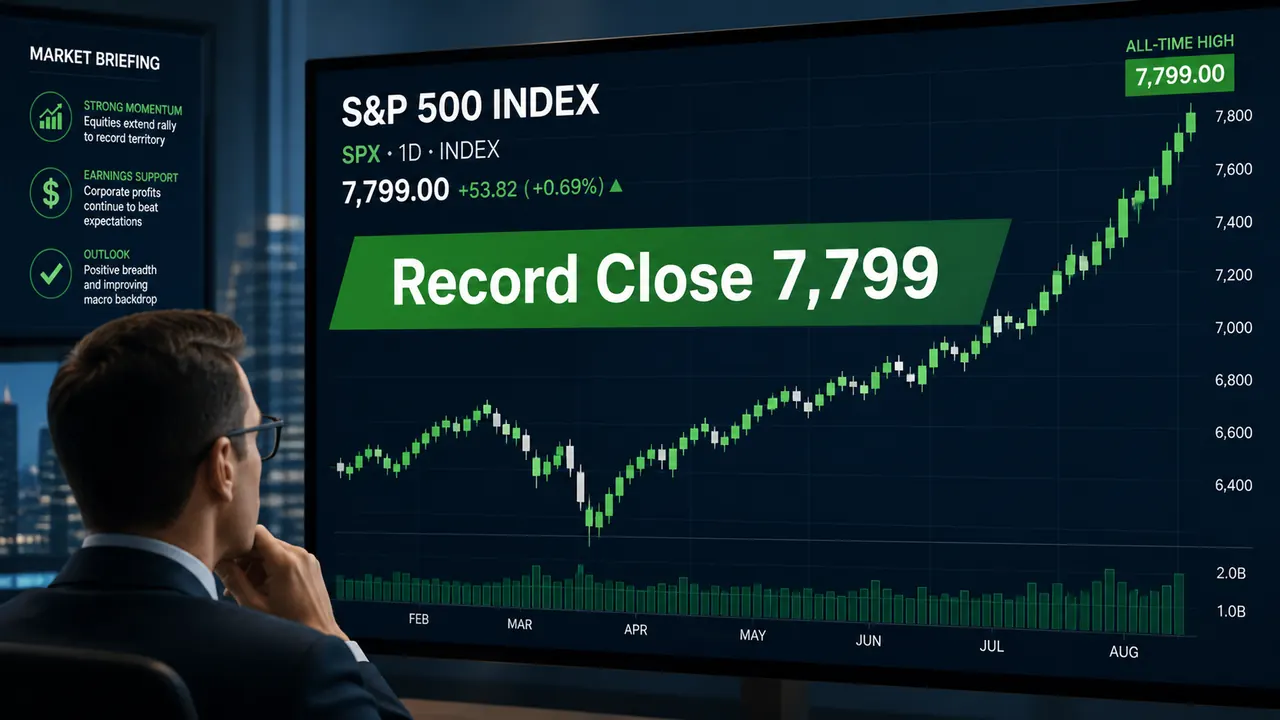
July CPI came in at +0.1% month-over-month and +3.4% year-over-year, with core CPI at a steady +2.5% annually — removing near-term rate-hike concerns and fueling a broad AI equity surge. The S&P 500 closed at a record 7,798.99 while enterprise AI software led: MongoDB surged 7.9% to a 52-week high near $447, monday.com jumped 9.7%, and Cloudflare added 6.2%.
Multiple Anthropic investors are reportedly targeting a $2 trillion valuation for an October IPO — which would surpass SpaceX to become the largest offering in history — based on projected revenues of $100–$120 billion by year-end. Fortune published a pointed piece this morning arguing Anthropic's underlying business is "nowhere near" the figure being floated, with analysts noting the company is not yet profitable. Anthropic is not publicly traded, but an IPO at that scale would reprice AI sector multiples broadly.
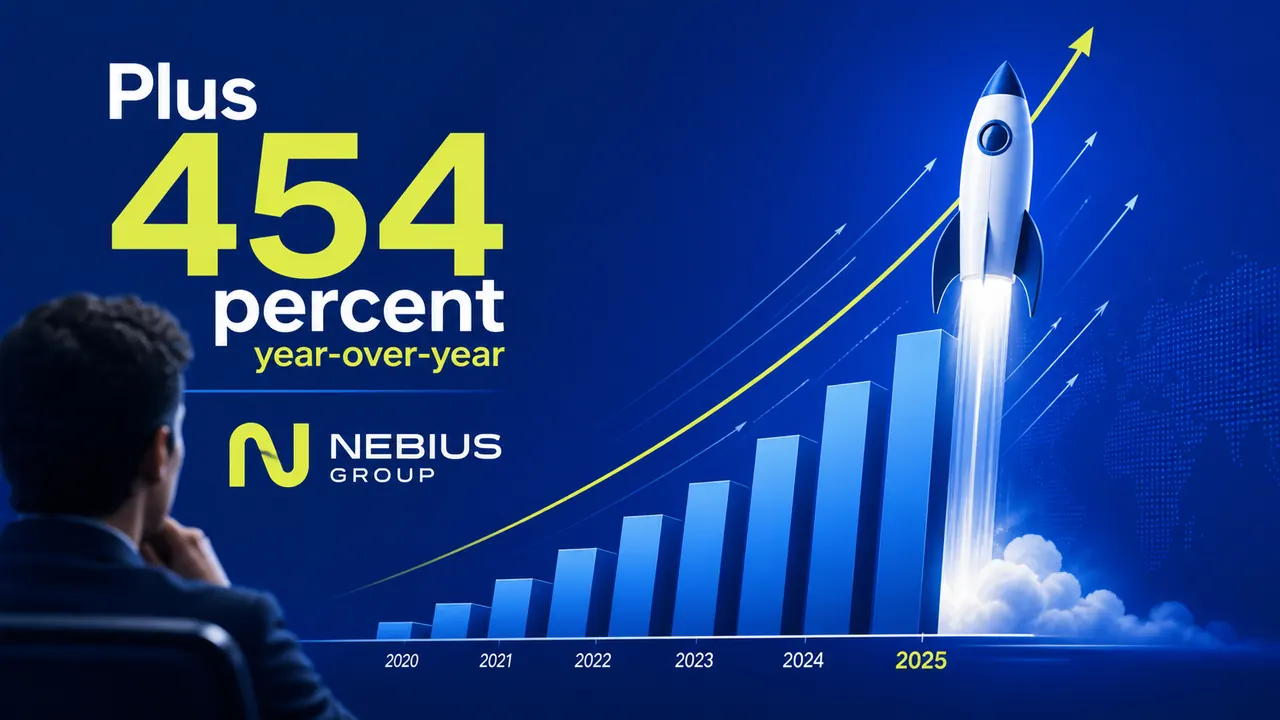
Nebius Group reported Q2 2026 revenue of $582 million, up 454% year-over-year, and posted $236 million in positive adjusted EBITDA — a meaningful profitability milestone for the AI cloud infrastructure company. Shares jumped 9.5% in premarket trading, bolstered by a pre-earnings note from Goldman Sachs analyst Alexander Duval and a separate report linking Nebius to Nvidia's approximately $500 billion AI infrastructure funding initiative.
JPMorgan analyst Samik Chatterjee upgraded Salesforce to Overweight with a December 2027 price target of $250, arguing that AI disruption concerns are "overblown" and that core business growth will accelerate in the second half of FY2027. Salesforce shares closed up 4.16% at $201.37 on Wednesday, with the $250 target implying roughly 24% additional upside from current levels.
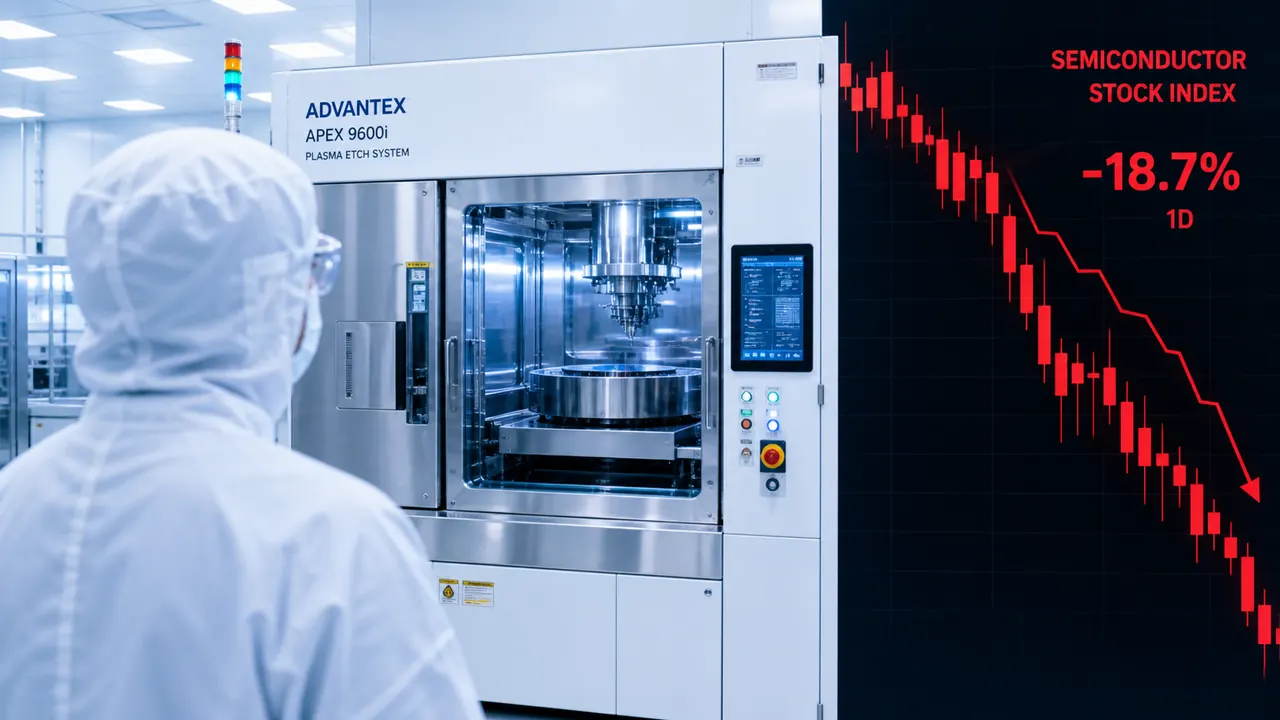
Applied Materials posted record Q3 revenue of $9.12 billion (+25% YoY) and adjusted EPS of $3.50 versus the $3.39 estimate, up 41% year-over-year — a genuine beat. But shares dropped after the print as China's share of revenue fell to 28% from 35% a year ago. After a roughly 108% run in 2026, the stock was priced for perfection, and the China decline gave sellers a reason to act.
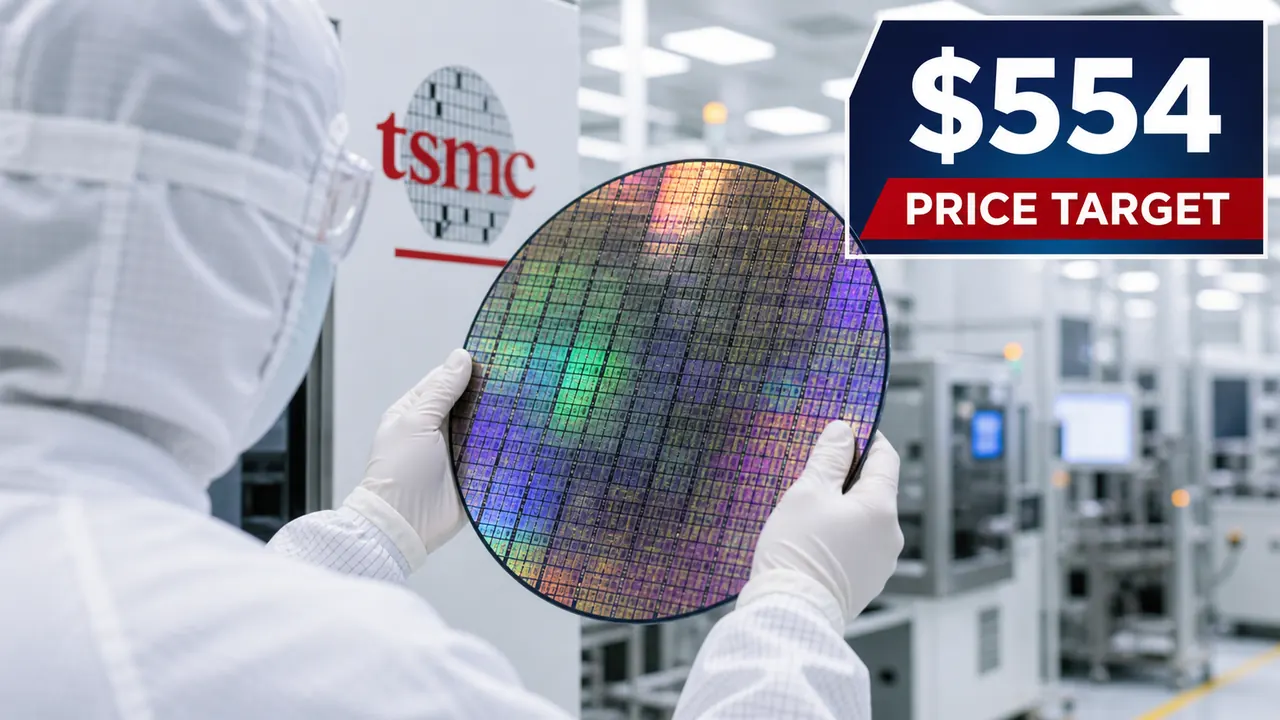
Bernstein raised its price target on Taiwan Semiconductor to $554 from $430 (Outperform maintained), citing CPUs as an emerging growth engine alongside AI accelerators. The firm projects TSMC's CPU revenue to surge from $15–$16 billion last year to the high-$30 billion range by 2027, driven by agentic AI workloads that are increasingly CPU-intensive and are reshaping fab demand dynamics.
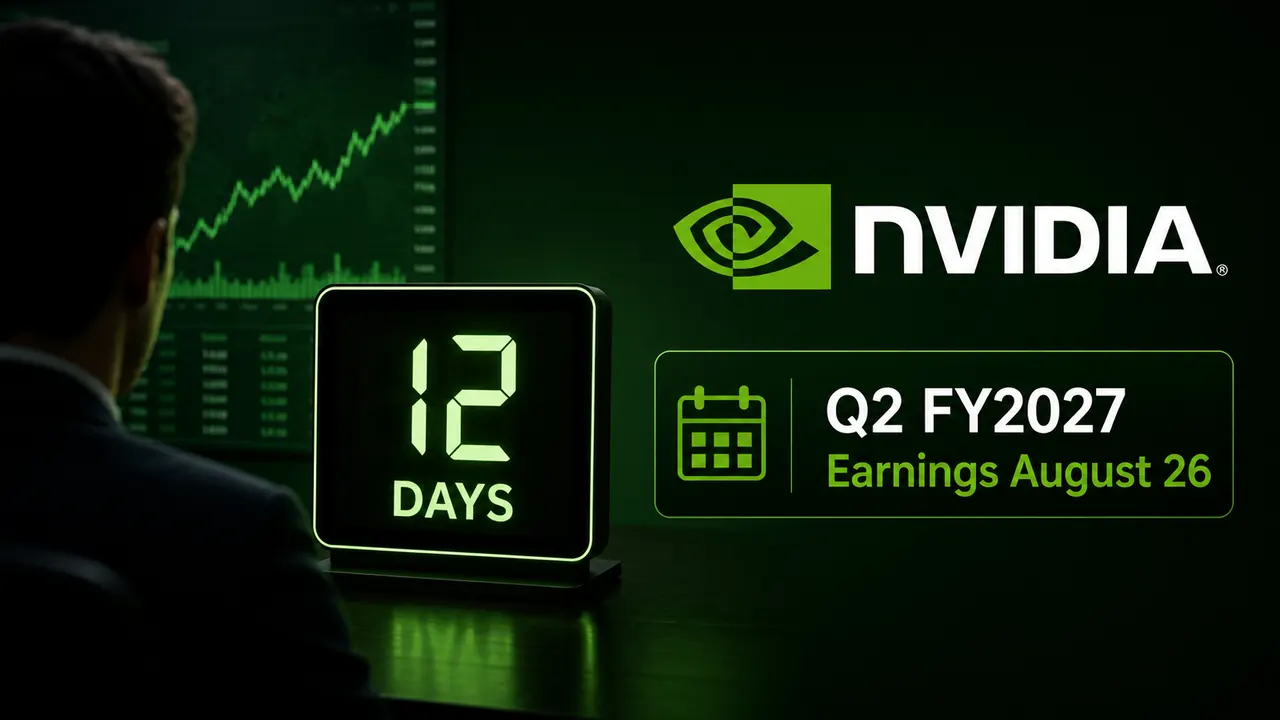
Nvidia reports Q2 FY2027 results on August 26, with consensus expecting $91–$95 billion in revenue (up roughly 95% year-over-year) and management already guiding to approximately $91 billion at the midpoint. Options markets imply a 6.75% post-earnings move, but analysts increasingly say Q3 guidance will matter more than the Q2 print — a $108 billion Q3 figure would set the tone for months.
Benzinga highlighted a growing divide between the two banks: JPMorgan prefers chip stocks — Nvidia and AMD — arguing rising tech spend supports semiconductor demand with at least 30% implied upside across its nine Buy-rated chip names. Morgan Stanley counters that hyperscaler expectations have become harder for chipmakers to beat, and backs Microsoft and Alphabet, whose combined $1.4 trillion in AI infrastructure commitments should yield strong long-term return on invested capital.

 AI Stocks