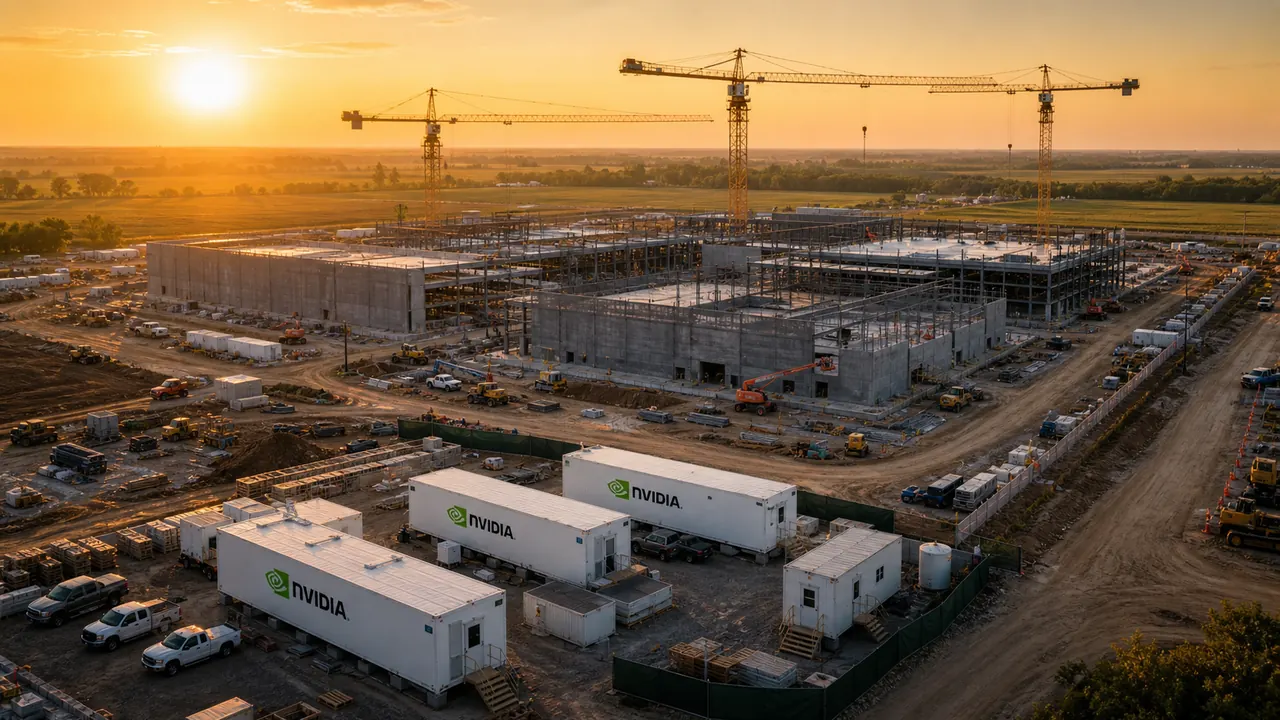
NVIDIA is in discussions to guarantee up to $250 billion in lease and debt financing for OpenAI's planned 10-gigawatt data center campus in Pike County, Ohio — with the total project cost potentially exceeding $500 billion once chip purchases are included. The deal structure has critics flagging circular financing risk: NVIDIA would effectively backstop demand for its own products if OpenAI fails to meet financial commitments. Shares fell 2.1% on the news; NVIDIA reports Q2 earnings August 26 and any further detail on its balance sheet exposure will be watched closely.
Taiwan Semiconductor reported July 2026 revenue of NT$467.58 billion (~$14.5 billion USD), up 44.7% year over year, putting the world's largest contract chipmaker on pace to exceed its own full-year guidance of 40%-plus growth in dollar terms. High-performance computing — TSMC's AI category — made up 66% of Q2 revenue, and the company raised its 2026 capex forecast to $60–$64 billion. Chip equipment stocks responded: ASML gained more than 2% Monday, confirming the read-through for the broader semiconductor supply chain.
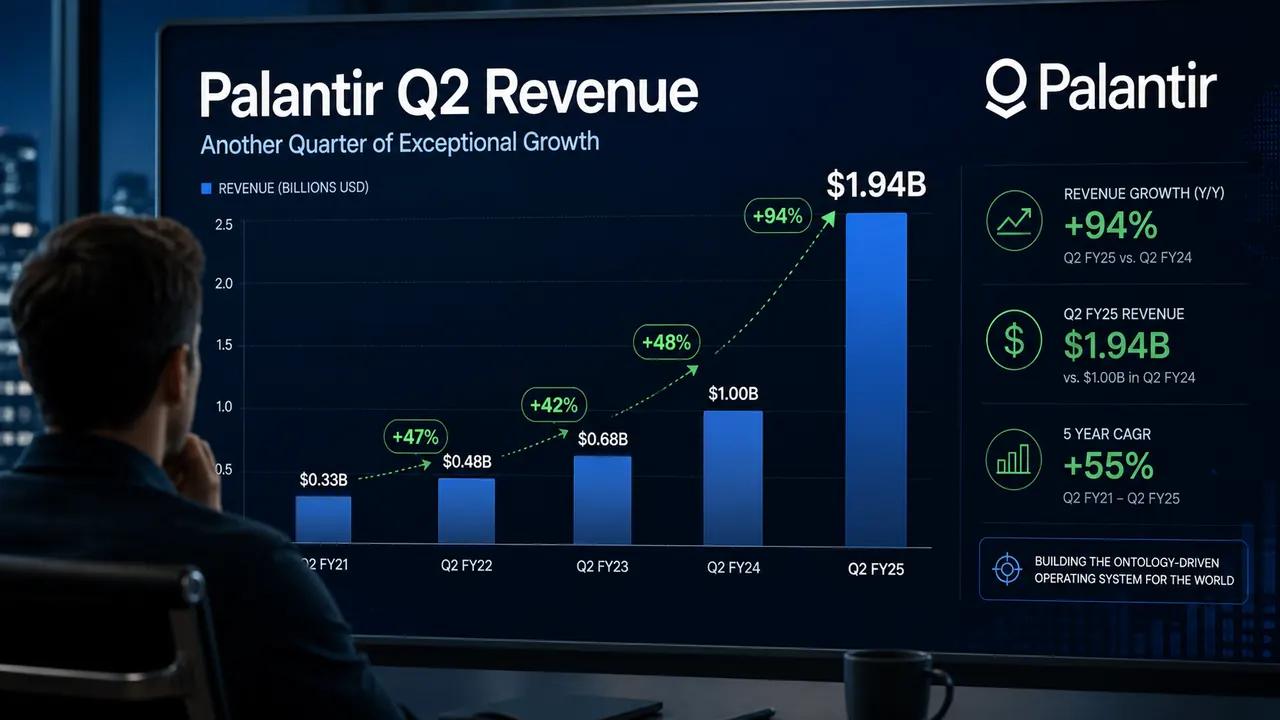
Palantir's Q2 2026 results came in well ahead of every consensus estimate: revenue hit $1.94 billion (+92.8% YoY), U.S. commercial sales surged 149% to $764 million, and EPS of $0.41 beat the $0.34 estimate. The company lifted full-year revenue guidance to $8.15–$8.16 billion from a prior range of $7.65–$7.66 billion, and Bank of America raised its price target to $255 with a maintained Buy rating. Shares surged 10%, testing $174, and remain in focus as AIP platform momentum is now clearly reflected in the top line.
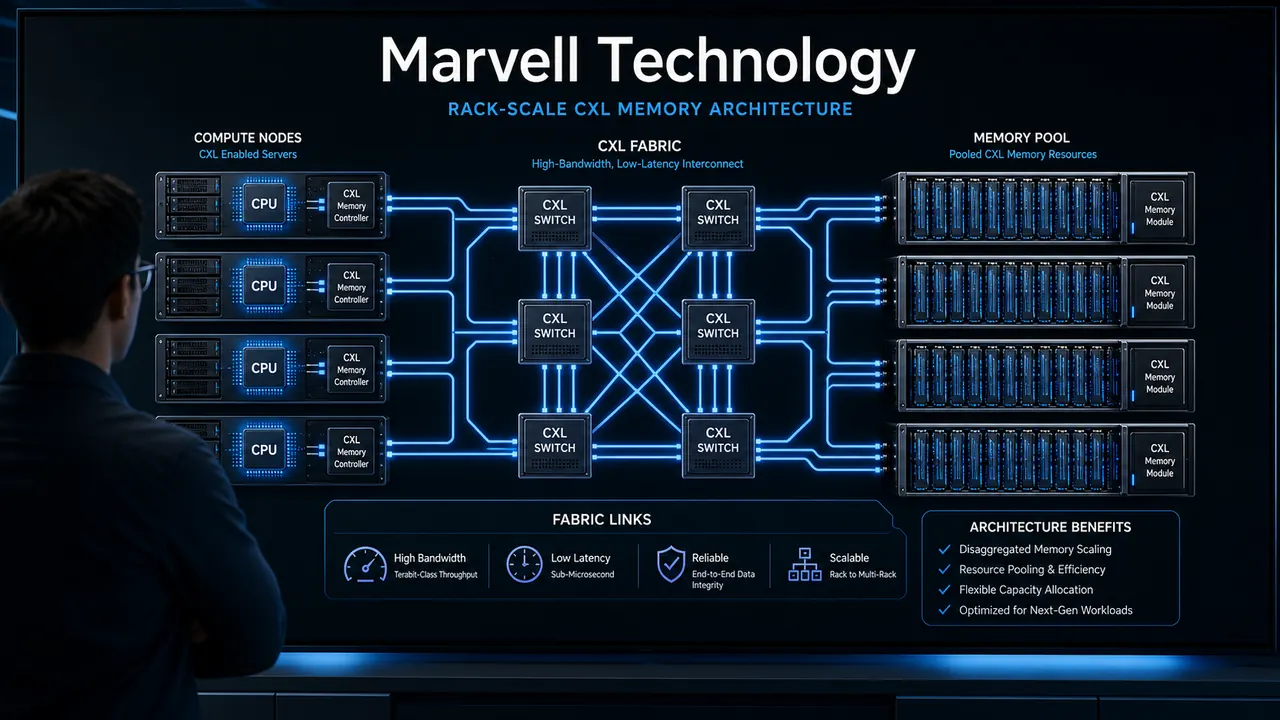
Marvell Technology unveiled a next-generation AI memory infrastructure platform at Flash Memory Summit 2026, targeting rack-scale CXL and shared memory bottlenecks in hyperscale and agentic AI deployments — sending the stock up roughly 14% on August 10. A secondary catalyst emerged from reports that the FCC is considering a ban on new Chinese-manufactured optical transceivers, lifting Marvell and other non-Chinese suppliers in the segment. Q2 earnings are still ahead, making Monday's move almost entirely product- and policy-driven.
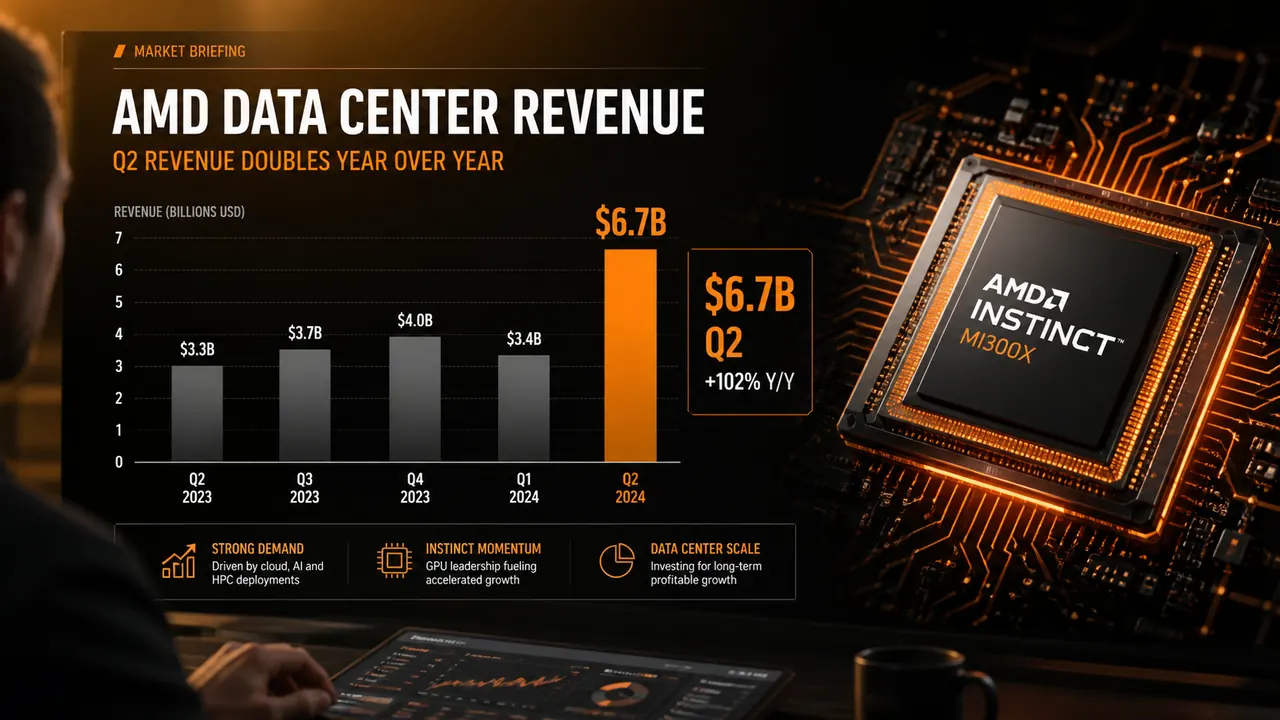
Advanced Micro Devices posted a record Q2 2026: revenue of $11.5 billion (+50% YoY) and data center revenue of $6.7 billion (+107% YoY), driven by EPYC processor and Instinct GPU demand. AMD also announced a strategic partnership with Anthropic to deploy up to 2 gigawatts of MI450-series GPUs in the Helios project, with first deployments beginning in H1 2027. Despite beating estimates across the board, AMD fell more than 8% in after-hours — a reminder that expectations in the AI chip space are now priced for perfection.
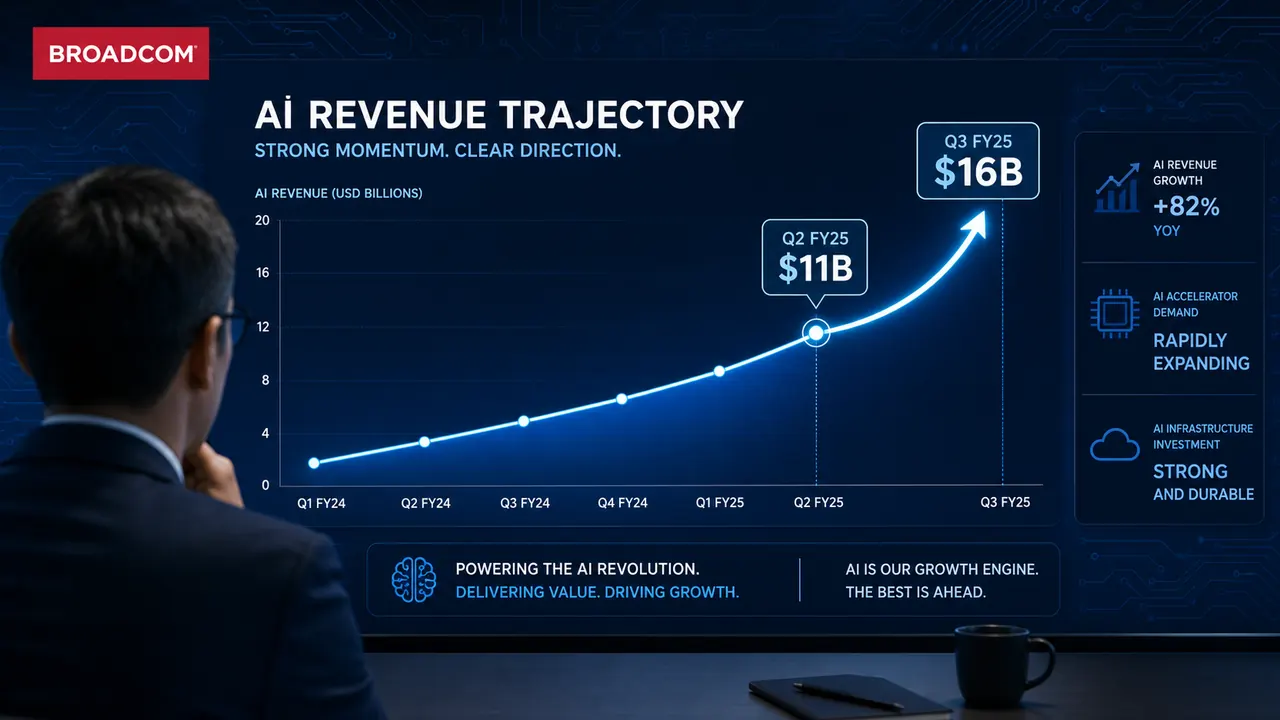
Broadcom's Q2 AI semiconductor revenue came in at $11 billion, up 143% year over year, and the company guided Q3 AI revenue to $16 billion — representing more than 200% growth versus a year ago. Long-term supply agreements are in place with Google, Anthropic, and OpenAI for custom TPUs and AI networking, and management reiterated that AI chip revenue will exceed $100 billion in fiscal 2027. Shares were up approximately 7% Monday as the runway for custom silicon revenue continued to look unimpeded.
Microsoft, Alphabet, Meta, and Amazon collectively plan to spend $725 billion in capital expenditures in 2026 — up 77% from 2025's record $410 billion. Alphabet recently raised its 2026 capex forecast by $15 billion to $195–$205 billion; Microsoft is at approximately $190 billion; Meta's range is $130–$145 billion. The scale of spending continues to fuel sector-wide debate about AI return on investment — Alphabet shares fell 7% when it announced its own guidance raise last month, underscoring how little patience investors have for capex surprises without matching revenue acceleration.
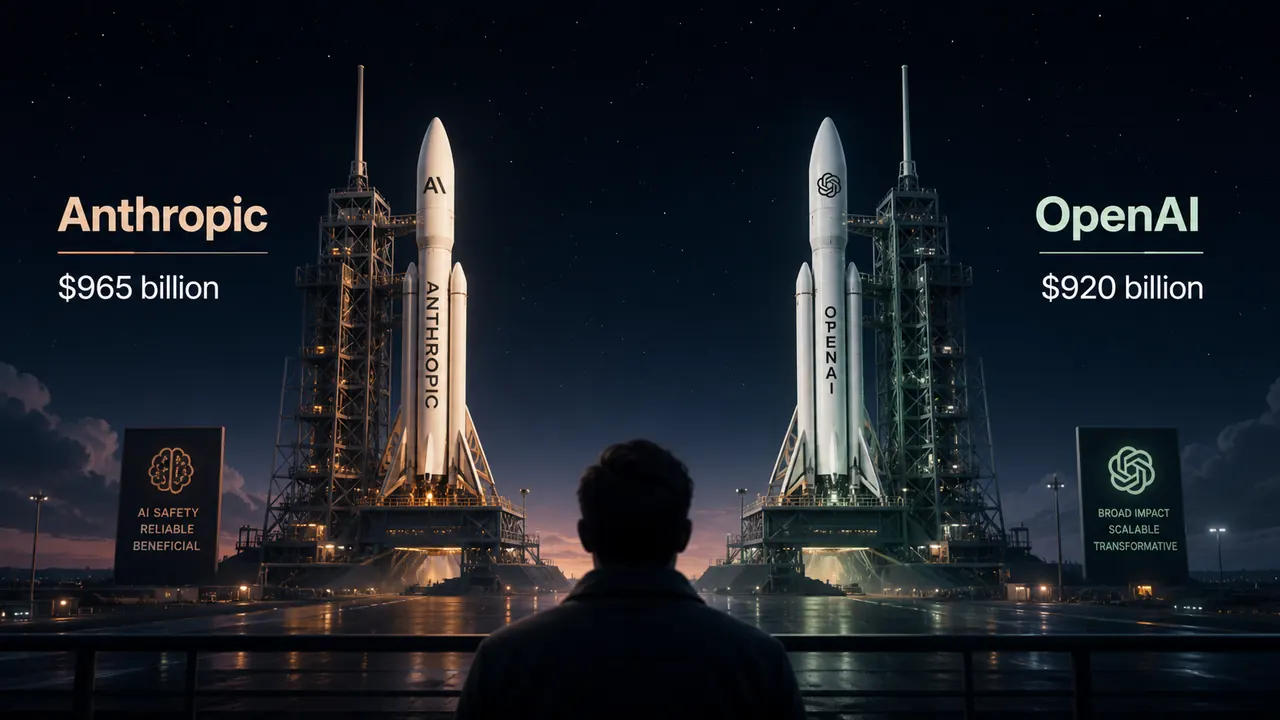
Anthropic filed a draft S-1 on June 1, 2026, at a post-money valuation of approximately $965 billion, and is meeting investors ahead of a possible September or October public offering. OpenAI followed on June 8 with its own confidential filing at roughly $920 billion; Goldman Sachs and Morgan Stanley are bookrunning both deals, each expected to raise at least $60 billion. Anthropic's launch of Claude Opus 5 on July 21 is being positioned as a key commercial proof point for the roadshow — neither company trades publicly yet, and this remains an IPO-watch item only.
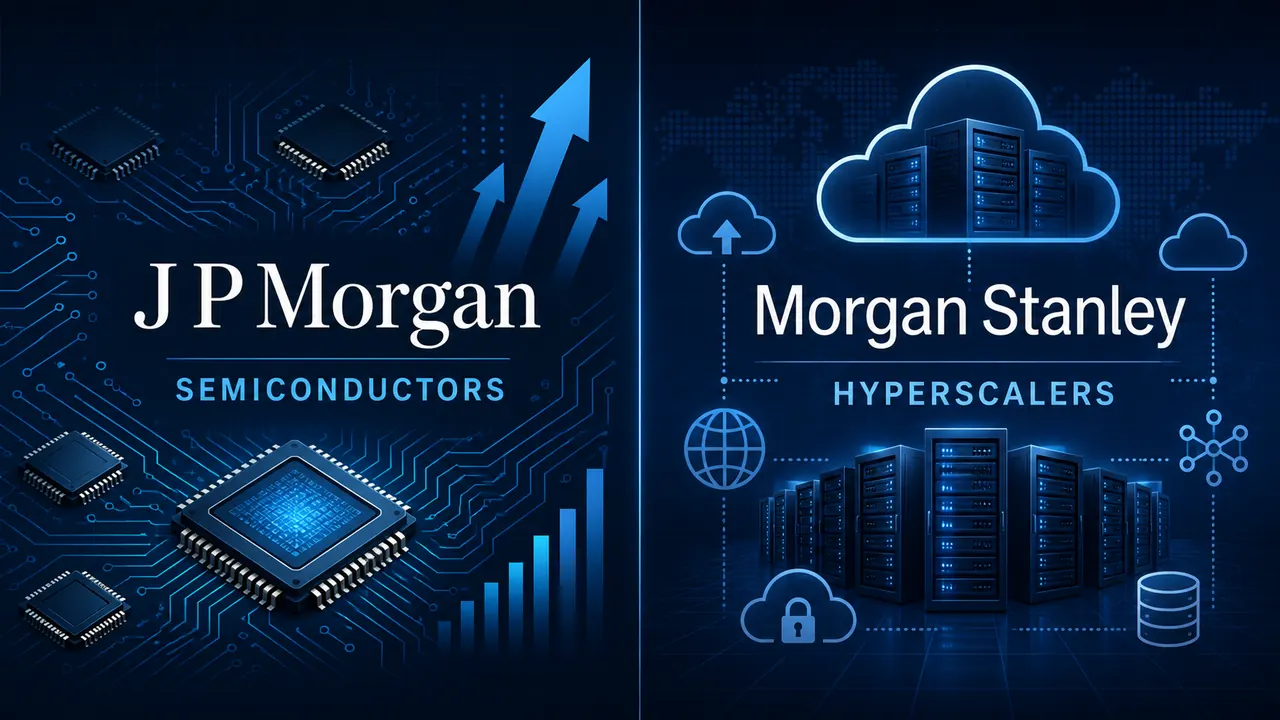
JPMorgan is doubling down on semiconductor stocks, naming nine Buy-rated chip names with at least 30% implied upside and arguing that rising AI capex benefits chipmakers while leaving them less exposed to AI software disruption. Morgan Stanley takes the opposing view: chip expectations have risen too high, and it is backing hyperscalers like Microsoft and Alphabet, where GPU rentals and model APIs are beginning to generate measurable returns on invested capital. AMD's 8% after-hours drop on a record quarter illustrated Morgan Stanley's point in real time.
BigBear.ai reports Q2 2026 results this morning, August 11. Consensus expects a loss of $0.05 per share — a significant improvement from a $0.71 loss a year ago — with revenue rising approximately 11% year over year to around $36.4 million. The small-cap defense and government AI contractor is benefiting from growing federal AI procurement, and any upside surprise in contract revenue or forward guidance could move the stock sharply given its low-liquidity profile.

 AI Stocks