Super Micro reported Q4 last night with adjusted EPS of $1.70, beating the $1.59 consensus. Revenue came in at $11.1B (slight miss vs. $11.2B estimate), but Q1 guidance of $14.5–$15.5B in net sales massively exceeded expectations. New Q4 orders topped $60B, including a co-build with SpaceX and xAI for a gigawatt-scale data center. Shares jumped 6%+ after hours from ~$31.13; Wall Street consensus target sits at $37.81.
Palantir's Q2 revenue hit $1.935B, up 93% year-over-year, with U.S. commercial up 149% to $764M and U.S. government up 90% to $809M. Adjusted EPS of $0.41 beat the $0.34 estimate; adjusted operating margin hit 62%; Rule of 40 score: 155. Full-year guidance was raised to $8.15–$8.16B (82% growth) from the prior $7.65–$7.66B. Stock surged ~30% on August 4th and is now consolidating near $156.
TSMC's July consolidated revenue came in at NT$467.58B (~$14.5B USD), up 44.7% year-over-year — a new all-time monthly record driven by surging 2nm demand. Cumulative January–July revenue is up ~37% YoY. The company revised full-year 2026 growth guidance up for the second time to slightly above 40% in USD terms. 2026 capex guidance stands at a record $60–$64B.
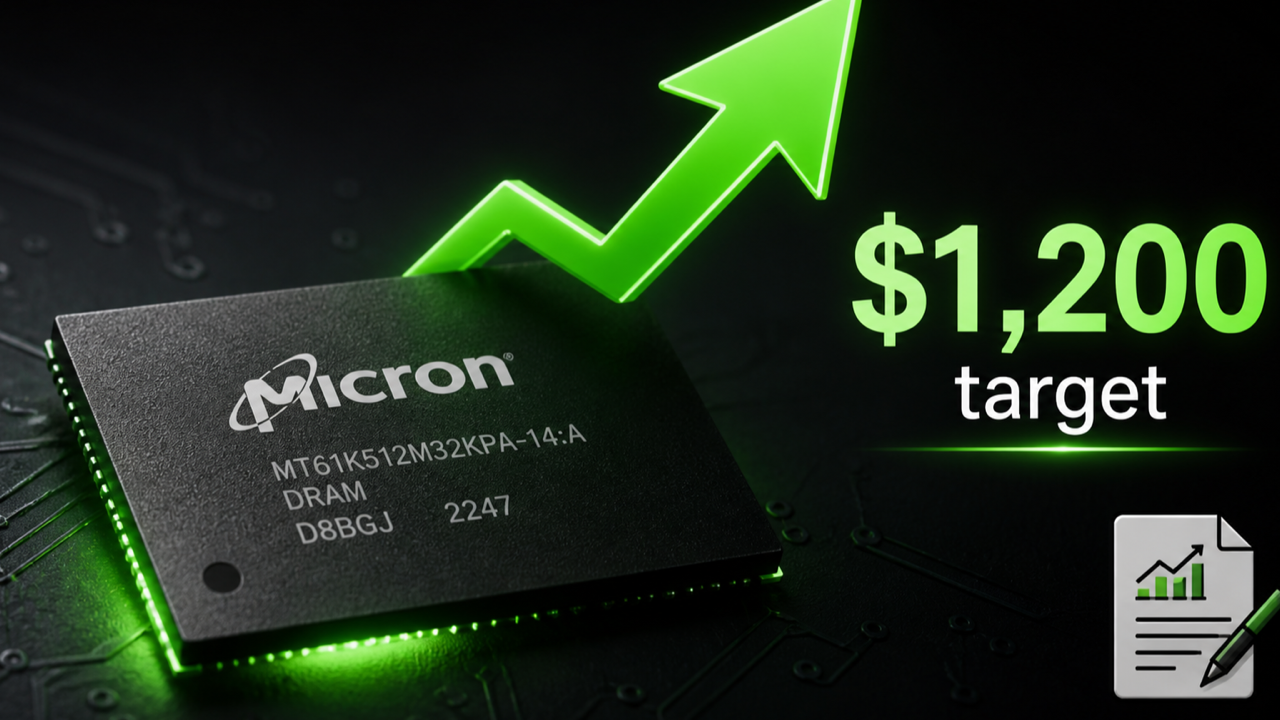
Morgan Stanley analyst Erik Woodring raised his Micron price target from $1,050 to $1,200 (Overweight), naming it the "biggest beneficiary" of near-term AI spending. Key drivers: 16 supply agreements totaling $22B in commitments, HBM4 in high-volume production, and Micron's entire 2026 HBM supply already sold out. Woodring's macro call: AI infrastructure spending could reach $1.4T in 2027, topping prior consensus of $1.2T; hyperscaler capex seen at $800B in 2026 and $1.2T in 2027. MU trading near $868.
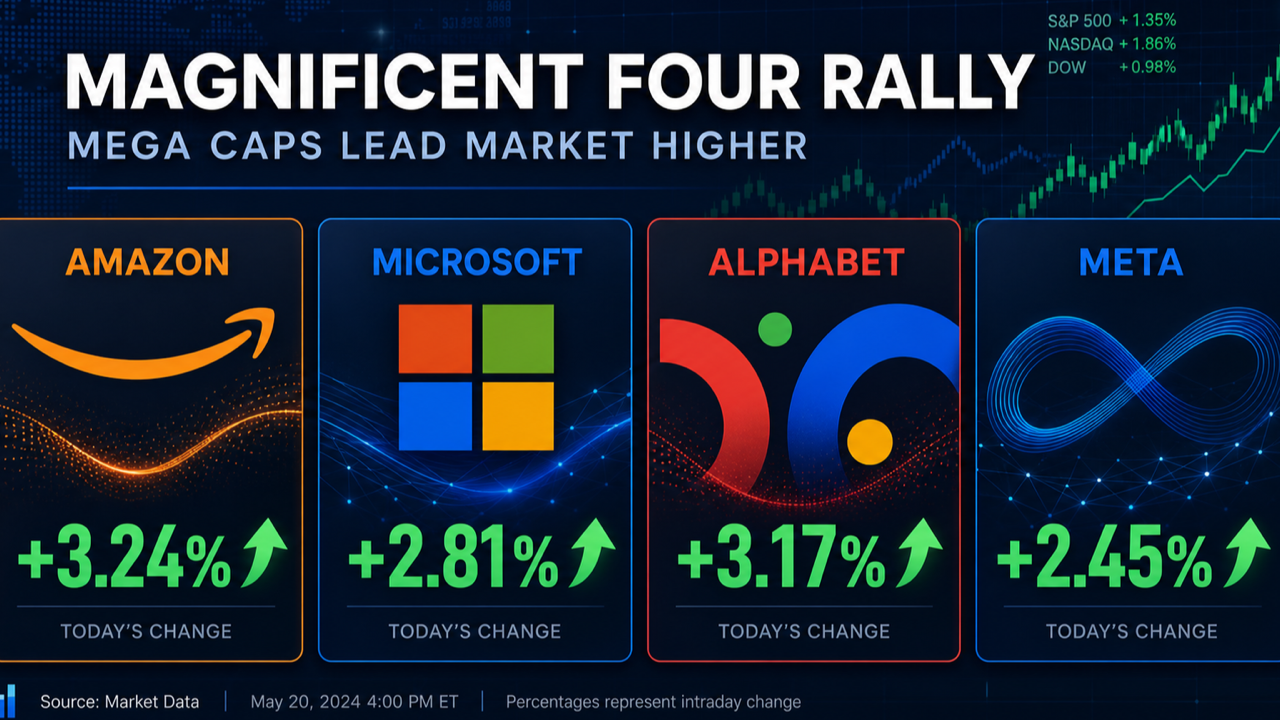
The Big Tech earnings wave continues to move markets. Amazon crossed the $3 trillion market cap threshold on AWS growth of 37% to $42.2B — the fastest quarter in 18. Microsoft Azure topped $100B annual run rate (+43% YoY); M365 Copilot reached 30M paid seats. Google Cloud surged 82% to $24.8B; Alphabet raised capex guidance to $195–$205B. Meta rose 7% despite an EPS miss, with ad revenue up 27% to $59.4B. Oracle jumped 8% on cloud infra growth of 93% and remaining performance obligations ballooning to $638B.
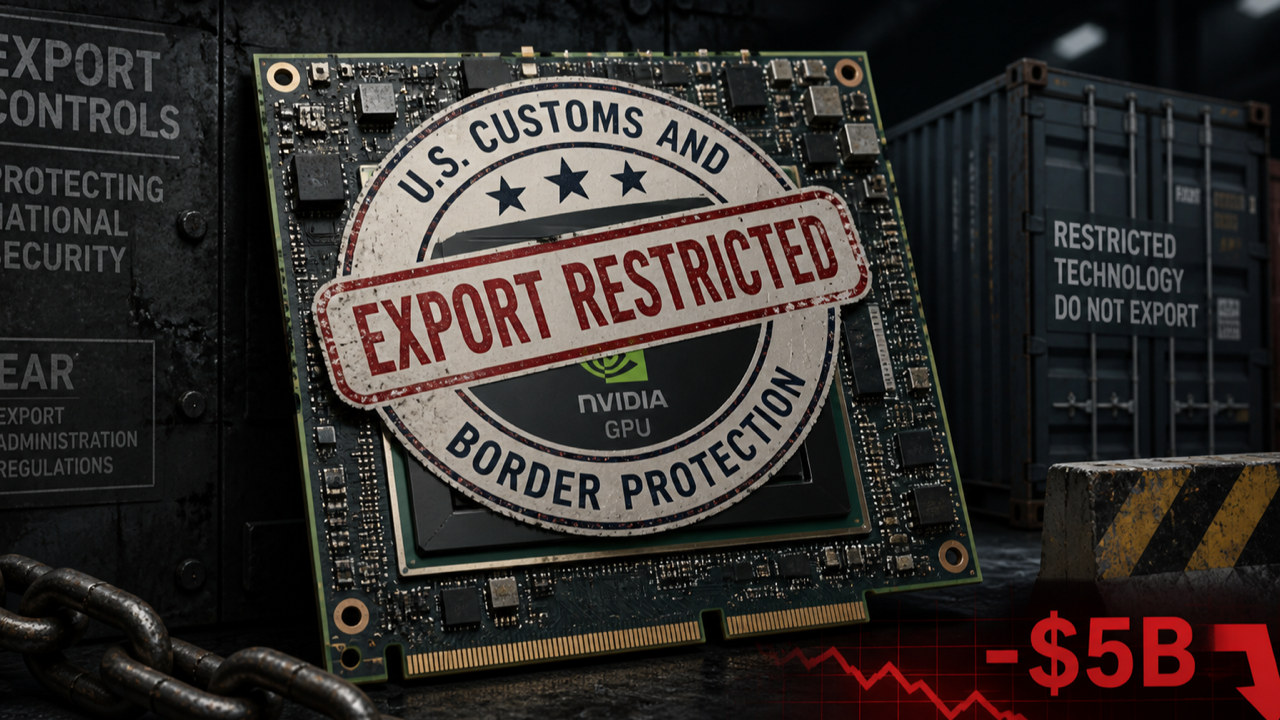
Nvidia absorbed an estimated $8B hit to second-quarter revenue from U.S. government restrictions on H20 chip exports to China, plus a $4.5B inventory writedown. The company reports fiscal Q2 on August 26; Street consensus is EPS of $2.08 on revenue of ~$91.7B. Despite the export headwind, both JPMorgan and Morgan Stanley remain bullish — JPMorgan notes that Nvidia trades at ~20x forward earnings, cheaper than the broad market and cheaper than Broadcom.
Anthropic closed its Series H at a $965B post-money valuation, surpassing OpenAI's $852B and making it the most valuable private startup in the world. The round was led by Altimeter, Dragoneer, Greenoaks, and Sequoia. Downstream risk for GOOGL: UBS estimates Anthropic and OpenAI together will represent 27% of Google Cloud revenue in 2026, rising to 48% (~$124B) in 2027 — a significant customer concentration flag for Alphabet shareholders.
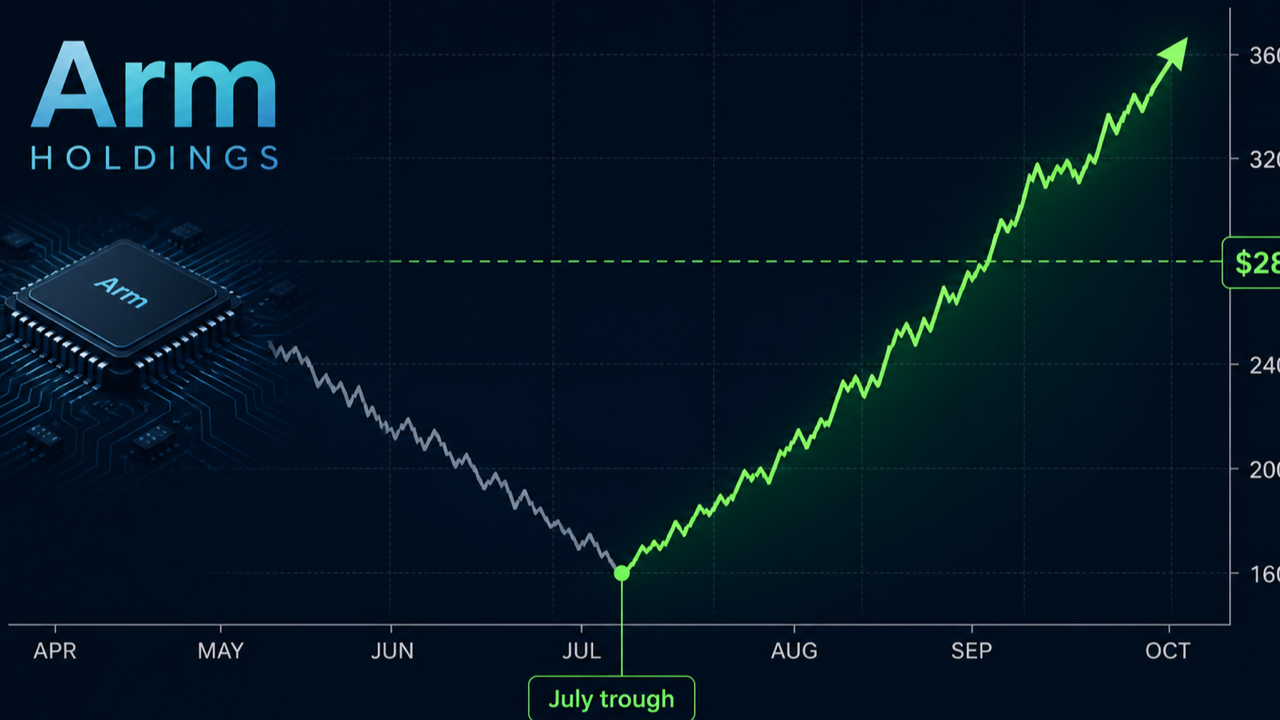
Arm Holdings posted record Q1 FY2027 revenue of $1.289B, up 22% year-over-year, with its AGI CPU order book topping $2B and data-center royalties doubling. The stock crashed 34% in July during a broader semiconductor selloff that took the PHLX Semiconductor Index down 20% from its June highs. Arm has since recovered, breaking back above $280, with $294 flagged as the next key confirmation level. Analyst price targets span $212 to $340.
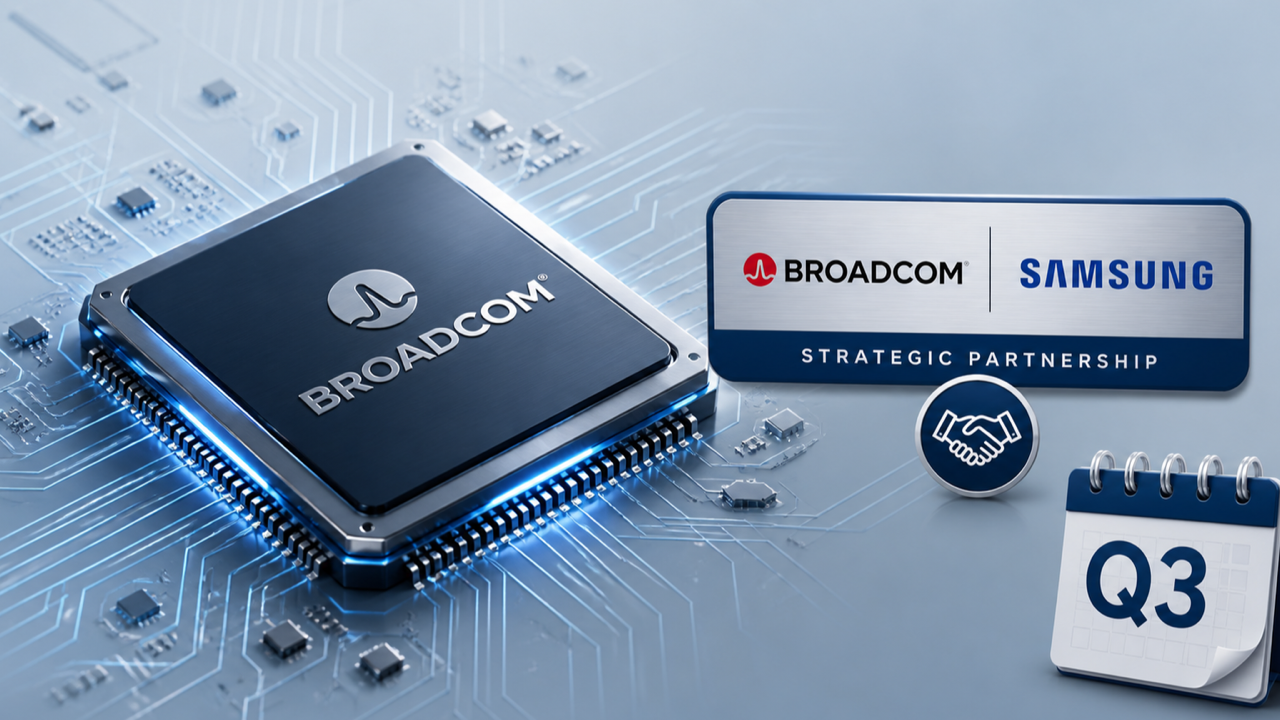
Broadcom gained ~2% Monday after Morgan Stanley reiterated Overweight. AI chip revenue hit $10.8B last quarter (+143% YoY), with guidance toward ~$16B this quarter and a path to more than $100B in AI revenue by FY2027. A Samsung partnership signed in July is valued at over $200B through 2030, spanning memory, foundry, and advanced packaging. Q3 FY2026 earnings are expected around September 3; consensus: EPS $3.21 on revenue of $29.22B.
The EU AI Act entered full enforcement on August 2, 2026. Non-compliance fines can reach 35M euros or 7% of global annual revenue. First-year compliance costs for large enterprises are estimated at 8–15M euros per organization. Every major U.S. AI player — Microsoft, Google, Meta, Amazon, Anthropic, OpenAI — plus Baidu and Tencent must comply or risk EU market exclusion. Compliance and audit tooling demand is rising; CrowdStrike, Palo Alto Networks, and ServiceNow are cited as potential beneficiaries.

 AI Stocks