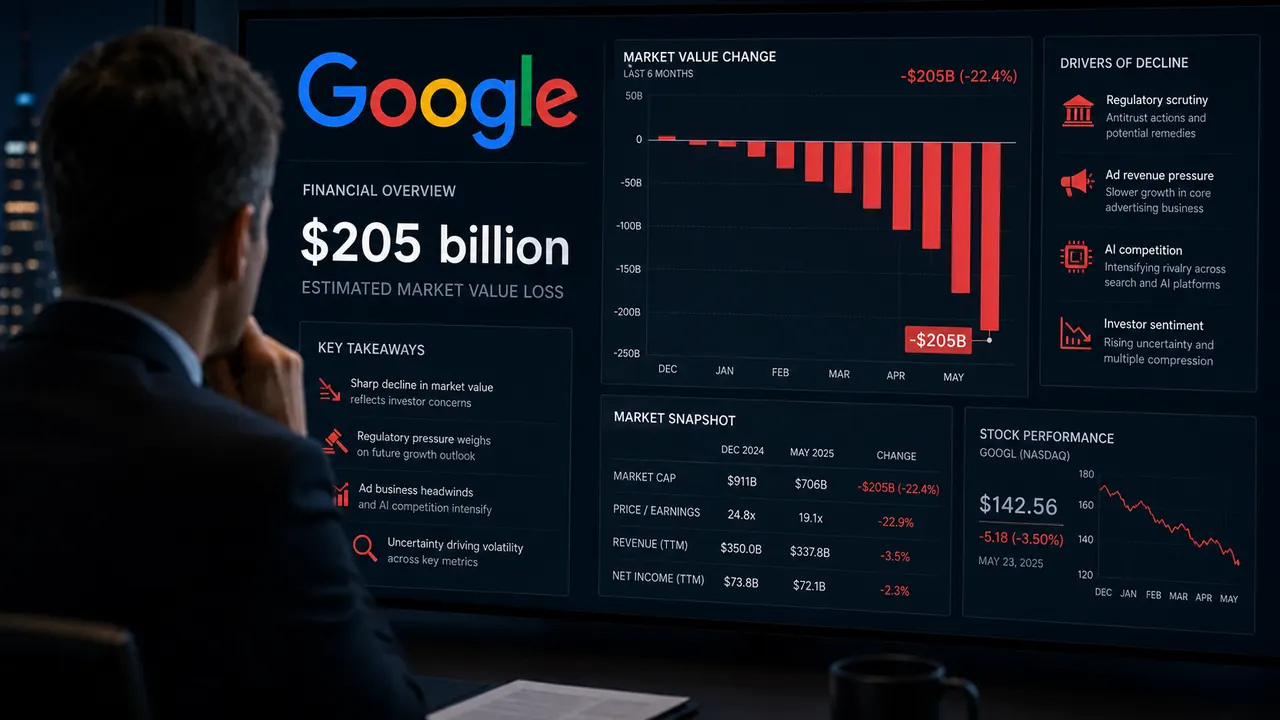
Alphabet posted Q2 revenue of $119.8 billion, up 24% year-over-year, with Google Cloud surging 82% to $24.8 billion — a standout AI infrastructure result. But investors balked when the company raised its full-year capex forecast to as much as $205 billion, pushing free cash flow to negative $5.9 billion for the quarter. Shares fell roughly 7% Thursday, dragging sentiment across the hyperscaler trade.
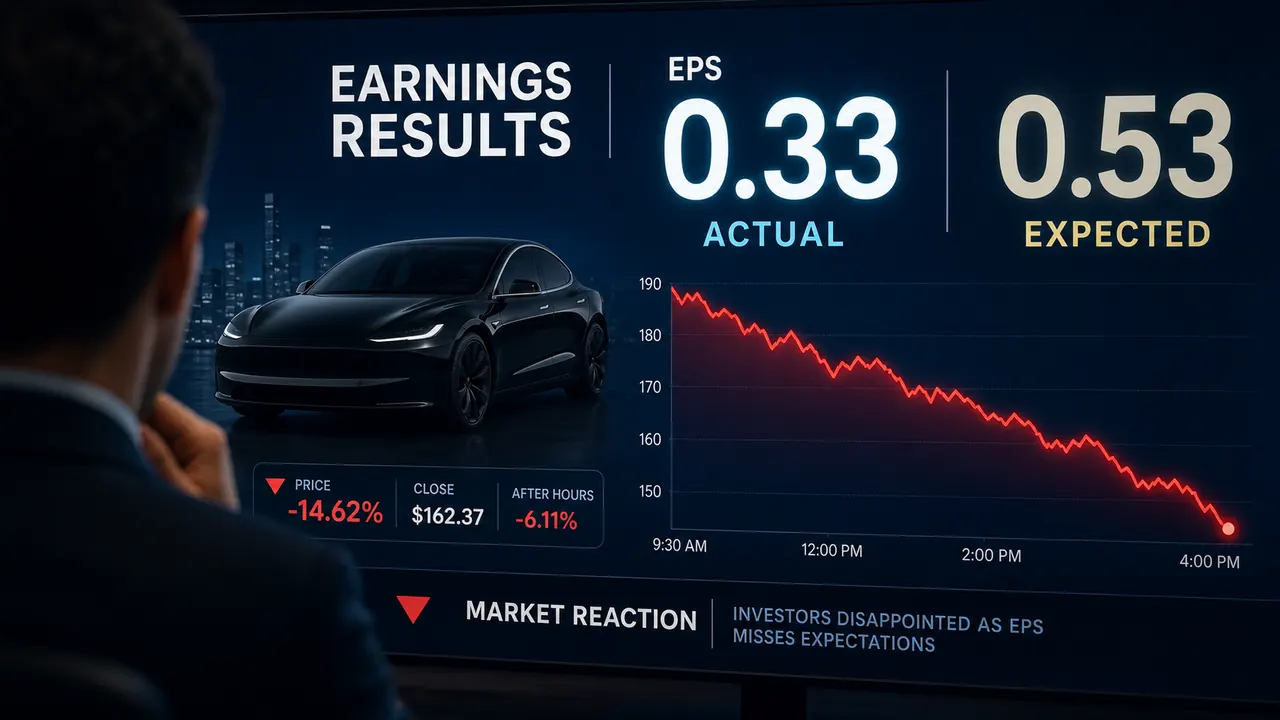
Tesla reported record Q2 revenue of $28.2 billion, up 26%, and a Q2-record 480,126 deliveries — but the bottom line was punishing: EPS came in at $0.33 against a $0.53 consensus, and operating margin shrank to just 1.4% as robotics and AI spending overwhelmed profits. Shares lost roughly 14.5%, erasing more than $140 billion in market cap in a single session — one of Tesla's steepest one-day drops on record.
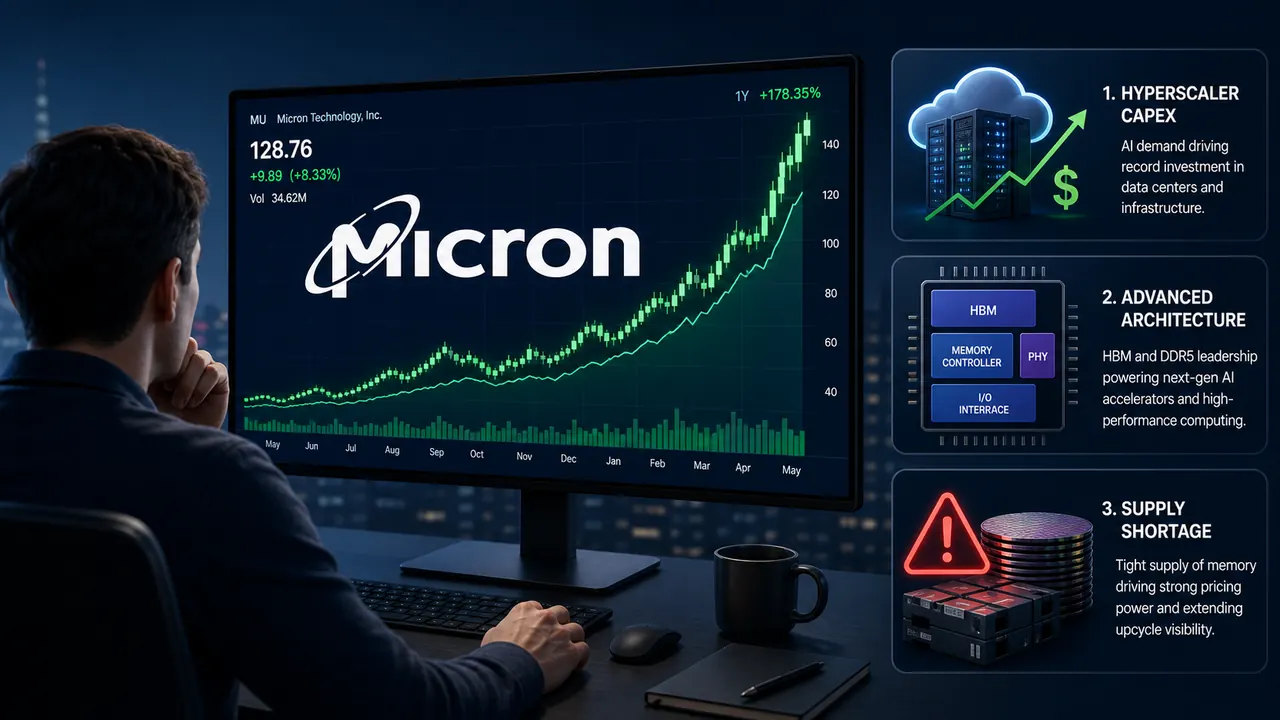
Micron shares jumped roughly 4% to the $1,000 mark Thursday, driven by three converging catalysts: Alphabet's massive capex commitment confirming sustained HBM demand, Nvidia's Vera Rubin AI platform requiring enormous amounts of high-bandwidth memory, and a projected 2026 NAND Flash supply shortage. The company holds $22 billion in non-cancellable HBM contracts through 2026, and the analyst consensus price target sits at $1,486.
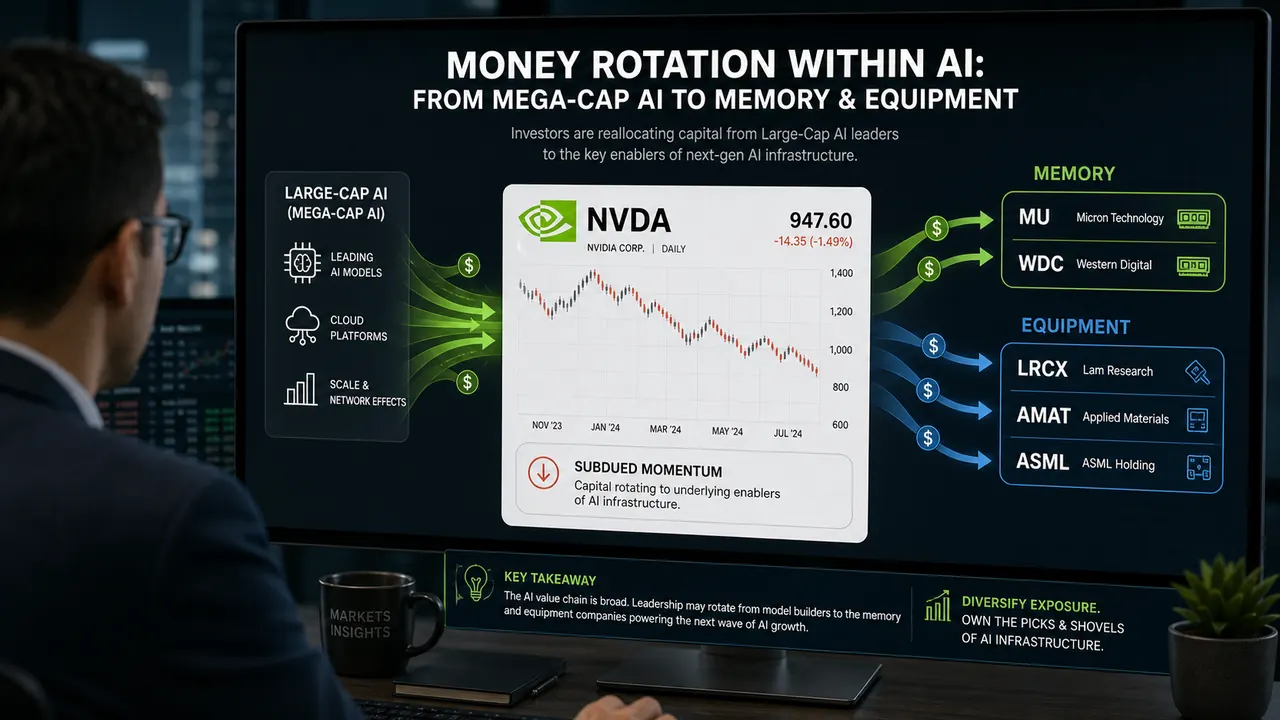
Despite Alphabet's earnings confirming durable hyperscaler AI investment, Nvidia closed Thursday at $208.76, down 1.6%, as traders rotated out of the large-cap AI bellwether and into specialist chip and memory plays. The move is counterintuitive on the surface but logical in practice: Alphabet's spending validates the trade, but the marginal dollar flowed to Micron and SK Hynix. Nvidia sits roughly 11% below its $235.47 all-time closing high set in May, with consensus targets still 35 to 50% above current levels.
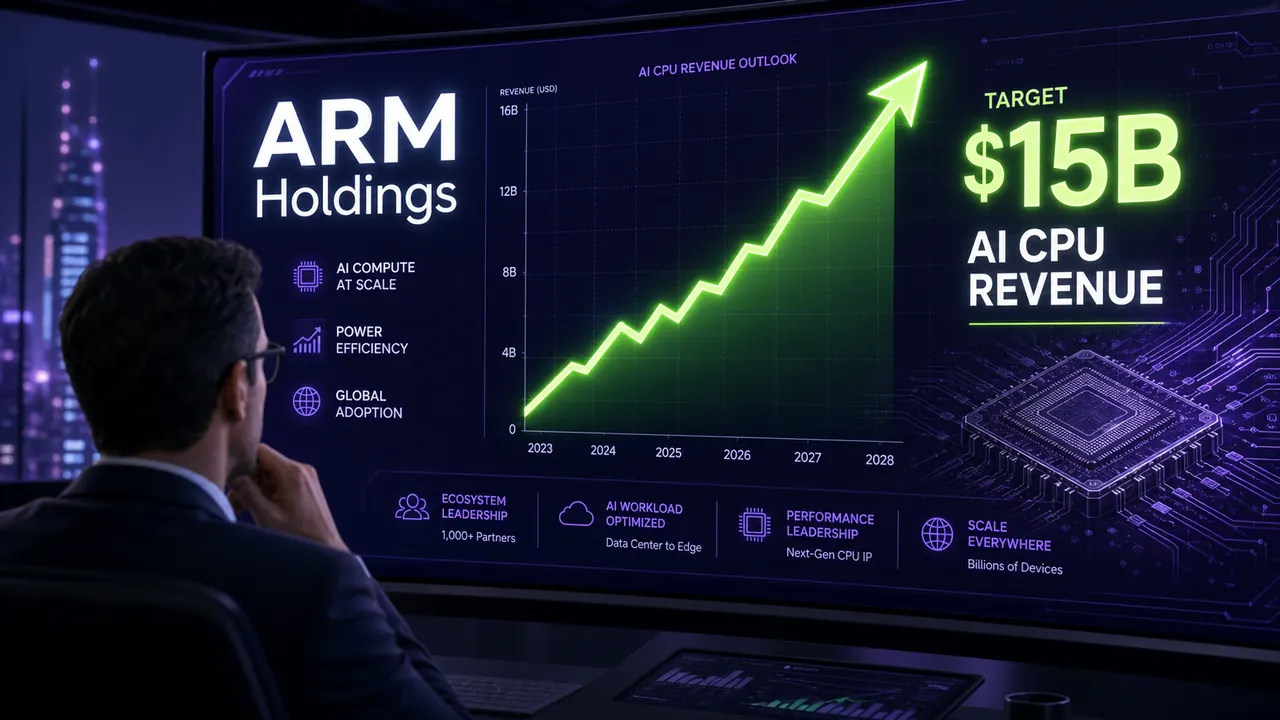
Arm Holdings jumped more than 5% Thursday as investors positioned ahead of fiscal Q1 FY2027 results due next Tuesday, July 29. Data center royalty revenue more than doubled year-over-year last quarter, and the company has secured more than $2 billion in customer commitments for its AI-focused CPU lineup across fiscal 2027 and 2028. Arm's longer-term target of up to $15 billion in annual AI CPU revenue by 2031 is drawing renewed attention from bulls.
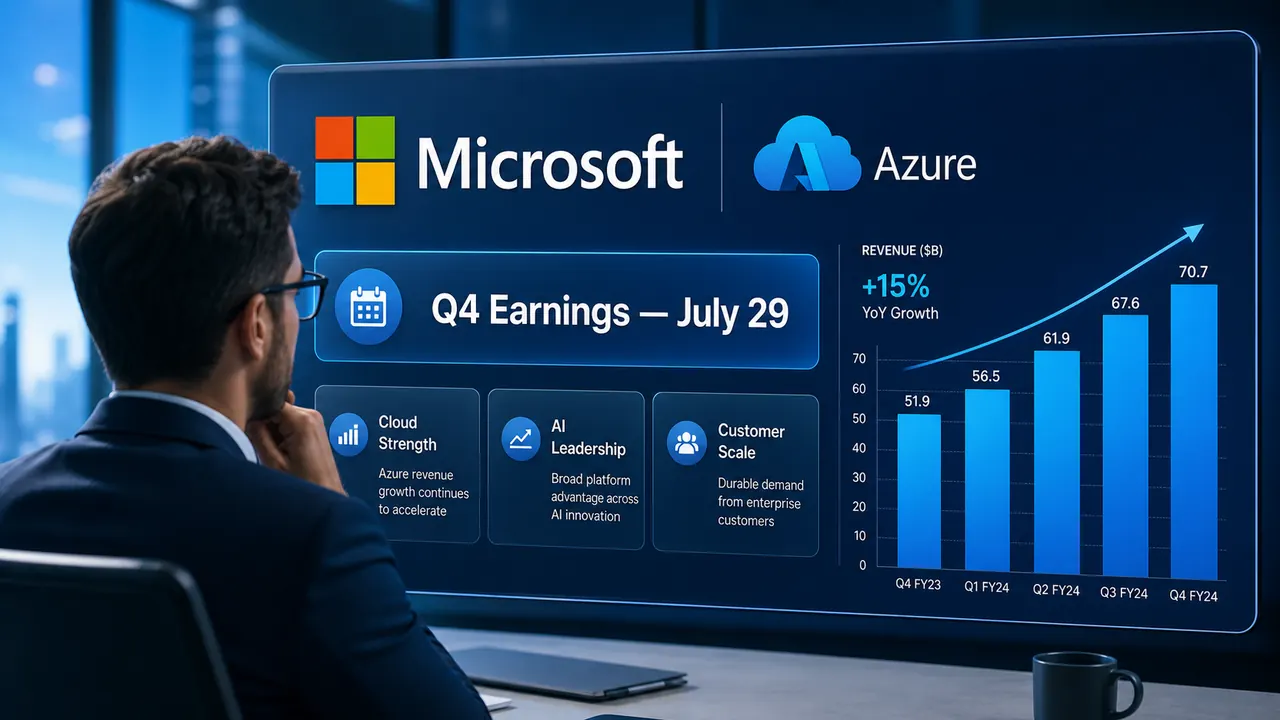
Microsoft reports Q4 fiscal year 2026 results on July 29, entering the print on strong AI momentum: last quarter Azure grew 40% in constant currency, the company's AI business crossed $37 billion in annualized recurring revenue (up 123% year-over-year), and Copilot paid seats surpassed 20 million. Q4 consensus expectations stand at roughly $86.7 billion in revenue, but investors are fixated on whether a $190 billion full-year capex commitment will weigh on sentiment the way Alphabet's did Thursday.
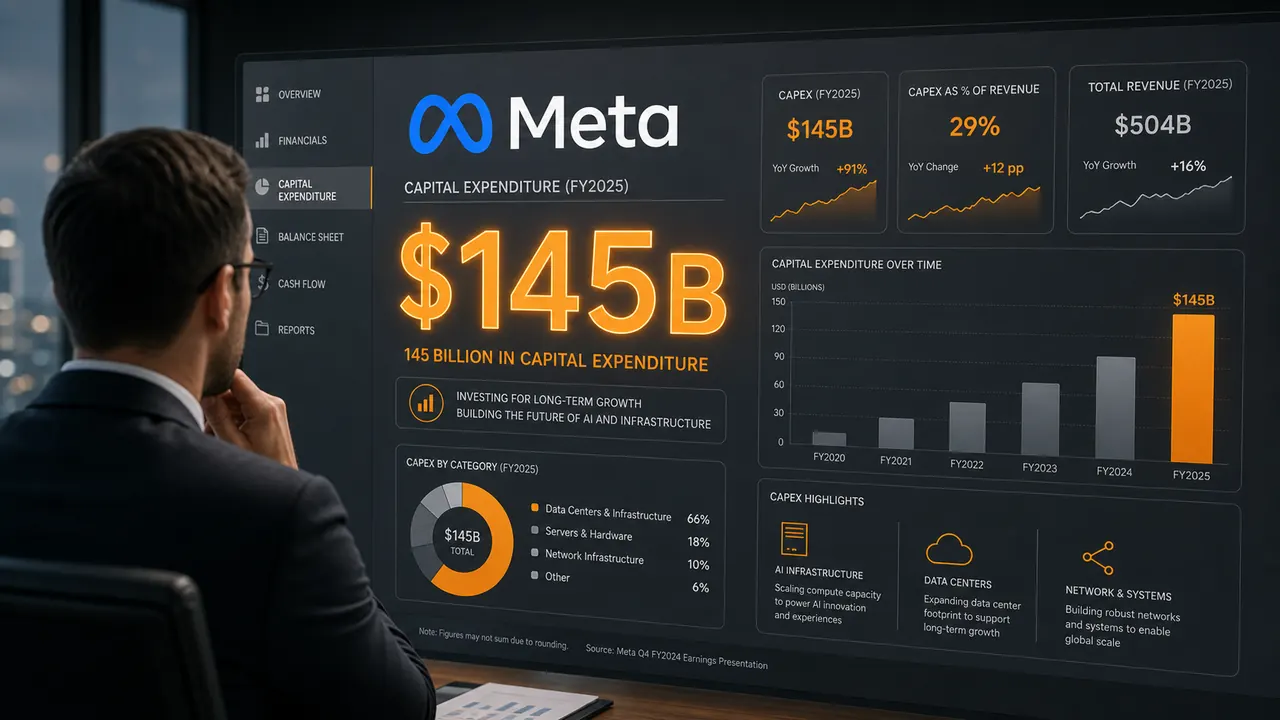
Meta Platforms heads into its July 29 earnings call under the shadow of a projected $125 to $145 billion full-year AI infrastructure spend — a number that was already making investors nervous, and Alphabet's capex-driven 7% selloff Thursday only amplified that anxiety. Meta is deploying tens of billions toward AI data centers and proprietary chip development, and the market is braced to hear whether Zuckerberg frames the spending as demand-driven or speculative. The question now is whether Alphabet's fate is a preview of Meta's.
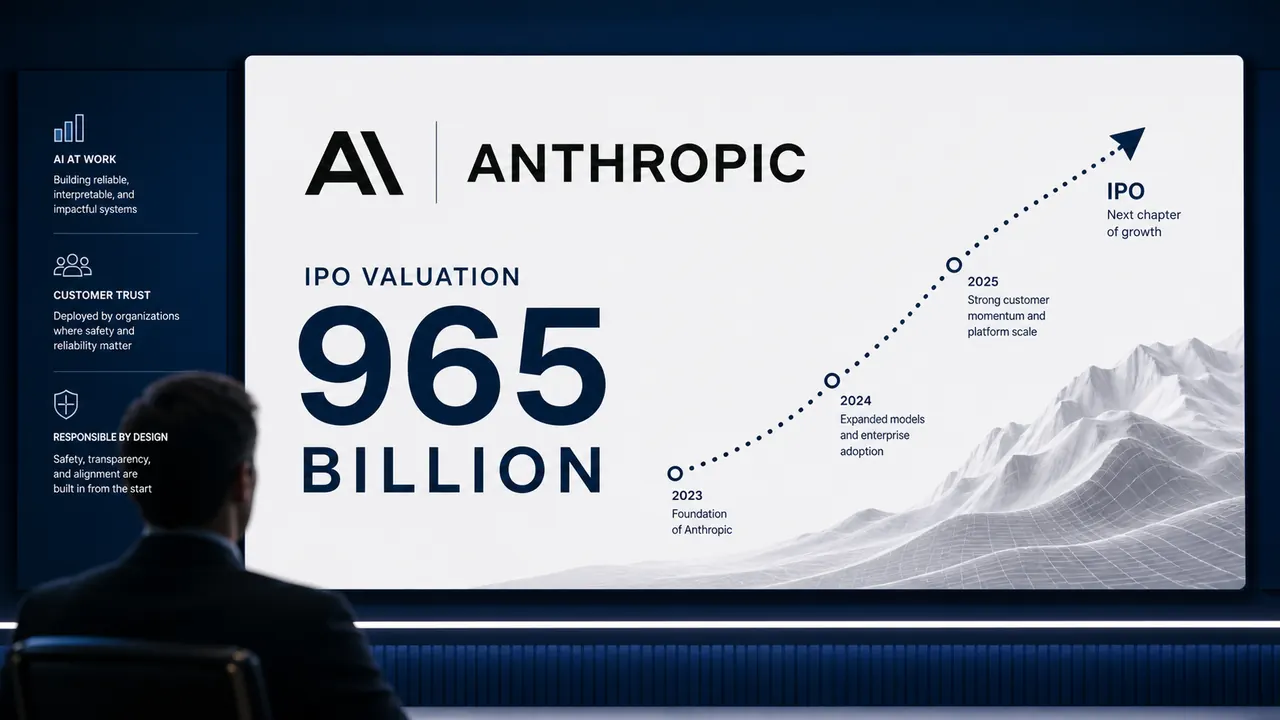
Anthropic is actively scheduling pre-roadshow meetings with prospective investors, targeting a public debut as early as October 2026. The company filed a confidential S-1 with the SEC on June 1, accompanied by a $65 billion Series H funding round at a $965 billion valuation — briefly surpassing OpenAI's $852 billion private mark. OpenAI, by contrast, is reportedly weighing a delay to 2027 following market turbulence around the SpaceX public debut. Anthropic is not yet publicly traded; flag for future positioning.
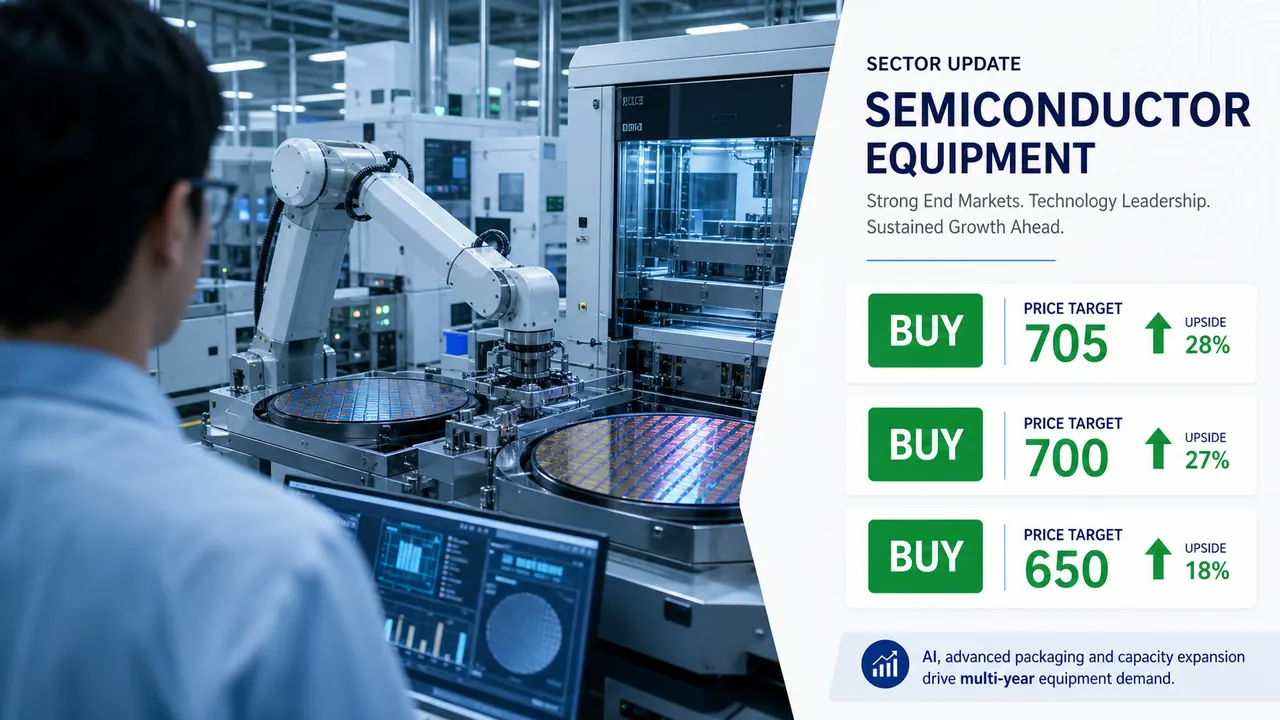
Applied Materials received coordinated price target lifts from three major firms Thursday: UBS raised its target to $705 from $570, TD Cowen came in at $700, and Stifel set $650 — all maintaining Buy-equivalent ratings. The shared thesis is the multi-year AI data center capacity build, which continues to drive durable demand for semiconductor manufacturing equipment. After a rough stretch for equipment names, three simultaneous upgrades in a single session is a meaningful signal.
Broadcom fell about 3.7% Thursday in a difficult session for large-cap AI names, but the company's underlying AI chip story remains intact: $10.8 billion in Q2 AI semiconductor revenue, up 143% year-over-year, and a full-year projection of $56 billion — roughly 180% above fiscal 2025. Custom AI accelerators for Google, Meta, and OpenAI continue to underpin the thesis. One bad day in a rough tape does not rewrite those numbers.

 AI Stocks