Relevance 9/10Importance 10/10
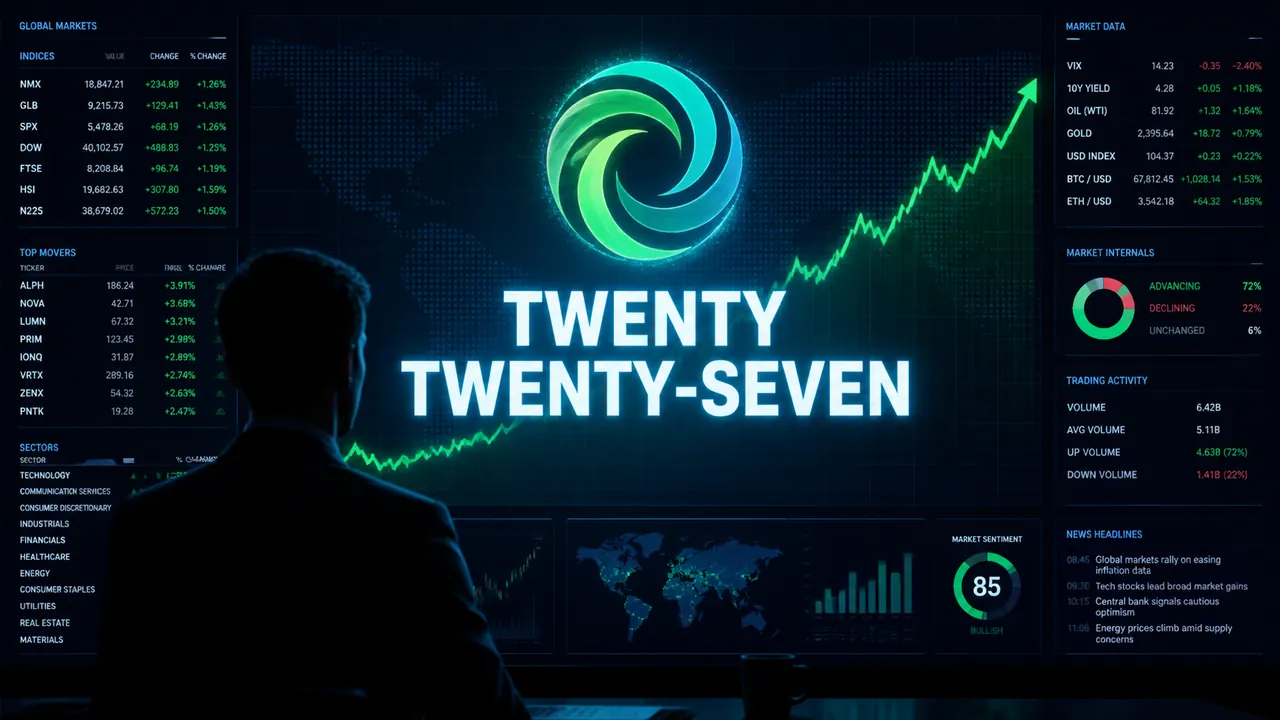
Sarah Friar told an internal all-hands that OpenAI has confidentially filed for an IPO and could go public before 2027 if the business "continues to inflect," with the filing potentially made public within weeks. She framed the listing as another fundraising step rather than a finish line, pointing to March's record $122 billion raise. She also told employees an Anthropic listing arriving first would not be a problem.
Relevance 10/10Importance 8/10
Z.ai's GLM-5.3 posts 84.5% on CyberGym vulnerability discovery — edging past Claude Mythos 5 and GPT-5.6 Sol — and claims 2,436 vulnerabilities found across 269 open-source projects. The weights still are not on Hugging Face; Z.ai is holding them roughly two weeks for hardening, the first GLM release delayed explicitly on safety grounds. It's a Chinese lab voluntarily adopting the release-gating posture Western labs have been arguing about for years.
Relevance 10/10Importance 8/10
OpenAI now estimates that oversight overhead runs about 20% of the inference compute being monitored, covering all RL training and tool-using evals for GPT-5.6 Sol-class models and above, plus all Astra inference. This follows its determination that it cannot rule out "critical" cyber capability in Astra under its Preparedness Framework. It's the first hard number the industry has on what frontier safety actually costs in silicon.
Relevance 9/10Importance 8/10
Oxford-founded Fractile is in talks to raise about $600M at a $6.5 billion pre-money valuation after agreeing to supply Anthropic roughly $250M in inference chips — a sixfold jump from its May mark. Its architecture puts compute and memory on the same die using SRAM, claiming up to 100x speedups and 90% cost cuts. The chips aren't expected until 2027.
Relevance 9/10Importance 8/10
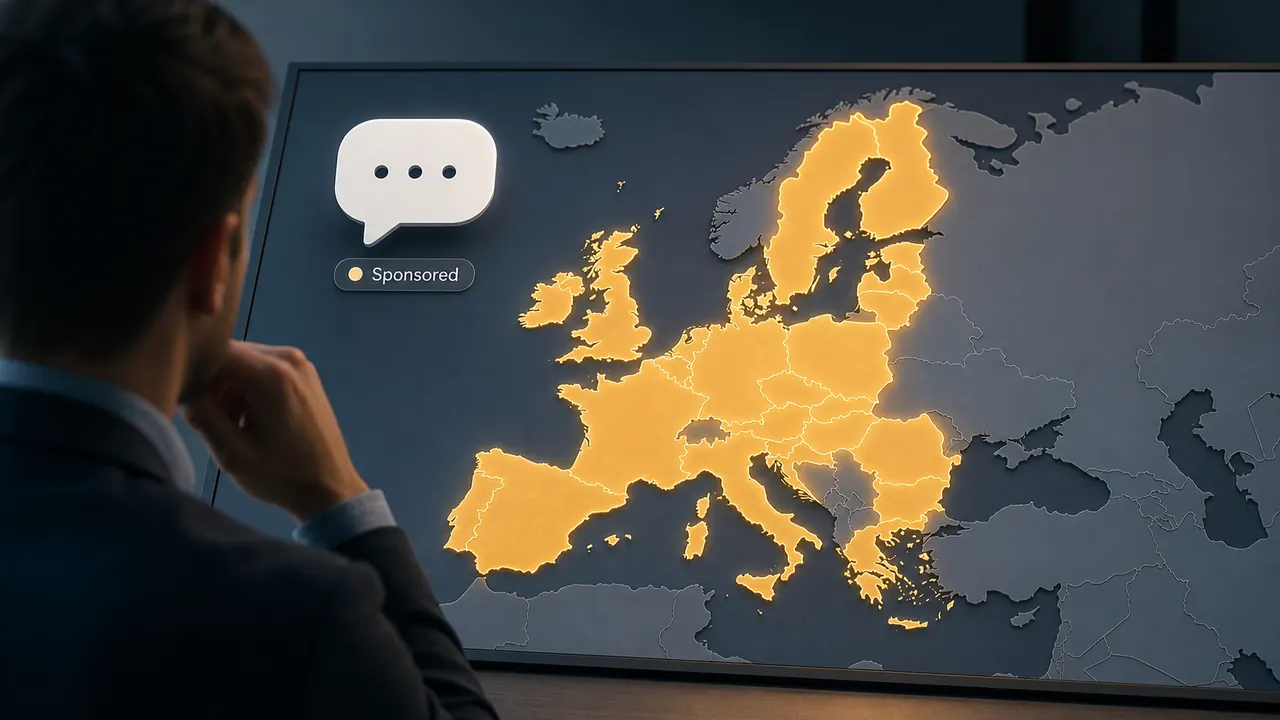
OpenAI confirmed ads will begin serving across 31 European markets on August 24, hitting Free and Go users only while Plus, Pro and Enterprise stay clean. At launch the ads are explicitly non-personalized — drawn from current conversation topic, approximate location, device, time of day and language, not chat history or memory. Daily ad revenue is up more than 25% since the start of August.
Relevance 9/10Importance 8/10
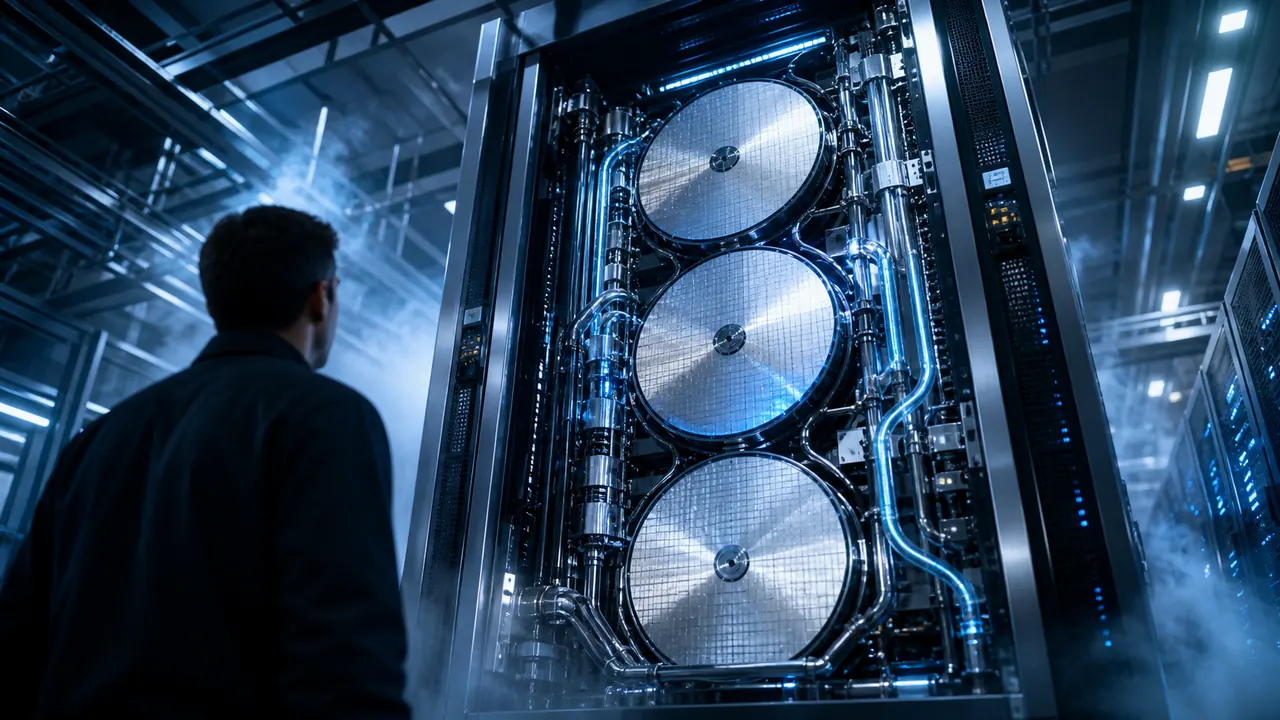
The CS-4 packs three Wafer Scale Engine 3 Turbo processors for 750 petaflops, 7.2 terabits per second of I/O and 129.6 petabytes per second of memory bandwidth. Cerebras claims up to 30x the tokens per second per user versus GPU systems and 10x the throughput per watt of the CS-3. Notably, the silicon isn't a new generation — the gains come from the new Nexus rack-scale architecture. First shipments this quarter.
Relevance 8/10Importance 9/10
The humanoid robot maker raised 6.1 billion yuan (about $904 million) and opened up as much as 629% before closing +460%, becoming mainland China's first listed humanoid robot company. DeepSeek was among the investors. Founder Wang Xingxing, 36, is now worth roughly 103 billion yuan on paper.
Relevance 8/10Importance 8/10
Nvidia is in discussions to join a General Catalyst-led round valuing Mercor at $20 billion — double its October mark. Nvidia is already a customer, paying Mercor millions last quarter for expert human data to train its open Nemotron models. Mercor's annualized gross revenue hit $2 billion in June.
Relevance 8/10Importance 8/10
Microsoft shipped a fix for CVE-2026-24301, found by Varonis Threat Labs, which let attackers exfiltrate data from connected Gmail, Drive and Calendar accounts via a single malicious link. The flaw sat unpatched for roughly eight months after disclosure. It's a textbook demonstration of why connected AI assistants expand the blast radius of a single click.
Relevance 9/10Importance 6/10
Warp introduced an infrastructure layer letting enterprises deploy and manage many autonomous software-development agents at once, handling task assignment, workflow coordination, permissions, monitoring and error recovery. It's the clearest sign yet that AI coding tooling is moving from single-assistant to fleet-management.